Prevent Identity Theft in Banking Online: Protect Your Finances and Personal Data
With the increasing reliance on online banking and digital transactions, the risk of identity theft has become a significant concern for individuals and businesses alike. Identity theft can have devastating consequences, including financial loss, damage to credit scores, and reputational harm. In this article, we will explore the ways to prevent identity theft in banking online and provide actionable tips to protect your finances and personal data.
Understand the Risks of Identity Theft
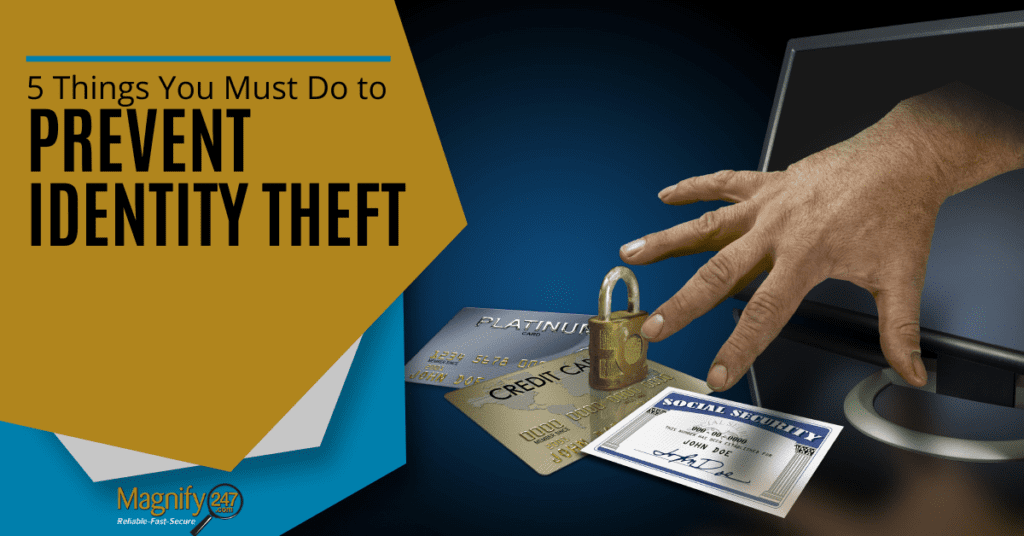
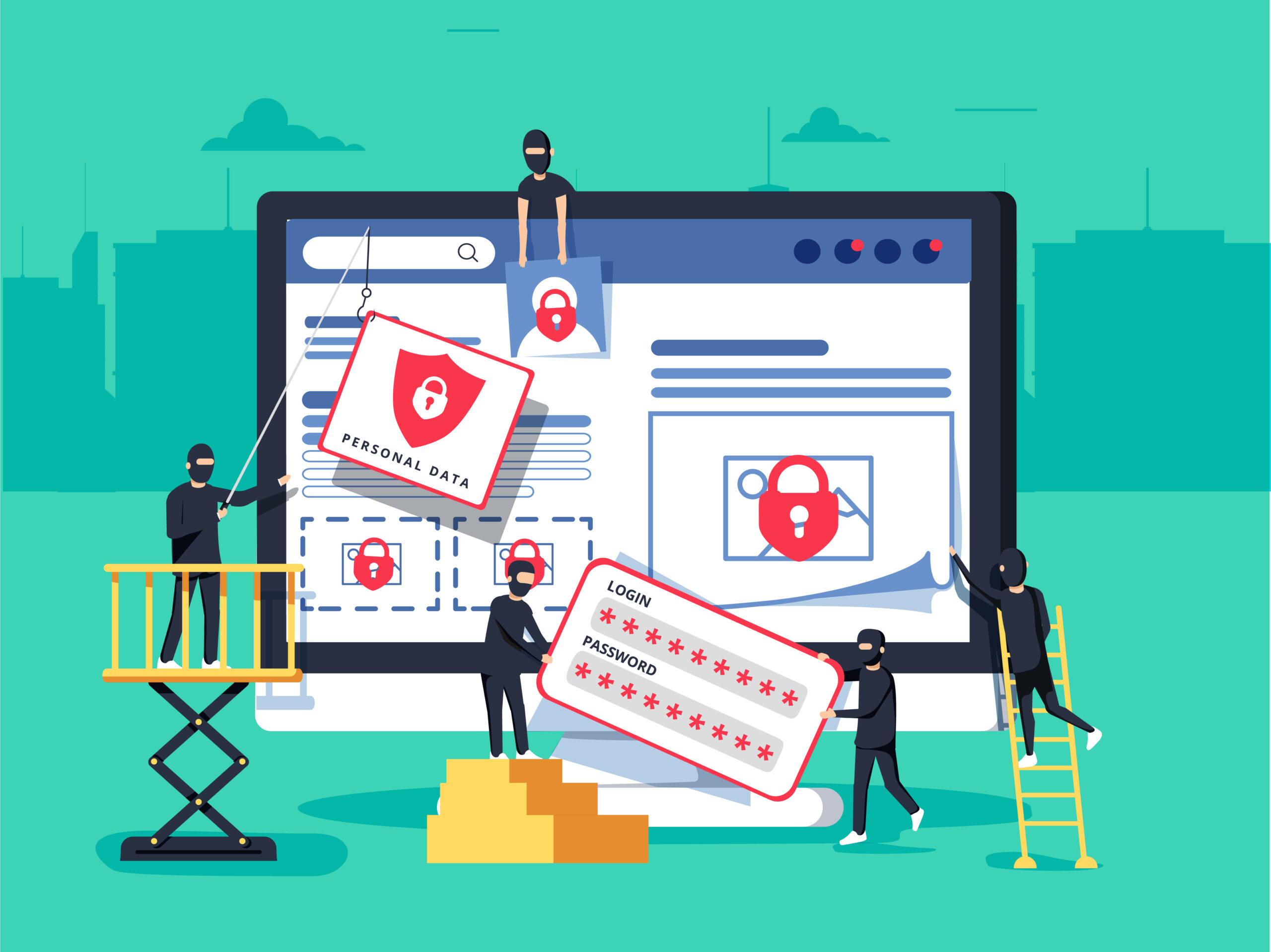
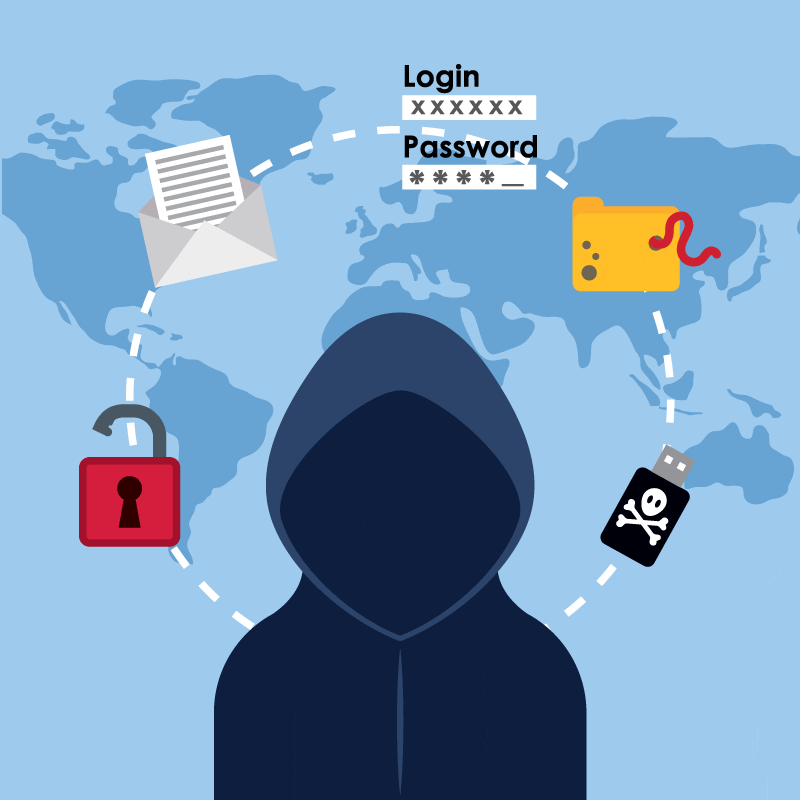
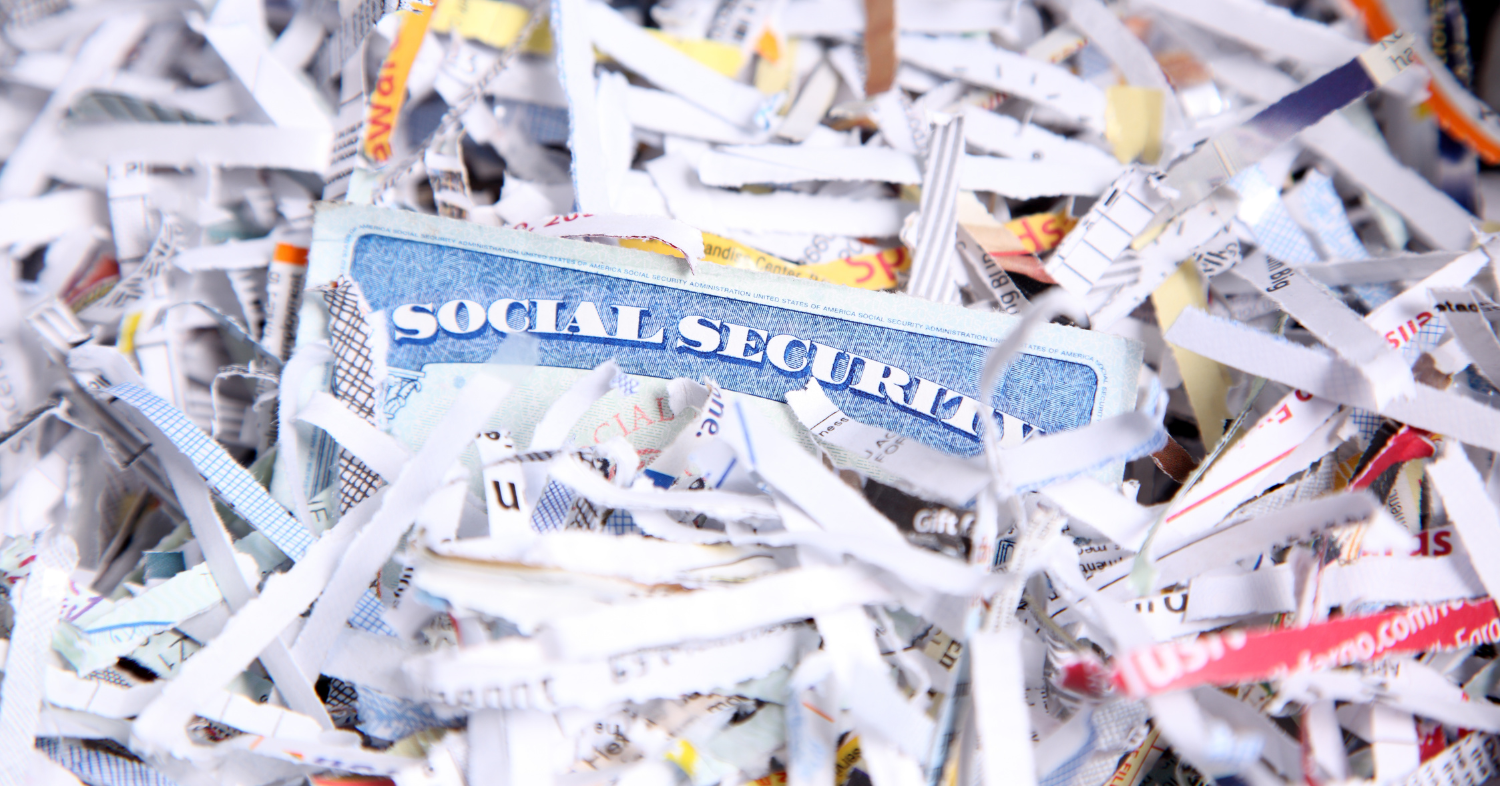
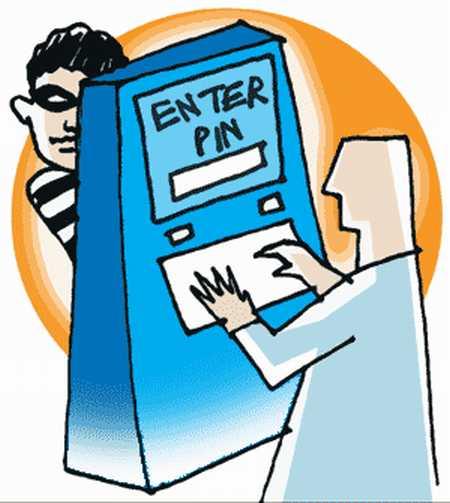
Identity theft occurs when a hacker steals your personally identifiable information (PII), such as your social security number, address, or login credentials, and uses it to gain access to your bank accounts or credit cards. This can lead to unauthorized transactions, drained accounts, or even the opening of new credit cards in your name.
Protect Your Personal Information
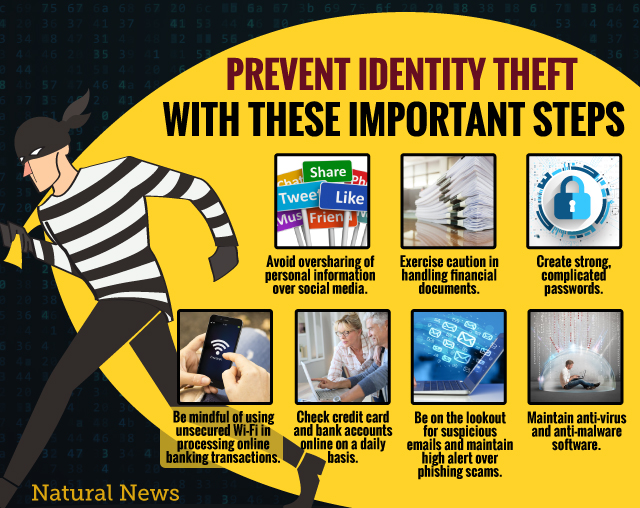
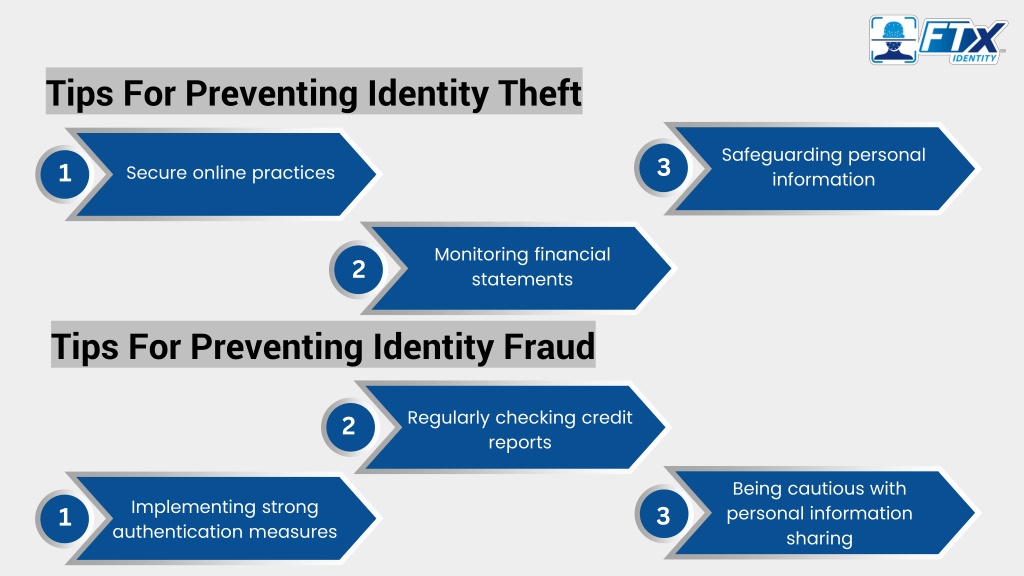
- Use strong, unique passwords across all online accounts, and avoid using the same password for multiple sites.
- Enable two-factor authentication (2FA) whenever possible, which adds an extra layer of security to your login process.
- Keep your devices and browsers up-to-date with the latest security patches and updates.
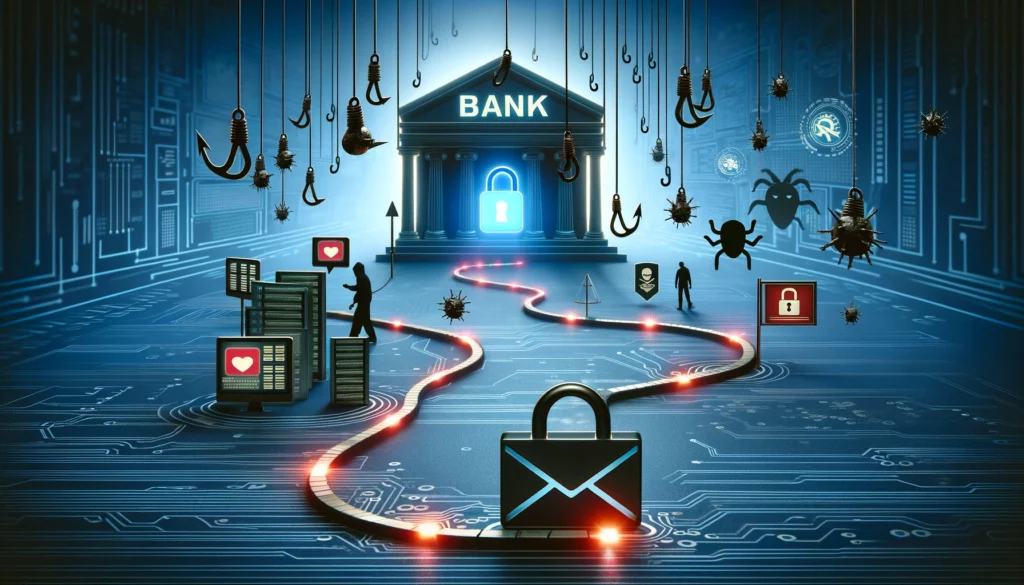
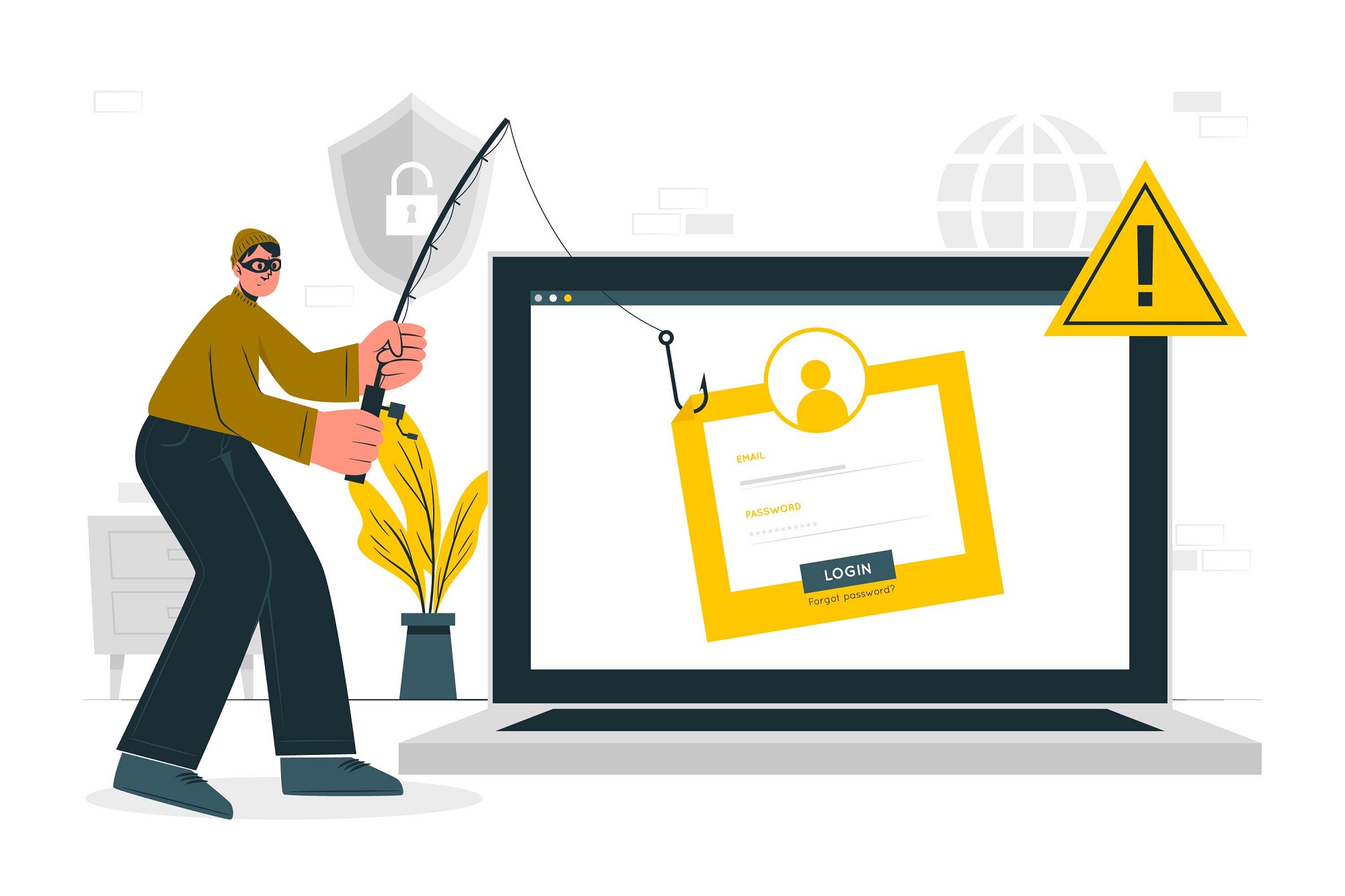
- Be cautious when clicking on links or downloading attachments from unknown sources, as they may contain malware or phishing scams.
Monitor Your Bank Statements and Credit Reports
Frequently review your bank statements and credit reports to detect any suspicious activity or unauthorized changes. By doing so, you can identify potential identity theft and take prompt action to prevent further fraud.
Report Suspicious Activity and Freeze Your Account

If you suspect that your account has been compromised, report the issue to your bank immediately and freeze your account to prevent further unauthorized transactions. You can also contact the Identity Theft Resource Center (ITRC) for free, expert guidance to help you restore your identity and prevent further fraud.
Stay Informed and Educated
Stay up-to-date on the latest types of scams and phishing attacks, and learn how to identify and avoid them. By staying informed and educated, you can protect yourself and your finances from potential identity theft and cyber threats.
Conclusion
Preventing identity theft in banking online requires a combination of awareness, education, and proactive measures. By following the tips outlined in this article, you can protect your finances and personal data from cyber threats and identity theft. Remember, prevention is key, and staying vigilant is crucial to safeguarding your online security and preventing identity theft.
Additional Resources
For more information on preventing identity theft and online security, visit the following resources:
- CISA (Cybersecurity and Infrastructure Security Agency)
- Identity Theft Resource Center (ITRC)
- Get Safe Online (UK's leading source of unbiased, factual, and easy-to-understand information on online safety)
- First Southwest Bank (Learn how to protect your child's personal information and what to do if someone steals your child's identity)