Unlocking the Art of Pattern Mixing: A Comprehensive Guide
Fire up your creativity and take your style to the next level by mastering the art of pattern mixing. This bold fashion statement can elevate your wardrobe and showcase your unique taste. But, for many, the prospect of combining different prints can be daunting. The key lies in understanding pattern coordination, color harmony, and scale balance. Here, we'll walk you through the best ways to mix and match patterns like a pro.
Mastering Pattern Mixing: A Step-by-Step Approach
Don't be afraid to experiment and play with different patterns to create a look that's uniquely yours. With these steps, you'll be well on your way to becoming a pattern-mixing master:
- Start with a neutral base: Begin with a solid-colored top or bottom to anchor your outfit. This will provide a clean canvas for your patterned pieces.
- Choose a bold print: Select a statement-print piece, such as a bright floral or geometric design, to add visual interest to your outfit.
- Balance scale and texture: Mix large and small-scale patterns, as well as different textures, to add depth and visual interest.
- Consider the 60-30-10 rule: Allocate 60% of your outfit to a solid color, 30% to a bold print, and 10% to an accent pattern.
- Experiment with layering: Don't be afraid to layer patterned pieces, such as a striped top under a flared skirt or a patterned scarf over a solid-colored shirt.
- Pay attention to color harmony: Select patterns that complement each other in terms of color, or create contrast with bold, analogous, or complementary color schemes.
Pattern Mixing Tips and Tricks
To successfully mix patterns, keep these additional tips in mind:
- Less is more: Avoid overloading your outfit with too many patterns or busy designs. Balance is key to creating a cohesive look.
- Opt for similar color families:
- Try pairing earth tones with natural fibers, like cotton or linen.
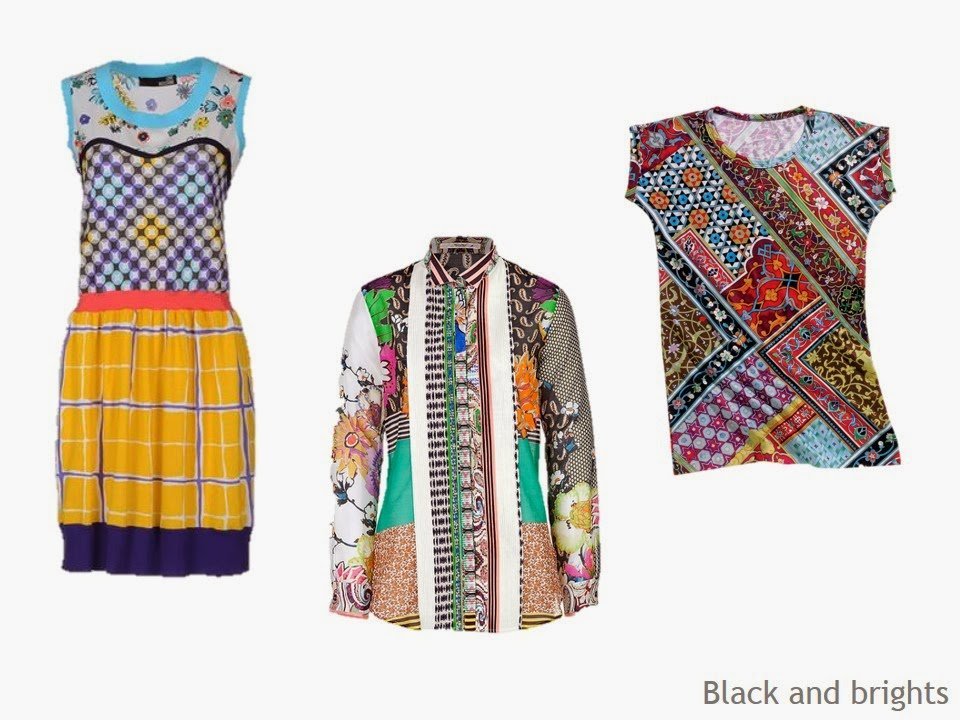
- Combine brights with analogous colors to create a cohesive look.
- Pair bold, bright colors with neutral tones for a chic contrast.
- Mix and match texture: Incorporate different textures, such as smooth, rough, and chunky, to add depth and visual interest.
- Consider the occasion: From formal events to casual outings, adapt your pattern-mixing approach according to the occasion.
- Know your patterns: Familiarize yourself with classic prints like stripes, polka dots, and florals before experimenting with more complex patterns.
Why Pattern Mixing Works
Pattern mixing is a powerful way to express your creativity and showcase your unique style. By understanding the basics of pattern coordination, color harmony, and scale balance, you can create visually appealing outfits that turn heads. Whether you're a seasoned fashion enthusiast or still learning, this guide will inspire you to explore the world of pattern mixing and unlock your personal style.
Maximizing the Art of Pattern Mixing
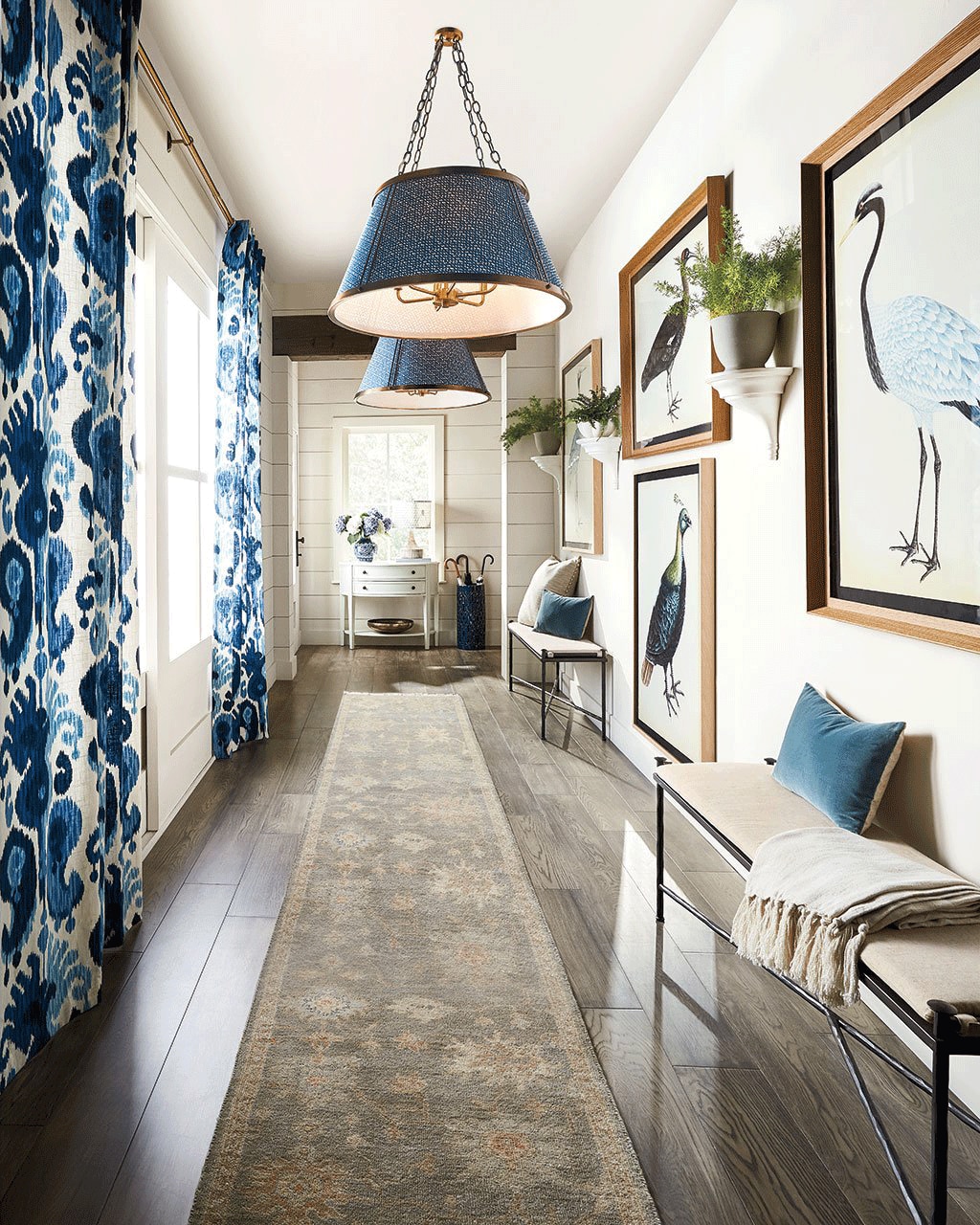
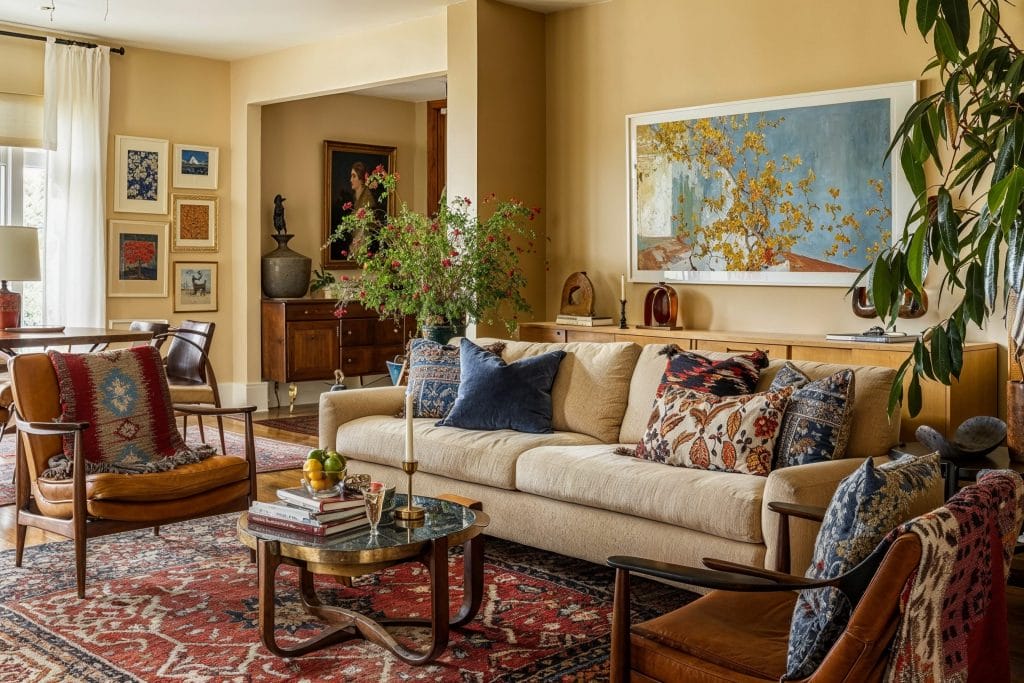
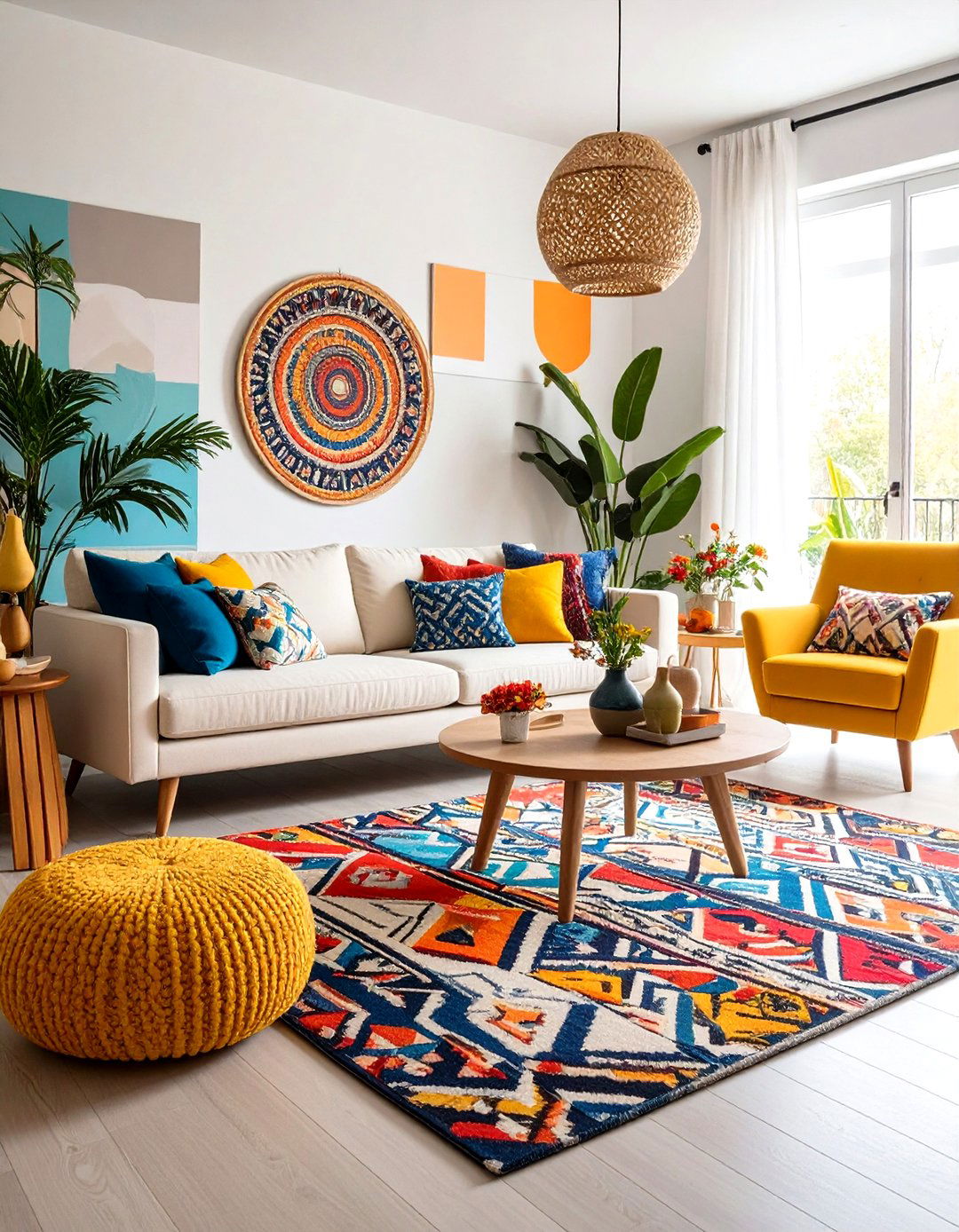
Pattern mixing in interior design offers a similar scope for creativity and expression. To master this art, you can:

- Choose a dominant pattern: Select a statement-print piece, such as a bold geometric or colorful floral, to anchor the room.
- Traditionally mixed-and-matched
- Add complementary patterns: Incorporate patterns that complement the dominant print in terms of color, texture, or scale.
Pattern Mixing FAQs
Some common questions about mixing patterns:
Q: What are some basic pattern-mixing rules?
A: To avoid patterns-clashing catastrophes, remember the 60-30-10 rule and consider scale, texture, and color harmony when mixing patterns.
Q: Which patterns go well together?
A: Always opt for patterns that complement each other color-wise, or combine contrasting patterns for a bold statement. For instance, vertical stripes pair nicely with bold florals, while polka dots complement bright geometrics.
Q: Can I wear too many patterns at once?
A: To avoid visual overload, balance your outfit with at least one solid-colored piece and join patterns harmoniously, as explained above.