How to Replace a Dead Car Battery: A Step-by-Step Guide
Introduction
Replacing a dead car battery is a relatively simple process that can be done by anyone with basic knowledge of car maintenance. In this comprehensive guide, we will walk you through the steps to change a dead car battery, including the tools and materials needed, safety precautions, and troubleshooting tips.Why Replace a Dead Car Battery?
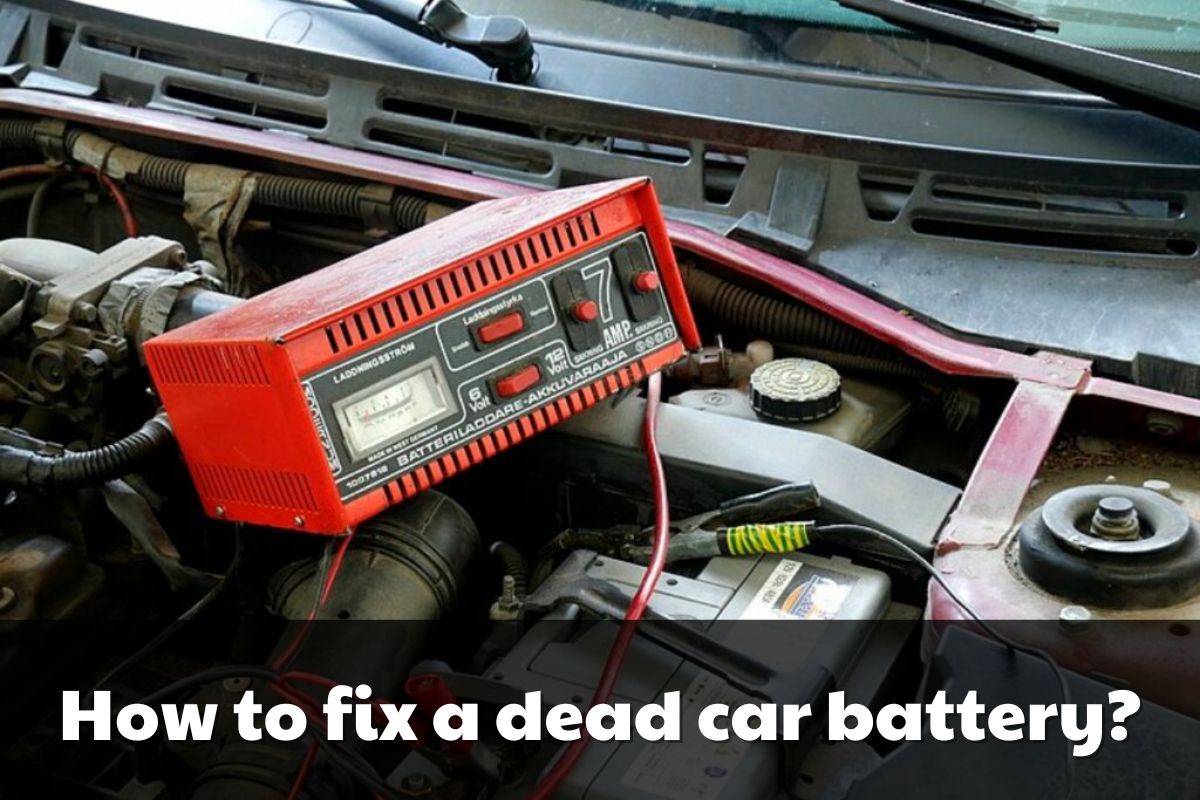
Automotive batteries don't last forever, even when they're taken care of properly. If you notice your headlights dimming, if your car needs a jump-start due to a dead battery, or if your battery is more than 3 years old, it's time to replace it. Fortunately, this is a quick and easy project you can tackle at home with only a few basic tools.Tools and Materials Needed
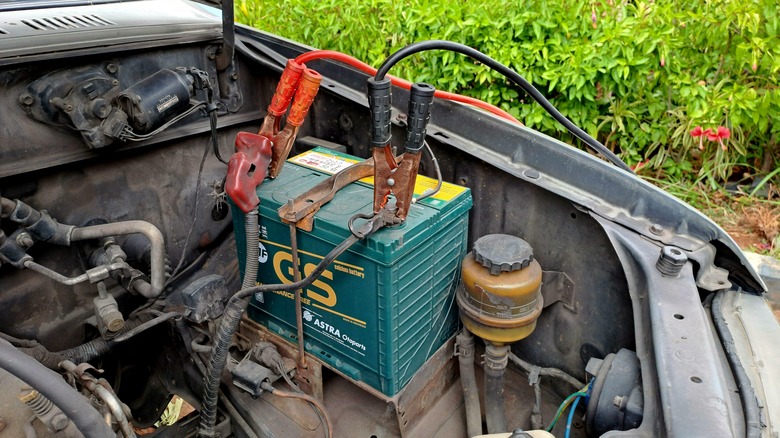
To replace a dead car battery, you'll need: * A new car battery (make sure it's compatible with your vehicle) * A wrench or socket to loosen the battery hold-down clamp * A pair of gloves to protect your hands from acid and electricity * Safety glasses to protect your eyes from battery acid * A working battery (to jump-start your car, if needed)Step-by-Step Instructions
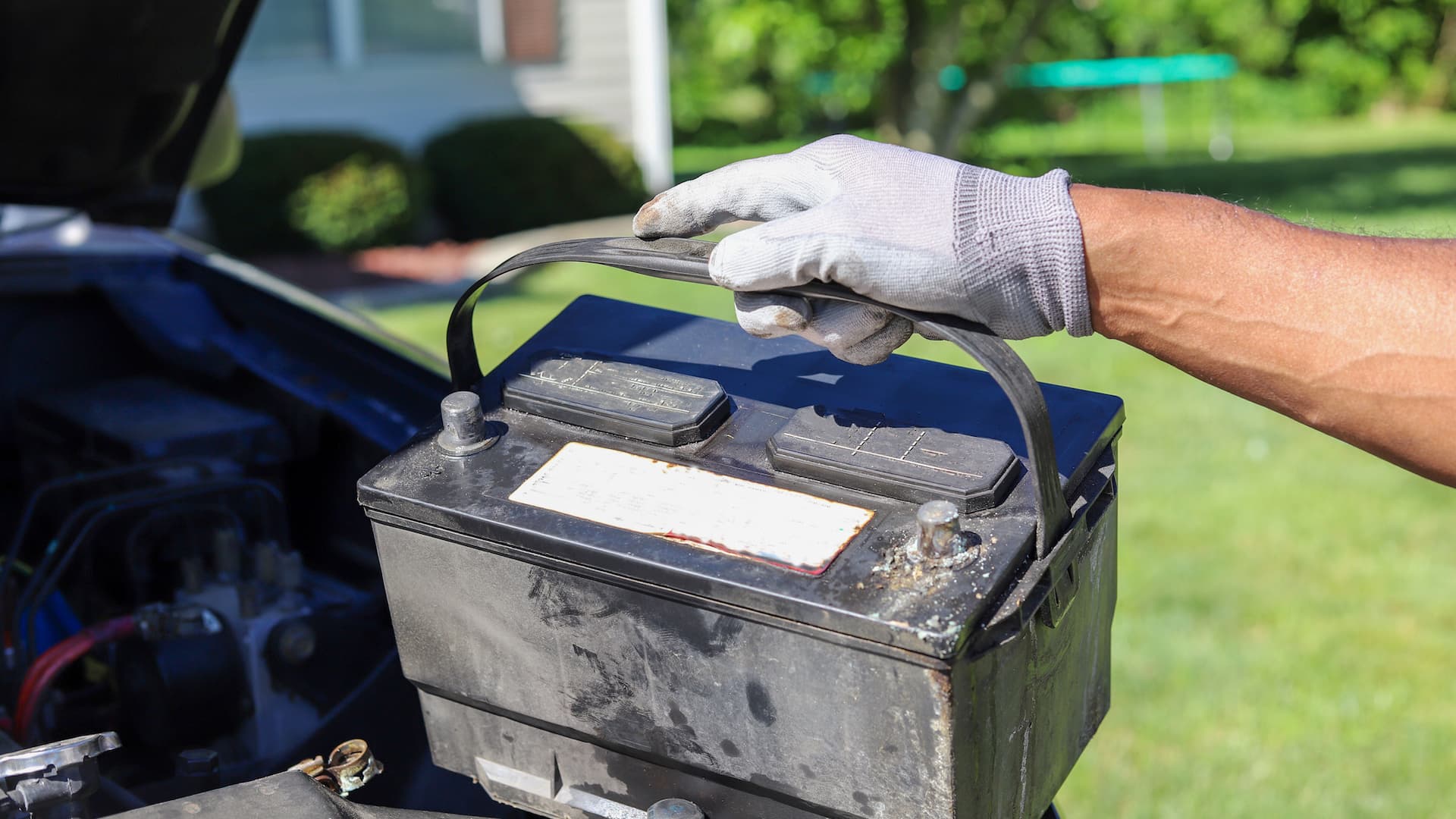
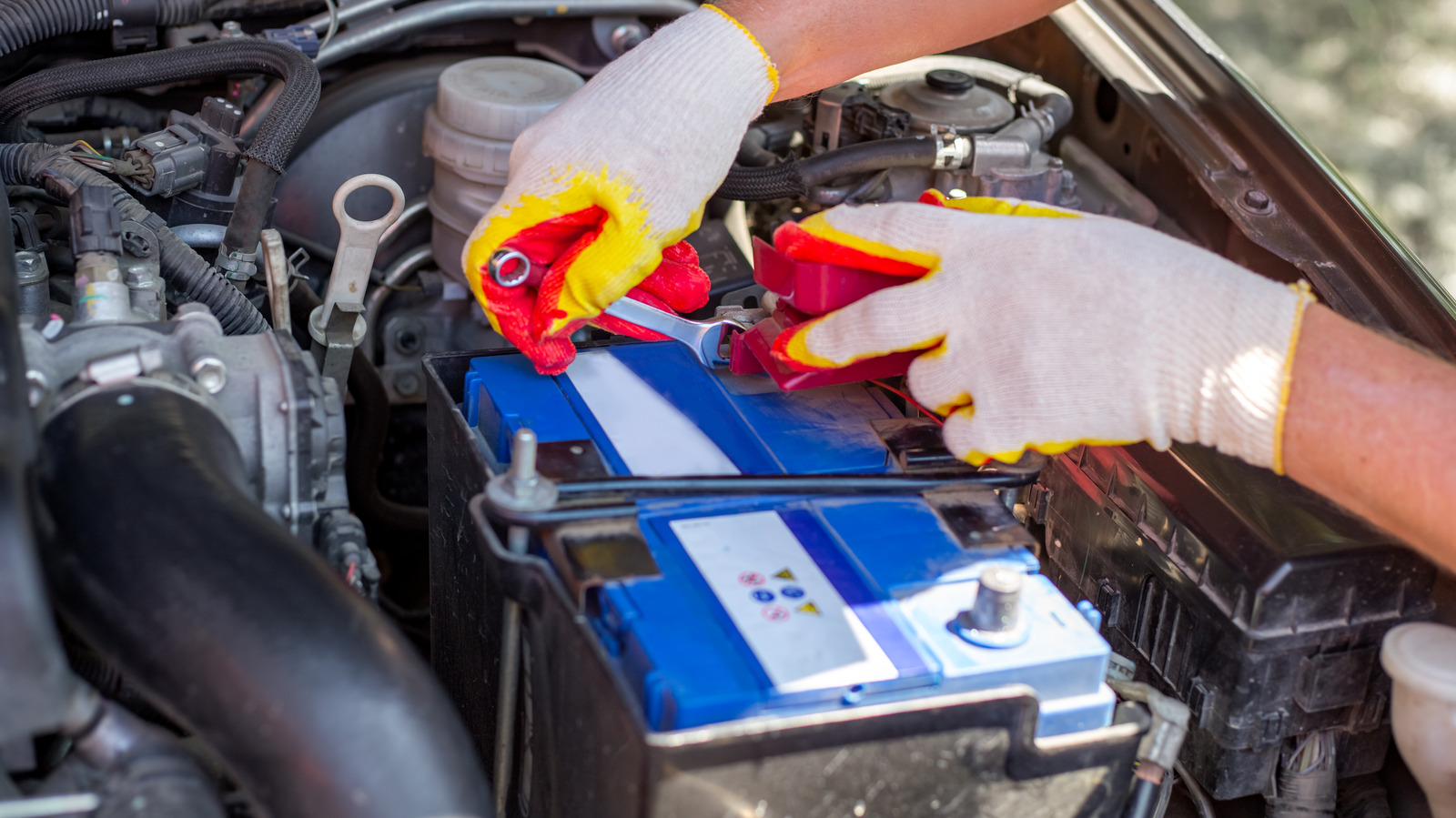
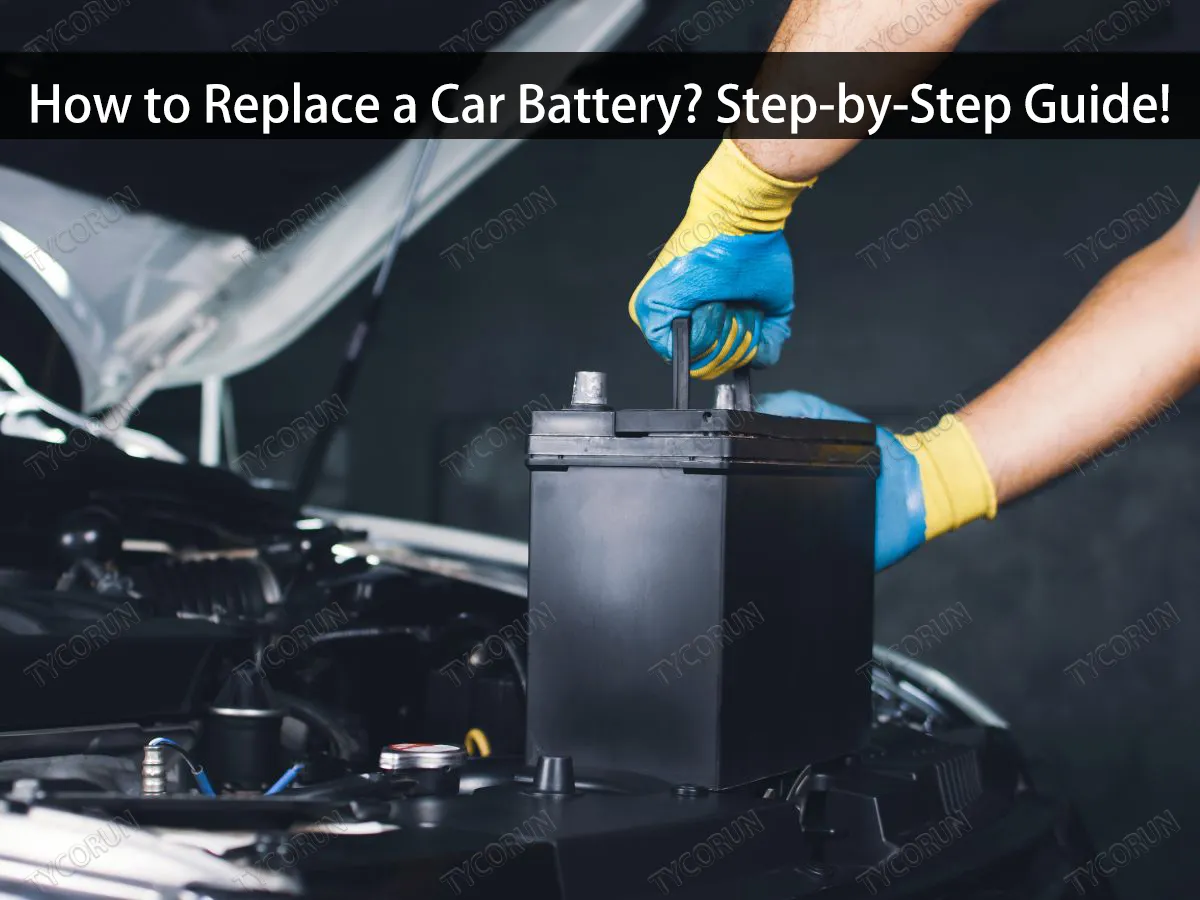
1. **Turn off your car and engage the parking brake**: Make sure your car is in park (if it's an automatic transmission) or in gear (if it's a manual transmission). 2. **Locate the battery**: The battery is usually located in the engine compartment, but it can vary depending on the make and model of your car. 3. **Disconnect the negative (black) cable**: Use a wrench or socket to loosen the battery hold-down clamp and then disconnect the negative cable from the battery post. 4. **Disconnect the positive (red) cable**: Repeat the same process as step 3 to disconnect the positive cable from the battery post. 5. **Remove the old battery**: Use a wrench or socket to loosen the battery hold-down clamp and then carefully lift the old battery out of the compartment. 6. **Inspect the new battery**: Before installing the new battery, make sure it's the correct type and size for your car. 7. **Install the new battery**: Place the new battery in the compartment and secure it with the battery hold-down clamp. 8. **Connect the positive (red) cable**: Attach the positive cable to the positive terminal on the new battery. 9. **Connect the negative (black) cable**: Attach the negative cable to the negative terminal on the new battery. 10. **Start the engine and check the electrical systems**: Start the engine and check the electrical systems, including the headlights, radio, and other accessories.Troubleshooting Tips
* If your car won't start after replacing the battery, check the connections and make sure they're secure. * If you notice any corrosion or wear on the battery terminals, clean them with a wire brush and apply a small amount of petroleum jelly. * If your car has a faulty alternator, it may not charge the new battery properly.Conclusion