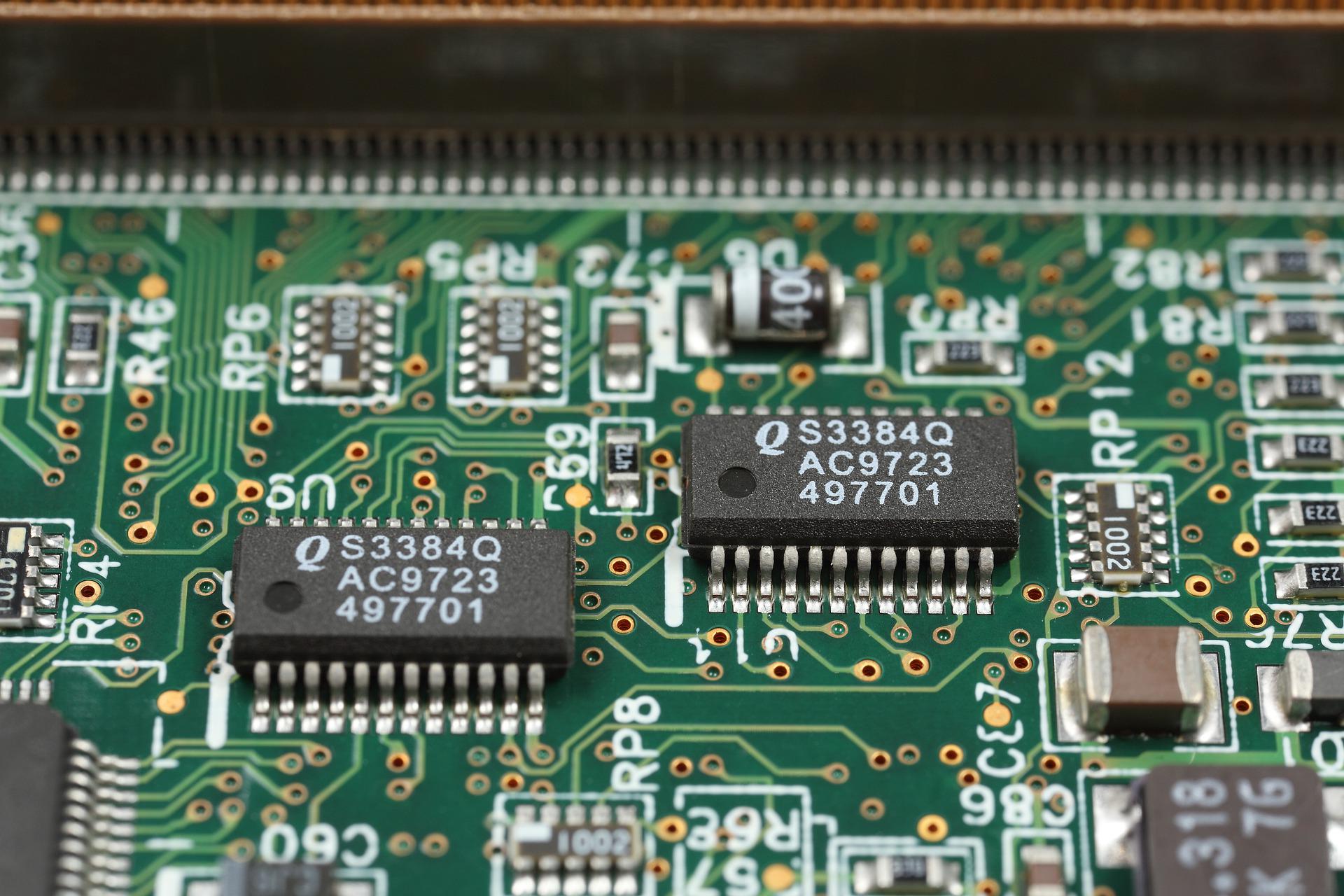
Understanding Micro Components Assembly
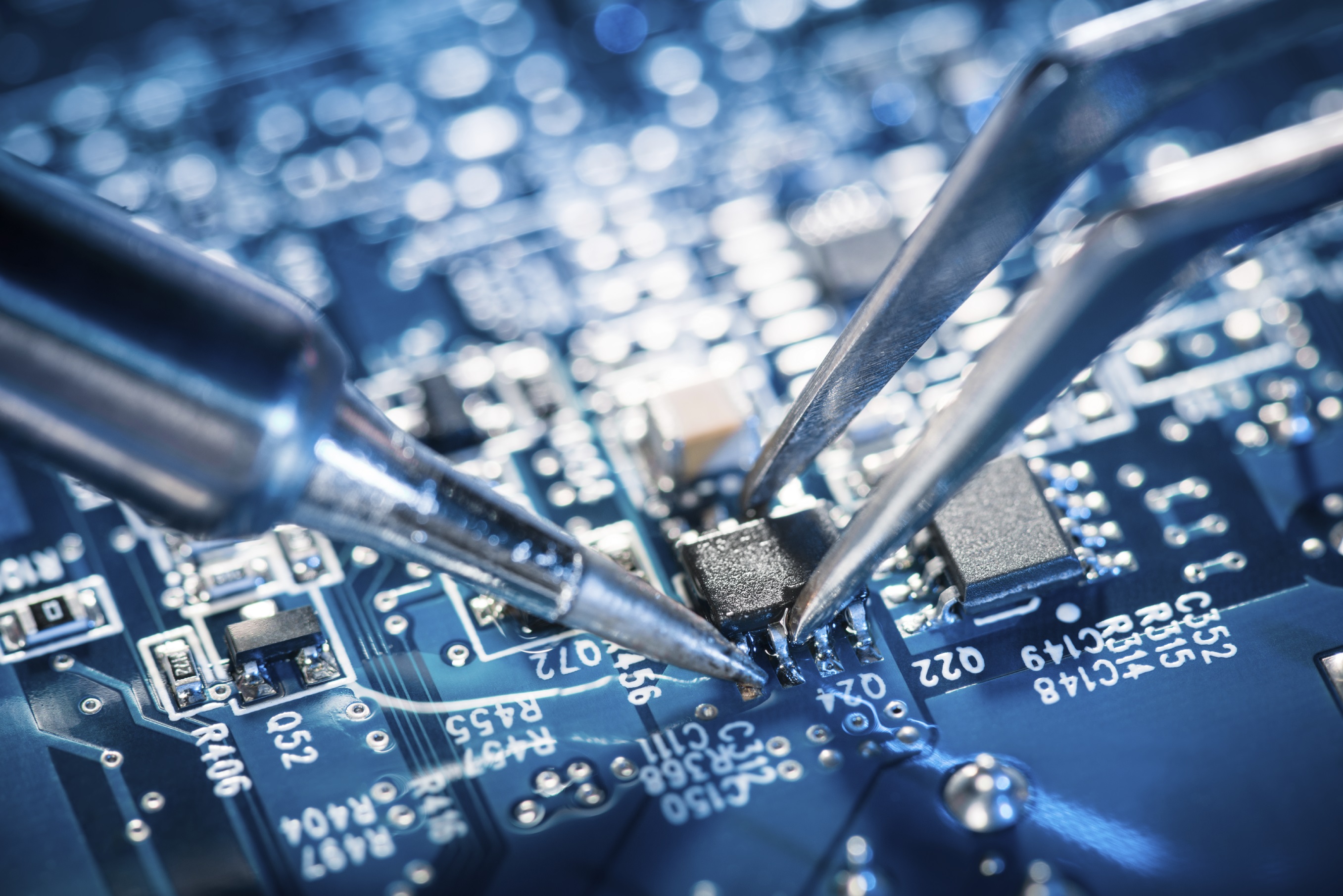
Micro components assembly refers to the process of assembling extremely small electronic components and subassemblies onto printed circuit boards (PCBs). This technology involves the precise placement and soldering of miniature components, often on densely packed boards.
What is Microassembly?
Microassembly is a critical process in various fields, including consumer electronics, medical devices, automotive electronics, and aerospace. It offers numerous benefits, such as enhanced efficiency, improved performance, and minimized errors during the assembly process.
The Importance of Micro Components Assembly
Micro components assembly plays a crucial role in various industries, where miniaturization and precision are essential. It is used in the production of semiconductor devices, sensors, surveillance devices, and other high-precision components.
- High precision: Micro assembly requires high accuracy, often measured in micrometers or nanometers.
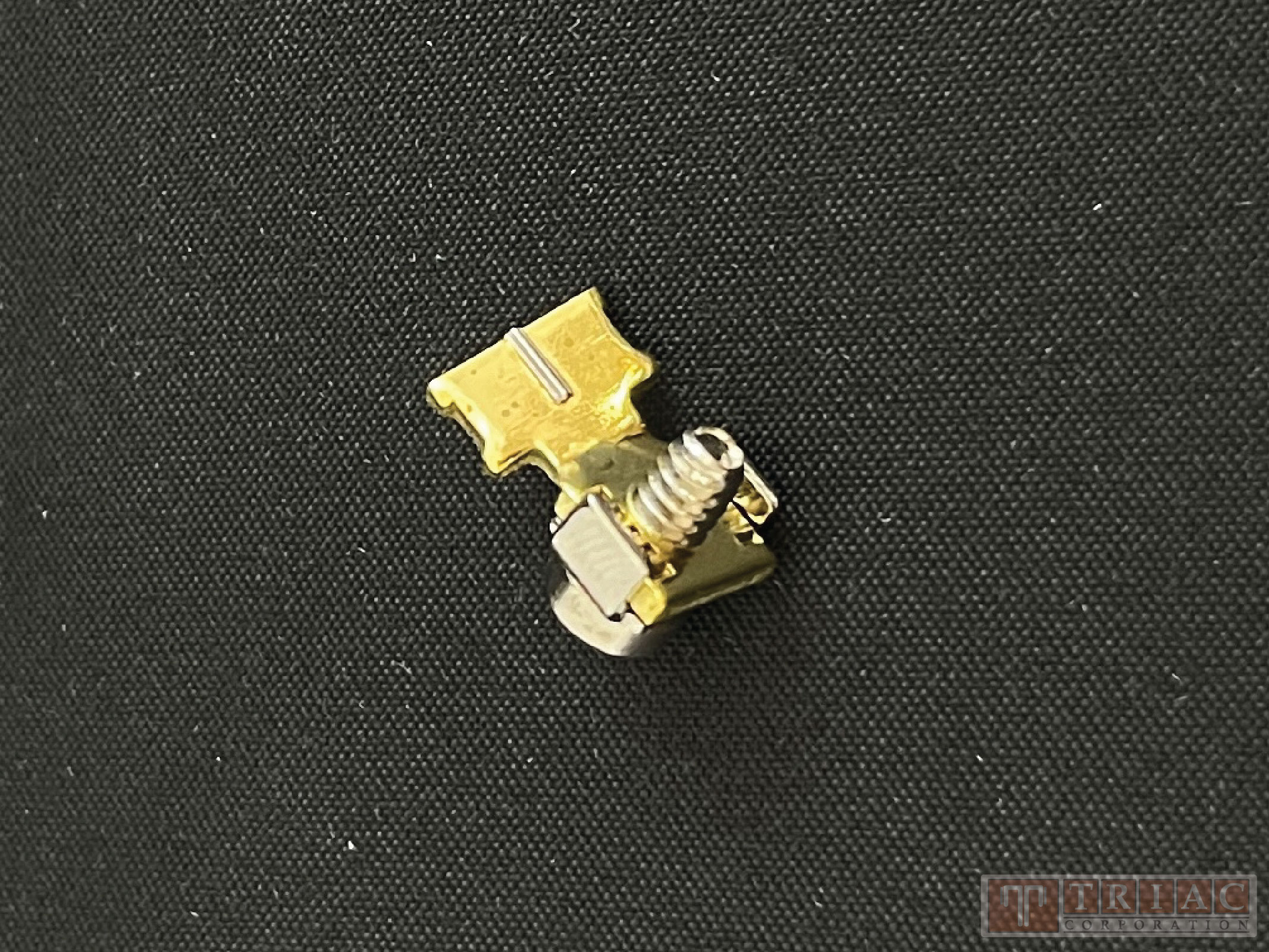
- Small components: Micro assembly deals with extremely small components, often on the micro or nanoscale.
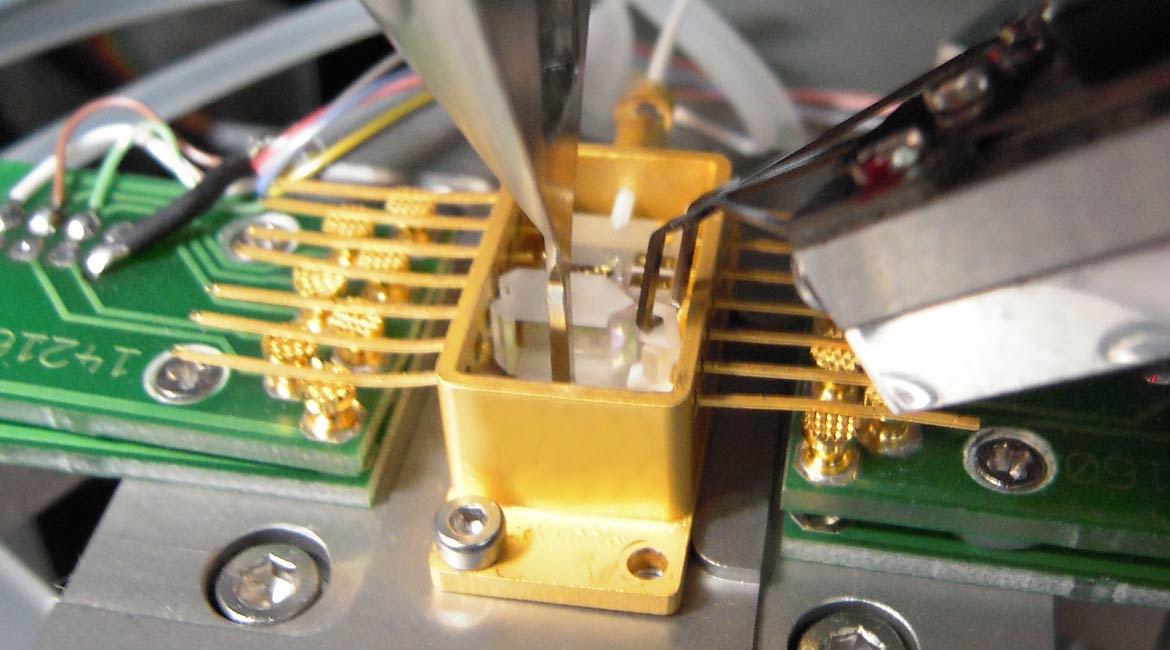
- Precision techniques: Micro assembly requires specific techniques, such as gripping and handling of tiny components.
- Complex shapes: Micro assembly often involves complex shapes and materials that are difficult to fabricate using traditional techniques.
Techniques and Challenges in Micro Components Assembly

Micro components assembly involves various techniques, including mechanical micro-operation systems, external fields (magnetic, optical, and acoustic), and micro-gripping design. However, it also poses significant challenges, such as:
- Component handling and gripping.
- Positioning and assembly of tiny components.
- Dealing with complex shapes and materials.
- Achieving high precision and accuracy.
Benefits and Future Trends in Micro Components Assembly
Micro components assembly offers numerous benefits, including enhanced efficiency, improved performance, and minimized errors during the assembly process. As technology advances, micro assembly is expected to evolve, with emerging trends and techniques, such as:
- Advanced micro-gripping systems.
- High-speed assembly techniques.
- Nano-scale assembly and metrology.
- Artificial intelligence and machine learning for assembly optimization.
Conclusion
Micro components assembly is a critical process in various industries, requiring high precision, complex techniques, and careful handling of tiny components. As technology advances, micro assembly will continue to evolve, with emerging trends and techniques driving innovation and growth in various fields.