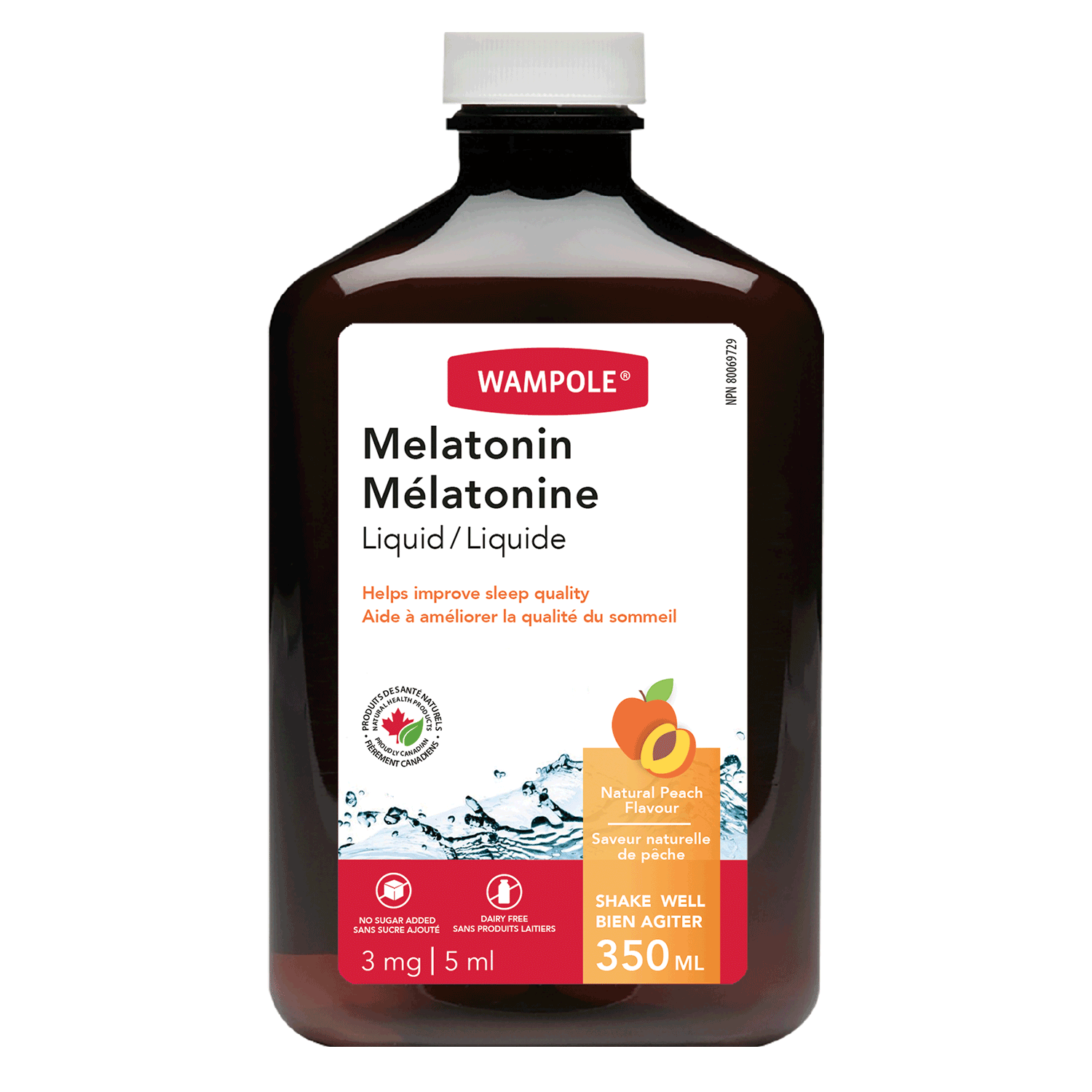
Melatonin and Alcohol at Night: What You Need to Know
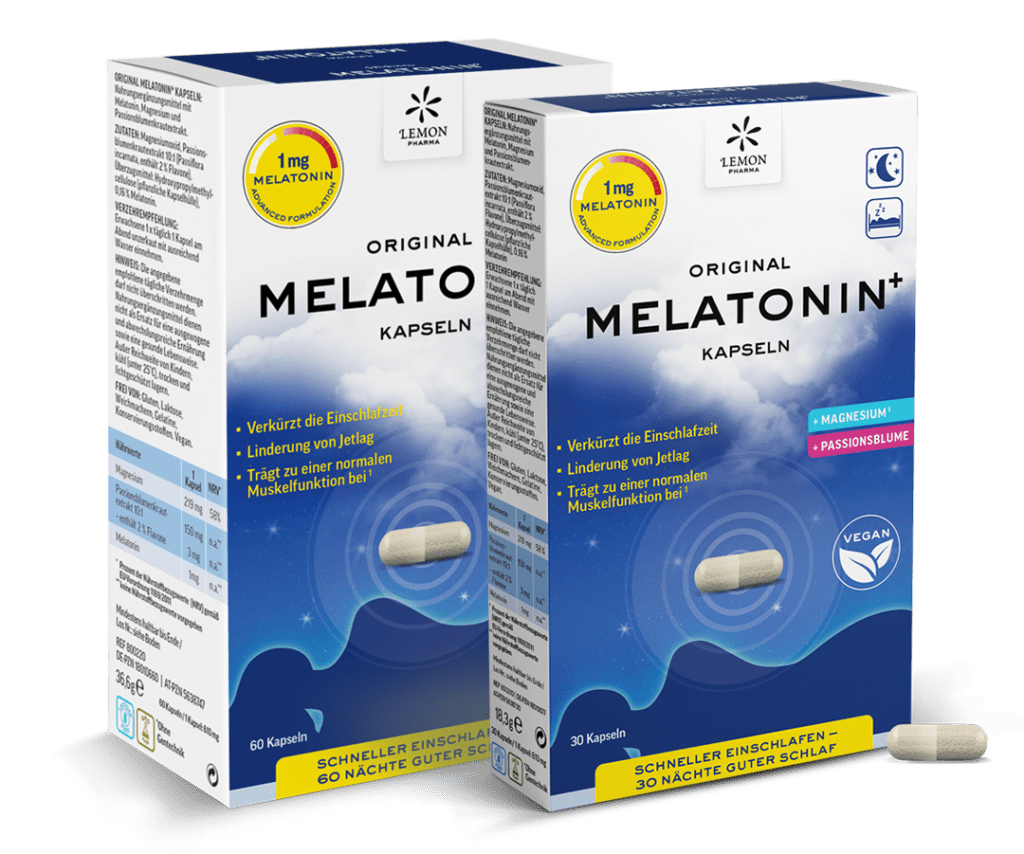
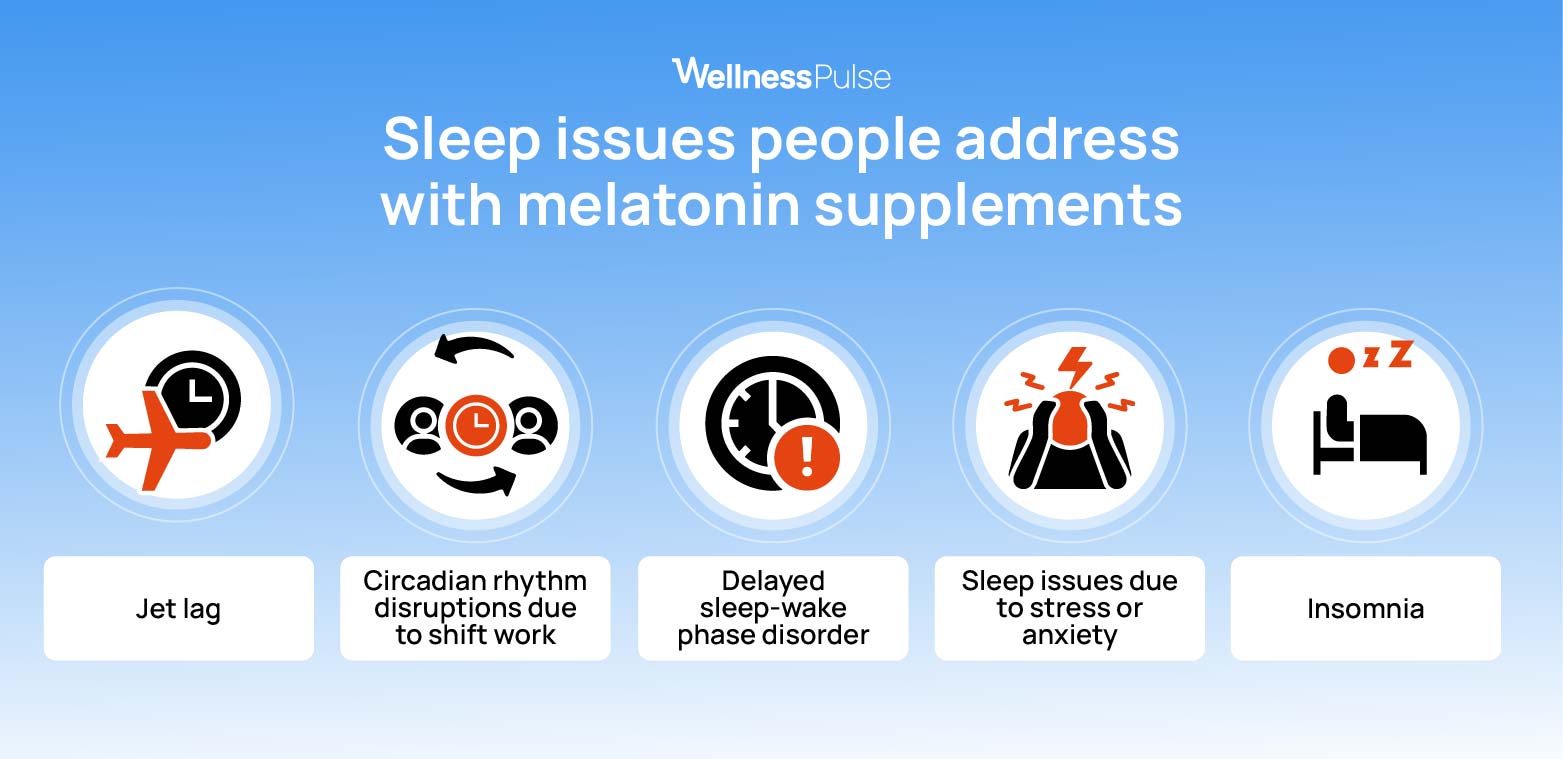
Are you struggling to get a good night's sleep? You're not alone. Millions of people around the world suffer from insomnia and other sleep disorders, which can have a significant impact on their daily lives. One potential solution is melatonin supplements, a hormone that regulates our sleep-wake cycles. However, combining melatonin with alcohol at night can have severe consequences. In this article, we'll explore the reasons why mixing melatonin and alcohol is a bad idea and provide some tips on how to get a good night's sleep without relying on supplements.
The Effects of Melatonin and Alcohol on Sleep
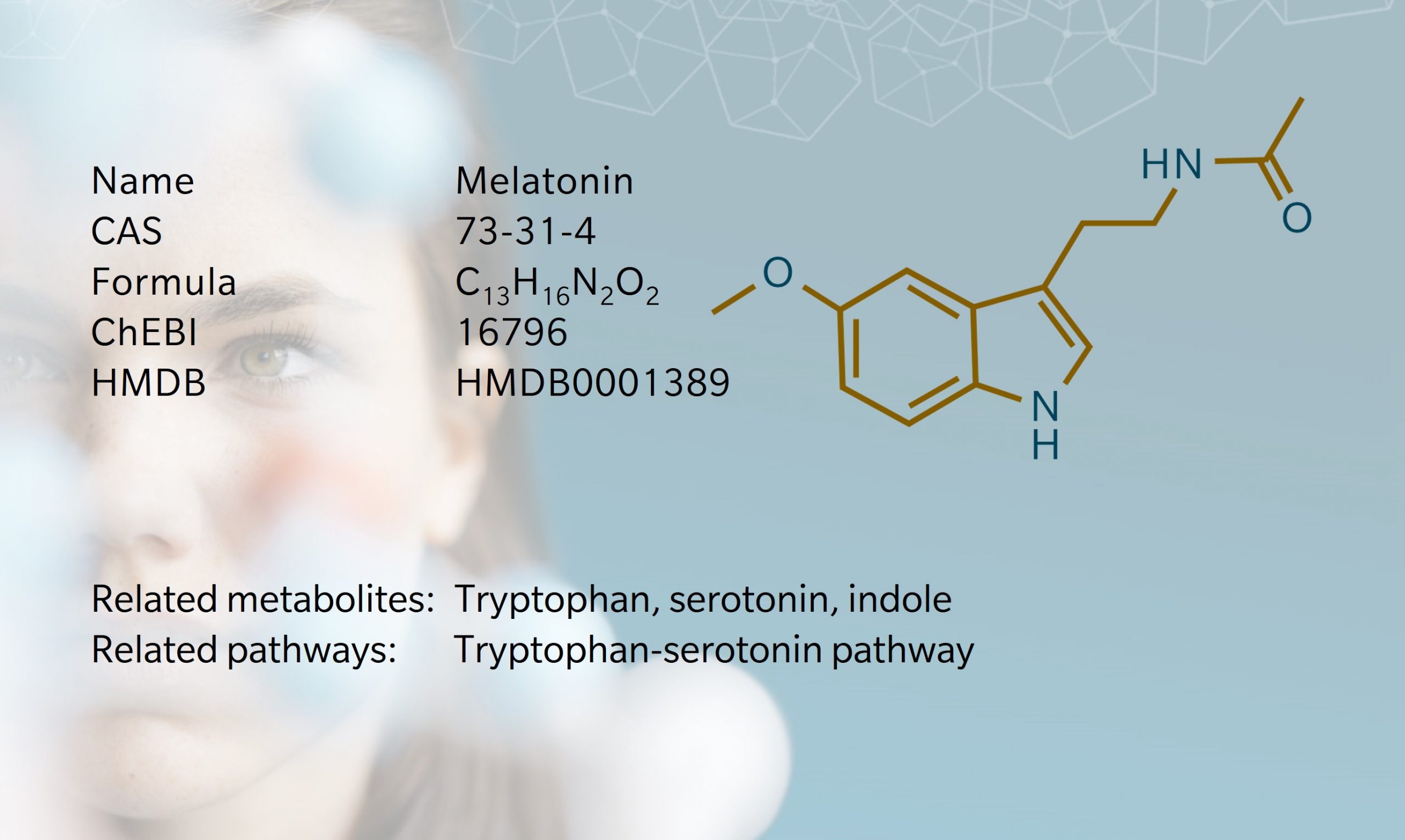
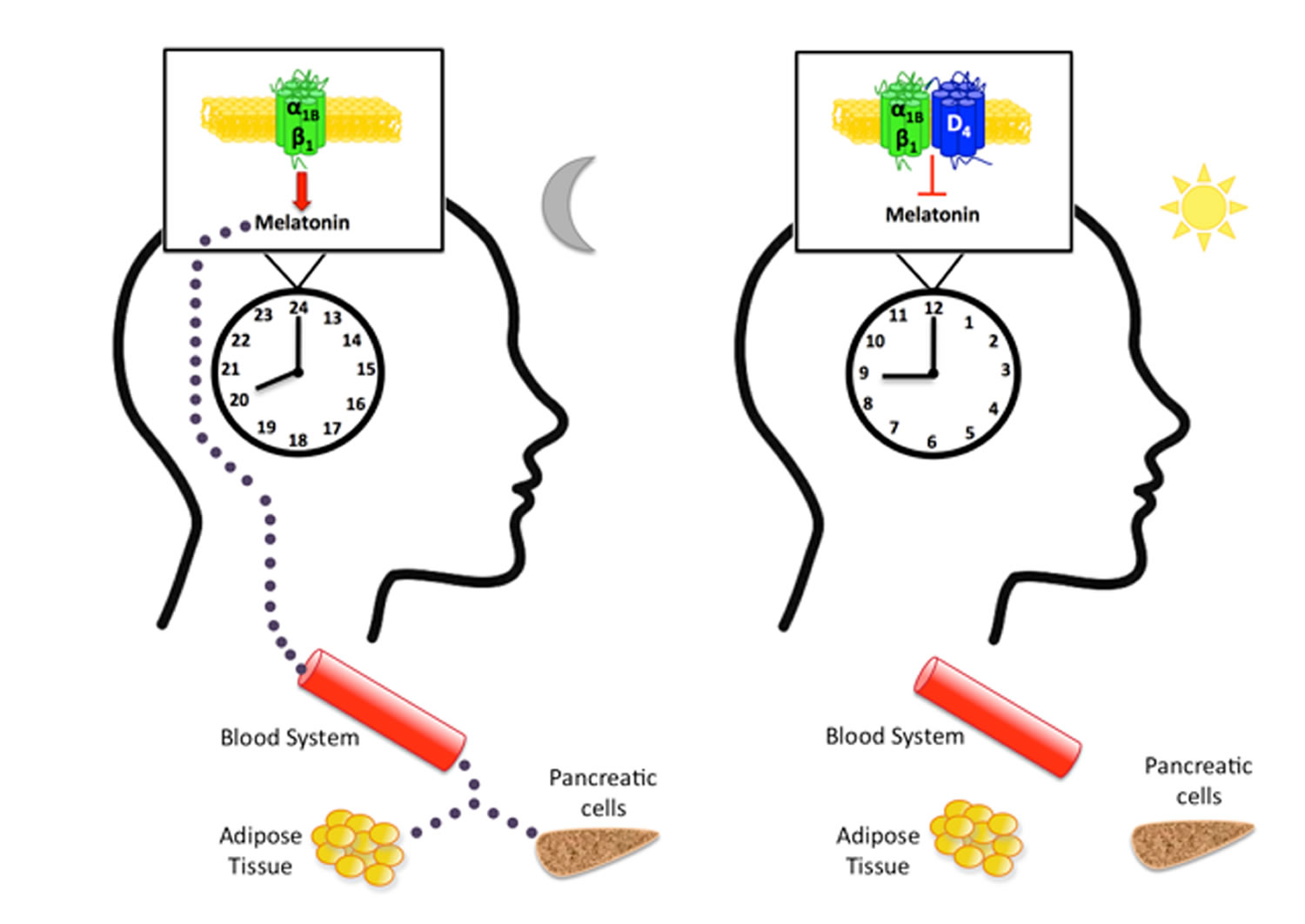
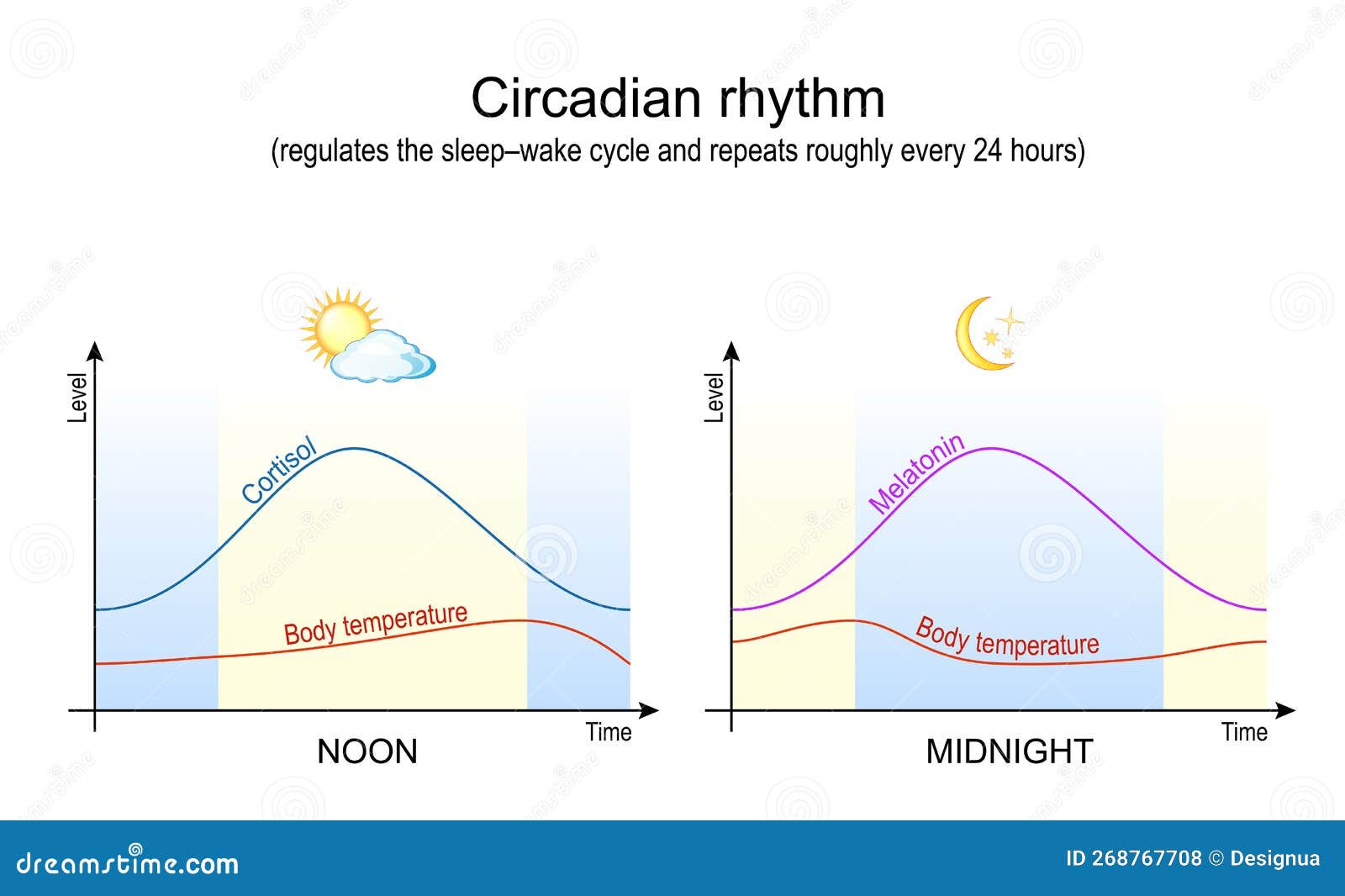
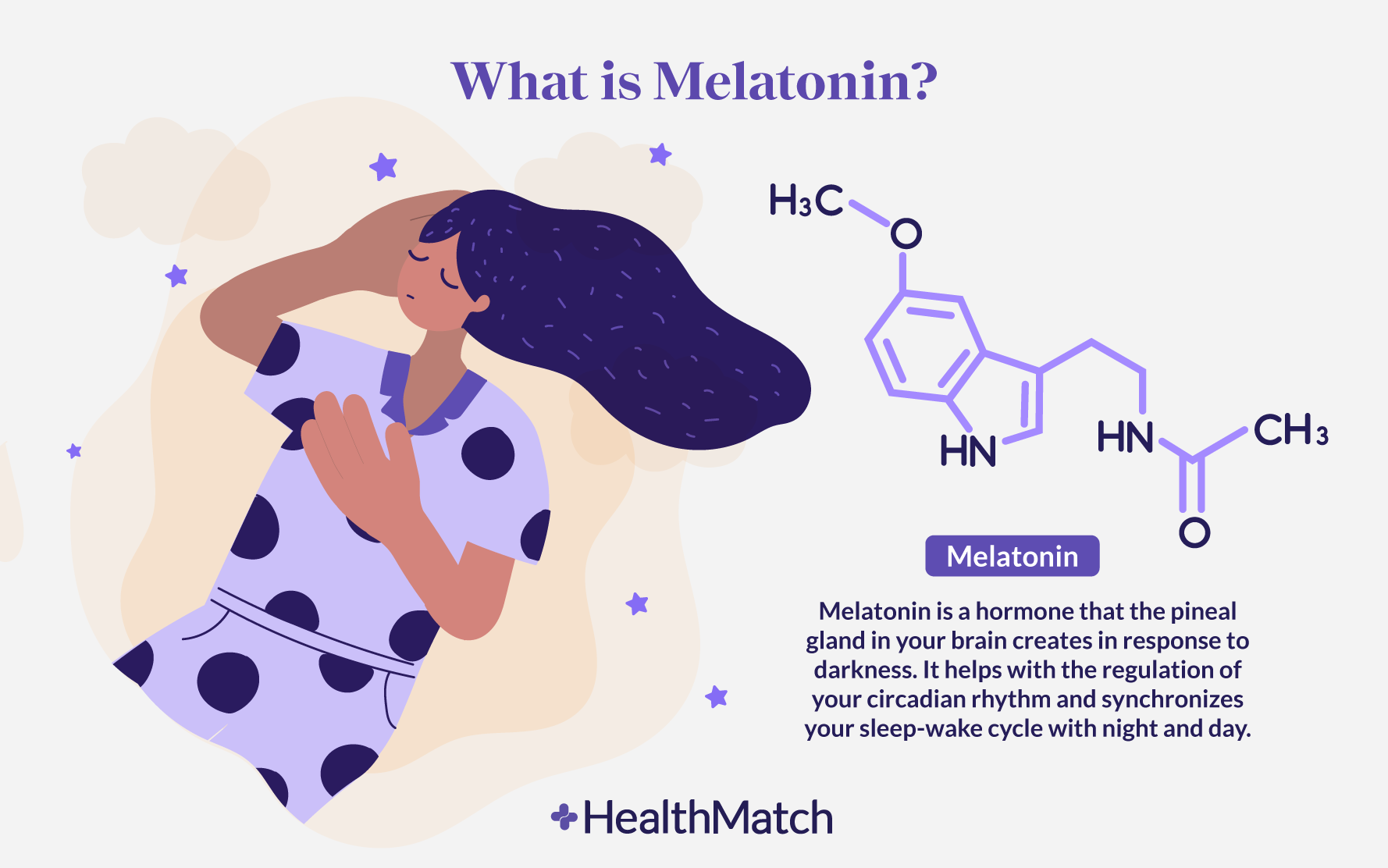
Melatonin is a hormone produced by the pineal gland in the brain that helps regulate our sleep-wake cycles. When it gets dark outside, our body produces melatonin, causing us to feel drowsy and sleepy. This natural process is essential for maintaining a healthy sleep schedule.
Alcohol, on the other hand, can have a negative impact on sleep quality. While a single glass of wine may seem harmless, consuming excessive amounts of alcohol can disrupt sleep patterns and reduce the quality of sleep. This is because alcohol affects the brain's ability to produce melatonin, leading to decreased sleep duration and quality.
Why Mixing Melatonin and Alcohol at Night is a Bad Idea
Combining melatonin and alcohol at night can amplify the negative effects of both substances. Here are some reasons why you should avoid mixing these two:
Melatonin and alcohol can interact with each other in unpredictable ways, leading to extreme drowsiness, anxiety, or injury.
Alcohol can reduce the effectiveness of melatonin supplements, making them less effective at regulating sleep-wake cycles.
Both melatonin and alcohol can have sedative effects, which can interact with each other and lead to adverse reactions.
What to Do Instead
Instead of relying on melatonin and alcohol to get a good night's sleep, consider these tips:
Establish a consistent sleep schedule by going to bed and waking up at the same time every day.
Avoid consuming caffeine, nicotine, and heavy meals in the hour or two before bedtime, as these can disrupt sleep patterns.
Try relaxation techniques, such as meditation or deep breathing, to help calm your mind and body before sleep.
Consider taking a natural sleep aid, such as valerian root or chamomile, to promote relaxation and improve sleep quality.
Conclusion
Melatonin and alcohol at night may seem like a harmless combination, but it can have severe consequences for your sleep quality and overall health. By understanding the effects of melatonin and alcohol on sleep, you can make informed decisions about how to improve your sleep hygiene and promote a restful night's sleep. Remember, a good night's sleep is essential for your physical and mental well-being, so don't rely on supplements or substances that can harm your health.