Melatonin and Drinking Responsibly: Understanding the Risks
As the popularity of melatonin supplements continues to grow, many people are turning to these sleep aids to improve their sleep quality. However, there's a growing concern about the potential risks of mixing melatonin with alcohol. In this article, we'll delve into the complex relationship between melatonin and alcohol, exploring how they interact with each other and the body.
Risks of Mixing Melatonin and Alcohol
Although melatonin is a naturally occurring hormone in the body, combining it with alcohol can lead to a range of negative side effects. Alcohol can either prevent melatonin from working or substantially increase its effects, causing unpredictable and potentially harmful outcomes.
- Combining melatonin and alcohol can lead to cognitive impairment at a dangerous level.
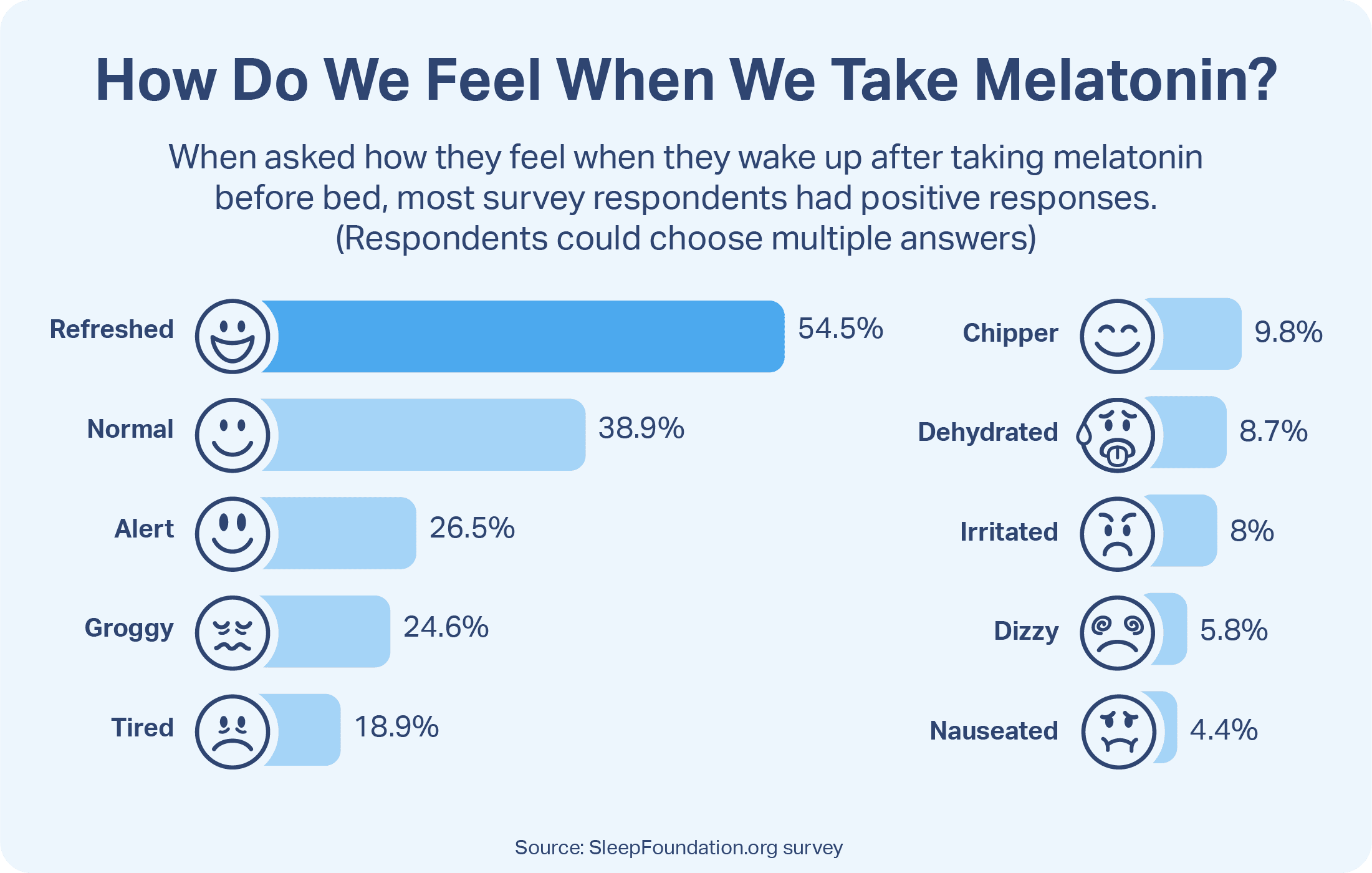
- Dizziness, drowsiness, anxiety, increased risk of accidents, and even injuries can occur when mixing melatonin and alcohol.
- Repeatedly drinking alcohol and taking melatonin supplements can lead to chronic sleep disruptions and impaired melatonin production.
Why is Mixing Melatonin and Alcohol a Problem?
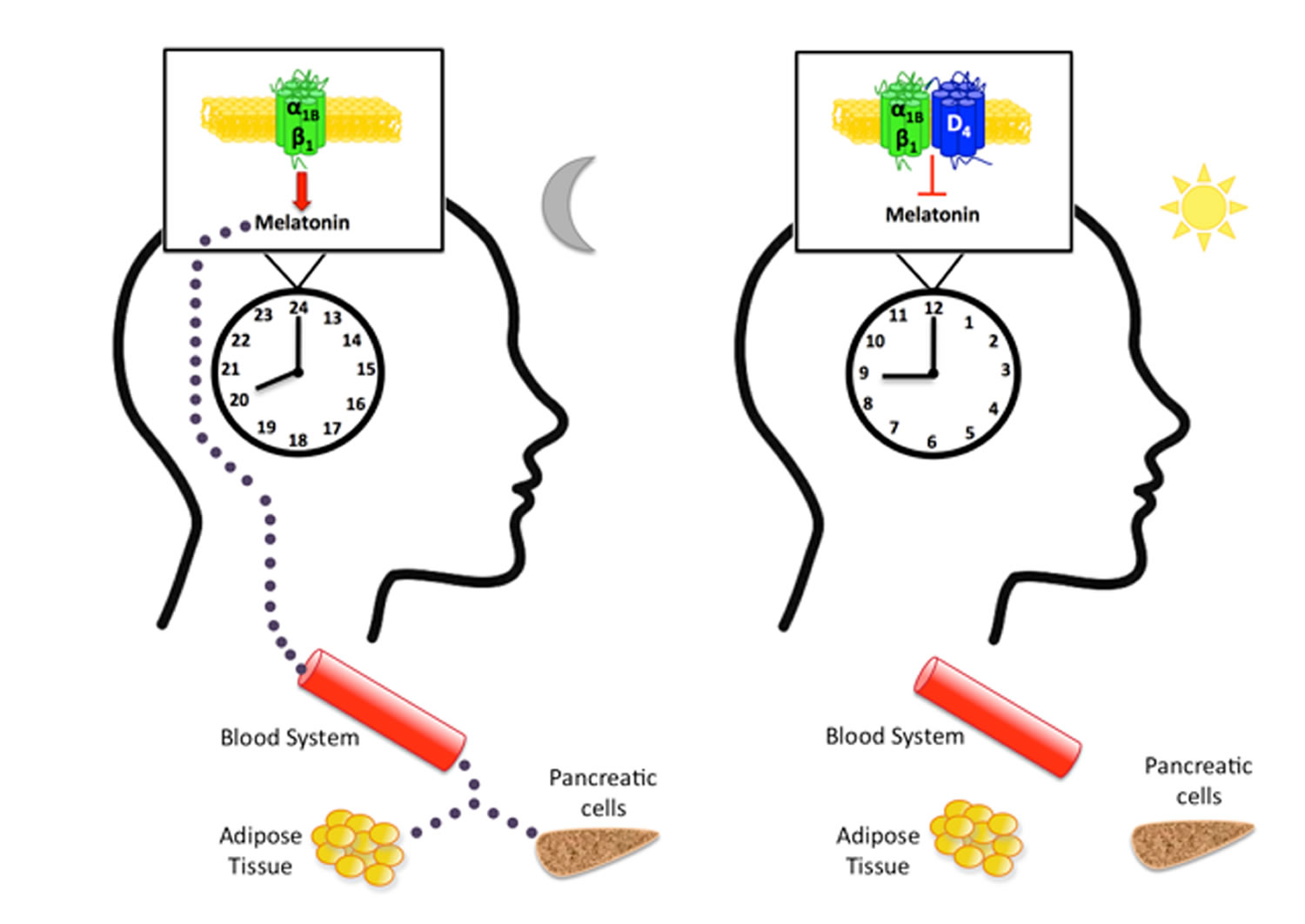
When you take melatonin supplements, you're essentially introducing an external source of melatonin into your body. This can lead to an overproduction of melatonin, which can be further amplified by consuming alcohol. As a result, the effects of melatonin and alcohol can combine in unpredictable ways, increasing the risk of adverse reactions.
Furthermore, alcohol can also interfere with the body's natural sleep cycle, reducing the quality of REM sleep. This can lead to a range of negative health implications, including disrupted sleep patterns, impaired melatonin production, and even increased risk of chronic diseases.
Best Practices for Drinking and Taking Melatonin
Considering the potential risks of mixing melatonin and alcohol, it's essential to adopt some simple best practices:

- . This allows the effects of alcohol to wear off before taking melatonin, reducing the risk of adverse interactions.
- . To minimize the risk of interactions, consider avoiding alcohol altogether while taking melatonin supplements.
Staying Safe and Respecting Melatonin's Potency
As you explore the relationship between melatonin and alcohol, it's crucial to remember that melatonin is a relatively mild and well-tolerated substance. However, combining it with strong sedatives or hypnotics offers little extra gain and more risk.
When taking melatonin supplements responsibly and safely, you can optimize their effectiveness:
- Adjust your sleep schedule to optimize your melatonin production and minimize the need for supplements.
- Opt for a melatonin supplement with a gentle, natural formula to minimize the risk of side effects.
Restoring balance to your sleep and overall health is possible by understanding the complex relationship between melatonin and alcohol. Remember to always drink responsibly and respect the potency of melatonin supplements. By doing so, you'll be better equipped to navigate the potential risks and maximize the benefits of melatonin and alcohol.
Concluding Thoughts: The Quest for Better Sleep
The relationship between melatonin and alcohol is complex, and it's essential to approach it with caution. By adopting responsible drinking habits and respecting the potency of melatonin supplements, you can optimize your sleep quality and minimize the risk of adverse interactions.
Take your first step towards better sleep tonight by prioritizing responsibility and respect when it comes to melatonin and alcohol.


:max_bytes(150000):strip_icc()/Melatonin-side-effects-7068990_txt_final-29e3d836062d4aed9a5fdaff03dfdc61.png "Melatonin and Alcohol: Effects, Safety Concerns, & Precautions")