Co-Owned Trust Agreements: A Comprehensive Guide
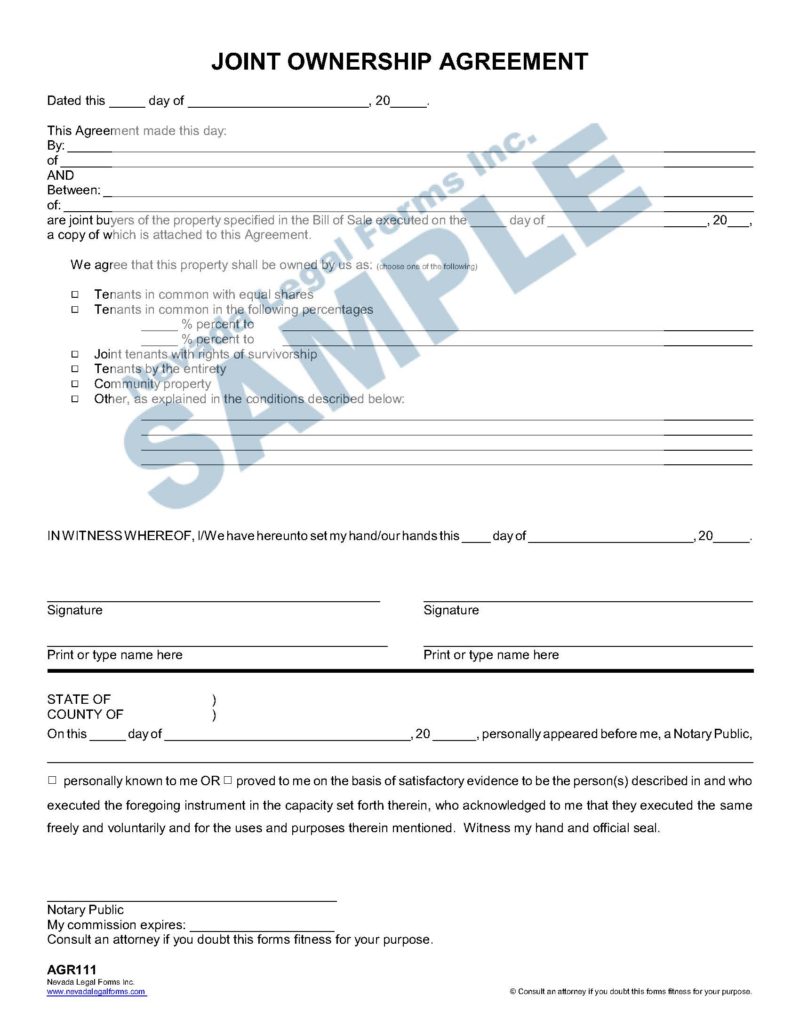
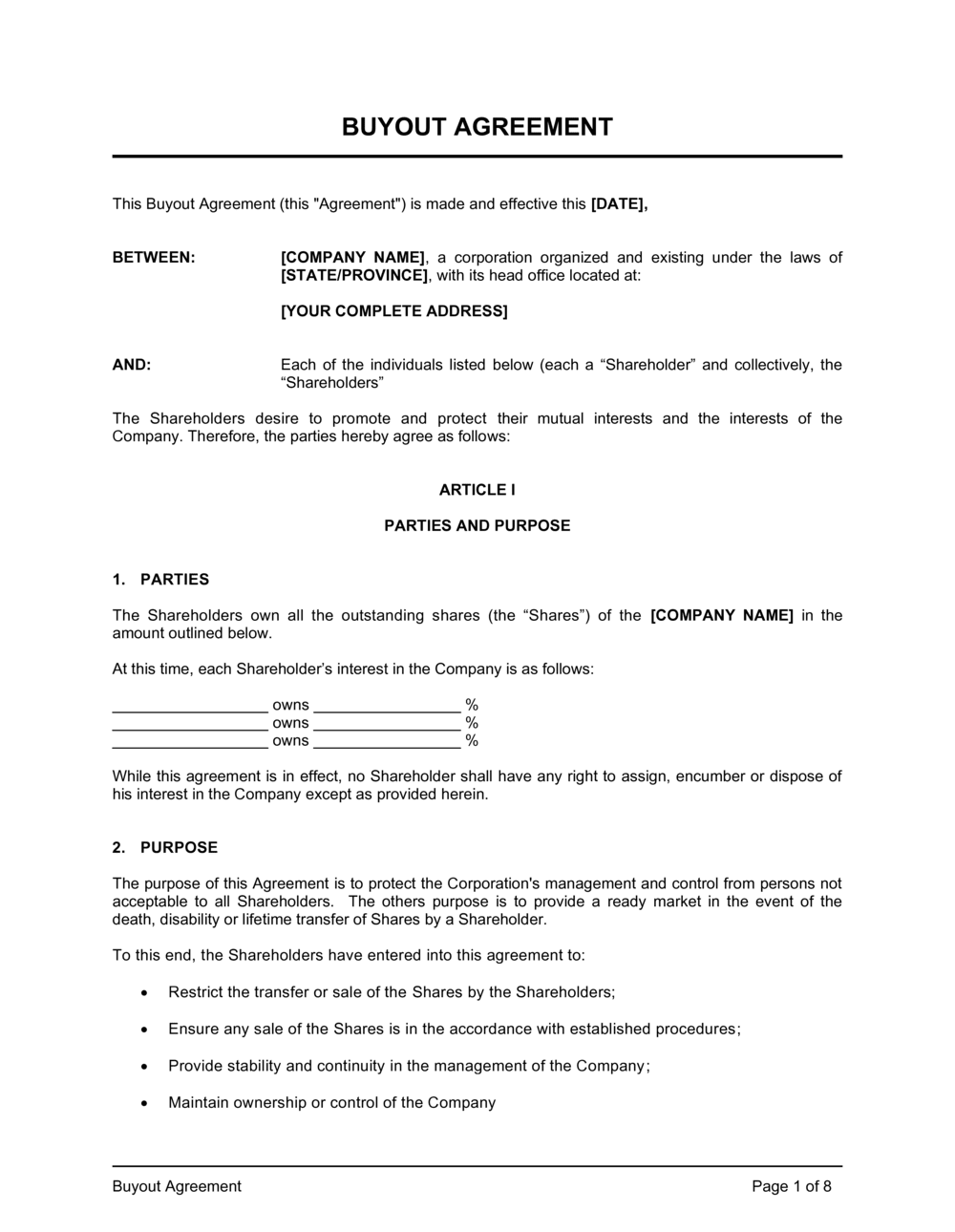
In the world of collaborative property ownership, a co-owned trust agreement (COTA) is a powerful tool that can help navigate the complexities of joint property ownership. A COTA is a legal document that outlines the terms and conditions of a property purchase by two or more people. As a collaborative approach to property ownership becomes increasingly popular, it's essential to understand the intricacies of COTA and its importance in the real estate market.
What is a Co-Owned Trust Agreement (COTA)?
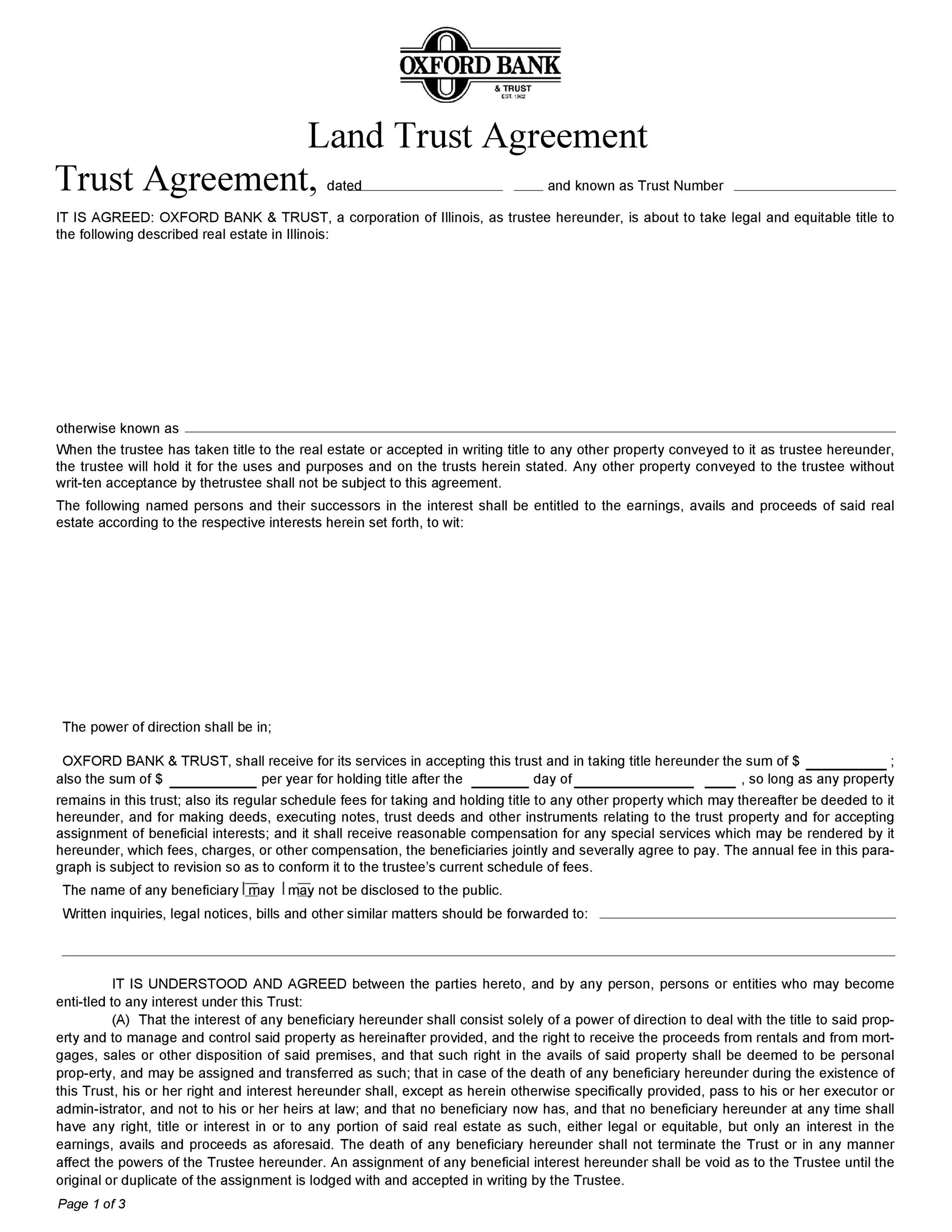
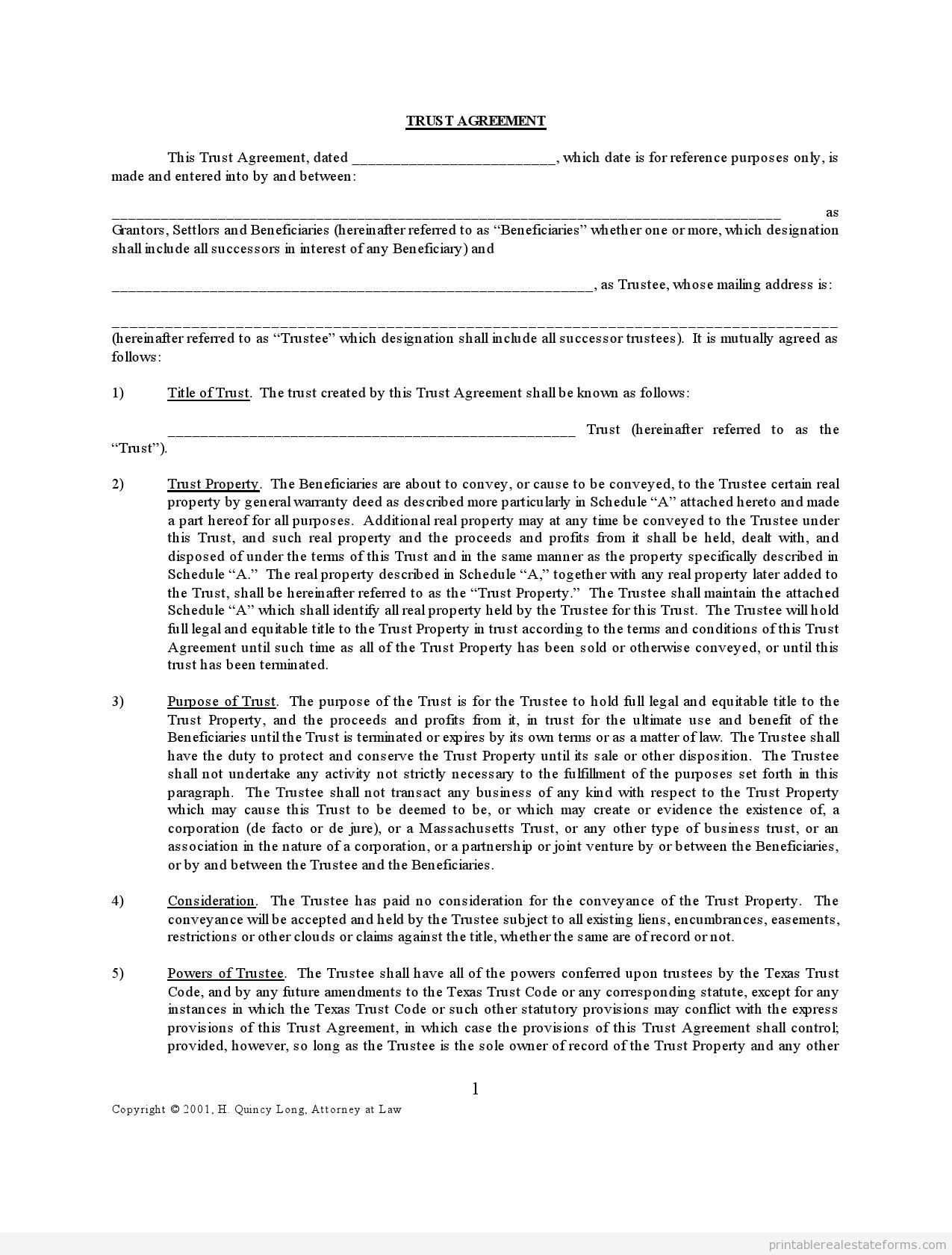
A COTA is a legal document that outlines the terms and conditions of a property purchase by two or more people. It's a vital tool that helps define the rights, obligations, and financial responsibilities of co-owners. By creating a COTA, co-owners can ensure that their individual interests are protected, and disputes are minimized. In this article, we will explore what COTA entails, its significance, and the importance of drafting a comprehensive agreement.
Why is a COTA essential in co-ownership?
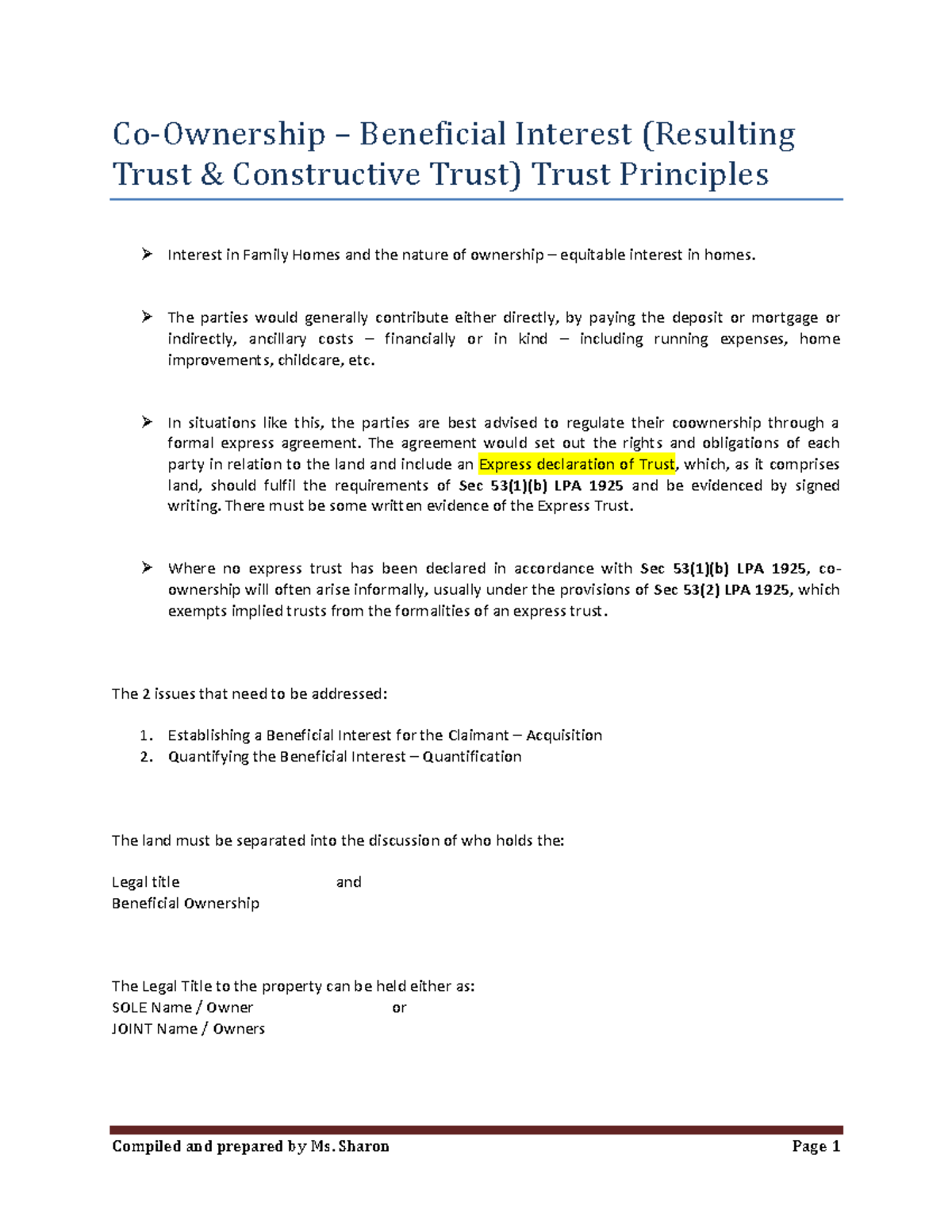
Co-ownership agreements, including COTAs, serve as a vital tool for protecting the interests of co-owners. A well-drafted COTA can prevent disputes, protect investments, and avoid litigation. When co-owners are listed on a property's title, it's essential to understand the intricacies of their rights, responsibilities, and financial obligations. A COTA helps outline these details and provides a clear understanding of the co-ownership arrangement.
Benefits of a Co-Owned Trust Agreement (COTA)
- Clarity: A COTA provides a clear understanding of the co-ownership arrangement, outlining the rights and responsibilities of co-owners.
- Protection: A well-drafted COTA protects the financial interests of co-owners and minimizes the risk of disputes.
- Efficiency: A COTA can prevent unnecessary litigation and reduce the time and cost associated with resolving disputes.
- Flexibility: A COTA can be tailored to meet the unique needs of co-owners, allowing for flexibility in resolving disputes and addressing unexpected issues.
What to include in a Co-Owned Trust Agreement (COTA)
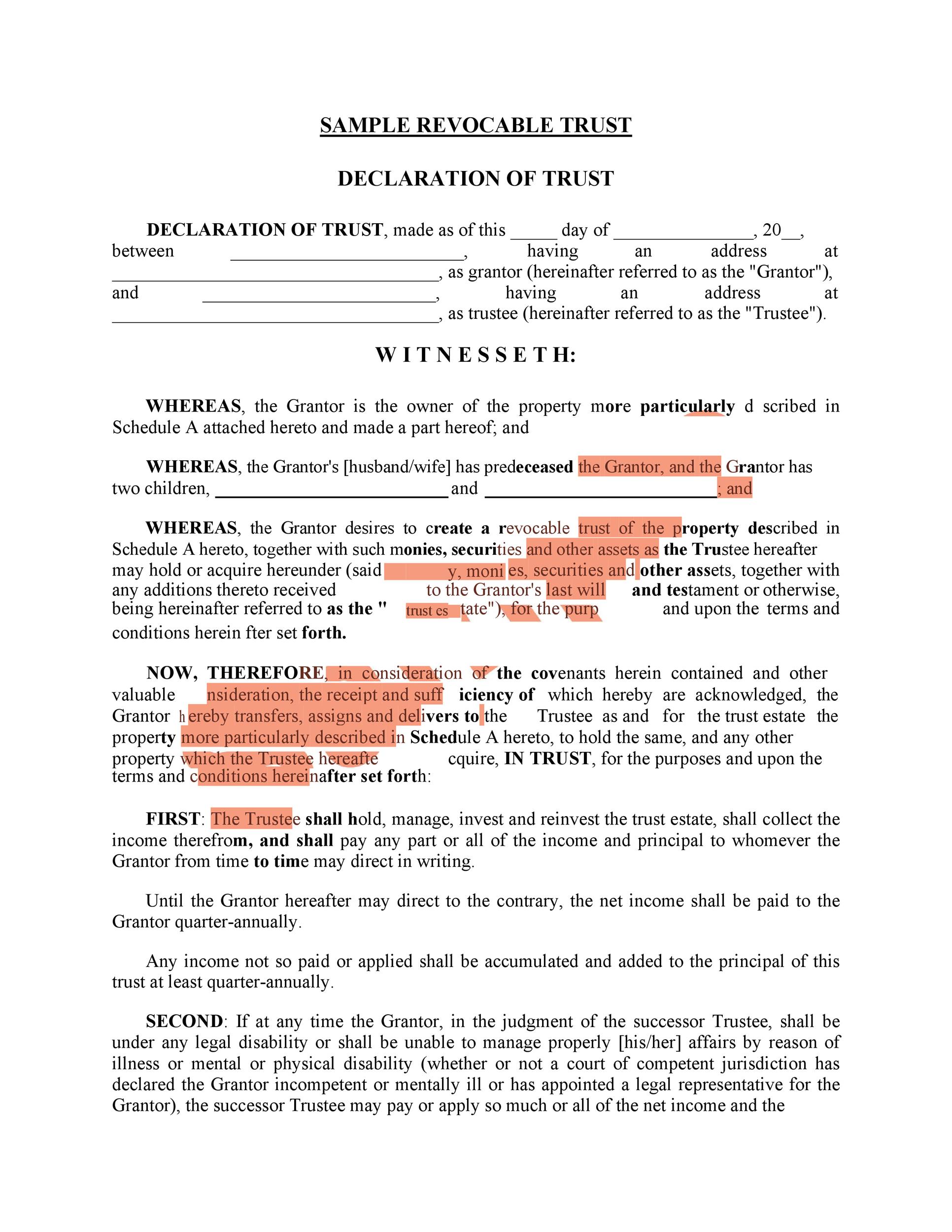
When drafting a COTA, it's essential to include specific details to ensure clarity and efficiency. These details may include:
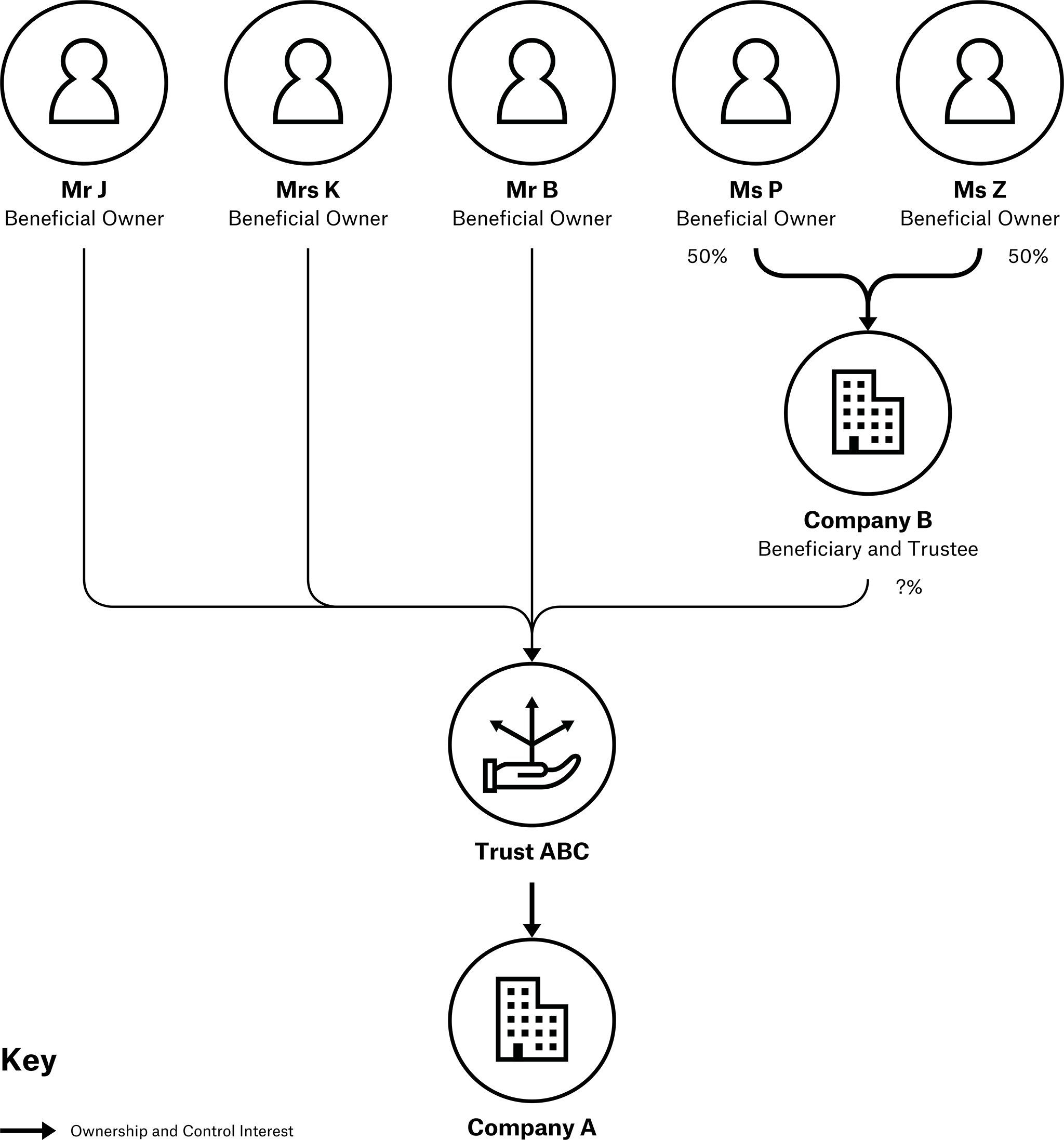
- Ownership structure: Define the ownership structure, including the percentage of ownership for each co-owner.
- Financial responsibilities: Outline financial responsibilities, such as mortgage payments, property taxes, insurance, and maintenance.
- Decision-making: Establish a protocol for decision-making, outlining how co-owners will make decisions and resolve disputes.
- Termination: Outline the terms and conditions for terminating the co-ownership arrangement.
How to draft a Co-Owned Trust Agreement (COTA)
Drafting a COTA requires a comprehensive understanding of the co-ownership arrangement and the needs of the co-owners. To create a well-drafted COTA:
- Collaborate with co-owners: Engage with co-owners to understand their individual interests and needs.
- Consult with a lawyer: Seek the expertise of a lawyer with experience in co-ownership agreements and trust law.
- Tailor the agreement: Work with co-owners and the lawyer to create a COTA that meets their unique needs and circumstances.
- Review and revise: Regularly review and revise the COTA to ensure it remains effective and responsive to the changing needs of co-owners.
Conclusion
A Co-Owned Trust Agreement (COTA) is a vital tool for navigating the complexities of joint property ownership. By understanding the significance of COTA and drafting a comprehensive agreement, co-owners can ensure clarity, protection, efficiency, and flexibility in their ownership arrangement. In conclusion, a well-drafted COTA can prevent disputes, protect investments, and avoid litigation, making it an essential document for co-owner families, friends, and partners.