How to Start an LLC: A Comprehensive Guide
If you're thinking of starting a business, one of the first decisions you'll need to make is what type of business structure to choose. A Limited Liability Company (LLC) is a popular choice among entrepreneurs, and for good reason. It offers liability protection, tax flexibility, and simplicity, making it an attractive option for small business owners.
Why Form an LLC?
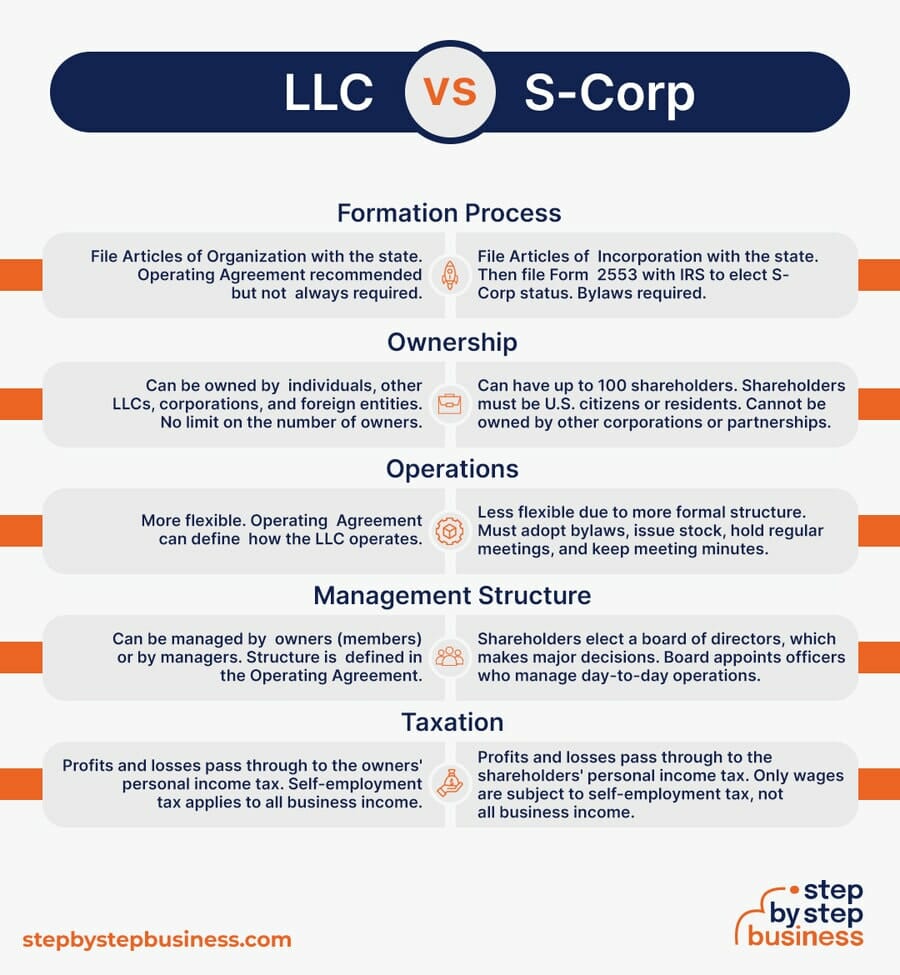
- Liability protection: An LLC protects its owners from being personally responsible for business debts and liabilities.
- Tax flexibility: LLCs can be taxed as sole proprietorships, partnerships, or corporations, giving you flexibility in how you want to be taxed.
- Simplicity: LLCs have fewer formalities and requirements than corporations, making them easier to manage.
- Creditworthiness: LLCs can help you establish credit for your business, which can be essential for securing loans and credit lines.
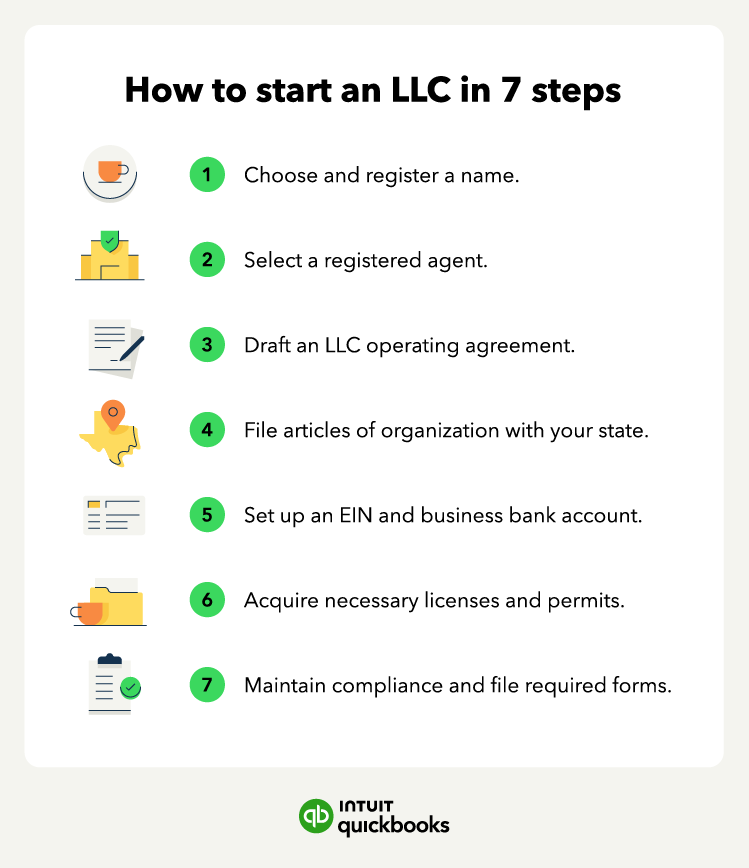
How to Start an LLC in 7 Easy Steps
Starting an LLC can seem daunting, but it's actually a straightforward process. Here are the 7 easy steps to follow:
Step 1: Choose a Business Name
Choose a name for your LLC that is unique and memorable. Make sure to check if the name is available in your state and complies with the Secretary of State's naming requirements.
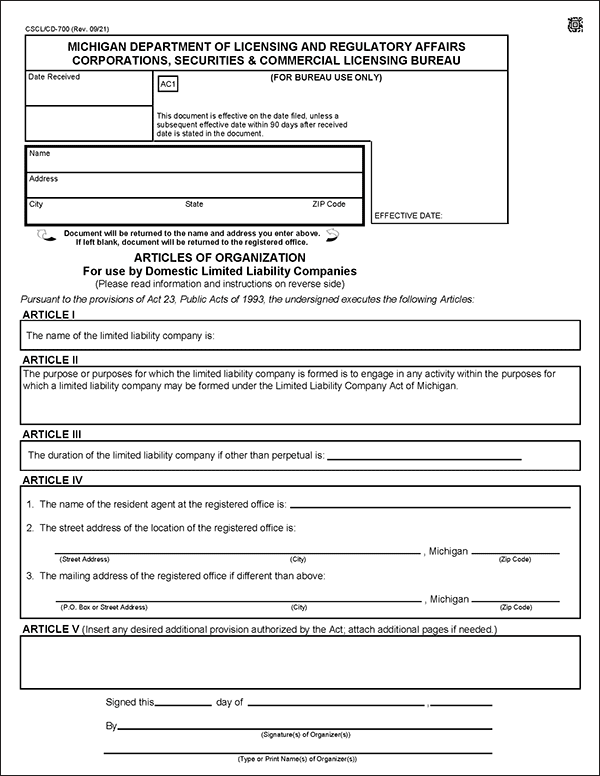
Step 2: File Articles of Organization
File your Articles of Organization with the Secretary of State's office, which will officially form your LLC. You'll need to provide basic information about your business, such as its name, address, and purpose.
Step 3: Create an Operating Agreement
Develop an operating agreement that outlines the ownership structure, management, and operations of your LLC. This document is not required by law, but it's highly recommended to avoid potential conflicts and disputes.
Step 4: Obtain an EIN
Apply for an Employer Identification Number (EIN) from the IRS, which is required for tax purposes. Your EIN will be used to open business bank accounts, hire employees, and file taxes.
Step 5: Register for State and Local Taxes

Register your LLC for state and local taxes, such as sales tax, payroll tax, and business licenses.
Step 6: Open a Business Bank Account
Open a business bank account to separate your personal and business finances. This will help you maintain a professional image and simplify tax compliance.
Step 7: Obtain Any Necessary Licenses and Permits
Check with your state and local government to see if your LLC requires any licenses or permits to operate.
Additional Requirements
While the 7 steps above provide a general outline, there are additional requirements to consider, such as:
- Annual report filings: Many states require LLCs to file an annual report, which can include updated business information and fees.
- Tax obligations: Your LLC will need to file tax returns and pay taxes on its income.
- Compliance with industry regulations: Depending on your industry, your LLC may need to comply with specific regulations and laws.
Conclusion
Starting an LLC can seem intimidating, but it's a relatively straightforward process. By following these 7 easy steps and considering additional requirements, you'll be well on your way to establishing a successful and compliant LLC.
Additional Resources
For more information on how to start an LLC, check out these additional resources:
- IRS Website: www.irs.gov
- Secretary of State Website: www.sos.state.xx.us
- Small Business Administration Website: www.sba.gov