How to Protect Your House from Flooding: A Comprehensive Guide
Flooding can happen anywhere, at any time, and it's essential to take proactive steps to protect your house from the devastating effects of floodwater. While you can't prevent a natural disaster from happening, there are ways to secure your property to minimize damage and keep your home and your future safe.Determine the Base Flood Elevation (BFE) for Your Home
The first step in protecting your house from flooding is to determine the Base Flood Elevation (BFE) for your home. The BFE is the height to which water is expected to rise during flooding in high-risk areas. Knowing the BFE will help you understand the flood risk in your area and take necessary precautions to protect your home.Prepare Your Home for Flooding
Preparing your home for flooding involves taking several steps, including: *Sealing Entry Points
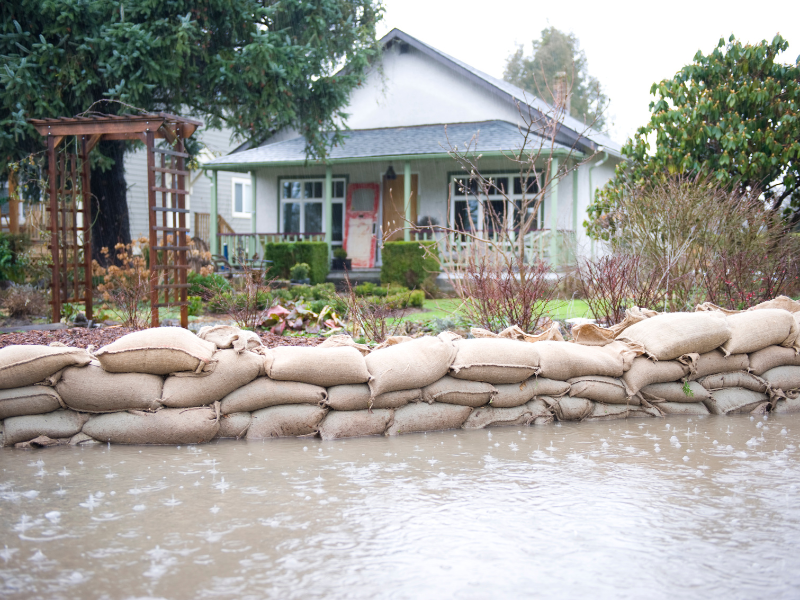
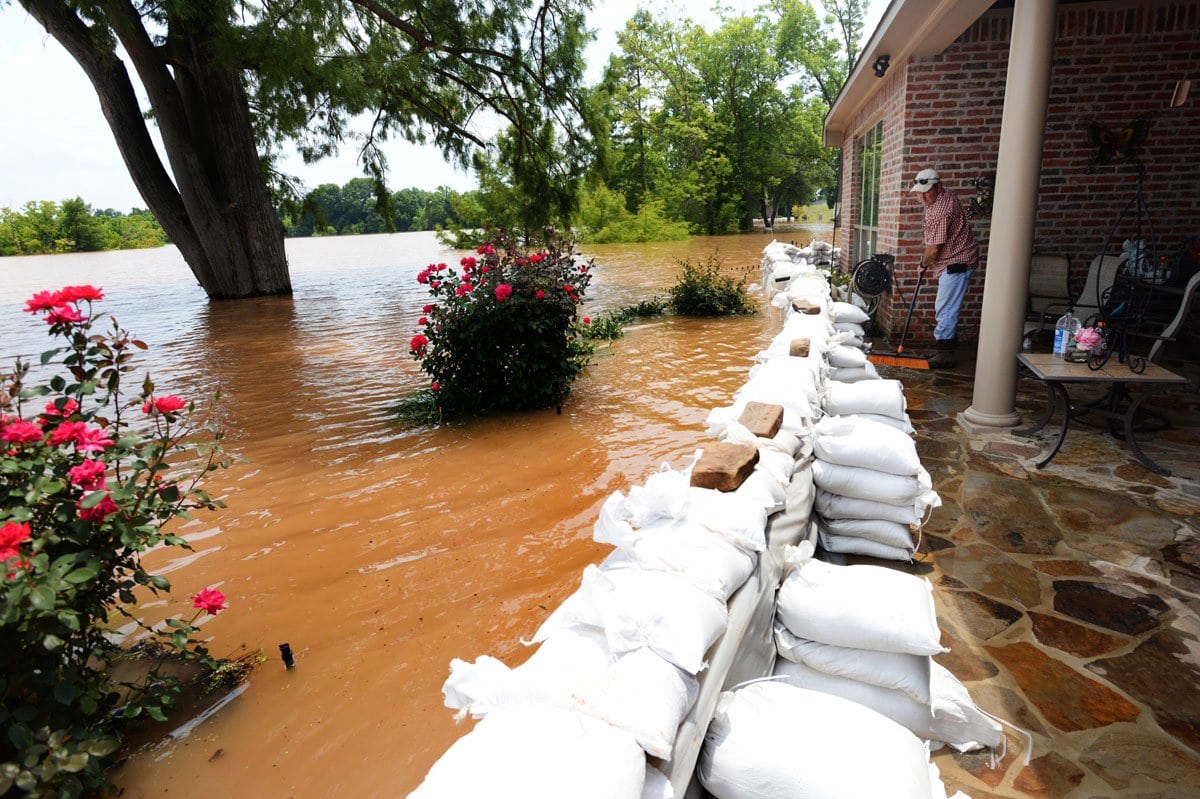
Floodwater can enter your home through various entry points, including doors, windows, and vents. Seal these openings with caulk, weatherstripping, or flood-proof barriers to prevent water from entering your home. *Protecting Electrical Outlets and Switches
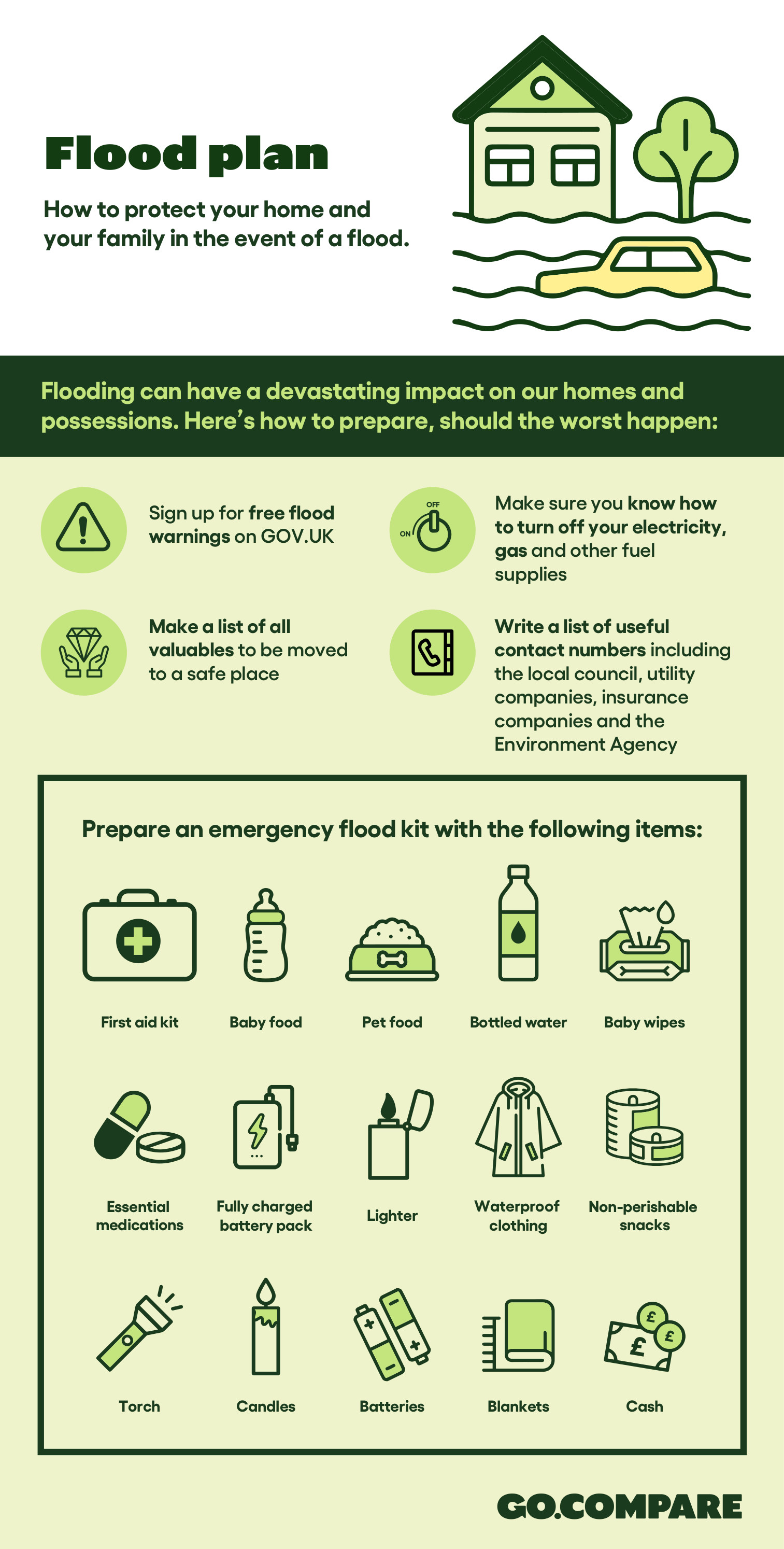
Electrical outlets and switches can be vulnerable to water damage during flooding. Protect them with plastic bags or cover them with electrical tape to prevent short circuits. *Moving Valuables to Higher Ground
Move valuable items, such as important documents, electronics, and furniture, to higher ground to prevent water damage.Upgrade Your Home to Reduce Flood Damage
Upgrading your home can help reduce the risk of flood damage. Consider the following upgrades: *Installing a Sump Pump
A sump pump can help remove water that accumulates in your basement or crawlspace, reducing the risk of flood damage. *Installing Flood-Resistant Materials