Mastering the Art of Soldering: A Comprehensive Guide
Solderingis a fundamental process used to join two or more metal surfaces together using a filler metal called solder. By understanding the basics and techniques ofsoldering, you'll be able to repair and assemble various electronic components, gadgets, and machinery with ease.
The History of Soldering
Did you know that the first electric-powered solderingiron was developed in 1896 by Richard Schneider and August Tinnerhol? This groundbreaking invention made it possible to heat metal surfaces quickly and efficiently, revolutionizing the way we join metals together. Today, solderingis a widely used process in various industries, including electronics, metalworking, and plumbing.
Types of Soldering
- Lead-free Soldering: This type of soldering uses a filler metal that does not contain lead, making it safer for use in electronics and other applications. Lead-free soldering is an essential process in modern electronics manufacturing.
- Leaded Soldering: While leaded soldering is still used in some applications, it is being phased out due to the health risks associated with lead exposure.
The Soldering Process
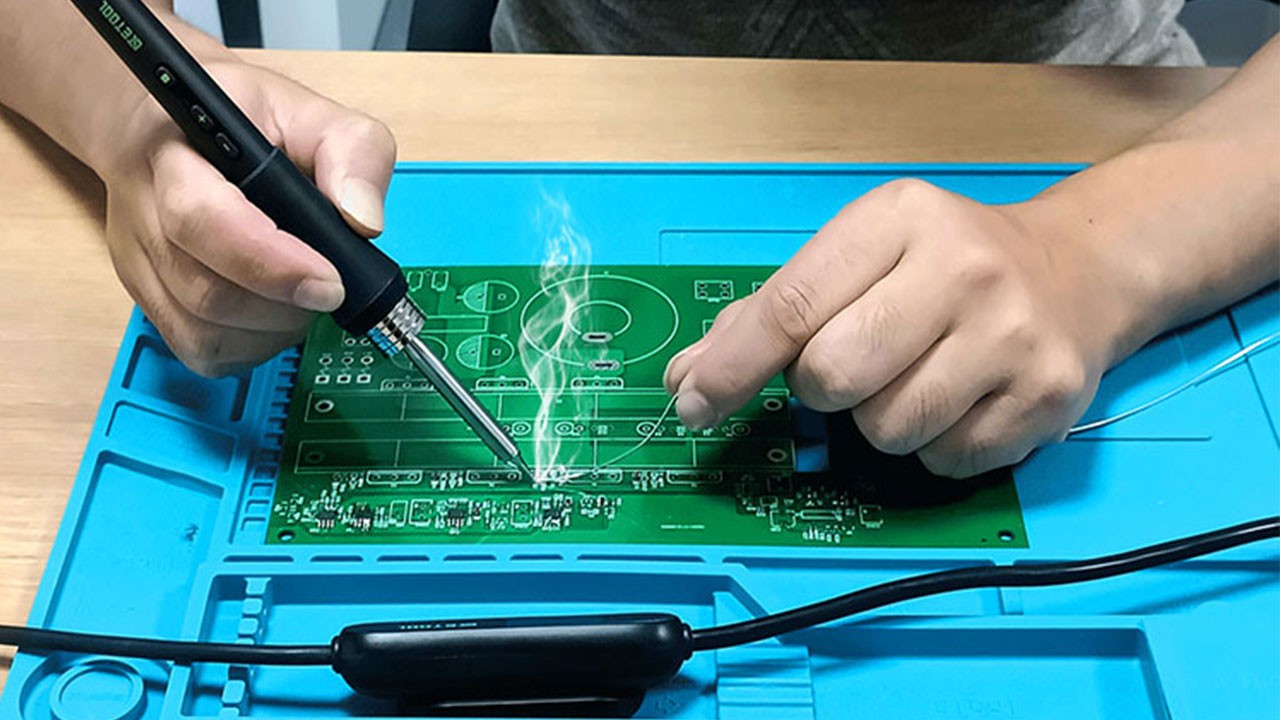
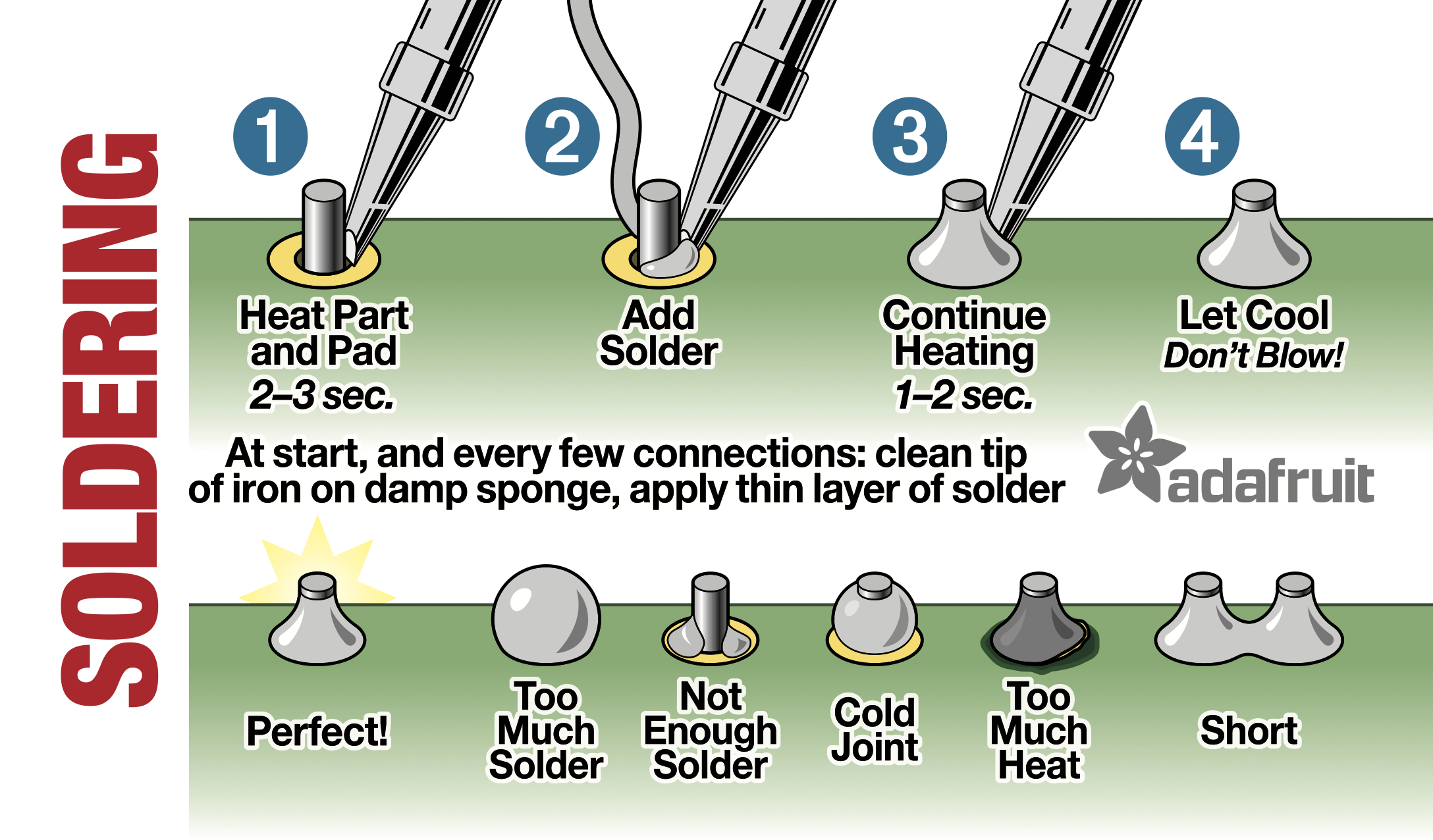
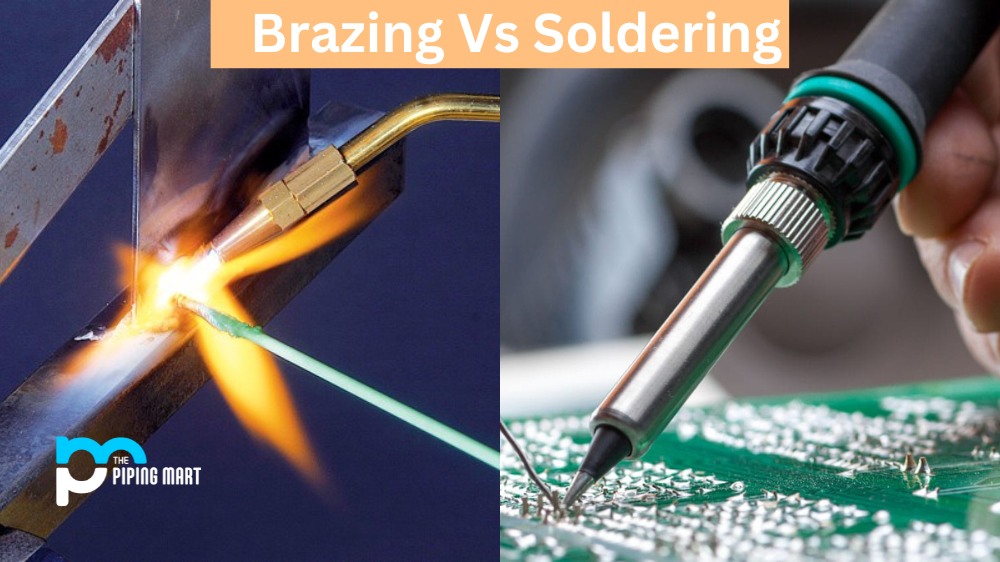
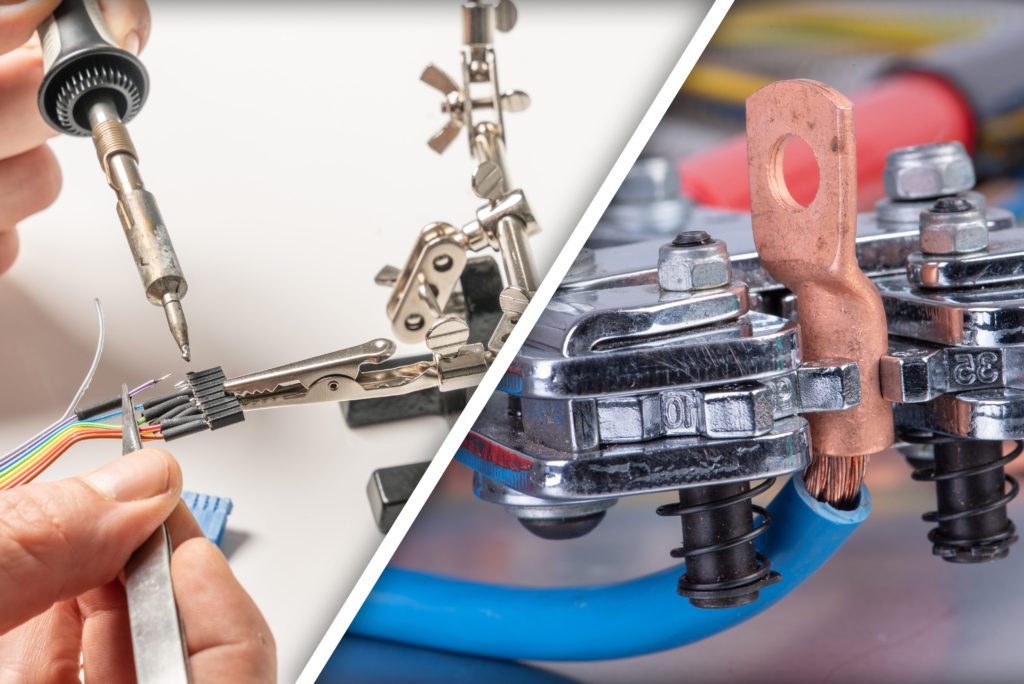
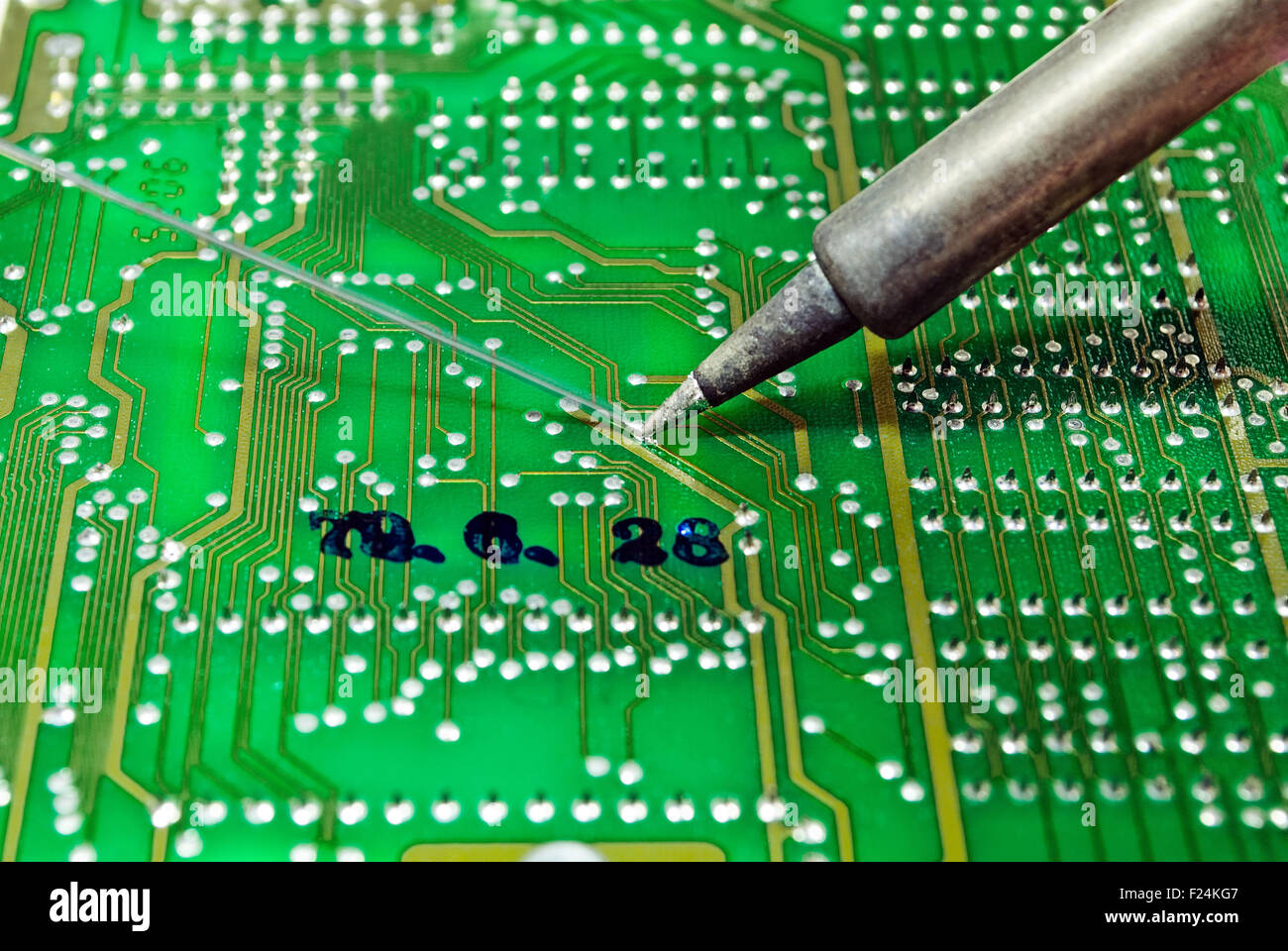
Soldering involves the use of a solderingiron, which is heated to a high temperature to melt the solder. The solder, with a relatively low melting point, flows into the gap between the two metal surfaces and cools, creating a strong and durable joint.
Essential Soldering Tools
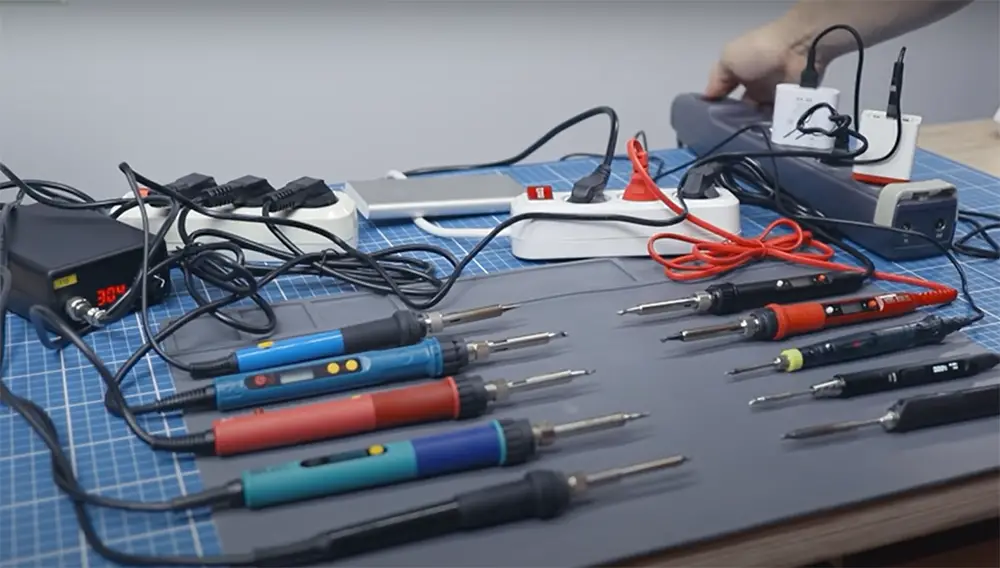
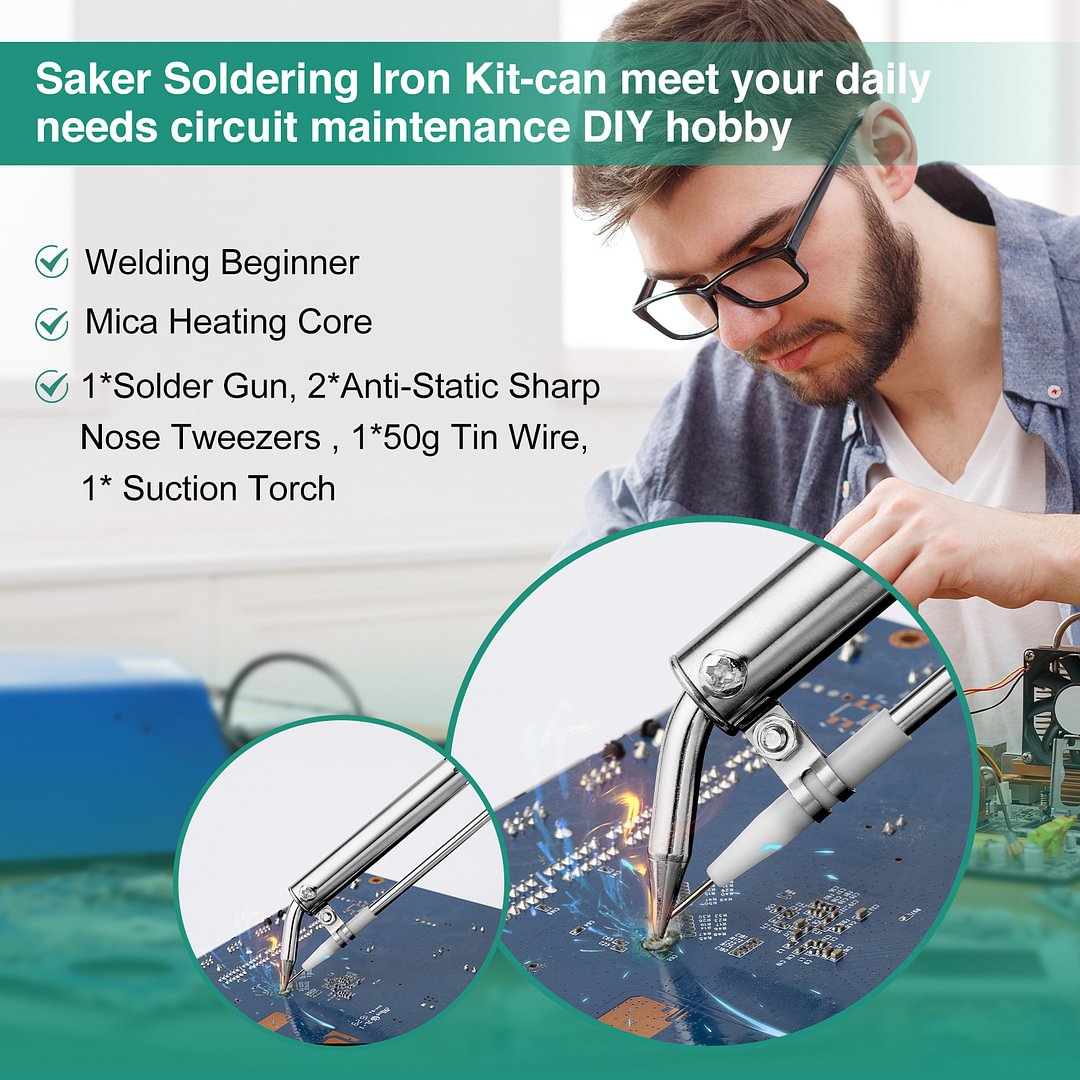
- Solderingiron: This is the primary tool used in soldering, with various types of irons available, including temperature-controlled irons and solderingguns.
- Solder: The filler metal used in soldering, available in different types, including lead-free and leaded solders.
- Flux: A substance applied to the metal surfaces to help the solder flow smoothly and prevent oxidation.
Benefits of Soldering
Soldering offers numerous benefits, including:
- Strong and Durable Joints: Soldering creates a robust and long-lasting joint, ideal for heavy-duty applications.
- Easy to Use: Soldering is a relatively simple process that requires minimal equipment and expertise.
- Cost-Effective: Soldering is often a more cost-effective solution compared to other joining methods.
Common Applications of Soldering
Soldering is used in various industries, including:
- Electronics: Soldering is crucial in electronics manufacturing, enabling the assembly and repair of electronic components.
- Metalworking: Soldering is used in metalworking to join metal parts together.
- Plumbing: Soldering is used to join copper pipes and fittings in plumbing systems.
Best Soldering Techniques for Beginners
If you're new to soldering, here are some essential techniques to get you started:
- Use the right solderingiron: Choose a temperature-controlled iron for precision and control.
- Use the right solder: Select a lead-free solder for modern electronics and other applications.
- Apply flux correctly: Apply flux to the metal surfaces to ensure smooth solder flow.
Conclusion
Solderingis a fundamental process that requires practice and patience to master. By understanding the basics and techniques of soldering, you'll be able to repair and assemble various electronic components, gadgets, and machinery with ease. Whether you're a DIY enthusiast, an electronics hobbyist, or a professional, solderingis an essential skill to possess.