How to Prevent Identity Theft from Cybercrime
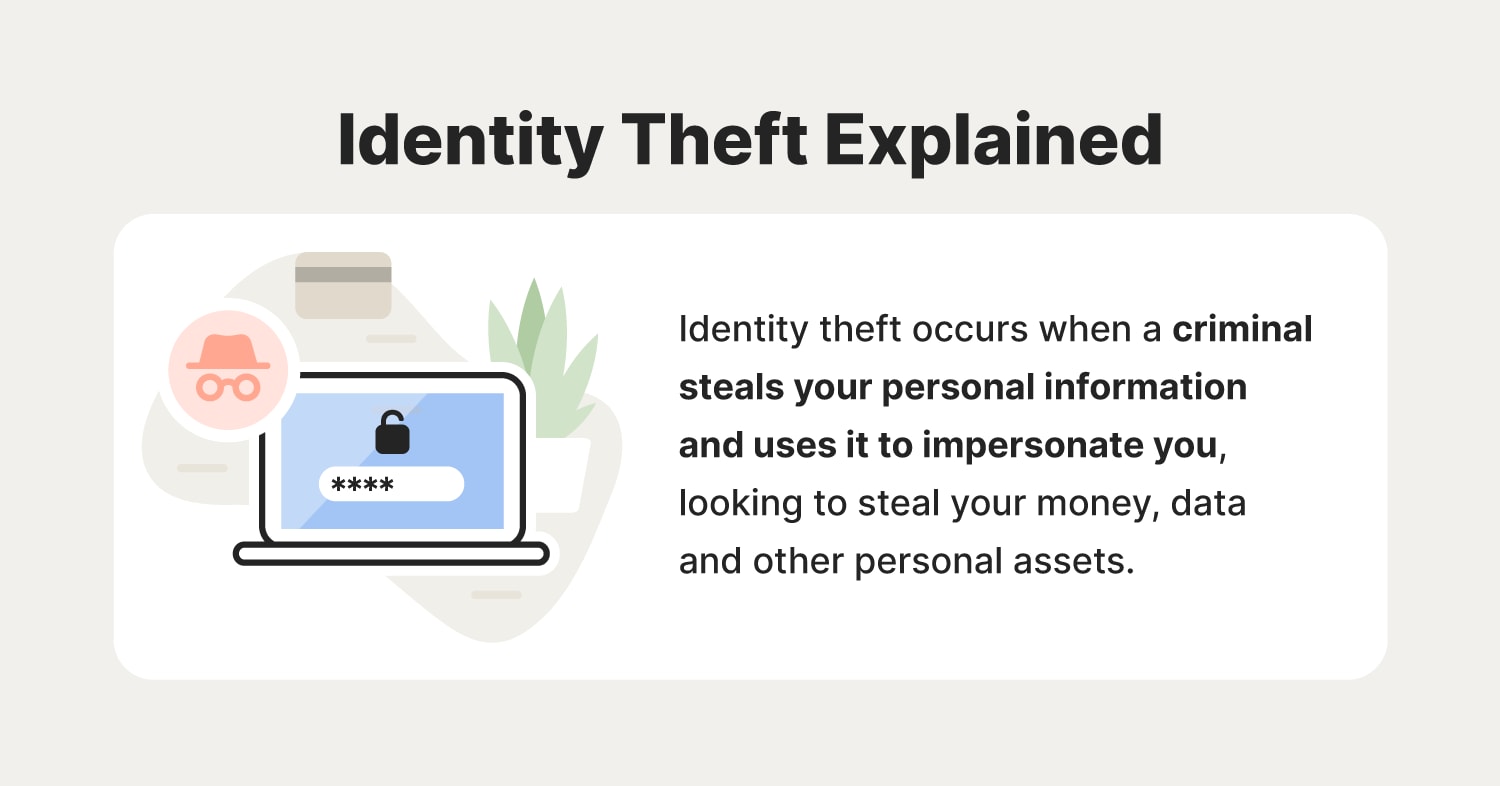
Identity theft is a pervasive threat in today's digital landscape, with cybercriminals using various tactics to steal sensitive information and compromise personal and financial data. However, by taking proactive steps to secure your devices and personal data, you can significantly reduce the risk of falling victim to identity theft. In this article, we will explore the essential tips and strategies for preventing identity theft from cybercrime.
Understanding the Risks of Identity Theft
Identity theft can have severe consequences, including financial loss, reputational damage, and emotional distress. Cybercriminals may steal sensitive information such as Social Security numbers, credit card numbers, passwords, and personal identifiers, which can be used to commit various types of fraud. It is essential to be aware of the different types of identity theft and take necessary precautions to protect yourself.
Common Types of Identity Theft
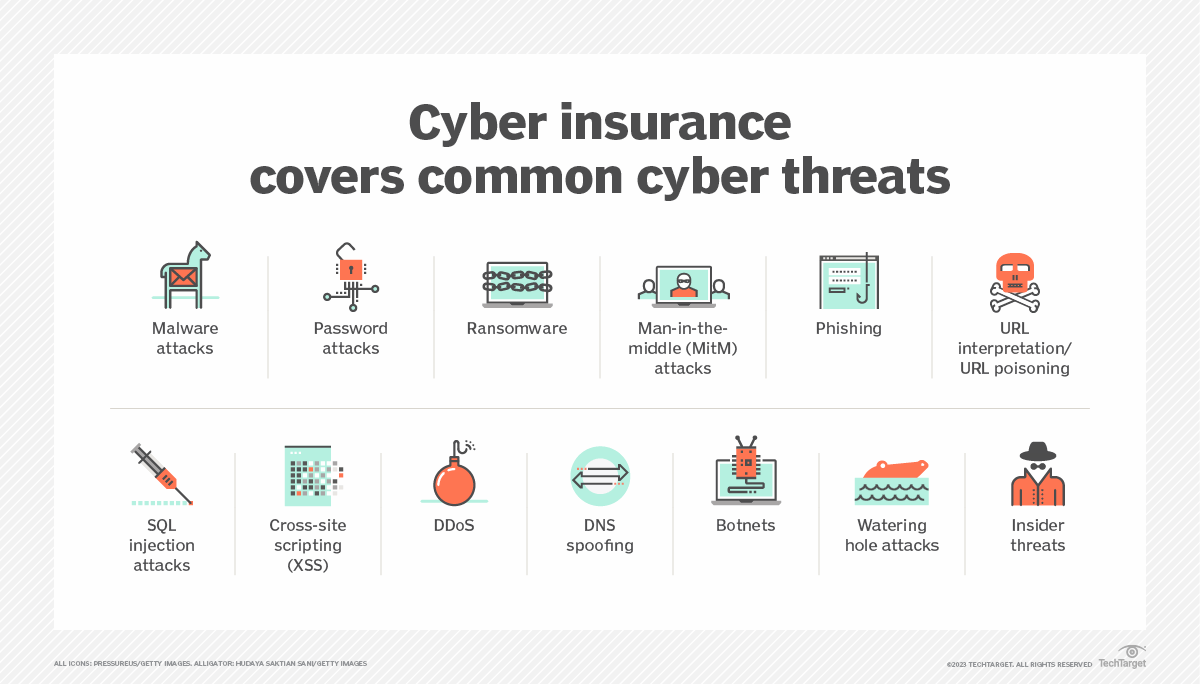
- Phishing attacks: Scammers use email or text messages to trick victims into revealing sensitive information.
- Malware: Malicious software can be installed on devices to steal sensitive information or take control of the device.
- Denial of Service (DoS) attacks: Overwhelming a device or network with traffic to render it unavailable.
- AI-powered scams: Scammers use artificial intelligence to create sophisticated scams.
- Deepfake social engineering: Scammers use AI-generated content to create convincing social engineering attacks.
- API abuse: Scammers exploit vulnerabilities in application programming interfaces (APIs) to gain unauthorized access to sensitive information.
How to Prevent Identity Theft from Cybercrime
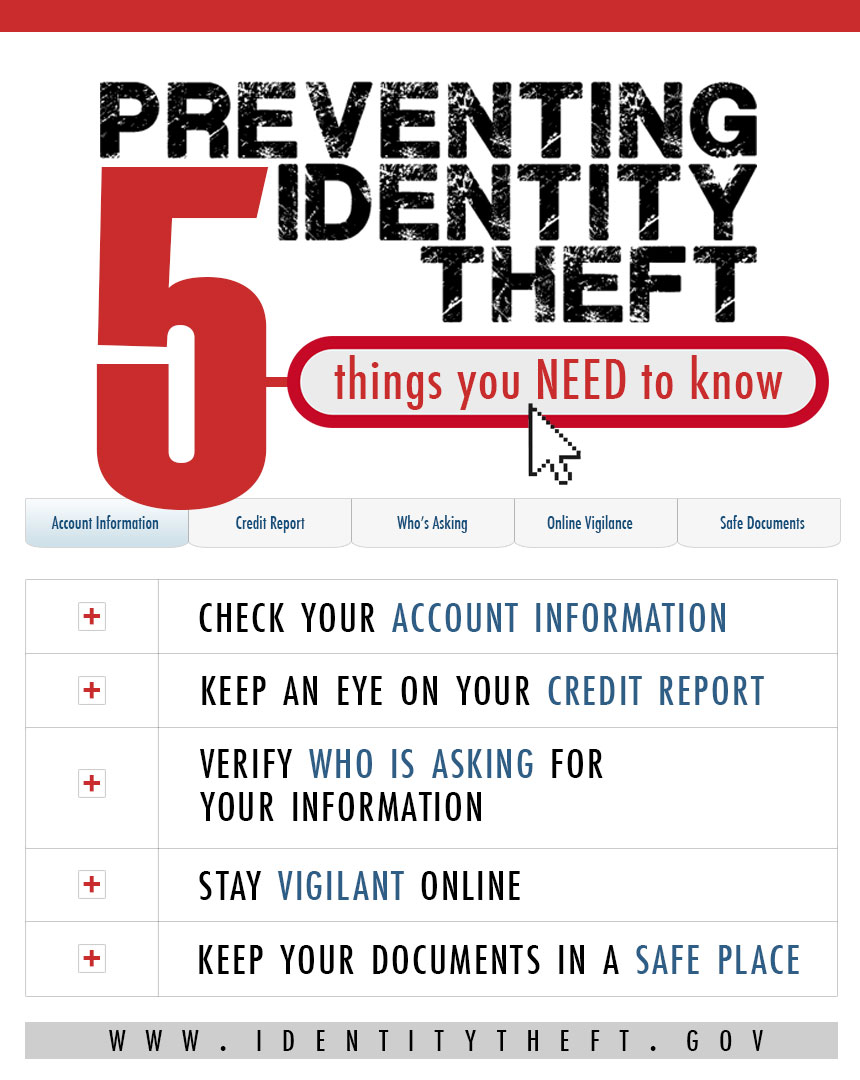
Preventing identity theft from cybercrime requires a combination of awareness, vigilance, and proactive steps. Here are some essential tips to help you safeguard your personal and financial data:
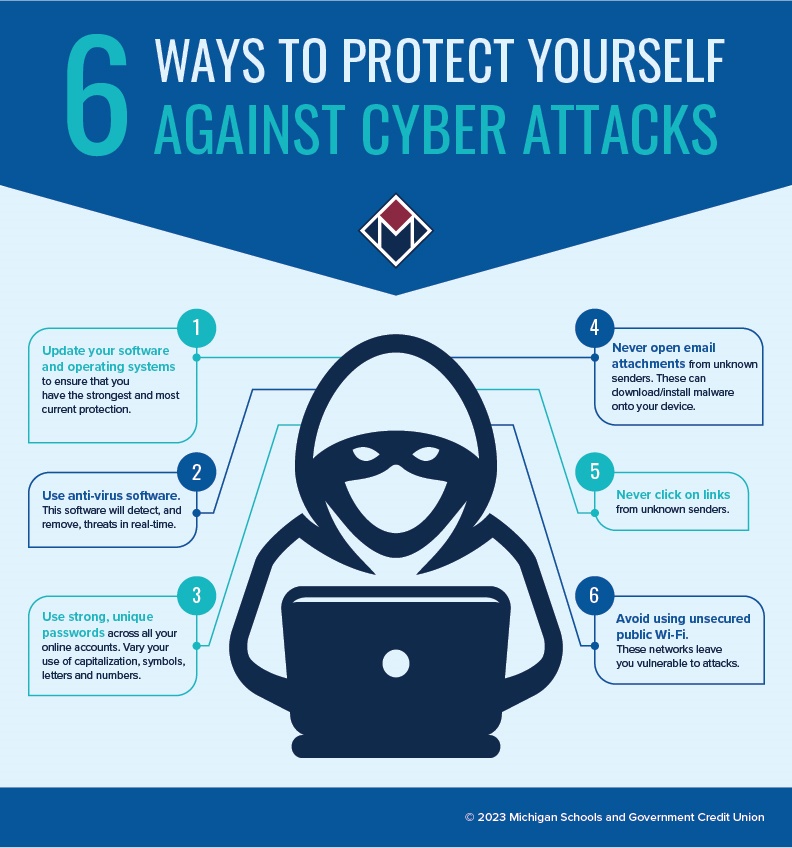
- Use strong and unique passwords: Choose complex passwords and avoid using the same password across multiple websites.
- Enable two-factor authentication (2FA): Add an extra layer of security to your online accounts by requiring a second form of verification.
- Keep your devices and software up-to-date: Regularly update your operating system, browser, and other software to ensure you have the latest security patches.
- Be cautious with links and attachments: Avoid clicking on suspicious links or opening attachments from unknown sources, as they may contain malware or phishing scams.
- Monitor your financial statements and credit reports: Regularly review your bank statements, credit card statements, and credit reports to detect any suspicious activity.
- Use antivirus software and a firewall: Install reputable antivirus software and enable the firewall on your device to prevent malware and unauthorized access.
- Back up your data: Regularly back up your important files to a secure location, such as an external hard drive or cloud storage.
- Use a virtual private network (VPN): Activate a VPN when using public Wi-Fi networks to encrypt your internet traffic and protect your data from interception.
- Stay informed about cyber threats: Stay up-to-date with the latest cyber threats and best practices for preventing identity theft.
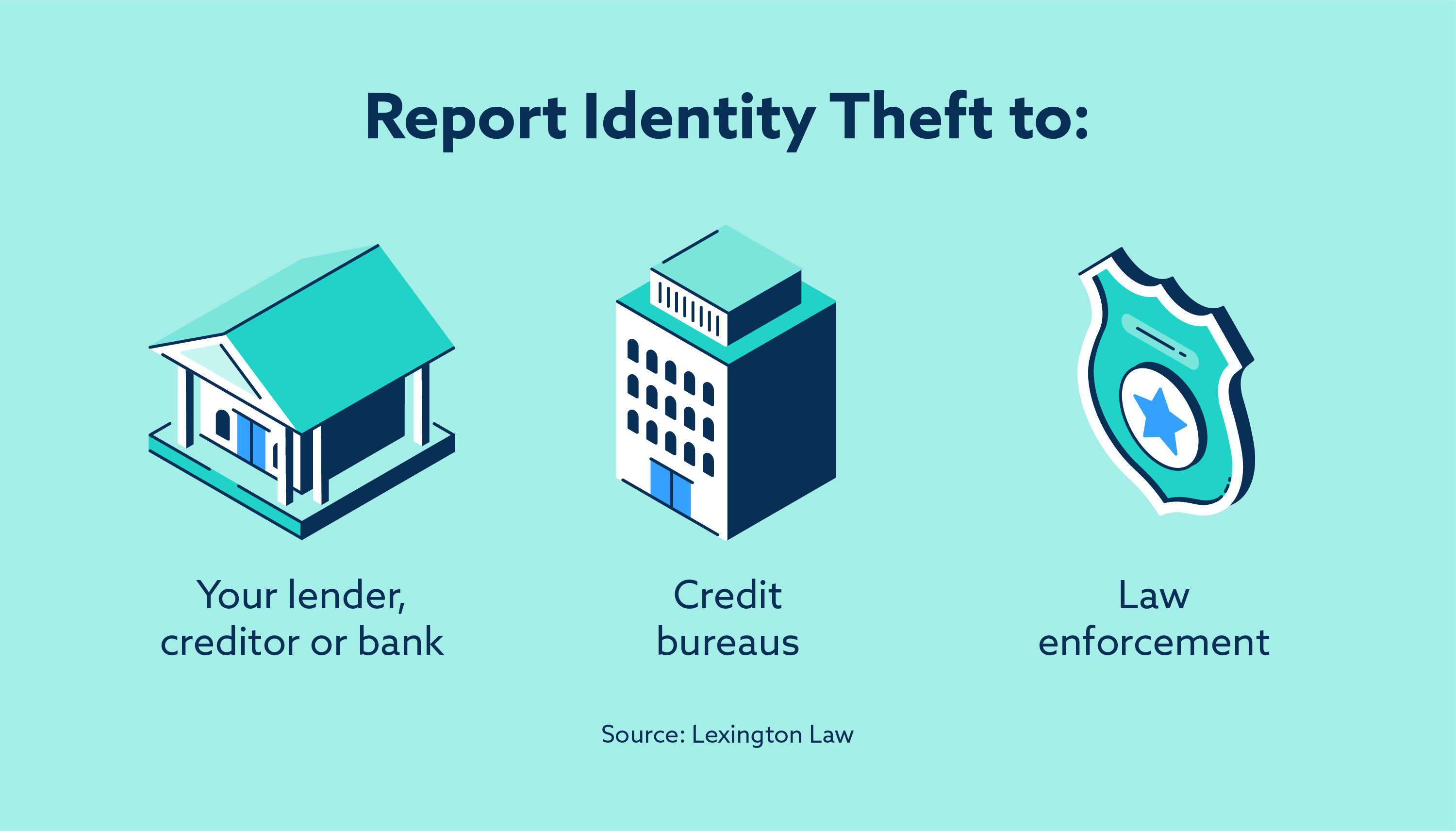
- Report suspicious activity: If you suspect that your identity has been stolen, report it to the relevant authorities and take immediate action to recover your data.
Conclusion
Preventing identity theft from cybercrime requires a proactive approach to securing your devices and personal data. By following the tips and strategies outlined in this article, you can significantly reduce the risk of falling victim to identity theft. It is essential to stay informed about the latest cyber threats and best practices for preventing identity theft. Remember, identity theft can have severe consequences, so take action today to safeguard your personal and financial data.


![How to Prevent Identity Theft With 20 Essential Steps [Updated 2026]](https://safespace.qa/sites/default/files/2020-06/ARTPV0041_Img_How-to-Prevent-Identity-Theft_V2%20-%20en.jpg "How to Prevent Identity Theft With 20 Essential Steps [Updated 2026]")