Getting Rid of Bed Bugs in Winter: A Comprehensive Guide
Understanding Bed Bugs in Winter
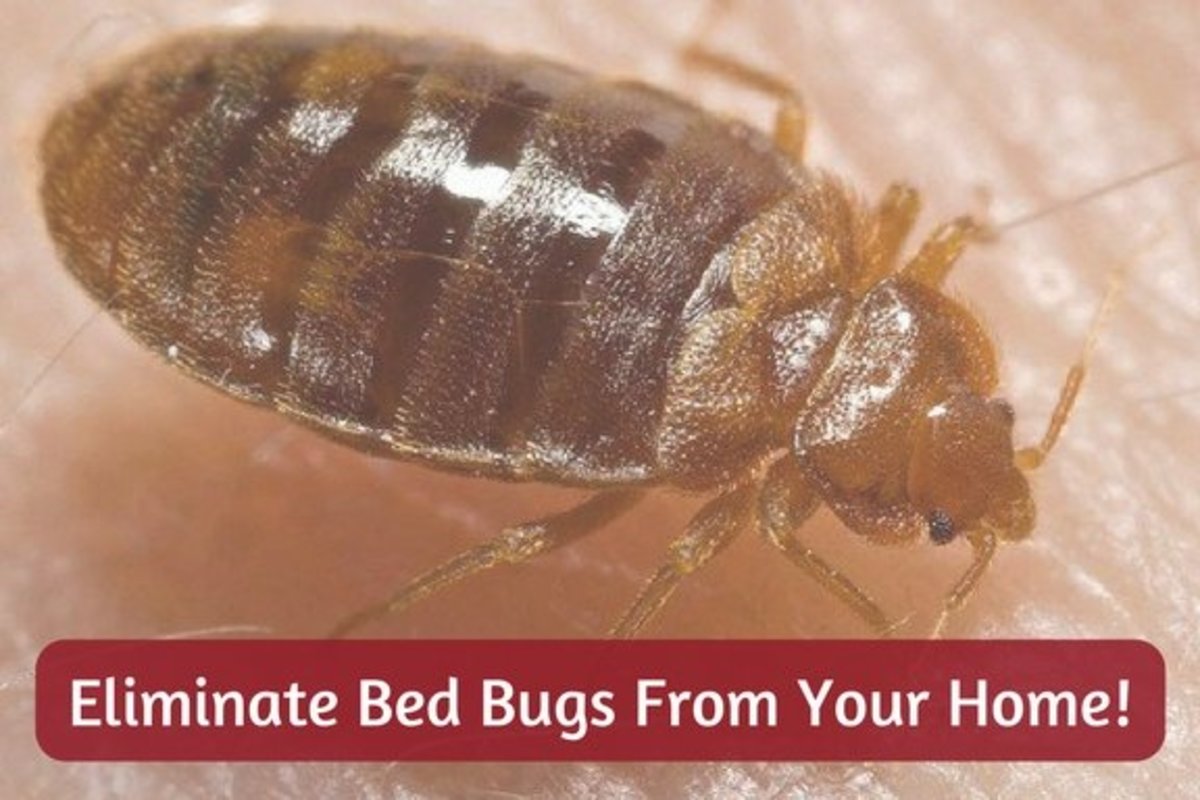
As the temperatures drop, many of us breathe a sigh of relief, thinking that bed bugs will disappear along with the warmer months. Unfortunately, this is not the case. Bed bugs are a year-round problem, and winter is no exception. In fact, the colder weather can actually make it more challenging to get rid of these pesky pests. So, how do you get rid of bed bugs in winter? In this article, we'll walk you through what bed bugs do in winter, what signs to watch for, why your past treatments may not have worked, and what actually gets rid of bed bugs for good.
The Challenges of Getting Rid of Bed Bugs in Winter
Bed bugs are notorious for their ability to survive in a wide range of temperatures, from freezing cold to sweltering heat. In winter, they can hibernate in cracks and crevices, making them difficult to detect. Furthermore, the dry air of winter can make it harder for bed bug treatments to work effectively.
Signs of Bed Bugs in Winter
- Small, red or brown spots or bloodstains on sheets, pillowcases, and walls
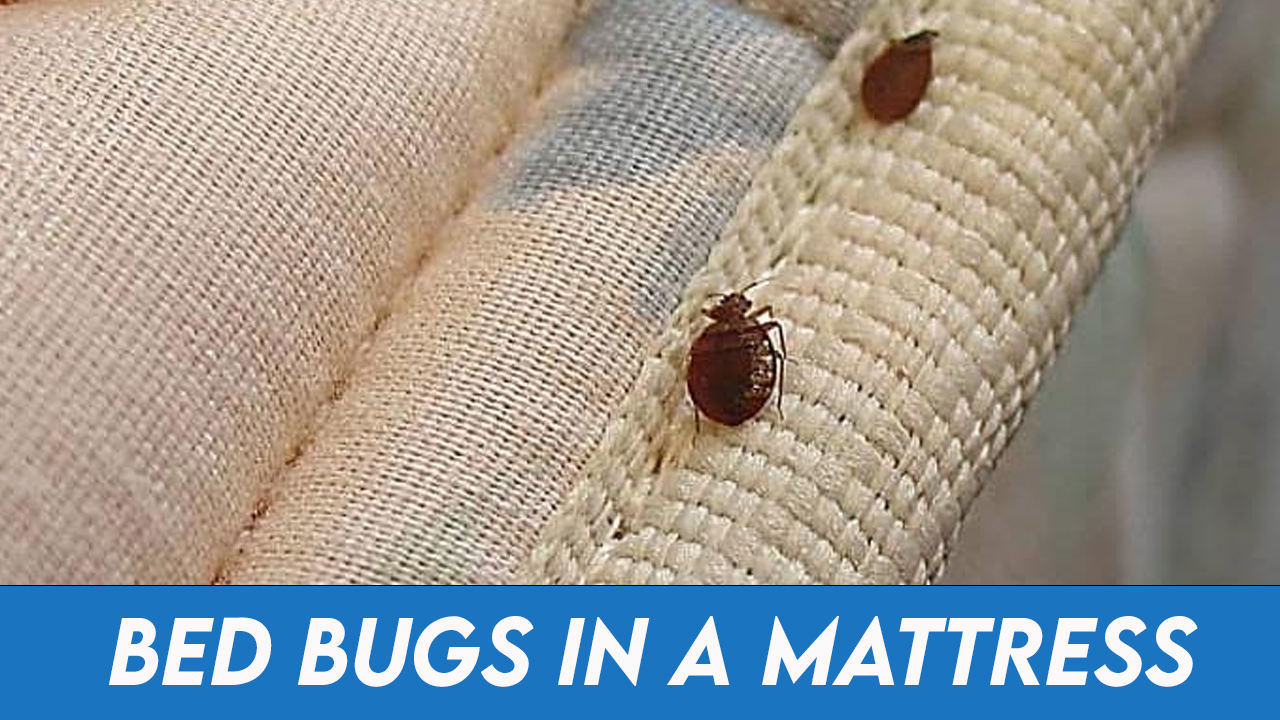
- Live bed bugs or eggs in mattress seams, box springs, or crevices in bed frames
- A musty or sweet odor in areas where bed bugs are present
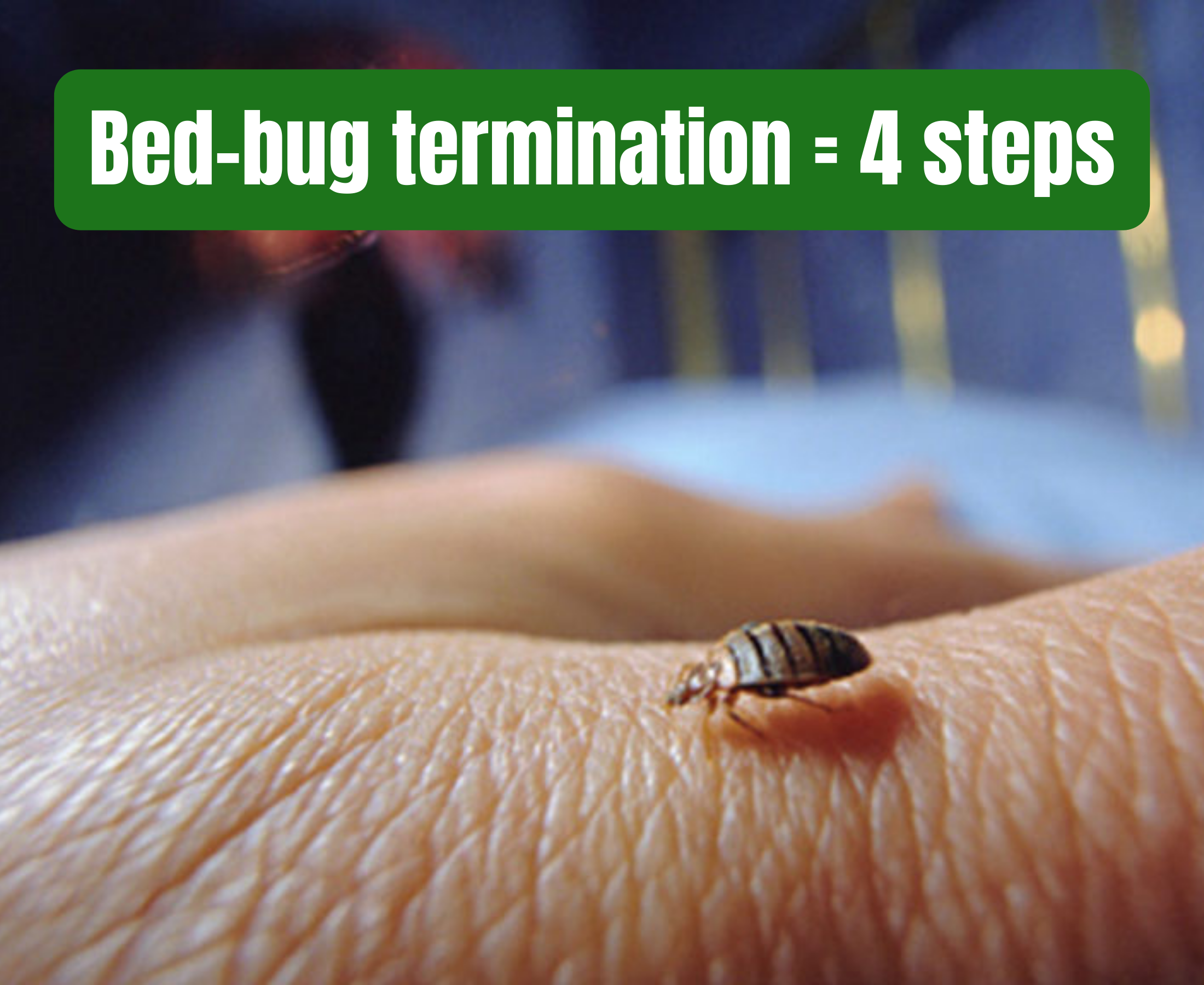
- Itchy bites or welts on human skin
Why Your Past Treatments May Not Have Worked
There are several reasons why your past treatments may not have been effective in getting rid of bed bugs. These include:
- Inadequate preparation of the area
- Ineffective treatment methods
- Lack of follow-up treatments
- Insufficient drying time between treatments
The Most Effective Ways to Get Rid of Bed Bugs in Winter
So, how do you get rid of bed bugs in winter? Here are some effective methods to try:
1. Thoroughly Inspect and Clean
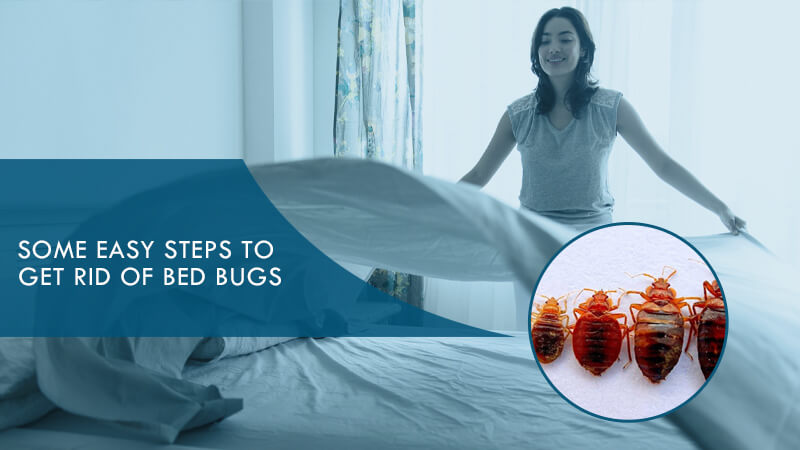
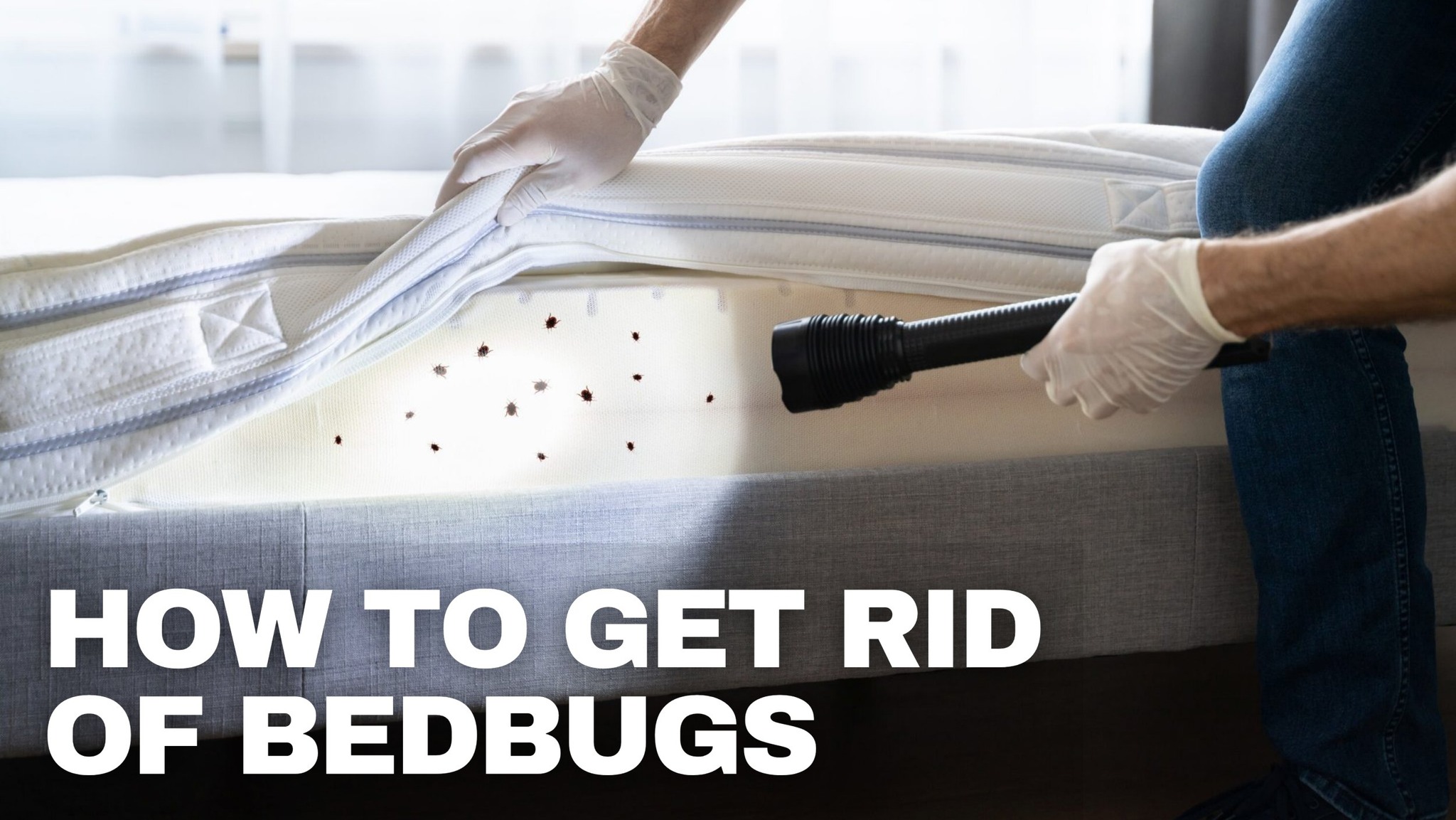
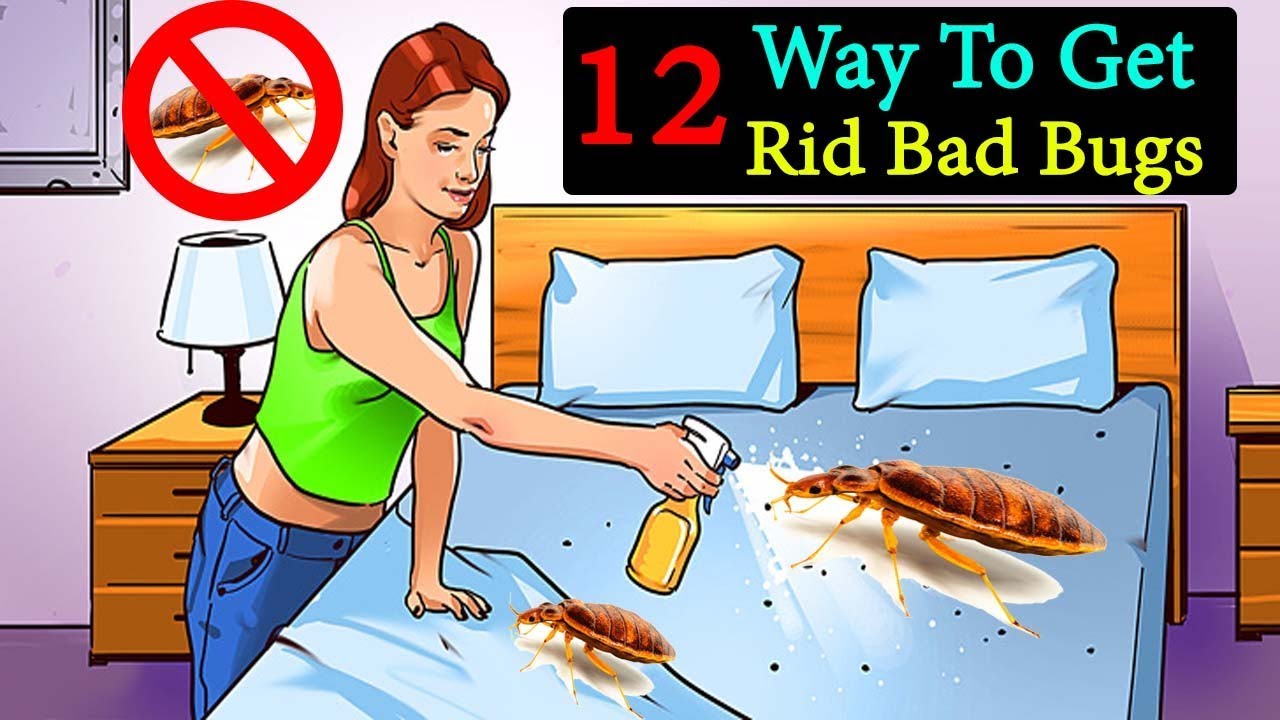
Start by thoroughly inspecting your mattress, bed frame, furniture, and nearby areas for signs of bed bugs. Remove all bedding and place it in sealed plastic bags. Vacuum all affected areas, including mattresses, furniture, and cracks and crevices. Wash and dry bedding, clothing, and any items that may have come into contact with bed bugs.
2. Use Chemical Treatments
Chemical treatments can be effective in getting rid of bed bugs, but they must be used carefully and according to the manufacturer's instructions. Look for products that contain pyrethrin or permethrin, which are effective against bed bugs.
3. Use Heat Treatment
Heat treatment is a highly effective method for getting rid of bed bugs, especially in winter. This involves using a steam cleaner or a portable heat treatment unit to heat a room or a specific area to a temperature of at least 120°F (49°C) for several hours.
4. Use Cold Treatment
Cold treatment involves using a cold temperatures to kill bed bugs. This can be done by placing infested items in a sealed plastic bag and putting them in the freezer for several days.
5. Use Professional Help
If you're unable to get rid of bed bugs on your own, it may be time to call in a professional. Pest control professionals have the training and equipment necessary to effectively eliminate bed bugs.
Preventing Bed Bug Infestations in Winter
Prevention is key when it comes to bed bugs. Here are some tips to help prevent bed bug infestations in winter:
- Regularly inspect your home for signs of bed bugs
- Wash and dry bedding, clothing, and any items that may have come into contact with bed bugs
- Use mattress encasements and bed bug-proof box springs
- Seal cracks and crevices around windows, doors, and other areas where bed bugs may hide