Breaking the Grip of Phone Addiction: A Guide to Phone Addiction Therapy for Individuals
In today's digital age, our smartphones have become an integral part of our lives. However, for many individuals, phone addiction has become a serious concern. Phone addiction, also known as problematic cellphone use, is a pattern of behavior characterized by compulsive use of a mobile phone despite negative consequences. This can lead to a range of issues, including anxiety, decreased attention span, and stress.
The Dangers of Phone Addiction
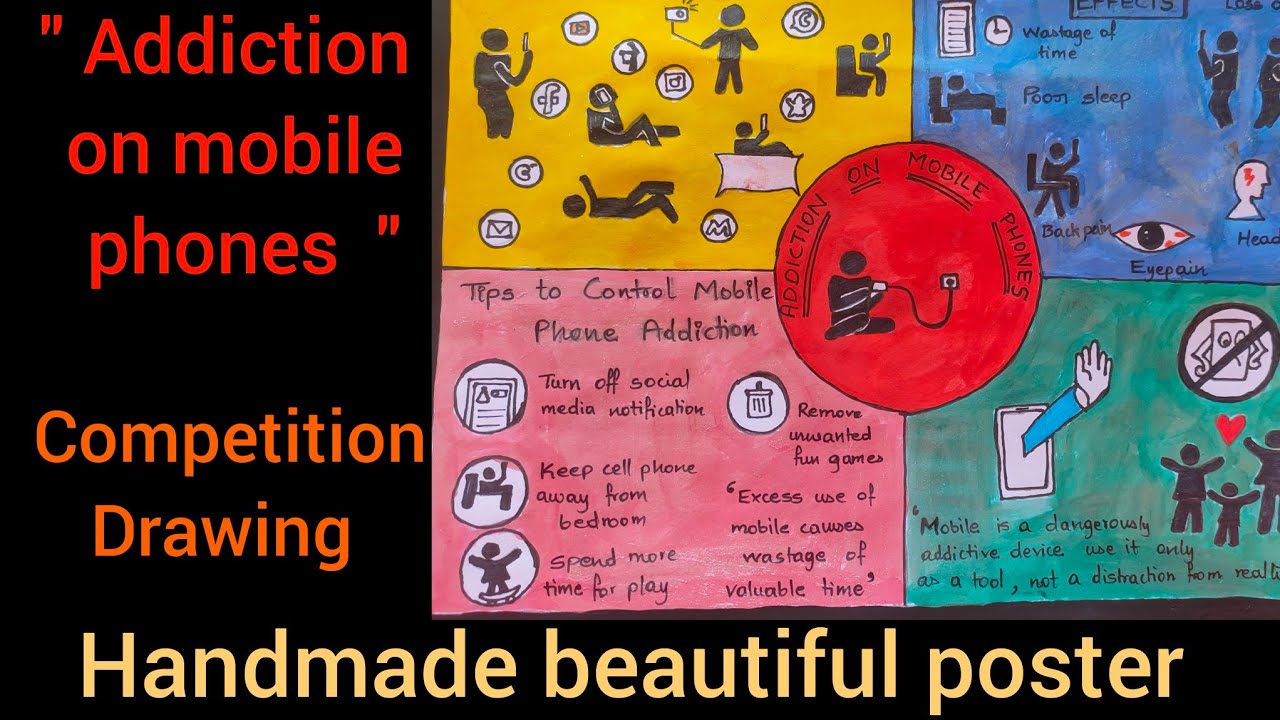
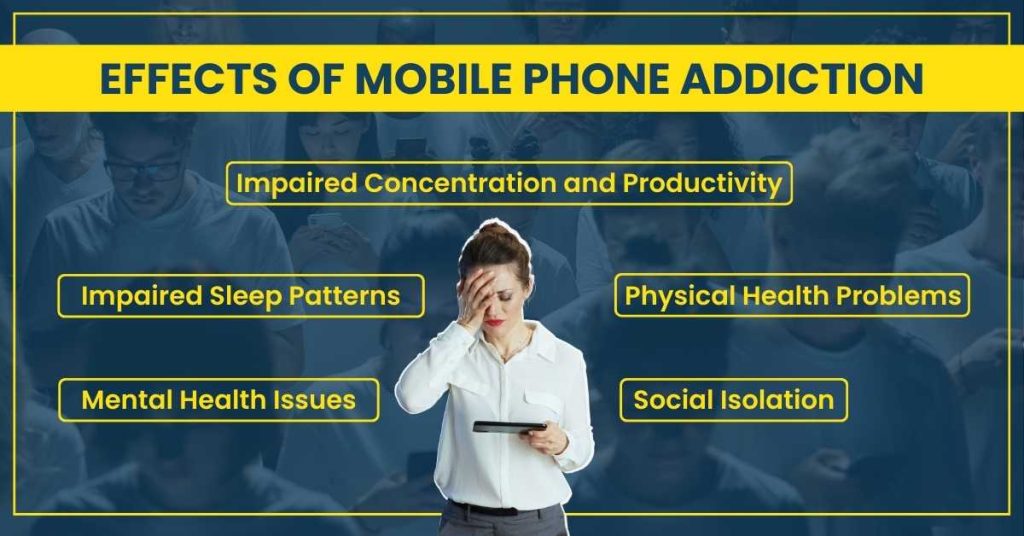
Phone addiction can have far-reaching consequences on both physical and mental health. Excessive phone use has been linked to:
- Sleep disturbances and fatigue
- Eye strain and vision problems
- Increased risk of depression and anxiety
- Poor posture and back pain
- Strained relationships and social isolation
Recognizing the Warning Signs of Phone Addiction
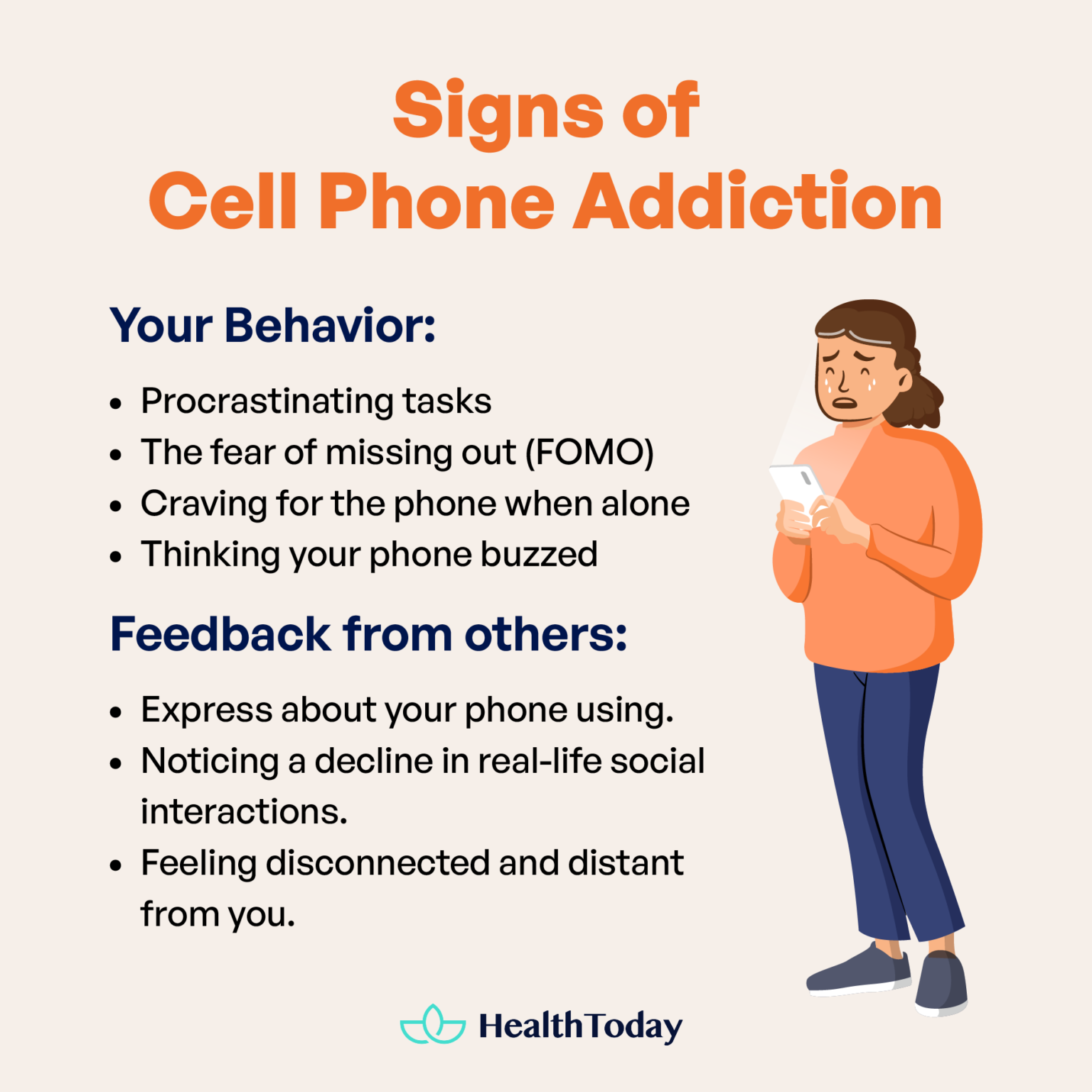
Identifying phone addiction is the first step towards seeking help. Some common warning signs include:
- Feeling anxious or irritable when unable to use your phone
- Spending increasing amounts of time on your phone
- Using your phone as a coping mechanism for emotions
- Experiencing physical symptoms such as headaches or eye strain
- Neglecting responsibilities or relationships due to phone use
Overcoming Phone Addiction through Therapy
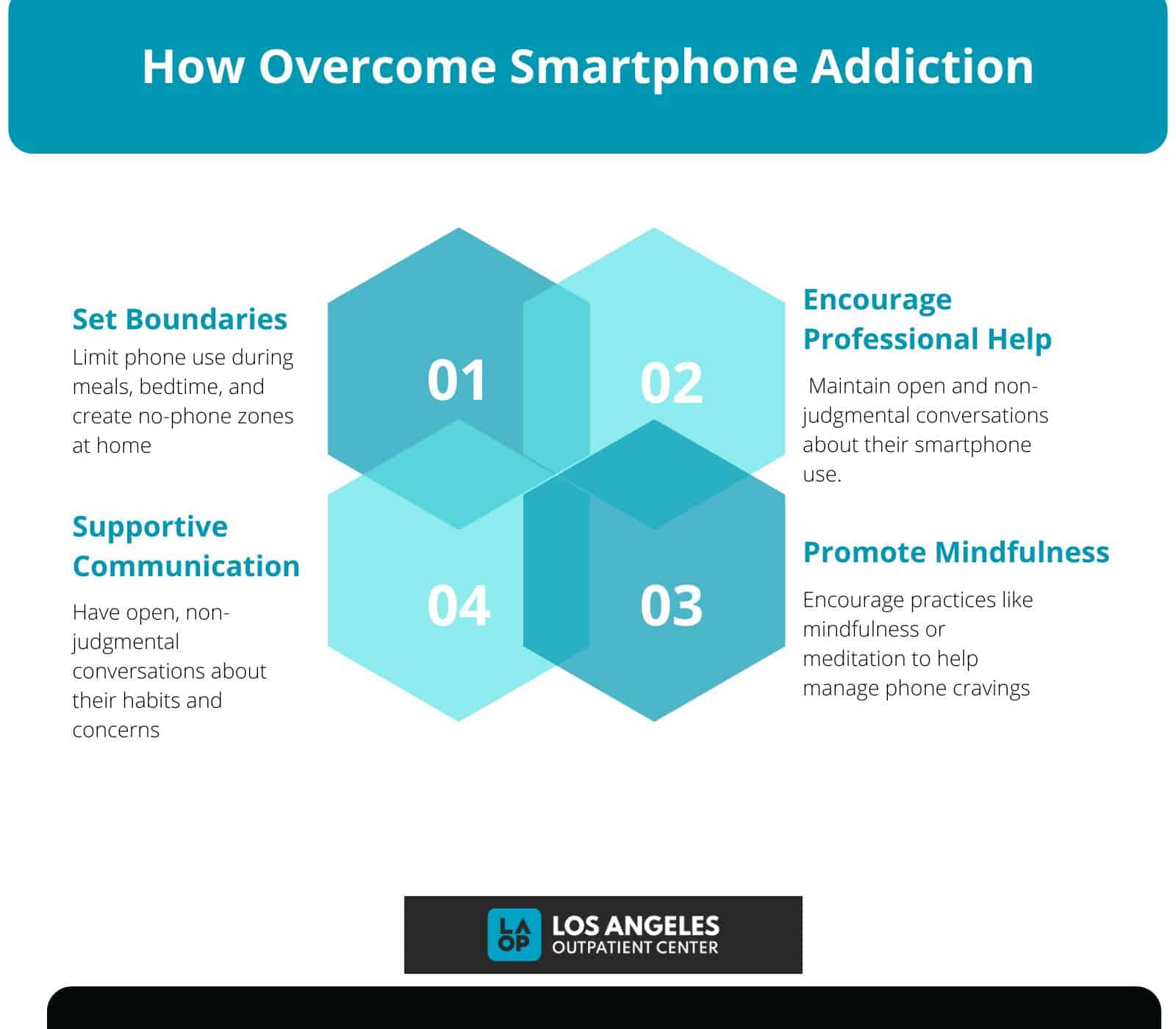
Phone addiction therapy for individuals is a highly effective approach to overcome phone addiction. Through a combination of counseling, behavioral therapy, and support groups, individuals can develop healthy habits and strategies to manage phone use. Some effective therapy approaches include:
Cognitive Behavioral Therapy (CBT)
CBT helps individuals identify and change negative thought patterns and behaviors associated with phone addiction. By becoming more aware of their thoughts and actions, individuals can develop healthier habits and strategies to manage phone use.

Mindfulness Techniques
Mindfulness techniques, such as meditation and deep breathing, can help individuals develop a greater sense of awareness and balance in their phone use. By being more present and mindful, individuals can break the cycle of phone addiction and develop a healthier relationship with their device.
Residential Treatment Programs
In some cases, residential treatment programs may be necessary to address phone addiction. These programs provide a safe and supportive environment for individuals to explore and address underlying issues driving phone addiction.
Seeking Help for Phone Addiction
If you or someone you know is struggling with phone addiction, seeking help is the first step towards recovery. Phone addiction therapy for individuals can be an effective and lasting solution to overcome phone addiction. Consult with a mental health professional or addiction specialist to determine the best course of treatment.
Conclusion
Phone addiction is a serious concern that can have far-reaching consequences on both physical and mental health. By recognizing the warning signs of phone addiction and seeking help through therapy, individuals can break the grip of phone addiction and develop a healthier relationship with their device.
Resources:
- National Institute on Drug Abuse (NIDA) - 1-800-662-HELP (4357)
- Substance Abuse and Mental Health Services Administration (SAMHSA) - 1-800-662-HELP (4357)
- SMART Recovery - 1-866-289-2617
- The Recovery Village - [www.therecoveryvillage.com](http://www.therecoveryvillage.com)
Remember, phone addiction is a treatable condition, and seeking help is the first step towards recovery.




-ink.jpeg "NIDA.NIH.GOV | National Institute on Drug Abuse (NIDA)")