Configuring a Second Router with the Same Network Name
Are you looking to expand your home network's range and improve Wi-Fi coverage by adding a second router? This article will guide you through the process of configuring a second router with the same network name, ensuring a seamless network experience.
Why Configure a Second Router?
Adding a second router to your network can be beneficial in several ways:
- Improved Wi-Fi coverage: A second router can extend the range of your home network, reducing dead zones and ensuring a stronger signal.
- Increased device support: With more routers, you can add more devices to your network, making it ideal for large families or businesses.
- Reduced congestion: By dividing the network load between two routers, you can reduce congestion and improve overall performance.
Step 1: Connect the Second Router to the Main Router
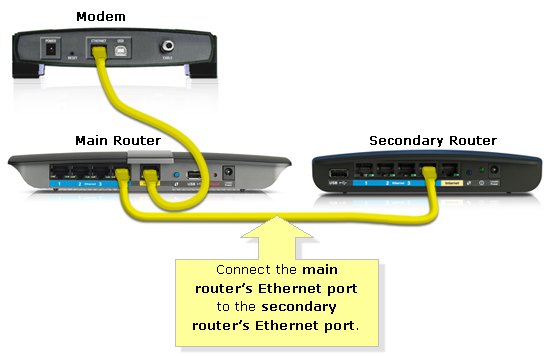
Connect the second router to the main router using an Ethernet cable. This will establish a wired connection between the two devices.
Step 2: Configure the Second Router as an Access Point (AP)
Configure the second router as an Access Point (AP) by setting the wireless settings to match those of the main router. This includes:
- SSID (network name) same as the main router
- Security type the same (e.g., WPA2 or WPA3)
- Password the same
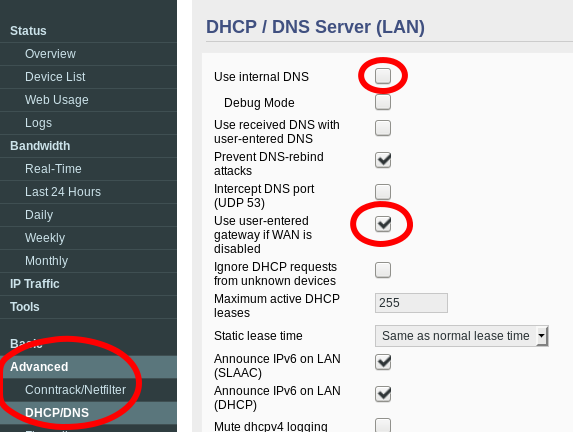
Step 3: Disable DHCP on the Second Router
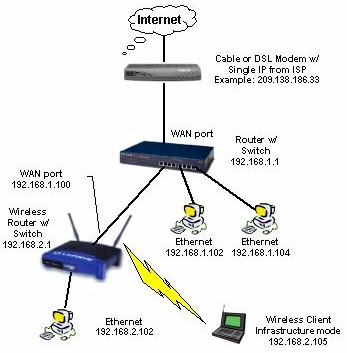
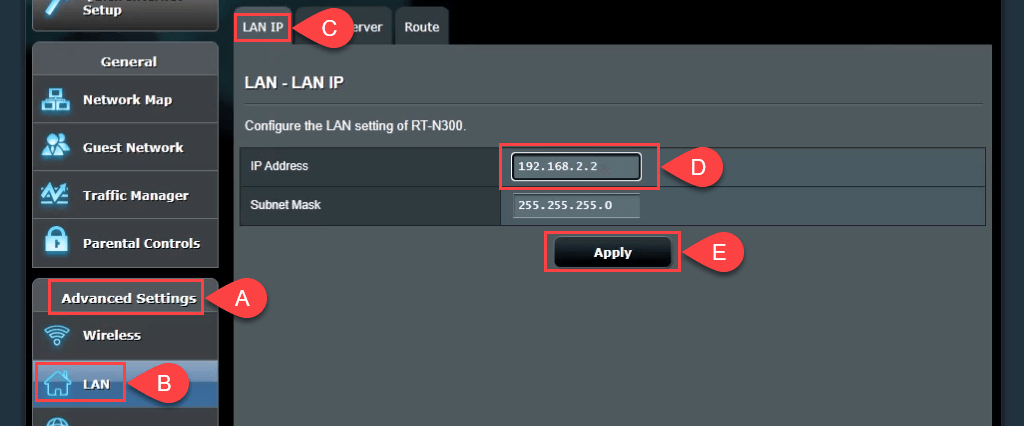
Disable DHCP on the second router to ensure it doesn't duplicate the network address range. This can be done by setting a static IP address on the second router, outside of the DHCP range managed by the main router.
Step 4: Configure the Second Router as a Repeater
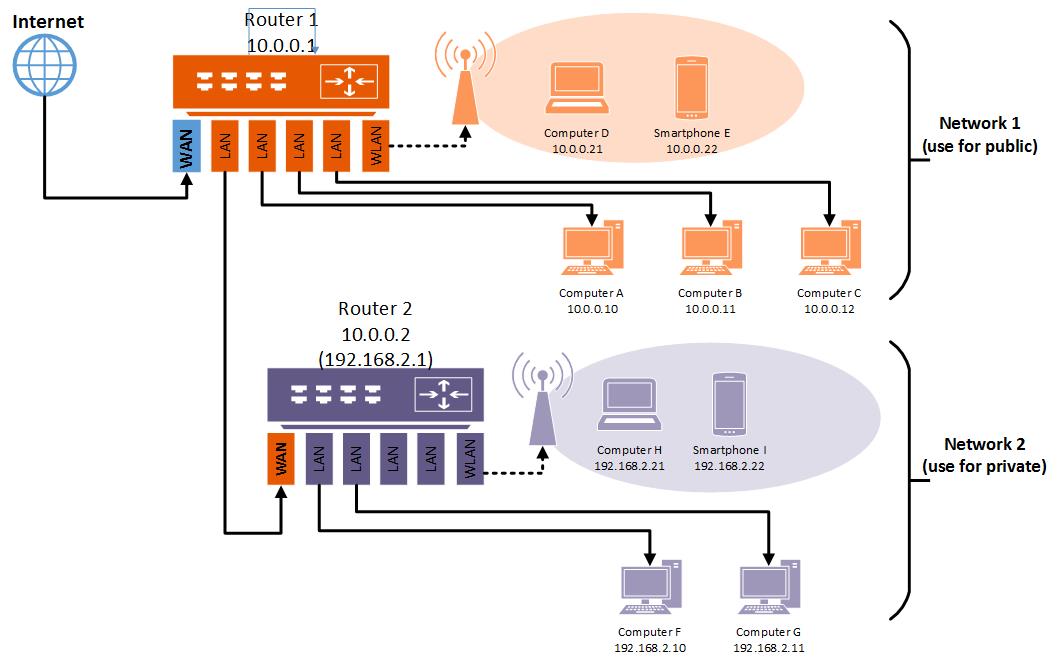
Configure the second router as a repeater to extend the Wi-Fi signal. This can be done by setting the network mode to 'bridge' or 'repeater' on the second router's setup page. Assign a static IP address on the second router, within the same subnet as the main router, but outside of the DHCP range.
Step 5: Test the Network
Test the network by connecting devices to both routers. You should be able to access the internet and shared resources on both networks seamlessly.
Benefits of Configuring a Second Router with the Same Network Name
Configuring a second router with the same network name offers several benefits:
- Seamless network experience
- Improved Wi-Fi coverage
- Increased device support
- Reduced congestion
Conclusion
Configuring a second router with the same network name allows you to expand your home network, improve Wi-Fi coverage, and add more devices. By following the steps outlined in this article, you can set up a seamless network experience, ensuring all devices can connect and communicate effectively.
Remember, configuring multiple routers on the same network requires careful setup to avoid conflicts and ensure optimal performance.
Related Articles
Learn more about configuring wireless networks, improving Wi-Fi coverage, and expanding your home network with these additional resources: