The Dopamine Loop: Understanding the Neuroscience Behind Addiction and Motivation
Have you ever found yourself mindlessly scrolling through social media, binge-watching TV, or engaging in other pleasurable activities, only to feel a surge of satisfaction and motivation? This phenomenon is not just a result of boredom or lack of willpower, but rather a complex interplay of neuroscience and psychology that drives us to seek out and repeat behaviors that release dopamine, the brain's "feel-good" chemical.
What is the Dopamine Loop?
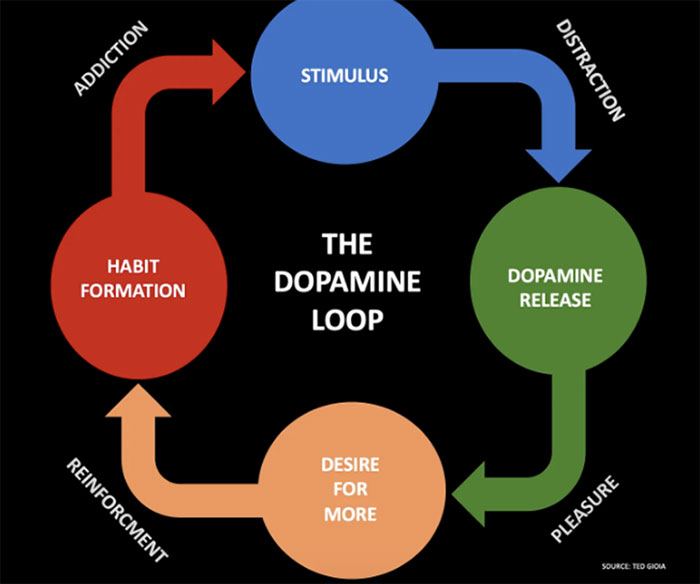
A dopamine loop is a neurological feedback loop that drives us to seek out and repeat behaviors that released dopamine, a neurotransmitter associated with pleasure, motivation, and reward. This loop is not just limited to addiction, but also influences our motivation, learning, and productivity.
How Does the Dopamine Loop Work?
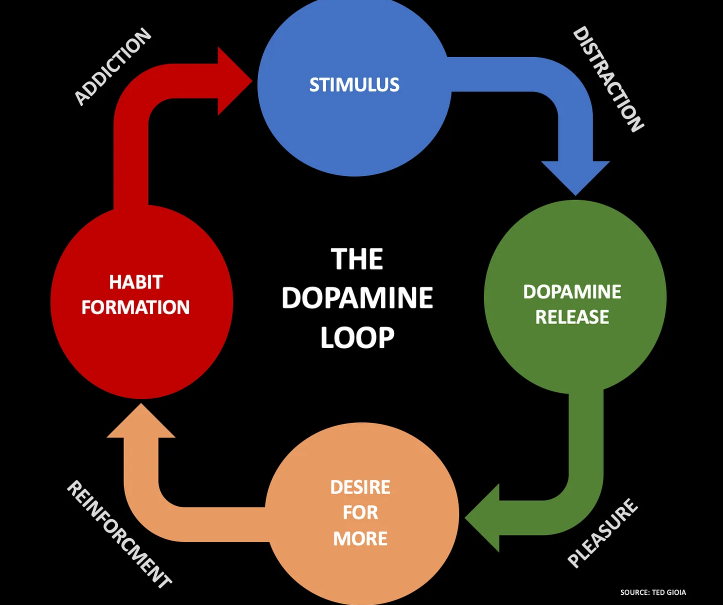
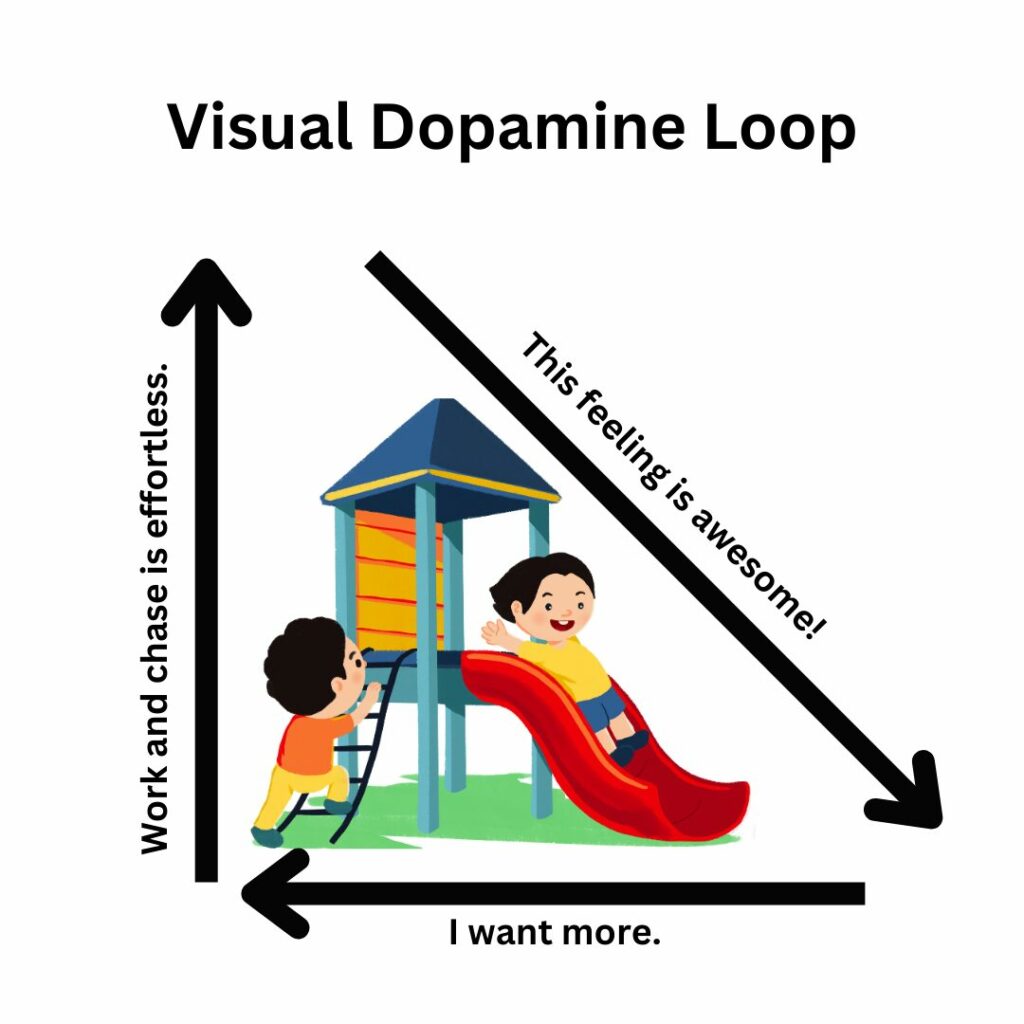
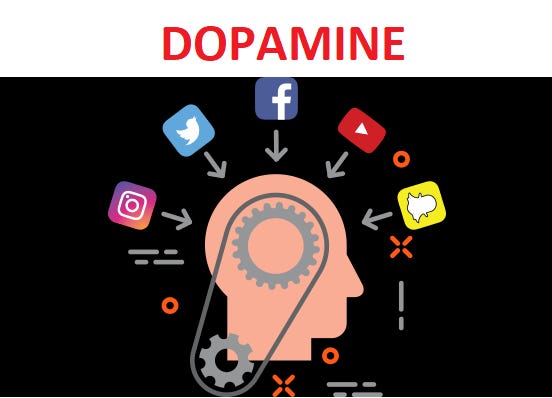
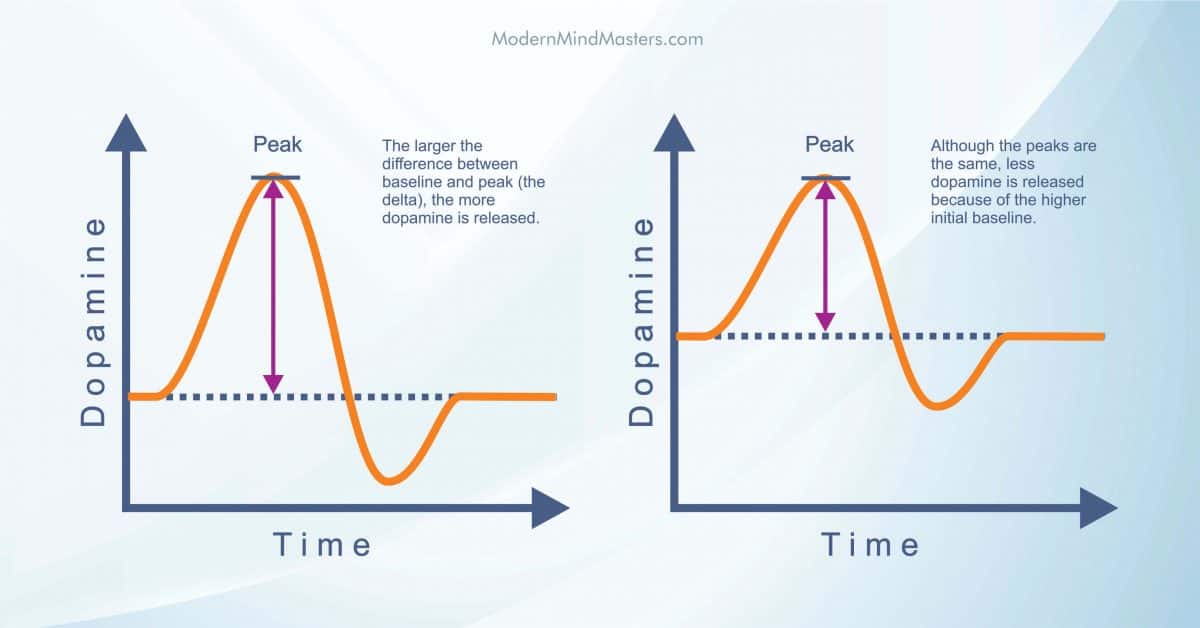
The dopamine loop begins with a stimulus, such as a social media notification, a like or comment, or a new piece of information. This stimulus releases dopamine in the brain, creating a sense of pleasure and motivation to repeat the behavior. However, over time, this repeated stimulation creates a feedback loop: the brain starts craving more, and our ability to disengage gets weaker.
Key Players in the Dopamine Loop
- Dopamine: A neurotransmitter associated with pleasure, motivation, and reward.
- Salience Network: A brain network that helps us notice and respond to stimuli that are relevant and rewarding.
- Striatal Reward Pathway: A brain pathway that connects the midbrain to the prefrontal cortex, allowing us to learn and adapt to changing rewards.
- Chronic Stress: A state of prolonged stress that can lead to an imbalance in dopamine levels and create a vicious cycle of seeking addictive behaviors.
The Dopamine Loop in Everyday Life
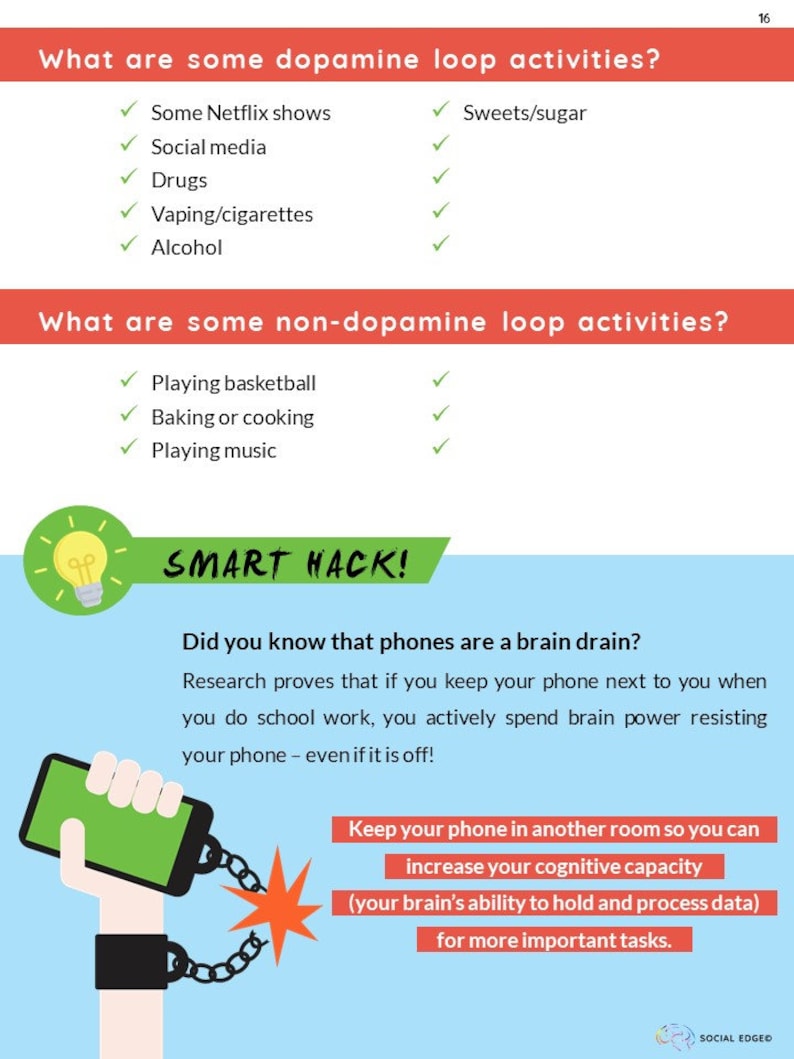
While the dopamine loop is often associated with addiction, it also plays a crucial role in our motivation, learning, and productivity. In fact, many of our daily habits and rituals are designed to trigger dopamine release, from checking our phones to scrolling through social media. However, this constant seeking of quick dopamine hits can lead to a cycle of addiction, distraction, and decreased motivation.

Breaking the Dopamine Loop
Fortunately, breaking the dopamine loop is possible. By becoming aware of our thought patterns, emotional states, and behaviors, we can interrupt the cycle and cultivate new, healthier habits. Here are some strategies to help you break the loop:
- Practice Self-Awareness: Pay attention to your thoughts, emotions, and behaviors, and identify patterns that may be driving your addiction.
- Set Boundaries: Establish clear boundaries around your phone use, social media, and other addictive behaviors.
- Find Alternative Rewards: Engage in activities that release dopamine in healthier ways, such as exercise, socializing, or creative pursuits.
- Seek Social Support: Share your struggles with a trusted friend or family member, and enlist their support in breaking the cycle.
Conclusion
The dopamine loop is a powerful force that drives our behavior, motivation, and learning. By understanding the neuroscience behind this phenomenon, we can break the cycle of addiction and cultivate healthier habits that bring us joy, satisfaction, and fulfillment. By becoming aware of our patterns and behaviors, we can redirect our motivation and energy towards activities that nourish our minds, bodies, and spirits.
References
For further reading on the dopamine loop, explore the following resources:
- Neuroscientist Anne-Laure Le Cunff's explanation of how to consciously redirect your reward system.
- The article "Thought Loops" and how they release dopamine.
- Understanding the Dopamine Loop by WhatIs.com.
- A neuroscientist's account of the dopamine loop and its implications for motivation and addiction.