Can Cats Drink Skim Milk? A Comprehensive Guide
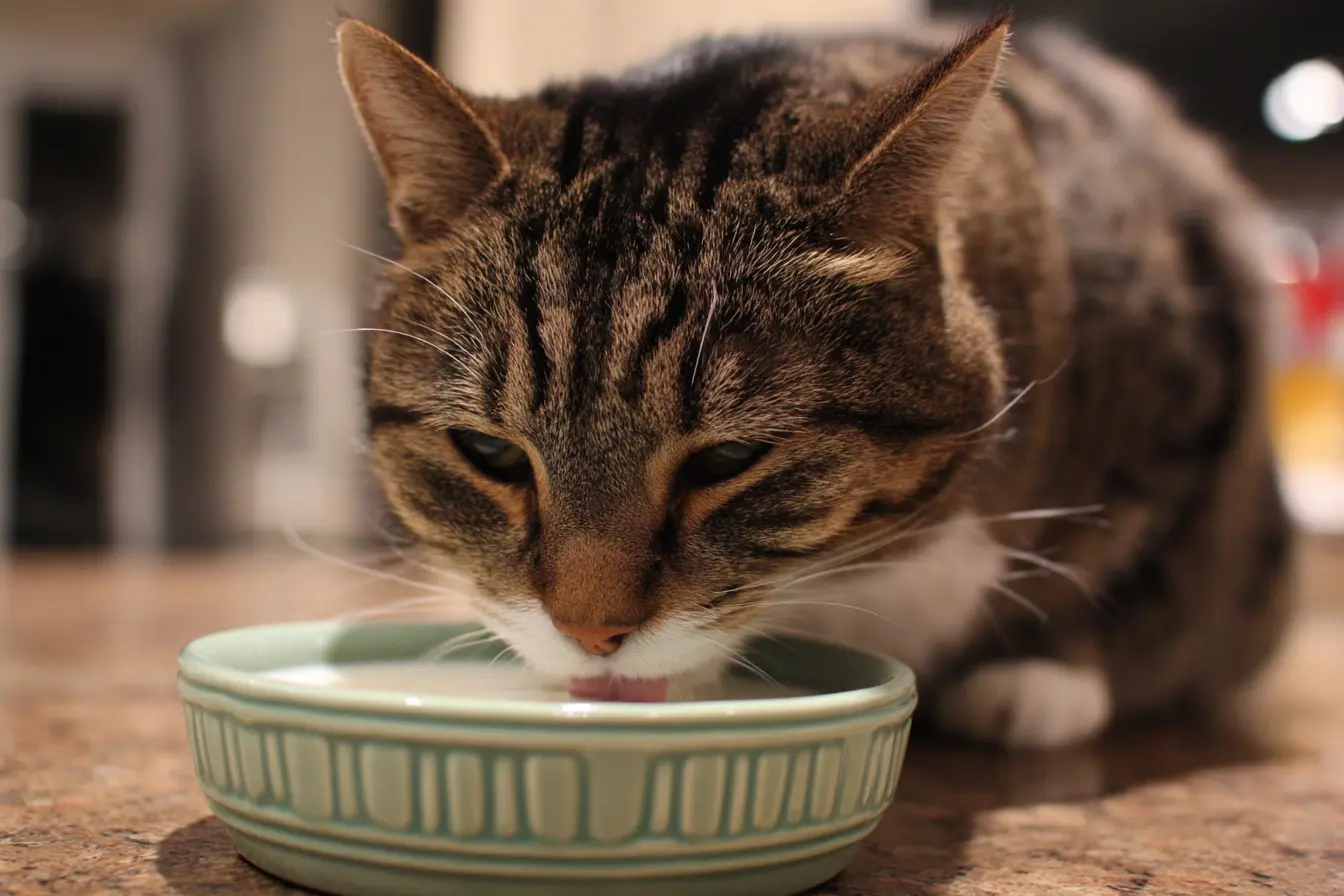
Cats, as obligate carnivores, have specific dietary needs that differ from those of humans. One common question cat owners have is whether their feline friends can safely drink skim milk. While it may seem like a nutritious beverage, skim milk is not always the best option for cats.
Understanding Lactose Intolerance in Cats
Most adult cats are lactose intolerant, meaning they lack the enzyme lactase that breaks down lactose, a sugar found in milk. Lactose intolerance can lead to symptoms such as diarrhea, gas, bloating, and stomach pain. Cats that are lactose intolerant can still benefit from some lactose-free milk products, but it's essential to choose the right type of milk.
The Benefits of Skim Milk
Skim milk is a low-fat dairy product that contains less calories compared to whole milk. It's often recommended for people who are looking to reduce their fat intake or manage their weight. However, for cats, skim milk can be a different story. While it may seem like a healthier option, it can still cause digestive upset in cats due to its lactose content.
The Risks of Skim Milk for Cats
The risks associated with skim milk consumption in cats include:
- Diarrhea
- Stomach pain
- Gas
- Weight gain (due to high calorie content)
- Overcrowding the cat's digestive system and diluting essential nutrients
Alternatives to Skim Milk for Cats

While cats can't drink regular skim milk, there are some alternatives available:
- Lactose-free cat milk or lactose-free milk substitutes: These products usually have reduced lactose content and are designed for cats.
- Cat milk replacers: These products are specifically formulated for kittens and adult cats, providing essential nutrients and decreasing the risk of digestive upset.
What Can I Give My Cat Instead of Skim Milk?
While cats may enjoy the taste of skim milk, it's not recommended as a regular treat. Instead, consider the following options:
- Water: The best beverage for your cat is still plain water.
- Calcium-rich water: Adding calcium to your cat's water can support their muscle and bone health.
- Eat a balanced cat food: A nutrient-rich diet that meets your cat's specific needs can provide them with the necessary nutrients and energy.
Conclusion
Cats, like their human counterparts, have unique dietary needs that should be considered when introducing any new food or beverage into their diet. Skim milk, while seemingly harmless, can cause digestive upset in cats due to lactose intolerance. It's essential to choose lactose-free or low-lactose options or consult your veterinarian for recommendations on suitable milk alternatives for your feline friend.
Remember, it's always better to err on the side of caution and consult with a veterinarian if you're unsure about introducing new foods or beverages into your cat's diet.
References:
* "Can Cats Drink Milk." PetMD. * "Skim Milk for Cats: Is It Safe?" American Veterinary Medical Association. * "The Importance of a Balanced Diet for Cats." PetMD.