Understanding Alcohol and Fetal Alcohol Syndrome Symptoms
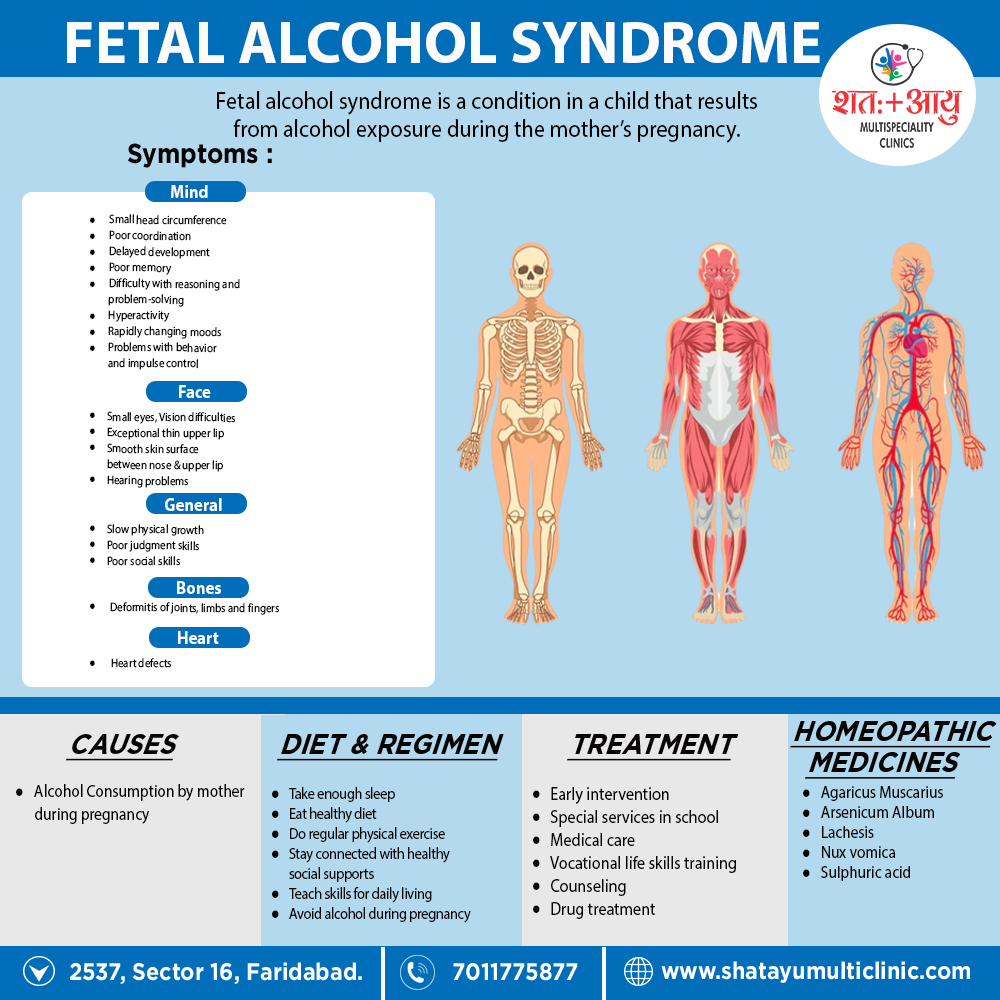
Fetal alcohol syndrome (FAS) is a condition in a child that results from alcohol exposure during the mother's pregnancy. Drinking alcohol during pregnancy can cause the child to have disabilities related to behavior, learning and thinking, and physical development. These symptoms of fetal alcohol syndrome vary from child to child but are lifelong.What is Fetal Alcohol Syndrome?
Fetal alcohol syndrome (FAS) is caused by alcohol consumption during pregnancy. People with FAS may experience lifelong physical and mental defects. FAS is a rare condition that affects about 1 in 100 children born to mothers who drink heavily during pregnancy.Causes of Fetal Alcohol Syndrome
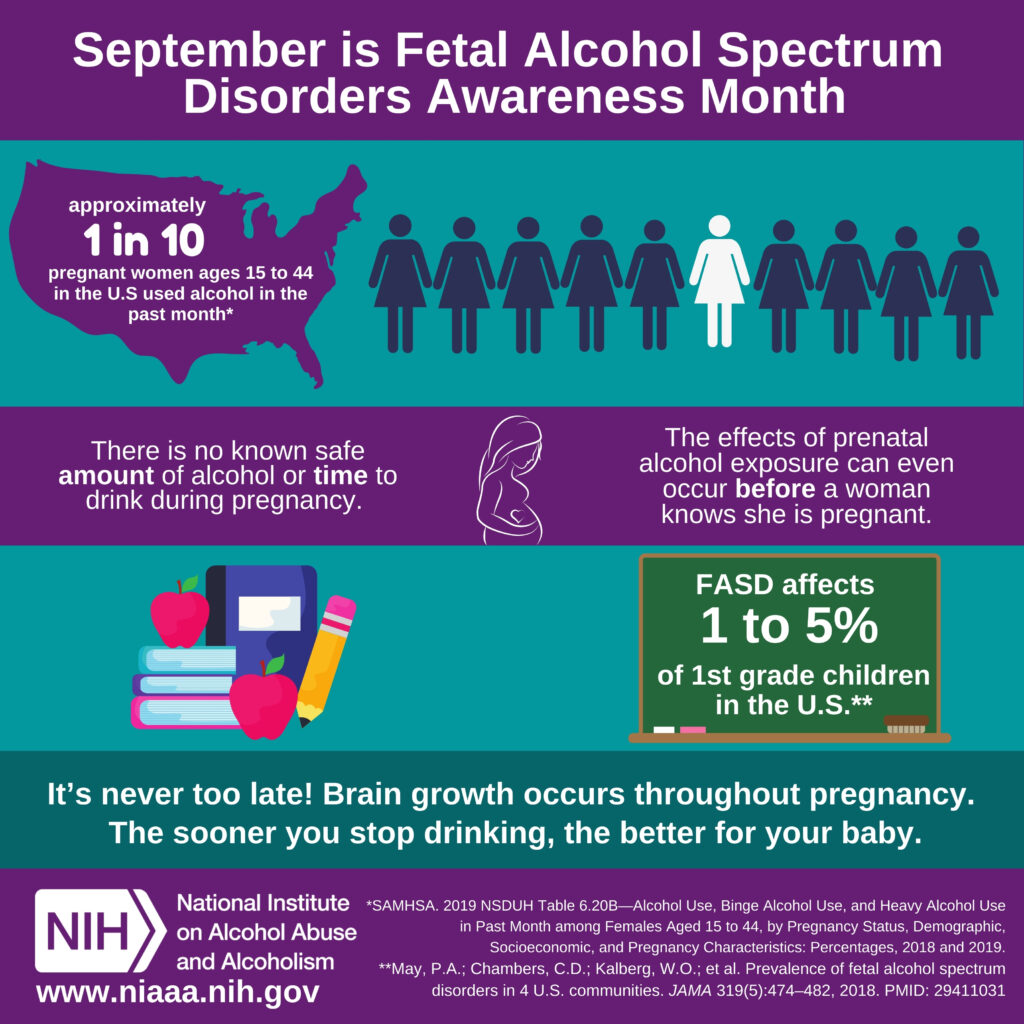
Alcohol consumption during pregnancy is the primary cause of FAS. The risk of FAS increases with the amount and frequency of alcohol consumption. Heavy drinking and binge drinking are more likely to cause damage to the baby. It is not known exactly how much alcohol is safe in pregnancy.Symptoms of Fetal Alcohol Syndrome
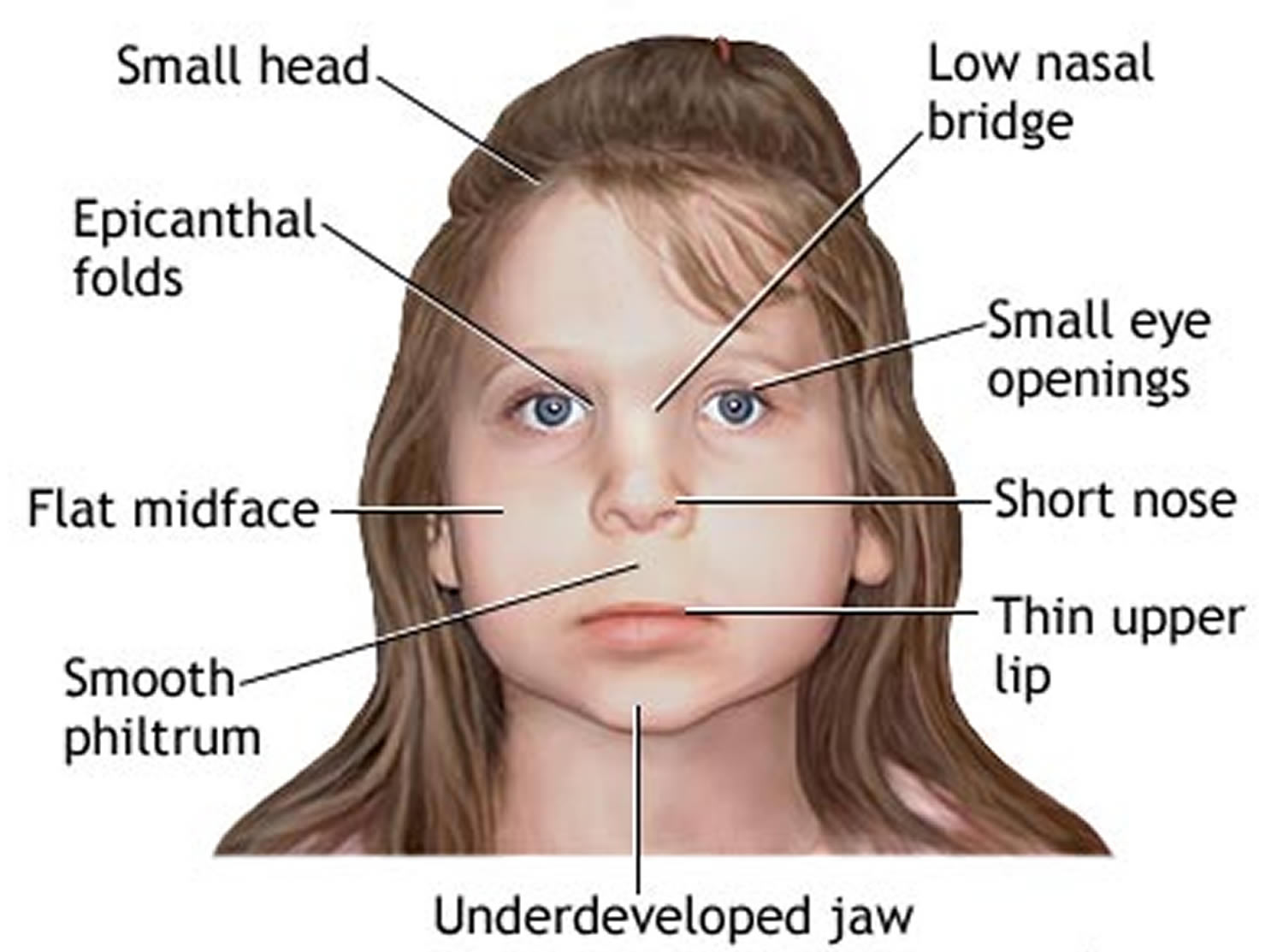
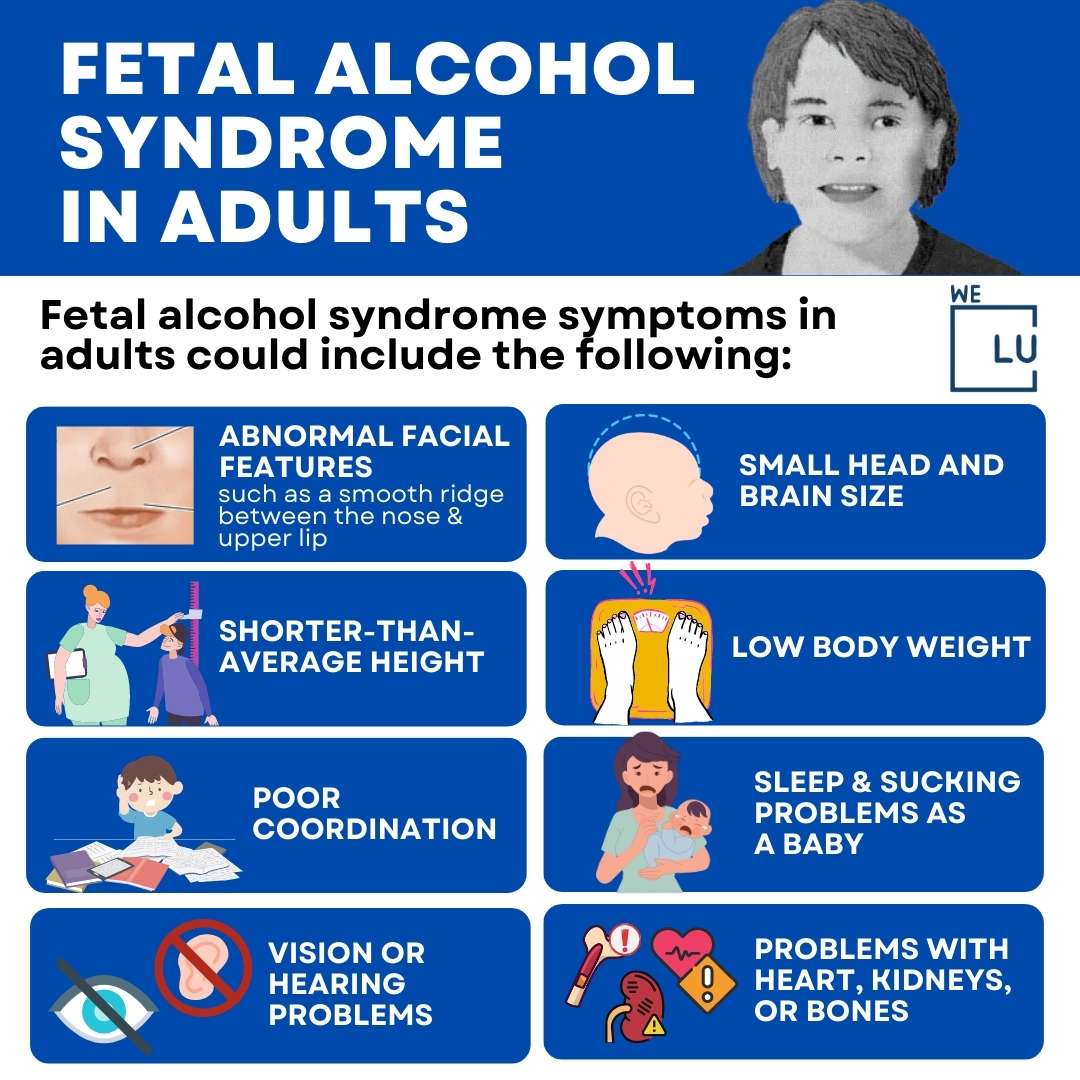
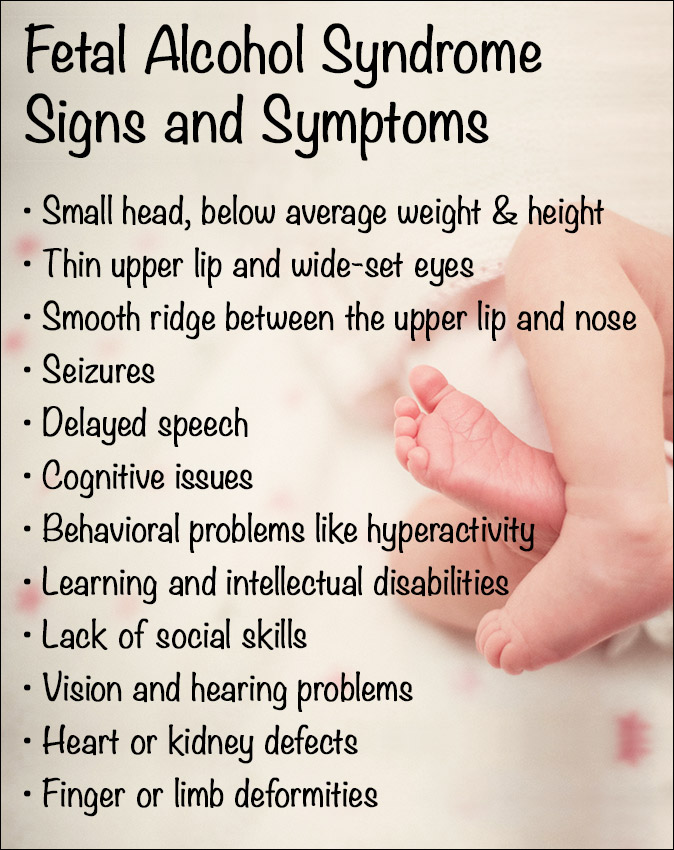
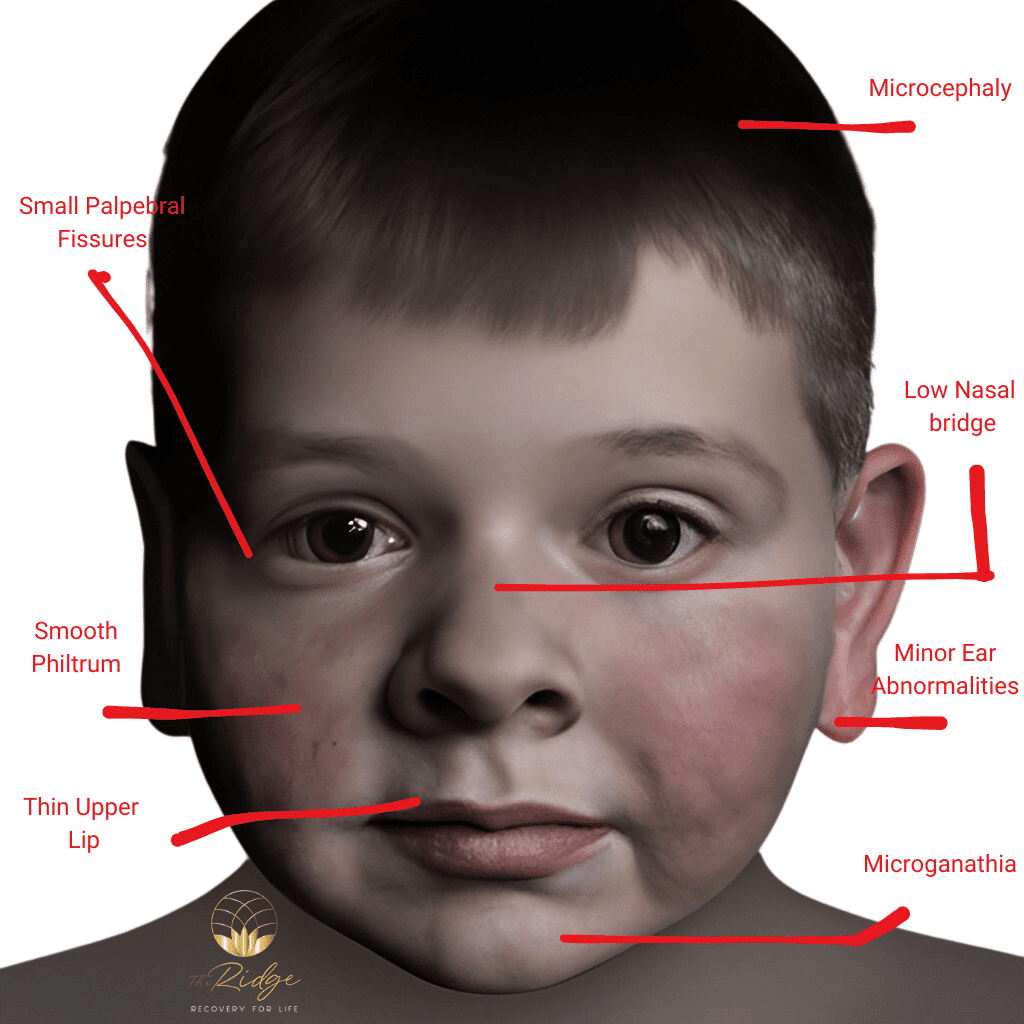
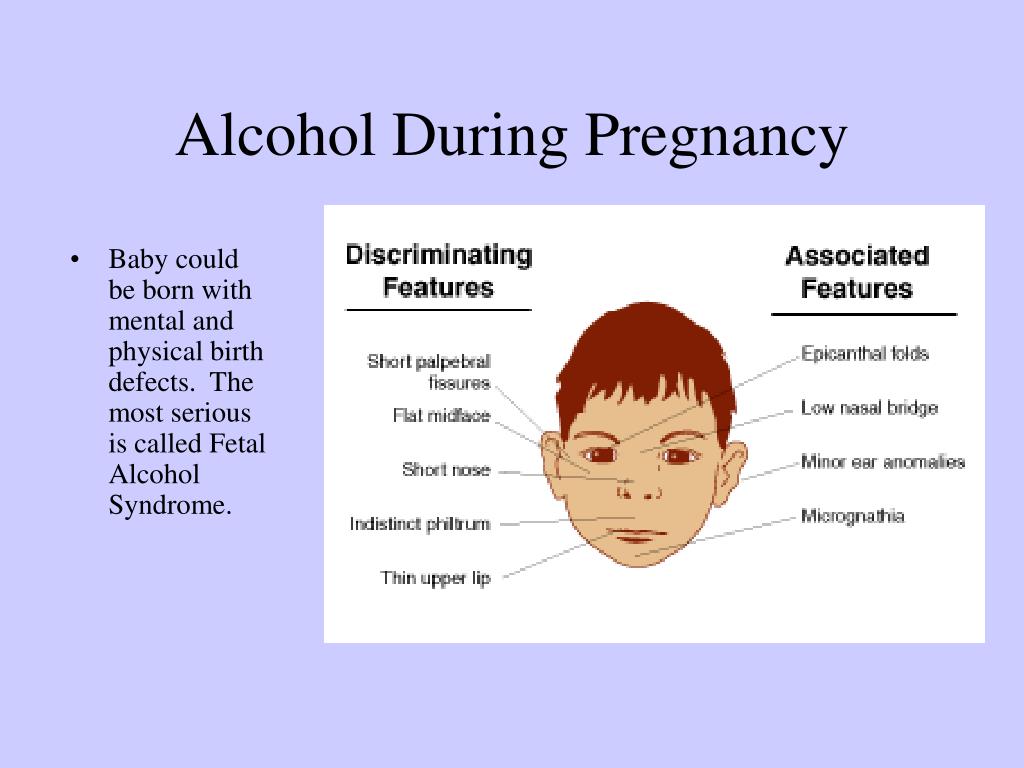
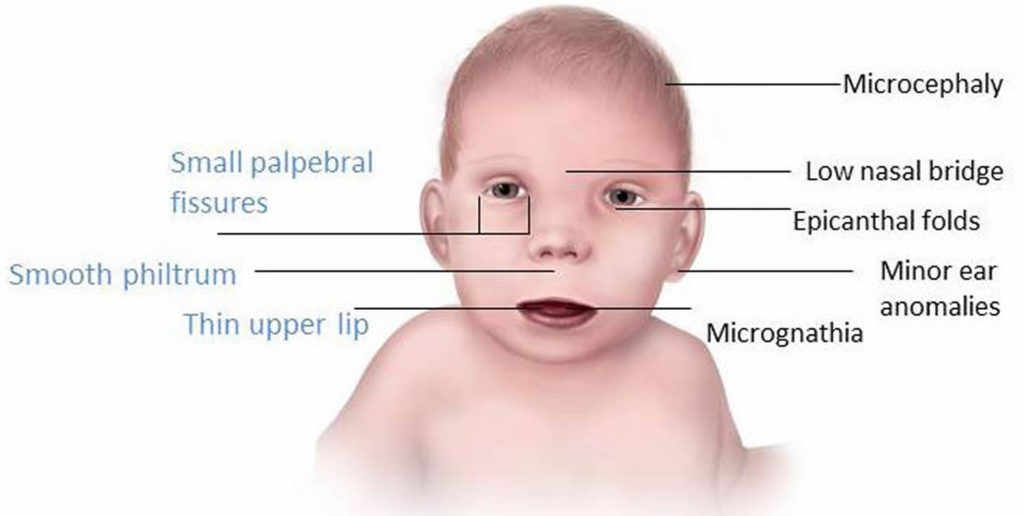
The symptoms of FAS can vary from child to child but often include:- Abnormal facial features, such as a thin upper lip and a smooth philtrum (the area between the nose and upper lip)
- Short stature and delayed growth and development
- Small head size and weight
- Difficulty with learning and memory
- Behavioral problems, such as attention deficit hyperactivity disorder (ADHD)
- Delays in speech and language development
Types of Fetal Alcohol Spectrum Disorders
Fetal alcohol spectrum disorders (FASDs) refer to a range of physical, cognitive, and behavioral abnormalities caused by prenatal alcohol exposure. FASDs include:- Fetal alcohol syndrome (FAS)
- Partial fetal alcohol syndrome
- Alcohol-related neurodevelopmental disorder
- Alcohol-related birth defects
- Alcohol-related neurobehavioral disorder
Prevention of Fetal Alcohol Syndrome
Diagnosis of Fetal Alcohol Syndrome
Diagnosing FAS can be challenging, as the symptoms can vary in severity and may not be immediately apparent. A diagnosis of FAS is typically made by a healthcare provider based on a physical examination, medical history, and laboratory tests.Treatment of Fetal Alcohol Syndrome
There is no cure for FAS, but treatment can help manage the symptoms and prevent further complications. Treatment may include:- Speech and language therapy
- Physical therapy
- Occupational therapy
- Behavioral therapy
- Medications to manage symptoms