Using Narrative in Security Awareness
When it comes to security awareness, organizations often rely on traditional methods such as pamphlets, presentations, and workshops. However, these approaches have been proven to be ineffective in many cases, leading to a lack of engagement and a failure to mitigate potential threats. This is why many experts are now turning to using narrative in security awareness to make the message more relatable, memorable, and engaging.
The Power of Storytelling
Storytelling has been used for centuries to convey messages, convey emotions and connect with people on a deeper level. In the context of security awareness, narrative-driven training can transform what would otherwise be a mundane experience into a memorable learning journey. By using narratives, security professionals can make complex technical concepts more accessible and easier to understand.
According to a study published in the Journal of Cybersecurity, narrative drives learning by activating the human brain's default mode network, which enables the brain to build connections and store information in a more meaningful way. This approach can lead to improved retention rates and a reduction in phishing risks, making it an essential tool for any organization looking to improve its security posture.
The Benefits of Narrative-Driven Training
Using narrative in security awareness has several benefits, including:
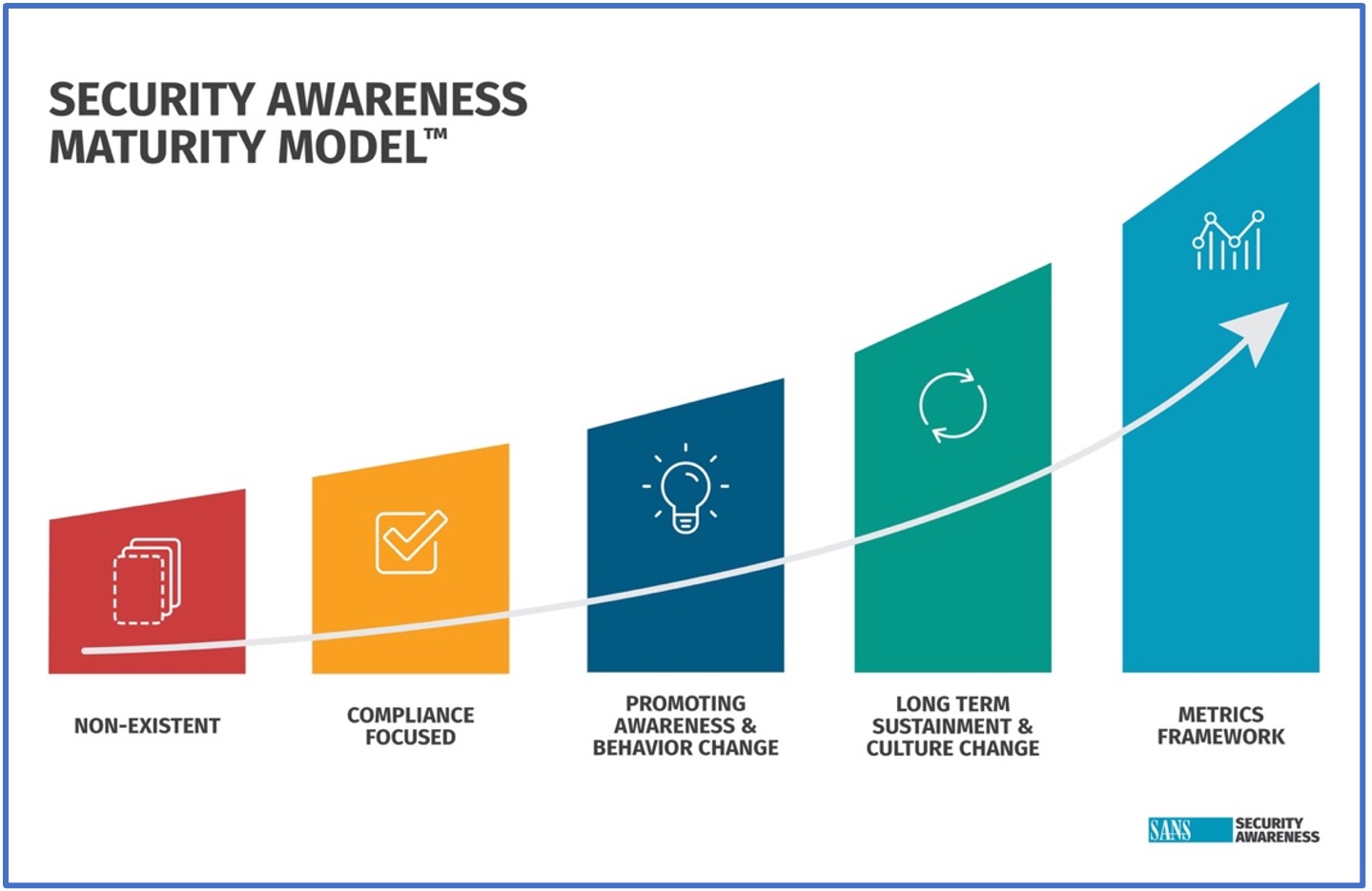
- Improved engagement: Narrative-driven training is more engaging and interactive, making it more likely to hold the audience's attention.
- Increased retention: By making the message more relatable and memorable, narrative-driven training can lead to improved retention rates.
- Reduced phishing risks: By using interactive narratives, organizations can better equip their employees to recognize and avoid phishing attacks.
- Enhanced cultural shift: Narrative-driven training can foster a proactive security culture, encouraging employees to adopt safe practices and protect their personal and academic information.
Reframing the Narrative
However, using narrative in security awareness also requires a shift in perspective. Organizations need to reframe the narrative to emphasize that digitalsecurityis not an optional add-on to journalism but rather a tool as integral as a notepad or Rolodex. By doing so, organizations can make security a core component of their culture and operations.
Conclusion
Using narrative in security awareness is a powerful approach that can make dense technical concepts more accessible and easier to understand. By adopting narrative-driven training, organizations can improve engagement, retention, and phishing risk mitigation, while also fostering a proactive security culture. As the threat landscape continues to evolve, it is essential for organizations to explore new approaches to security awareness and adopt narrative-driven training to stay ahead of the curve.