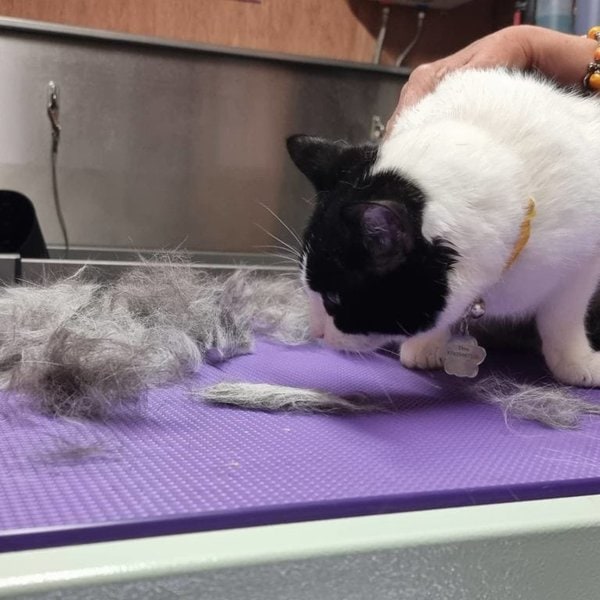
Removing Cat Matted Hair After a Bath: A Comprehensive Guide
Understanding the Causes of Matting
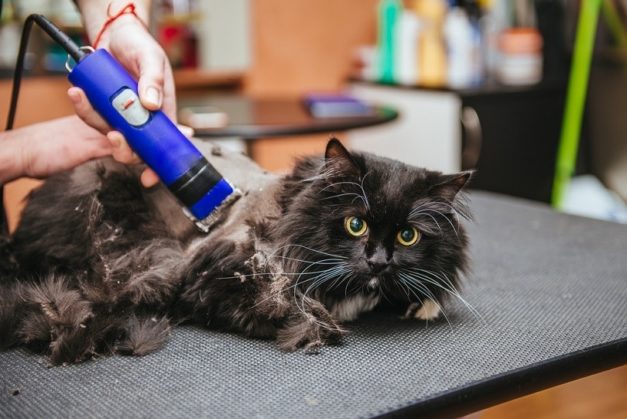
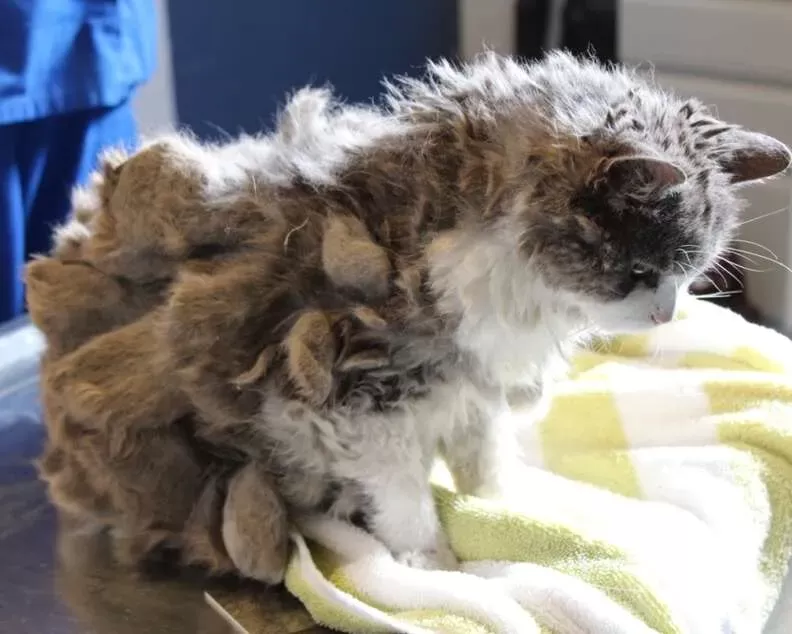
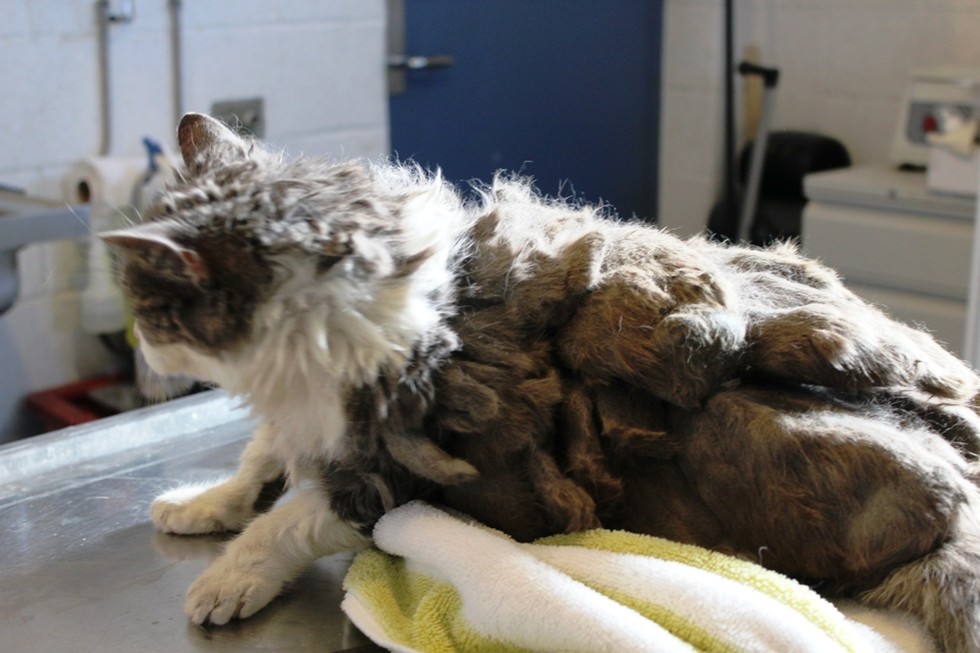
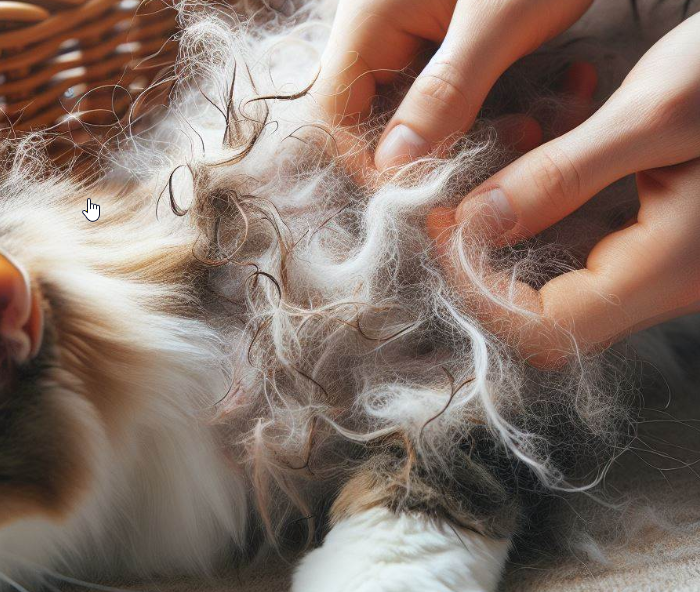
Matting is a common issue in cats, especially those with long fur. It occurs when loose hair gets tangled and becomes knotted around the skin, causing discomfort and irritation. Several factors can contribute to matting, including shedding, poor grooming habits, and underlying health issues. Matting can be unsanitary and even painful, making it essential to remove it promptly.Removing Matted Hair Requires Patience and the Right Tools
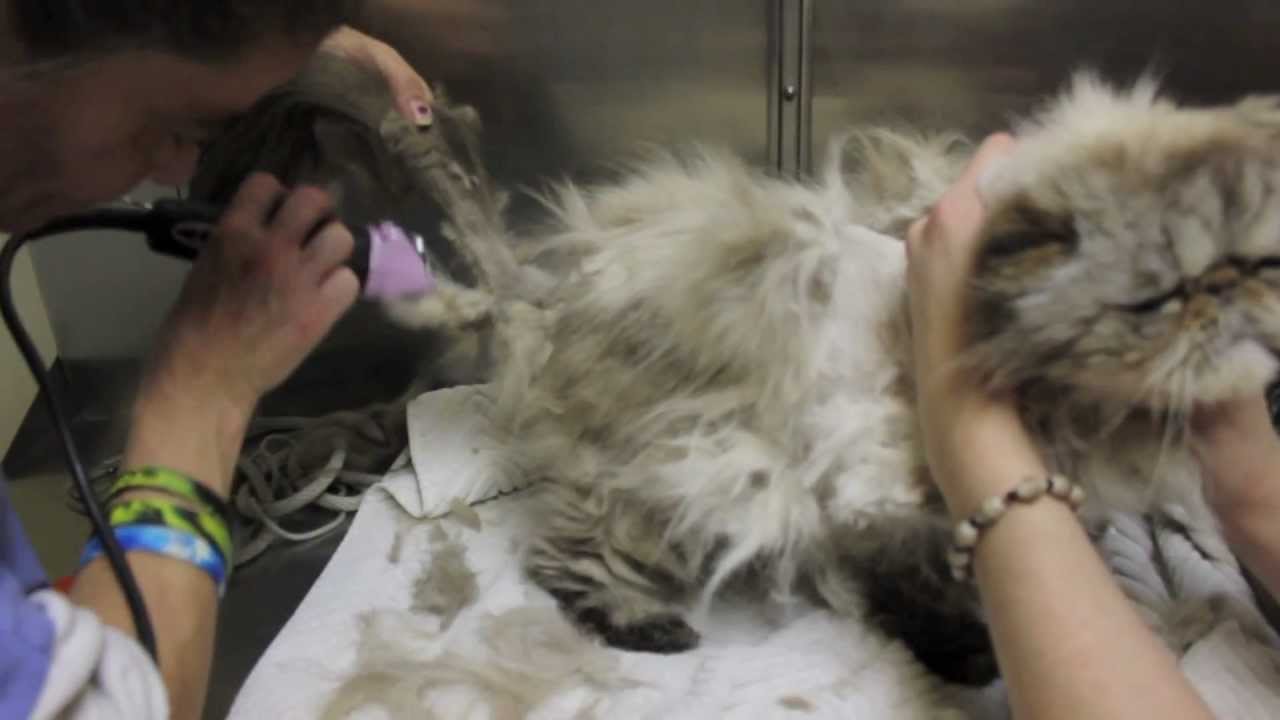
Removing matted hair from cats requires patience, gentle tools, and careful techniques to avoid causing pain or skin damage. The right tools for removing matted hair include:- Dematting rakes or combs with long or short teeth
- Detangling sprays or conditioners
- Mat treatment products
- Professional grooming tools, if necessary
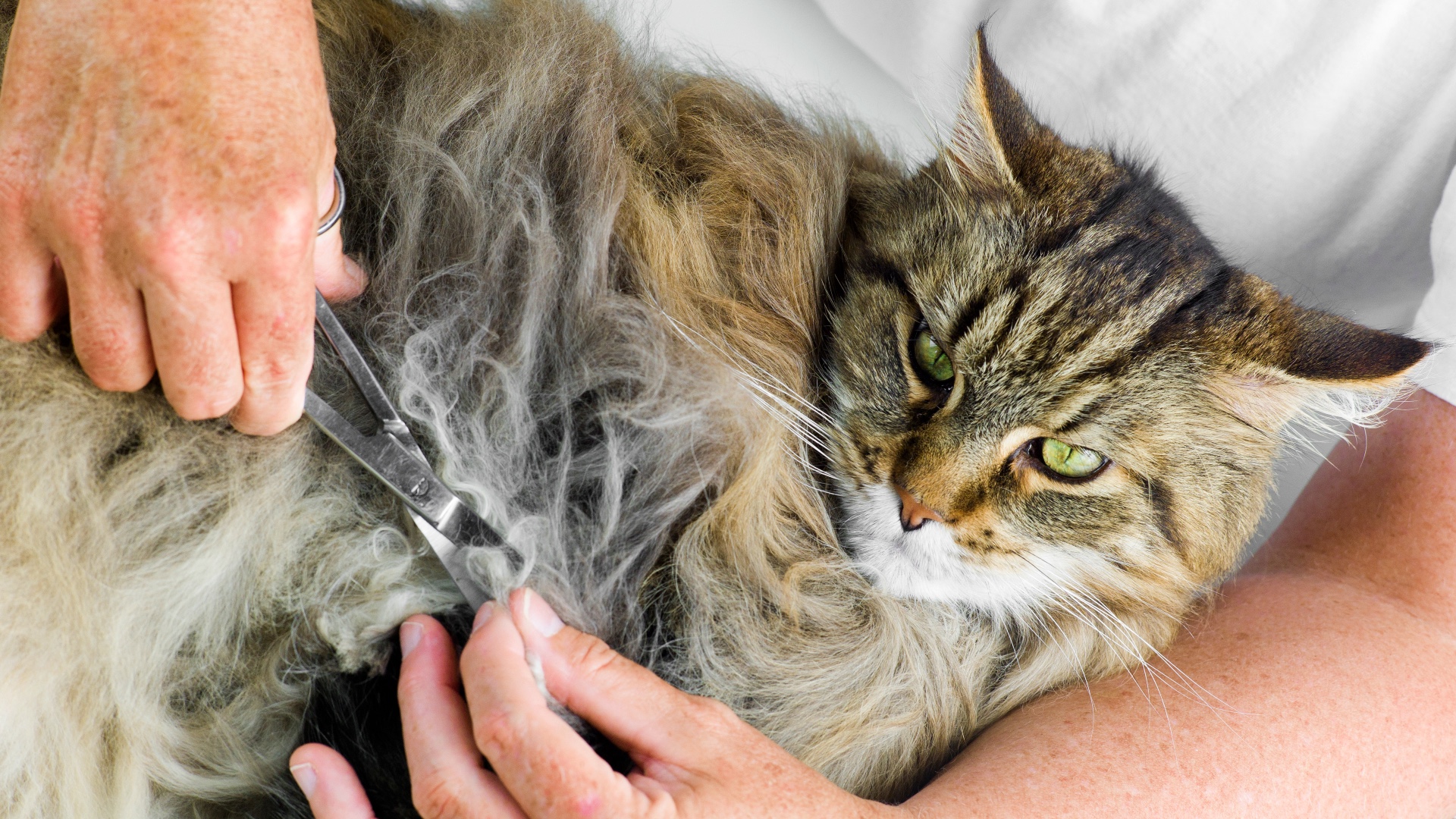
Step-by-Step Removal Process
The removal process involves the following steps: 1. **Pre- Preparation:** Before starting, brush your cat thoroughly to remove any loose hair and tangles. Apply a detangling spray or conditioner to help make the process easier. 2. Identify the Mat:** Inspect the matted area and identify the mat's center. You may need to gently tease out some hair to locate the center. 3. Gently Remove Mats:** Using a dematting rake or comb, work from the center of the mat outward, gently teasing out the tangles. Be careful not to pull too hard, as this can cause skin irritation or even injury. 4. Section and Work in Small Areas:** Divide large mats into smaller sections and work on one area at a time. This will make the process less overwhelming and prevent your cat from becoming stressed or anxious. 5. Use a Mat Treatment:** Apply a mat treatment product to help break down the mat and make removal easier. 6. Finishing Touches:** Once the mat is removed, use a regular brush or comb to restore your cat's natural coat.Prevention is Key
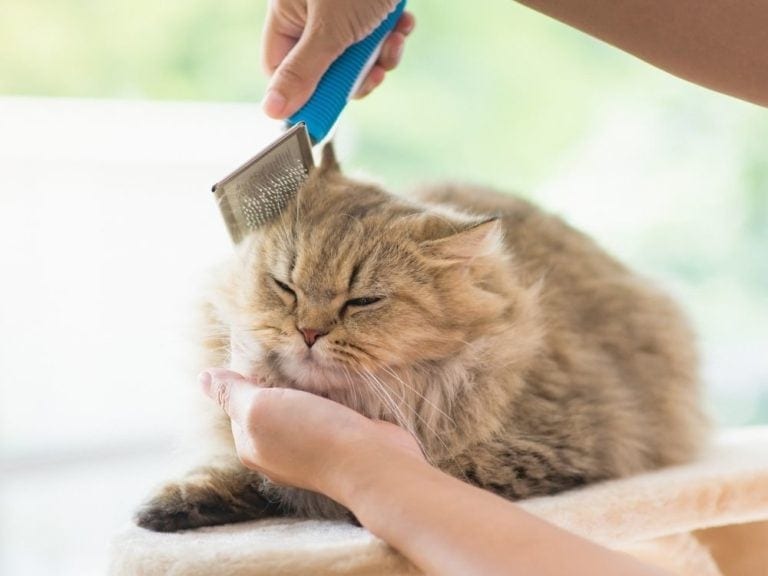
Preventing matted hair requires regular grooming, brushing, and proper care. Here are some tips to help prevent matting:- Brush your cat regularly, ideally 1-2 times a week, depending on their coat length and type.
- Use the right tools for your cat's coat type, such as a wide-tooth comb for long-haired cats or a fine-tooth comb for short-haired cats.
- Provide a balanced diet and a safe, stress-free environment to ensure your cat is healthy and happy.
- Keep an eye out for signs of matting and remove any mats promptly to prevent them from becoming painful or unsanitary.