Protecting Your Financial Security in Online Banking: A Comprehensive Guide
In today's digital age, online banking has become an essential part of our lives, allowing us to manage our finances, pay bills, and transfer funds with ease. However, with the convenience of online banking comes the risk of financial security threats. Cybercriminals are constantly looking for ways to steal your personal and financial information, making it crucial to take necessary precautions to protect yourself. In this article, we will discuss the importance of online banking security, common threats, and provide you with expert tips to safeguard your financial information.
The Risks of Online Banking Security
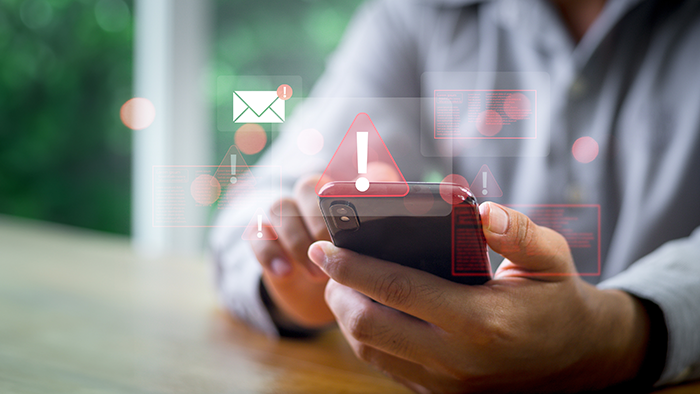
Cybercriminals have two primary goals: to steal your money and your identity. They use various tactics, such as phishing, malware, and ransomware, to gain access to your online banking accounts. If you fall victim to these attacks, you could lose your hard-earned money, and your personal and financial information could be compromised. It is essential to be aware of these threats and take proactive measures to protect yourself.
Protecting Yourself When Connecting to a Public Wi-Fi Network
When using public Wi-Fi networks, such as those found in coffee shops, libraries, or airports, you are more vulnerable to cyber threats. Public Wi-Fi networks are often unsecured, making it easy for hackers to intercept your data. To protect yourself, use a virtual private network (VPN) to encrypt your internet connection, and consider using a public Wi-Fi network that requires a password or login.
Best Practices for Online Banking Security
To keep your online banking account secure, follow these best practices:
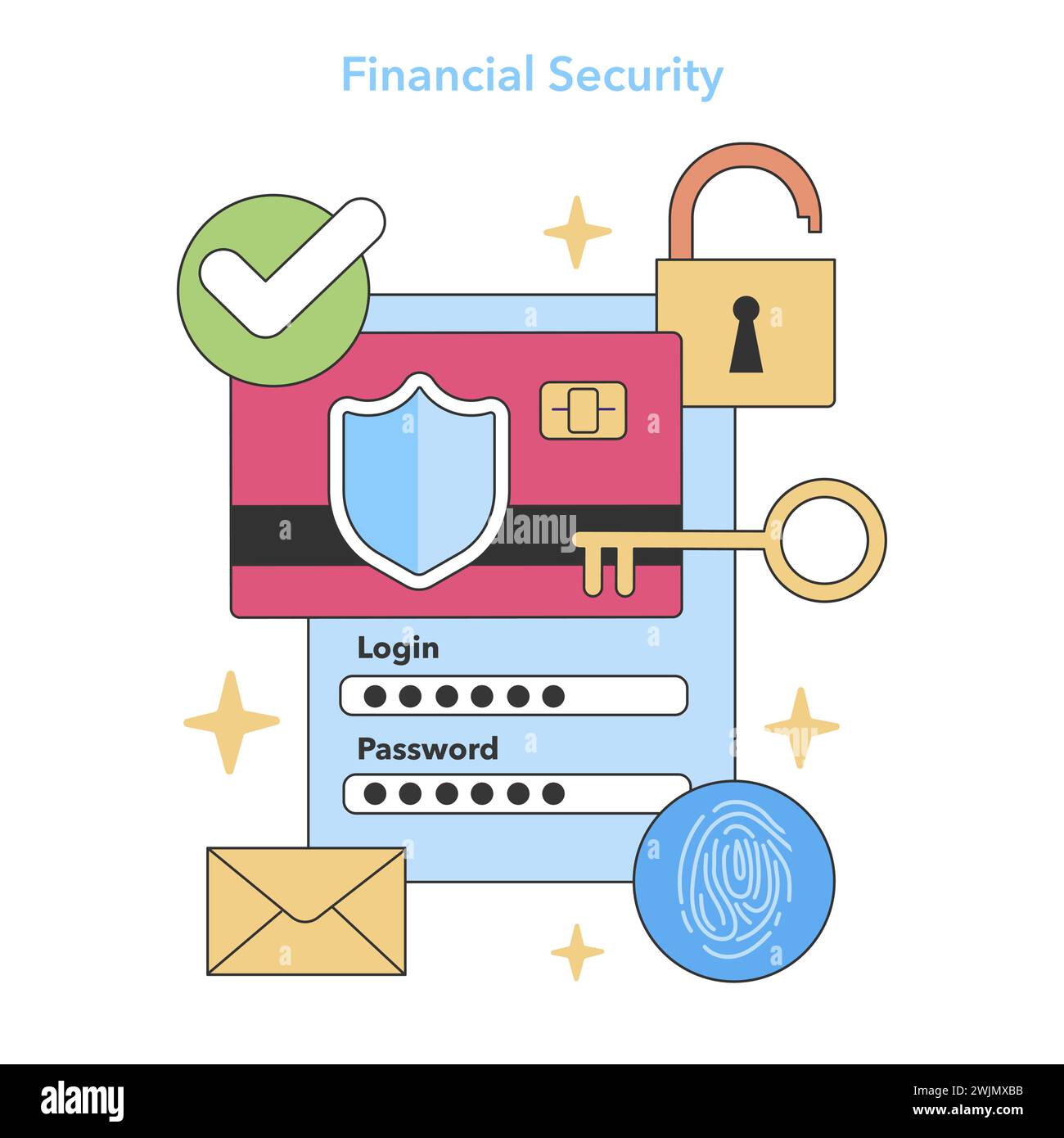
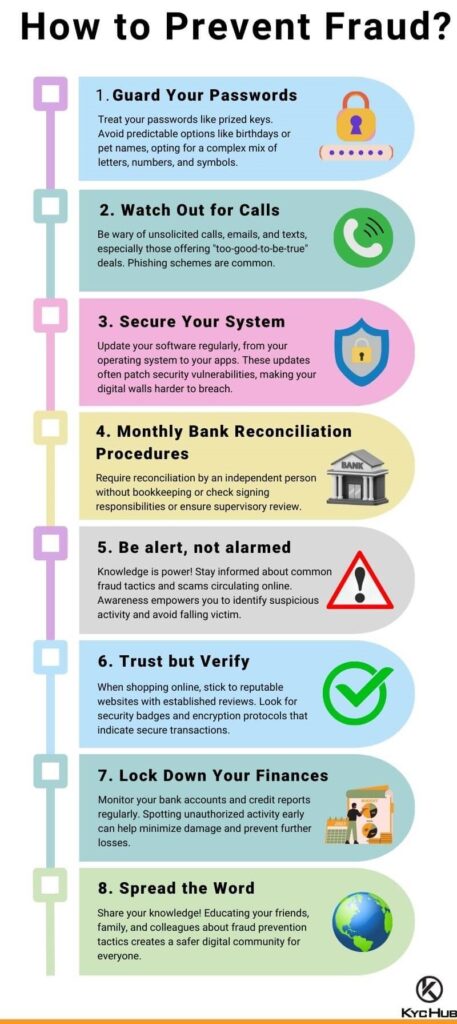
- Use strong, unique passwords for your online banking account and other sensitive accounts.
- Enable two-factor authentication (2FA) to add an extra layer of security.
- Monitor your account activity regularly for any suspicious transactions.
- Keep your computer and mobile devices up-to-date with the latest security patches and software updates.
- Be cautious when clicking on links or downloading attachments from unknown sources.

Staying Safe While Banking Online
Online banking is generally safe, as financial institutions implement strict security measures to protect users' finances and personal data. However, customers also need to take precautions to stay safe. Here are some tips to keep in mind:
- Use a secure device, such as a laptop or tablet, to access your online banking account.
- Keep your online banking app updated with the latest security patches and software updates.
- Use a password manager to generate and store unique, complex passwords.
- Regularly review your account activity and report any suspicious transactions to your bank.
Expert Tips for Protecting Your Financial Information
Here are some expert tips to help you protect your financial information:
- Use a credit monitoring service to track your credit report and detect any suspicious activity.
- Set up alerts for large transactions or suspicious activity on your account.
- Use a secure browser extension, such as LastPass or 1Password, to generate and store complex passwords.
- Keep your anti-virus software up-to-date to detect and remove malware and other online threats.
Conclusion
Protecting your financial security in online banking requires vigilance and proactive measures. By following the best practices and expert tips outlined in this article, you can safeguard your personal and financial information from cyber threats. Remember, online banking security is a shared responsibility between you and your financial institution. Stay informed, stay safe, and enjoy the convenience of online banking.