Protecting Against Malware in Mobile Payments: Essential Cybersecurity Measures
As the use of mobile payments continues to rise, so does the risk of malware and other cyber threats. Protecting against malware in mobile payments is crucial to ensuring the safety and security of financial transactions. In this article, we will explore the common types of payment fraud in mobile wallets and provide practical tips on how to protect against the new emerging threats.
The Risks of Mobile Payments
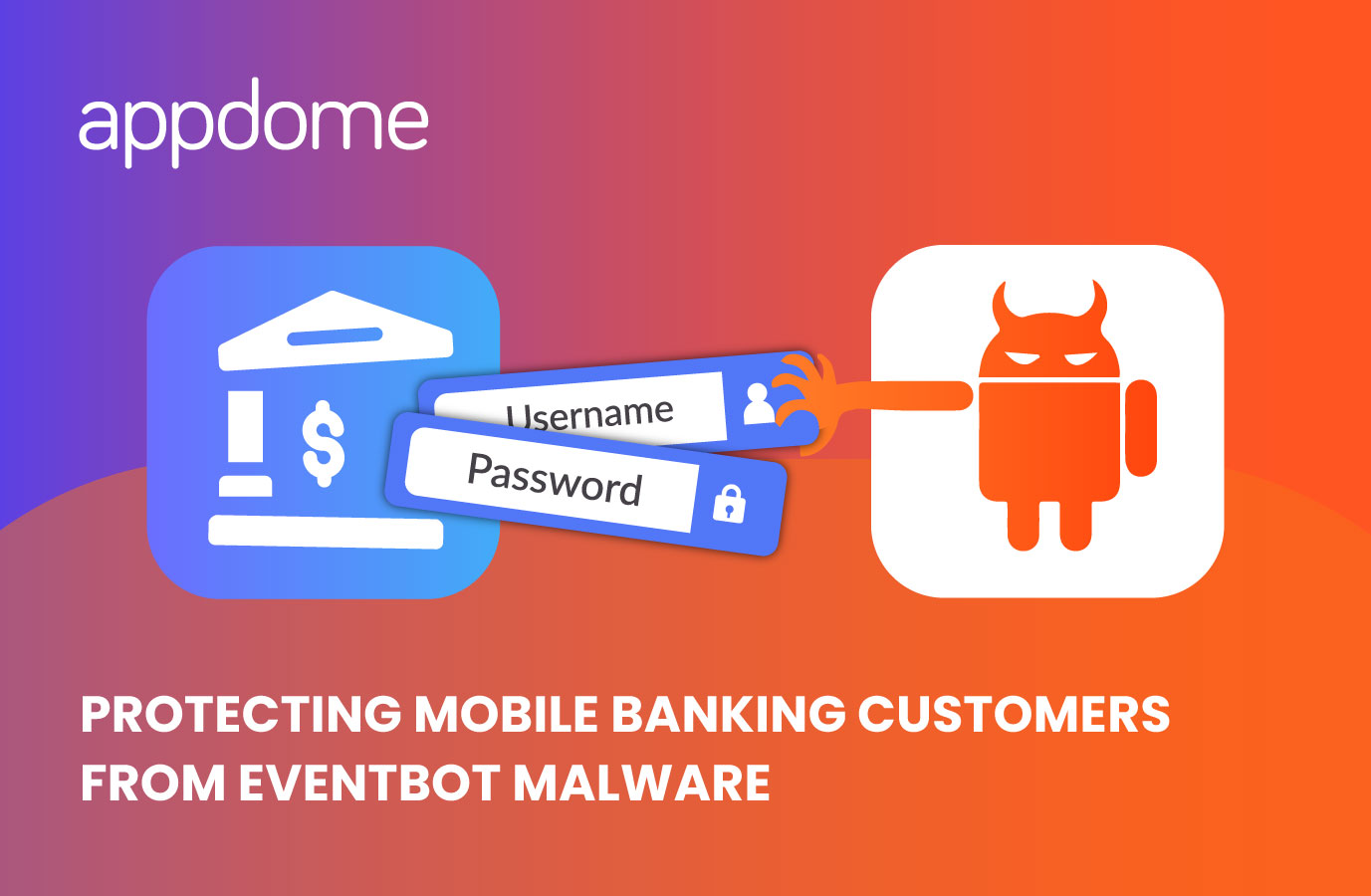
Mobile payments have become a convenient and popular way to make transactions, but they also come with a range of risks. Malware, phishing, and ransomware are common forms of cyber-attacks that can compromise mobile payments. Malware, in particular, is a type of malicious software that can steal sensitive information and disrupt financial transactions.
Common Types of Payment Fraud in Mobile Wallets
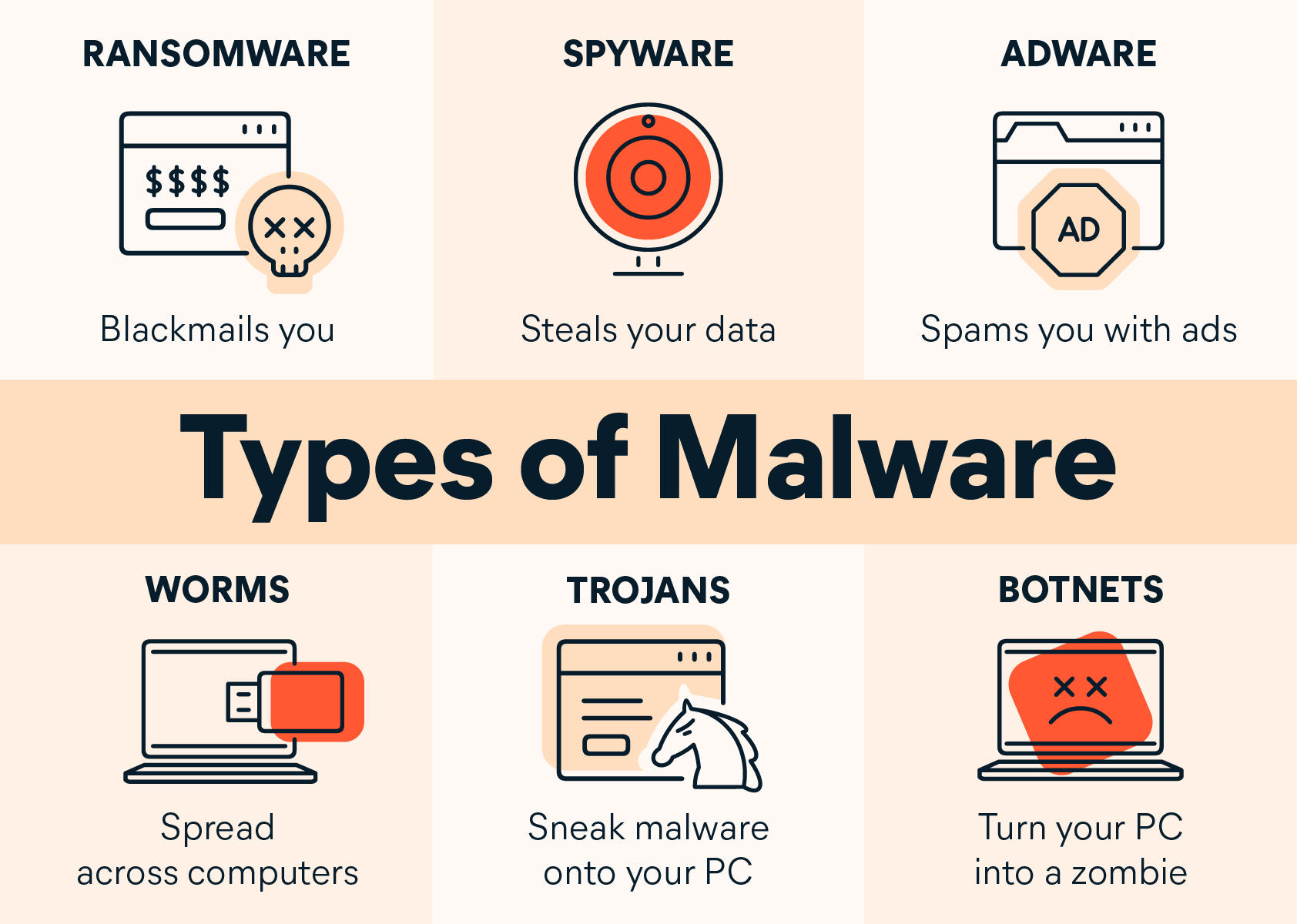
- Malware: Malware is a type of malicious software that can steal sensitive information and disrupt financial transactions. It can be installed on mobile devices through phishing attacks or by downloading infected apps.
- Phishing: Phishing is a type of social engineering attack that involves tricking users into revealing sensitive information. Cyber attackers may use phishing attacks to steal login credentials or credit card information.
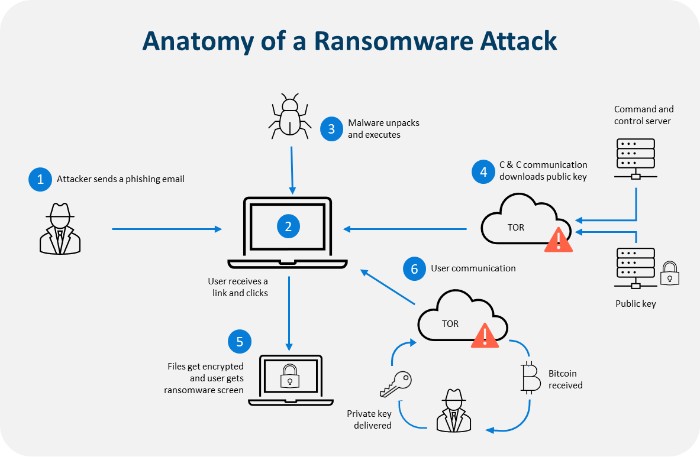
- Ransomware: Ransomware is a type of malware that encrypts sensitive information and demands payment in exchange for the decryption key. It can be spread through phishing attacks or infected apps.
Protecting Against Malware in Mobile Payments
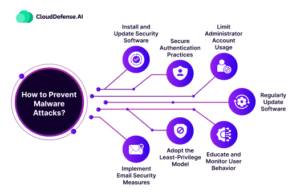
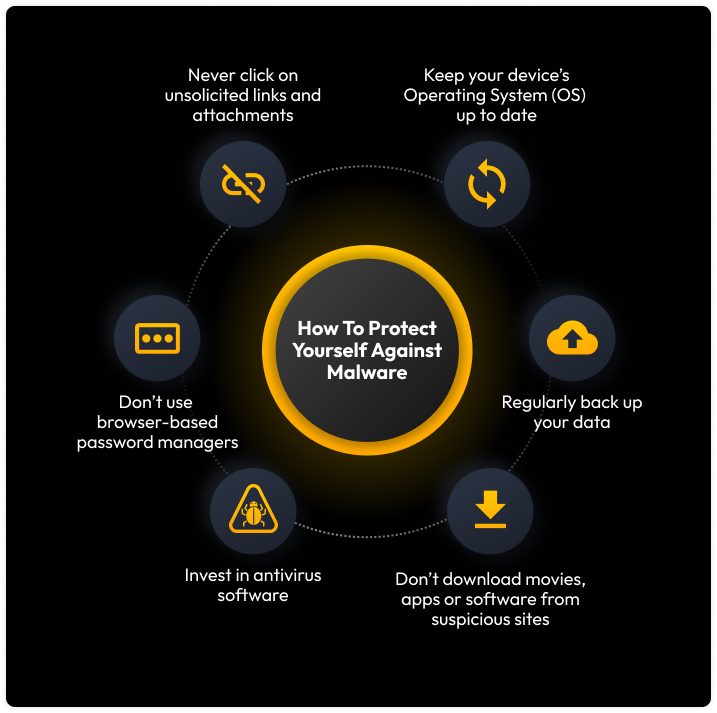
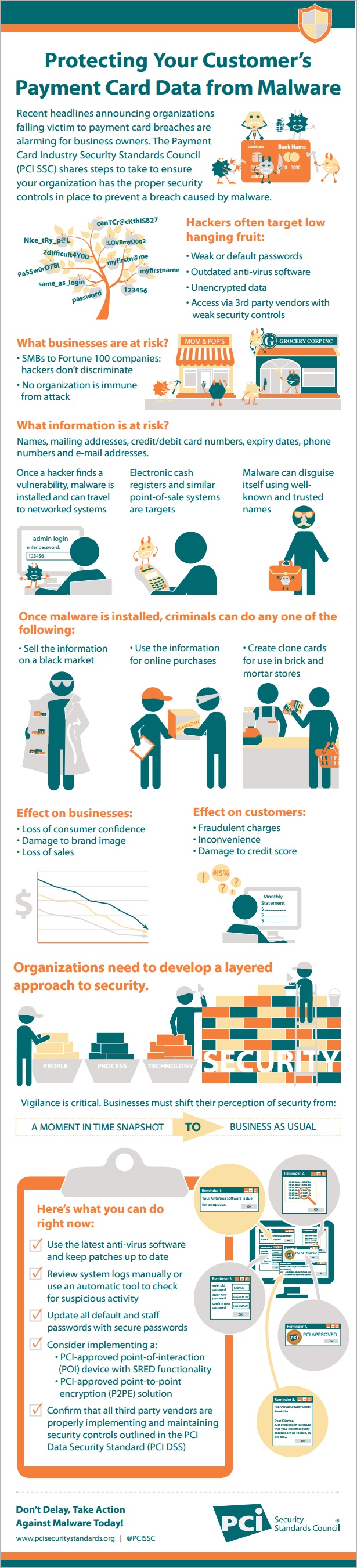
To protect against malware in mobile payments, it's essential to take a multi-layered approach to security. Here are some practical tips to help you protect against malware and other cyber threats:
- Use reputable app stores: Only download apps from reputable app stores, such as Google Play or Apple App Store. These stores have strict security measures in place to ensure that apps are safe and secure.
- Regularly update apps and operating systems: Regularly update your apps and operating systems to ensure that you have the latest security patches and features.
- Install reliable mobile security software: Install reliable mobile security software that can detect and remove malware. Look for software that offers real-time protection, anti-virus scanning, and app scanning.
- Use strong passwords: Use strong, unique passwords for all your accounts. Avoid using easily guessable passwords, such as your name or birthdate.
- Be cautious of public Wi-Fi: Be cautious of public Wi-Fi networks, as they can be vulnerable to cyber attacks. Avoid making financial transactions over public Wi-Fi networks.
Advanced Security Features for Mobile Payments
Advanced security features can help protect mobile payments from cyber threats. Some of the advanced security features to look out for include:
- Biometric authentication: Biometric authentication, such as fingerprint or facial recognition, can provide an additional layer of security for mobile payments.
- Encryption: Encryption can protect sensitive information from being intercepted or accessed by unauthorized parties.
- Tokenization: Tokenization is a technology that replaces sensitive information, such as credit card numbers, with a unique token. This can help protect sensitive information from being accessed by unauthorized parties.
Conclusion
Protecting against malware in mobile payments is crucial to ensuring the safety and security of financial transactions. By taking a multi-layered approach to security, including using reputable app stores, regularly updating apps and operating systems, installing reliable mobile security software, and using advanced security features, you can help protect your mobile payments from cyber threats.
Learn more about how to prevent mobile payment fraud with essential cybersecurity measures. Discover how SearchInform can protect your business. Get started today!