Protecting Your Wi-Fi Network from Malware: A Comprehensive Guide
Are you concerned about the security of your Wi-Fi network? With the rise of malware and cyber threats, it's essential to take proactive steps to protect your home network from hackers and unauthorized access. In this article, we'll provide you with a comprehensive guide on how to protect your Wi-Fi network from malware and ensure a safe and secure online experience.Understanding the Risks of Malware
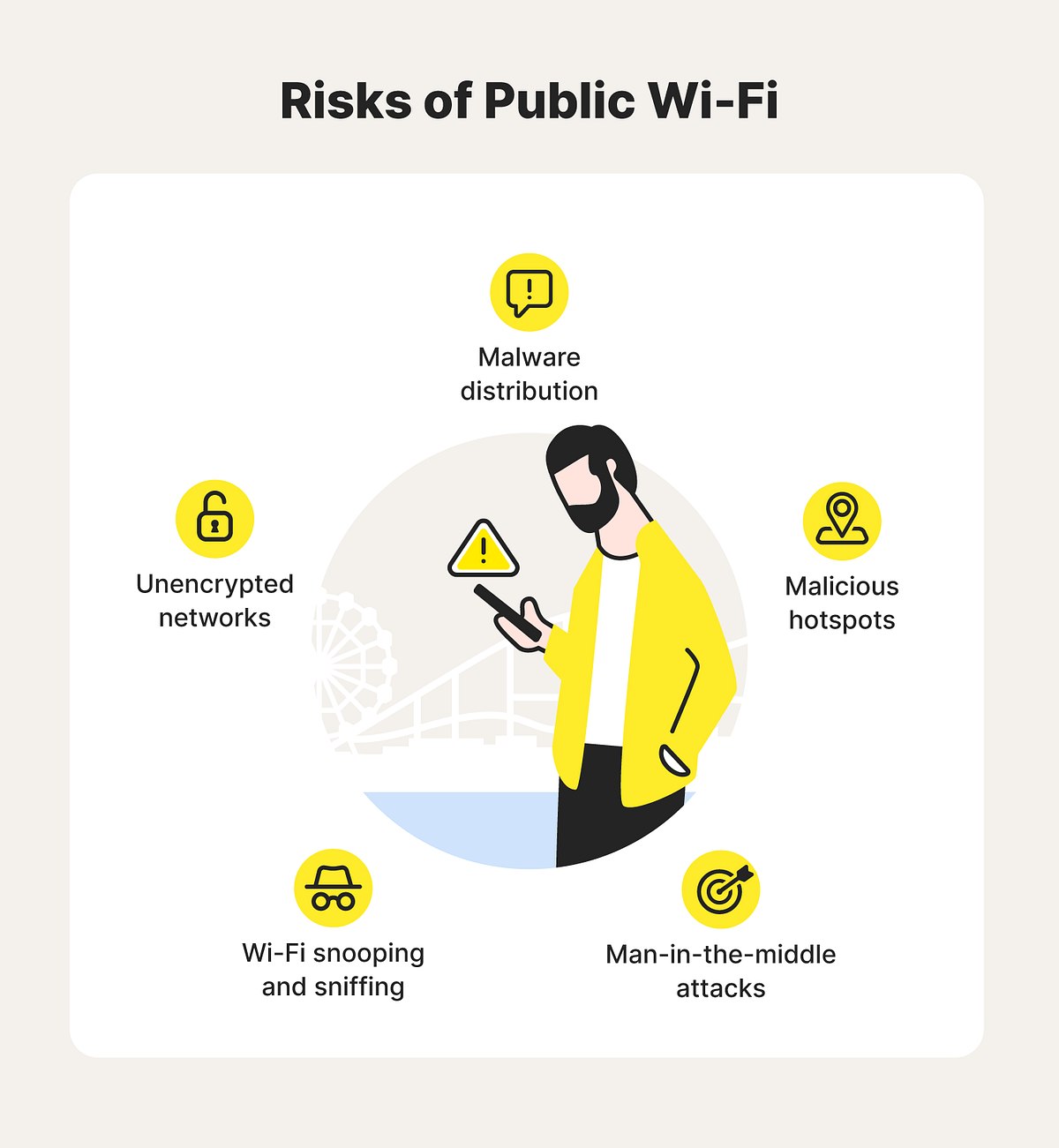
Malware, short for malicious software, is designed to harm or exploit computer systems, networks, and devices. It can be used to steal sensitive information, disrupt network operations, or even gain control over devices. If someone gains access to your Wi-Fi network, they can potentially spy on your traffic, steal passwords, hijack your devices, and use your internet connection for illegal activities.Tips to Secure Your Wi-Fi Network at Home
Here are the basics for protecting your home Wi-Fi network: *Position your router in a central location to ensure equal signal strength throughout your home.
*Change the default admin password for your router and make sure to update your router's firmware regularly.
*Disable Wi-Fi Protected Setup (WPS) to prevent threat actors from making changes to your router without connecting to your network first, either wirelessly or via cable.
*Use a strong and unique password for your Wi-Fi network, and avoid using easily guessable information such as your name, birthdate, or common words.
Advanced Security Measures to Protect Your Wi-Fi Network
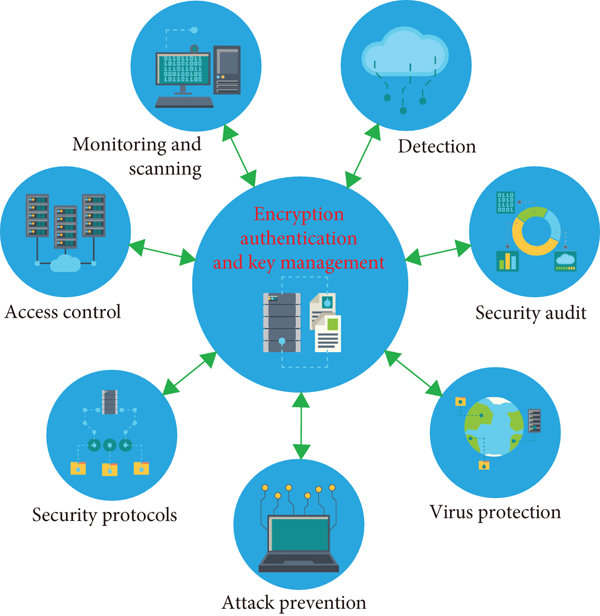
To further secure your Wi-Fi network, consider the following advanced security measures: *Use WPA3 encryption, the latest and most secure encryption standard available.
*Set up a guest network to isolate visitors from your main network, preventing them from accessing sensitive information.
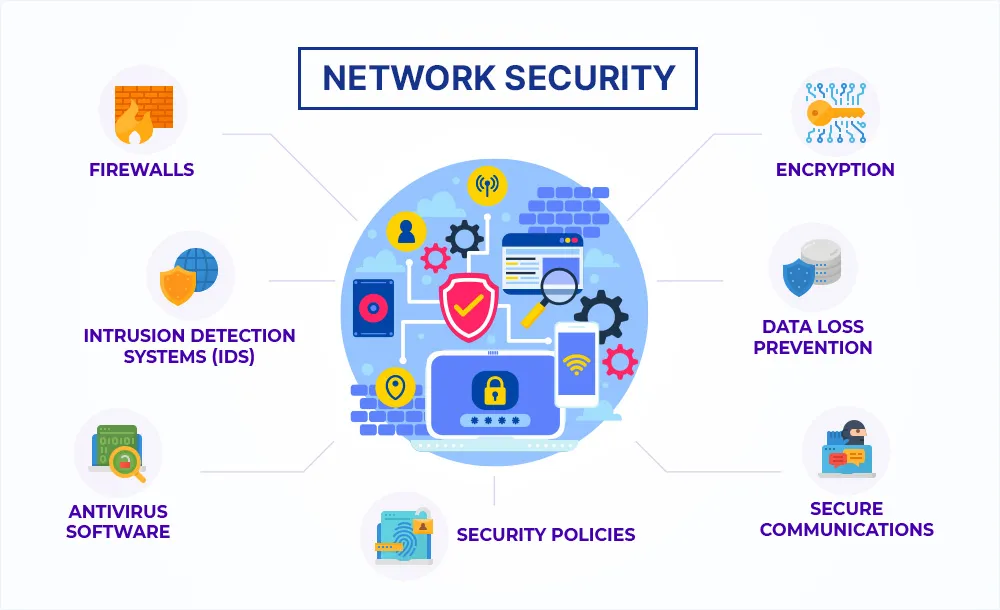
Use a VPN (Virtual Private Network) to encrypt your internet traffic and protect your data when using public Wi-Fi networks.
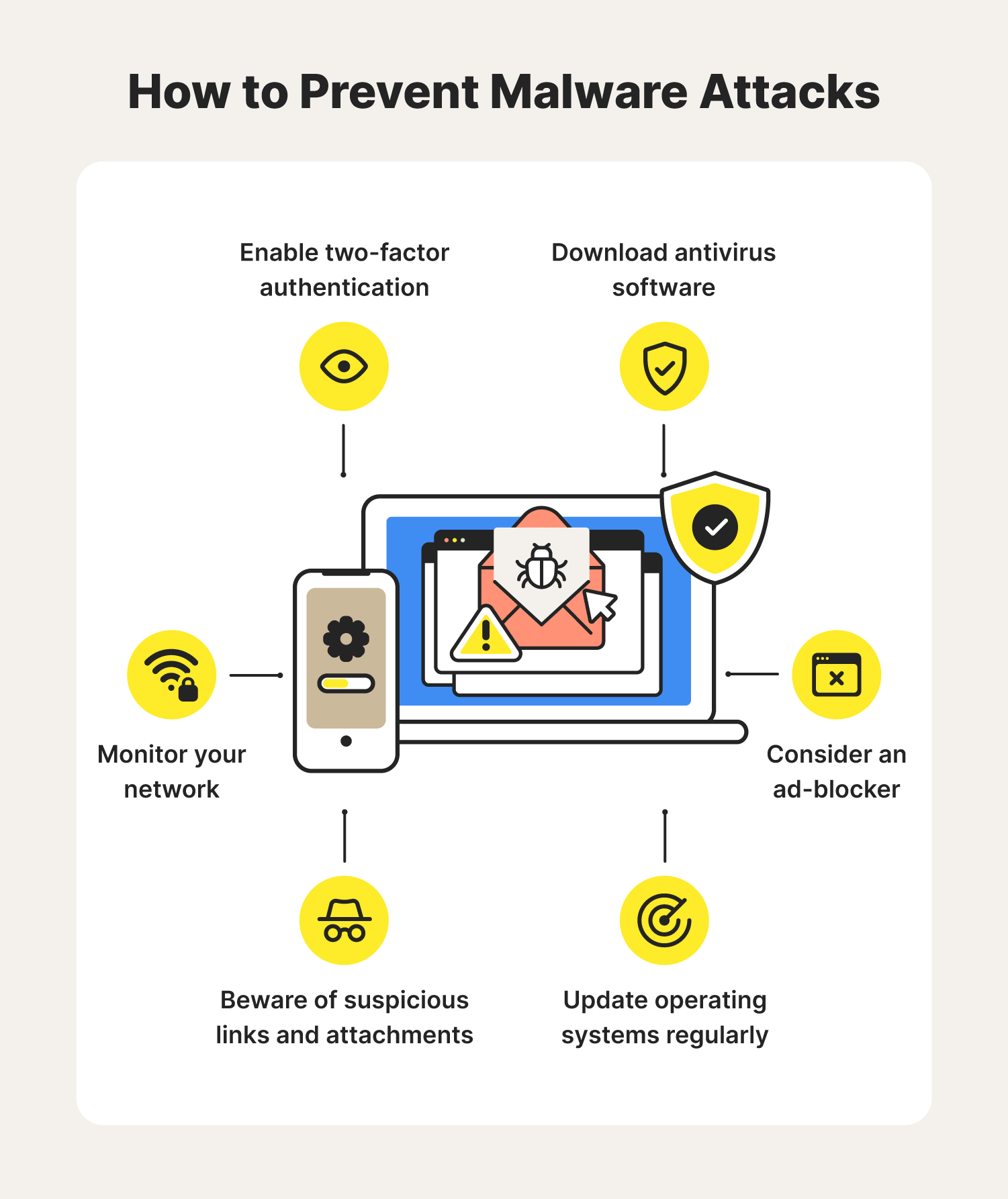
*Regularly scan your network for vulnerabilities and malware using a reputable antivirus software.
Best Practices for Wi-Fi Security
To ensure the security of your Wi-Fi network, follow these best practices: *Keep your router and devices up to date with the latest security patches and software updates.
*Use strong and unique passwords for all devices and accounts connected to your network.
*Avoid using public Wi-Fi networks for sensitive activities, such as online banking or shopping.
*Monitor your network activity regularly to detect any suspicious behavior or malware.