Treating Tech Neck Strain: A Comprehensive Guide
Are you tired of living with persistent neck pain and stiffness caused by staring at your phone or computer for hours on end? You're not alone. The increasing reliance on technology has given rise to a condition known as "tech neck," which can cause significant discomfort and even long-term damage to the spine.
What is Tech Neck Strain?
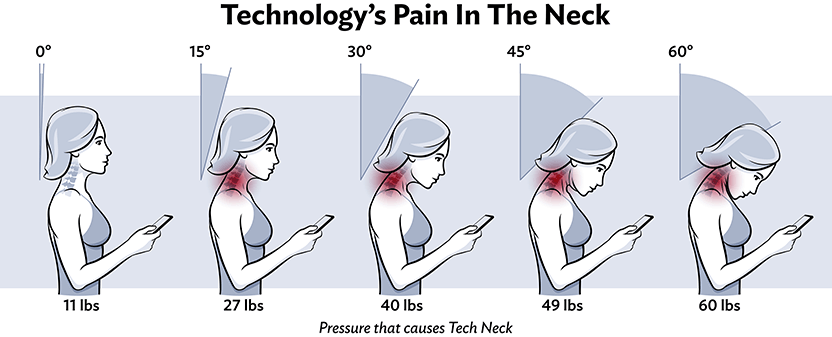
Also known as text neck or repetitive strain injury (RSI), tech neck is a condition that affects the neck and shoulder muscles due to prolonged forward head posture. This can cause strain on the cervical spine and surrounding muscles, leading to pain, stiffness, and limited range of motion.
Causes and Symptoms of Tech Neck Strain
- Repetitive strain caused by looking down at devices for extended periods
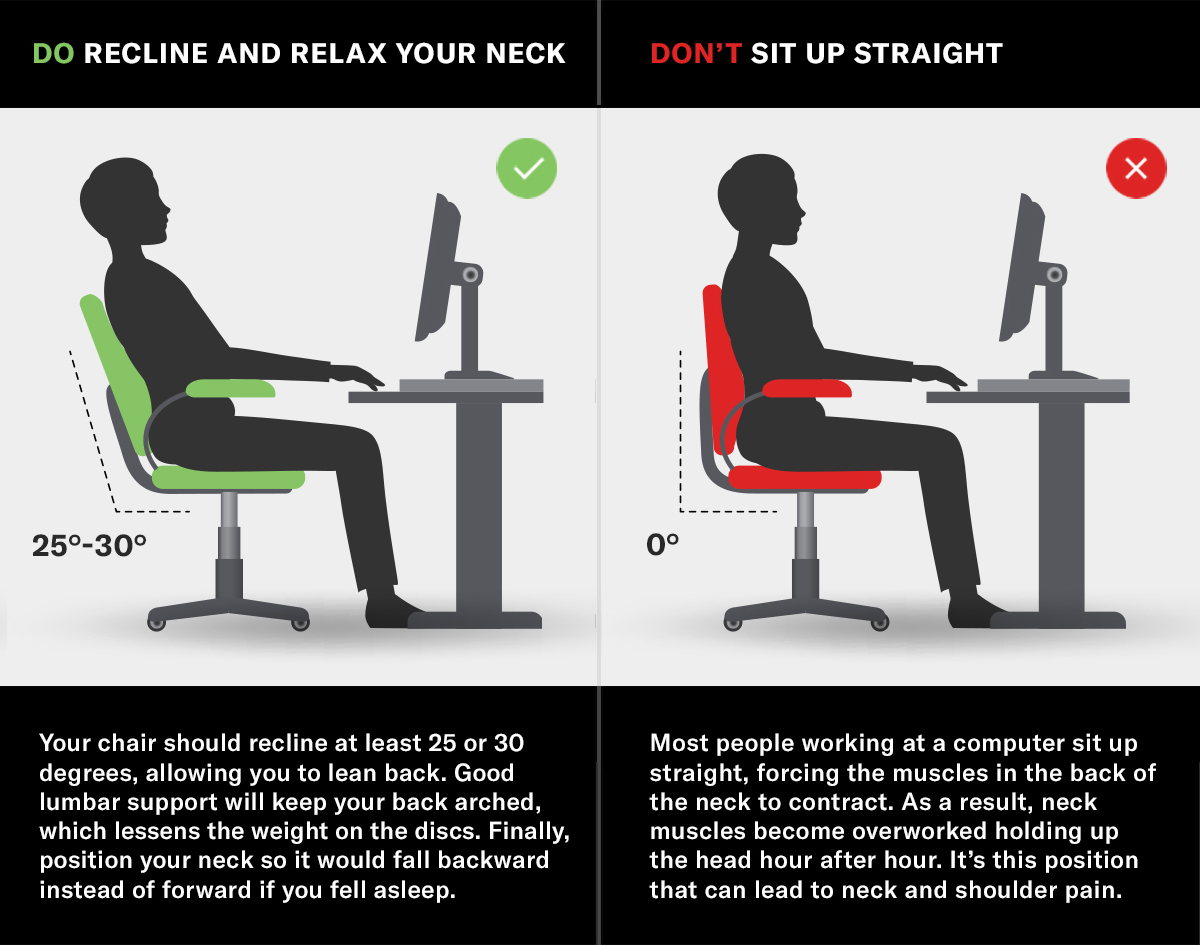
- Poor posture while using technology, such as phones, computers, or tablets
- Weak neck and shoulder muscles
- Headaches and migraines
- Neck pain and stiffness
- Limited range of motion in the neck and shoulders
Exercises to Relieve Tech Neck Strain
In addition to taking regular breaks and maintaining good posture, exercises can help alleviate tech neck strain. Some simple stretches and strengthening moves include:
- Chin Tucks: Stand or sit with good posture and slowly tuck your chin towards your chest, holding for 10-15 seconds
- Shoulder Rolls: Roll your shoulders forward and backward in a circular motion, repeating for 10-15 repetitions
- Neck Stretch: Slowly tilt your head to the right, bringing your ear towards your right shoulder, and hold for 10-15 seconds. Repeat on the left side
- Scalene Stretch: Place your right hand on a wall or door frame and lean to the right, stretching your neck and shoulder muscles. Hold for 10-15 seconds and repeat on the left side
- Strengthening Exercises: Incorporate exercises that strengthen your neck and shoulder muscles, such as shoulder blade squeezes and neck bridges
Postural Habits to Prevent Tech Neck Strain
Maintaining good posture while using technology is essential for preventing tech neck strain. Some tips include:
- Place your device at eye level or slightly below to avoid tilting your head forward
- Take regular breaks to stand up, stretch, and move around every 30-60 minutes
- Use a headset or speakerphone for hands-free calls and video conferencing
- Avoid looking down at your device for extended periods, instead taking breaks to look up and around
- Consider using a standing desk or adjustable monitor to promote good posture
When to Seek Professional Help
If you experience persistent or severe tech neck strain, it's essential to seek professional help from a healthcare provider or physical therapist. They can assess your condition and provide personalized treatment recommendations, including:
- Manual therapy to relieve muscle tension and improve range of motion
- Postural retraining to improve your overall posture and reduce strain on your neck and shoulders
- Corrective exercises to strengthen your neck and shoulder muscles
- Chiropractic care to improve spinal alignment and reduce pressure on the cervical spine
Conclusion
Treating tech neck strain requires a comprehensive approach that incorporates exercises, postural habits, and professional help when needed. By taking proactive steps to address this condition, you can reduce your risk of developing chronic neck pain and improve your overall well-being.