Leavening Agents in Pancake Batter: Unlocking the Secrets of Fluffy Pancakes
When it comes to making perfectly fluffy pancakes, understanding the role of leavening agents is crucial. These agents produce carbon dioxide gas that creates bubbles, making the batter rise and become airy. In this article, Leavening agents in pancake batter, we'll delve into the science behind these agents and explore how they impact the texture and rise of your pancakes.
The Science of Leavening Agents
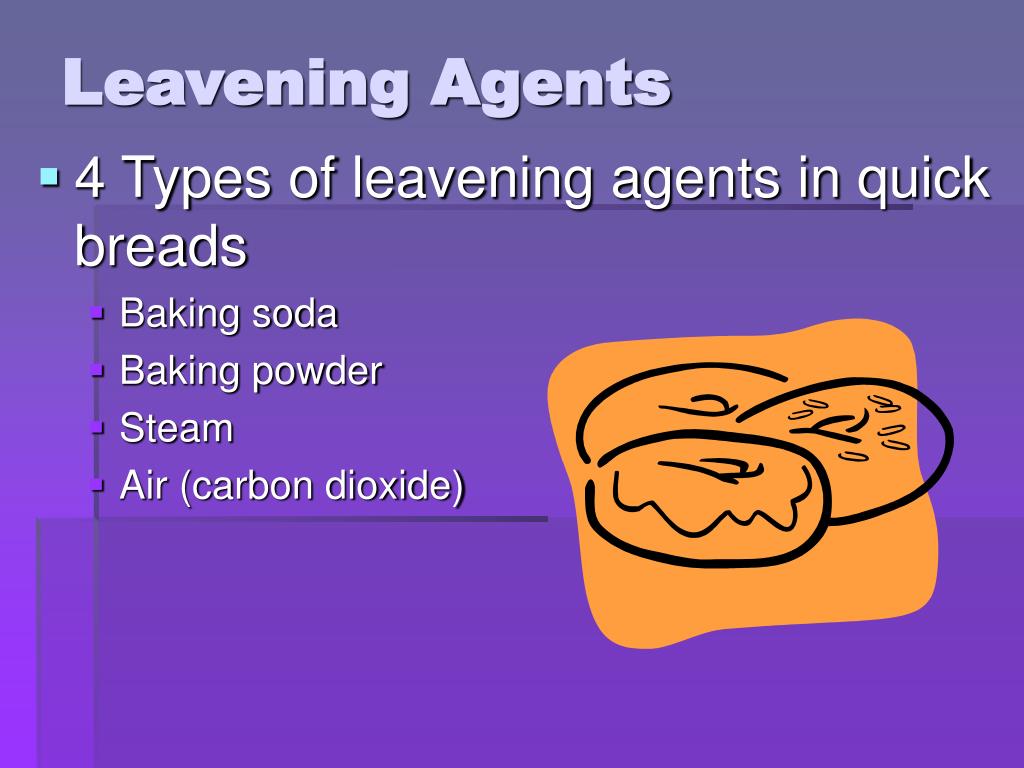
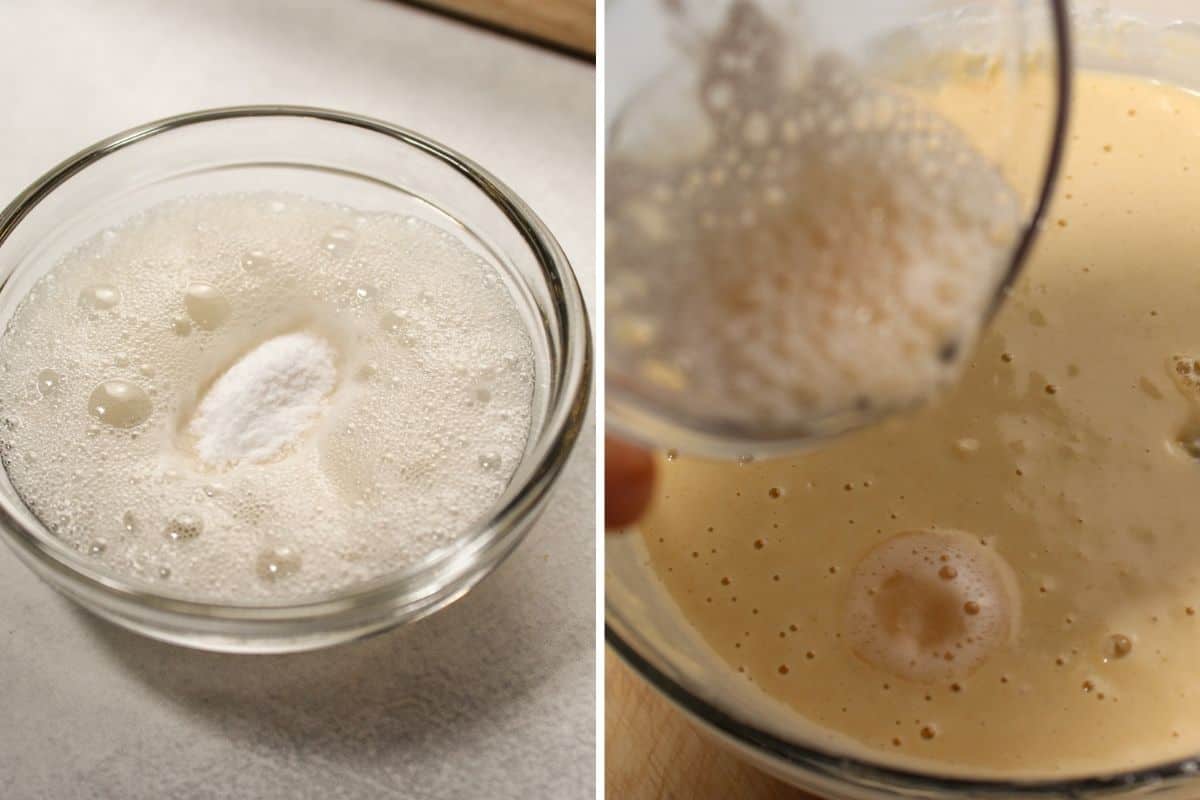
Leavening agents, such as baking powder and baking soda, play a vital role in making fluffy pancakes. These agents release carbon dioxide gas as they react with liquid ingredients, heat, and acidity, causing the batter to rise and giving the pancakes their light and airy texture.
- Chemical Leavening: This type of leavening relies on reactions between ingredients to create carbon dioxide gas, which forms bubbles in the batter and makes pancakes rise.
- Biological Leavening: This type of leavening involves the use of living organisms, such as yeast, to ferment the batter and produce carbon dioxide gas.
Types of Leavening Agents
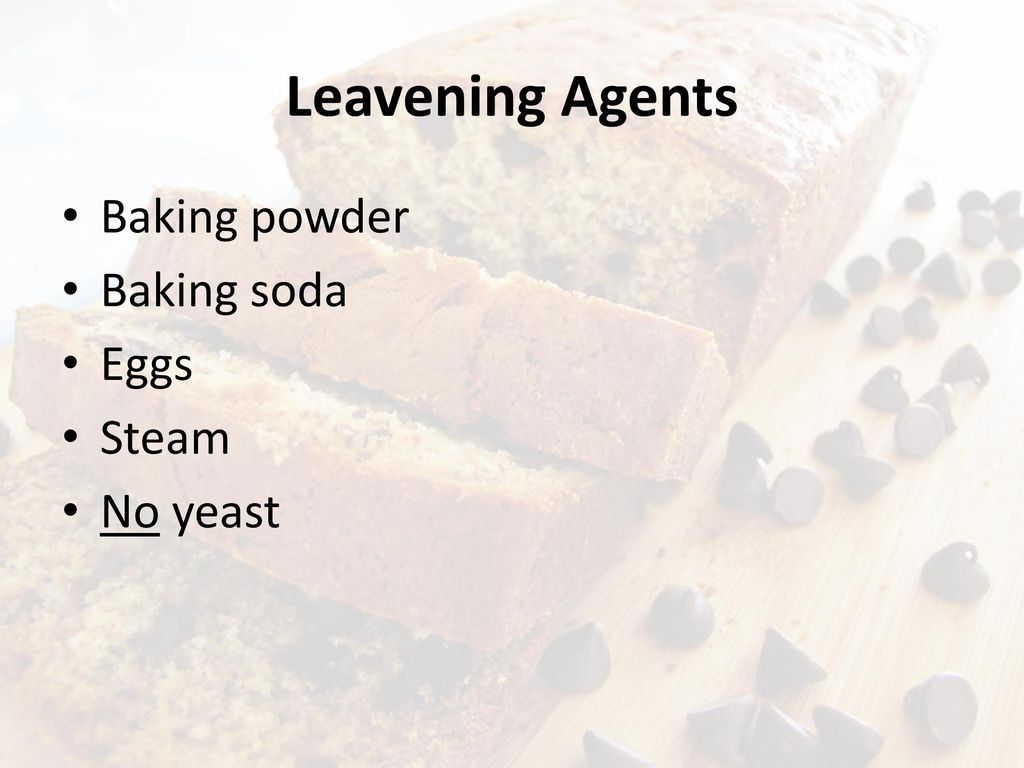
There are several types of leavening agents used in pancake batter, including:
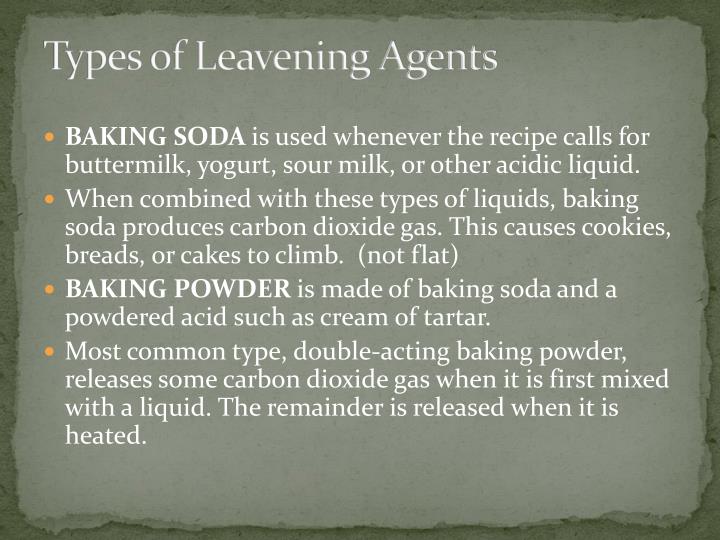
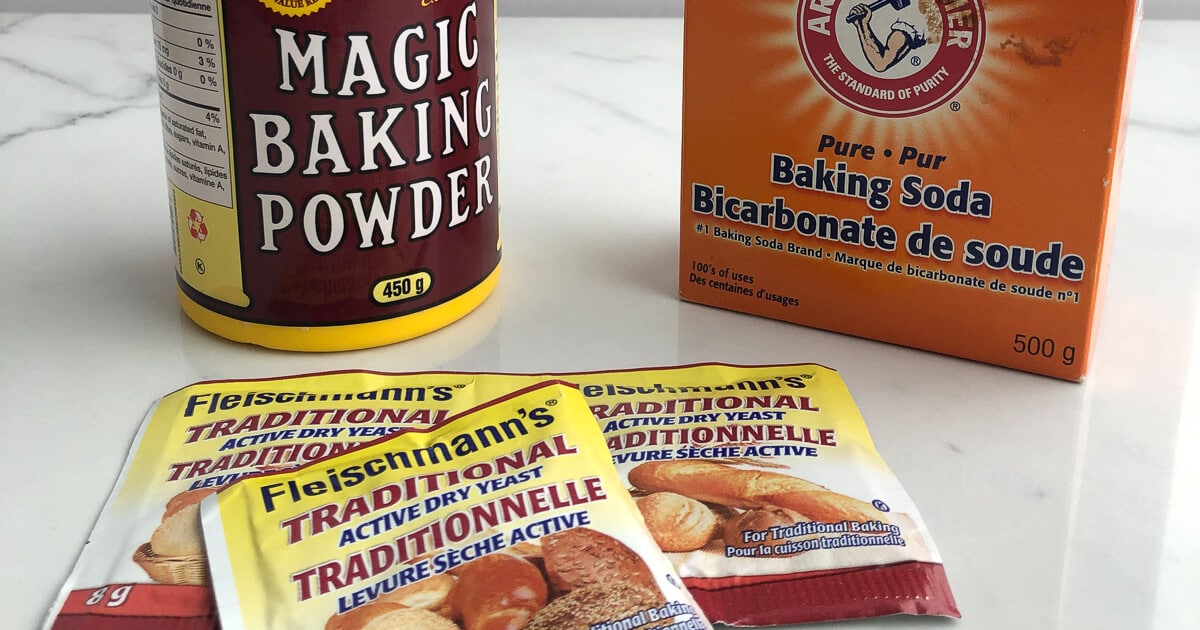
- Baking Powder: A premixed combination of an acid (usually cream of tartar) and a base (usually baking soda), which produces carbon dioxide gas when mixed with liquid ingredients and heat.
- Baking Soda: A base that releases carbon dioxide gas when it comes into contact with an acid, such as buttermilk or yogurt.
- Yeast: A living organism that ferments the batter and produces carbon dioxide gas.

How Leavening Agents Work
When leavening agents are added to pancake batter, they start to work as soon as the batter comes into contact with liquid ingredients and heat. The reaction between the leavening agents and the liquid ingredients produces carbon dioxide gas, which forms bubbles in the batter and makes the pancakes rise.
Tips for Achieving Fluffy Pancakes
To achieve the fluffiest pancakes, follow these tips:
- Use fresh leavening agents: Expired or inactive leavening agents can lead to dense pancakes.
- Don't overmix the batter: Overmixing can lead to tough pancakes.
- Let the batter rest: Allowing the batter to rest for a few minutes can help the leavening agents to activate and produce more carbon dioxide gas.
- Use the right type of leavening agent: Baking powder and baking soda are the most common leavening agents used in pancake batter, while yeast is used in yeast-based pancake recipes.
Conclusion
Leavening agents play a crucial role in making fluffy pancakes. By understanding the science behind these agents and using the right type and amount of leavening agents, you can achieve perfectly fluffy pancakes every time.



:max_bytes(150000):strip_icc()/All-about-leavening-color-V3-f891e7cdd7f84d01a0d30977e2ae936b.png "Fluffy Pancakes Recipe: Mastering the Art of Light and Airy Breakfast ...")