Cybersecurity for Online Banking: A Comprehensive Guide
In the digital age, online banking has become an integral part of modern banking services. With the increasing use of online banking, the risk of cyber threats has also escalated. Cybersecurity for online banking is a critical concern that requires continuous vigilance and adaptation to emerging threats.
Understanding the Risks
The banking sector is facing unprecedented cybersecurity challenges. As financial institutions increasingly digitize their services to meet consumer demands for seamless online banking, cybercriminals are evolving their tactics at an alarming rate.
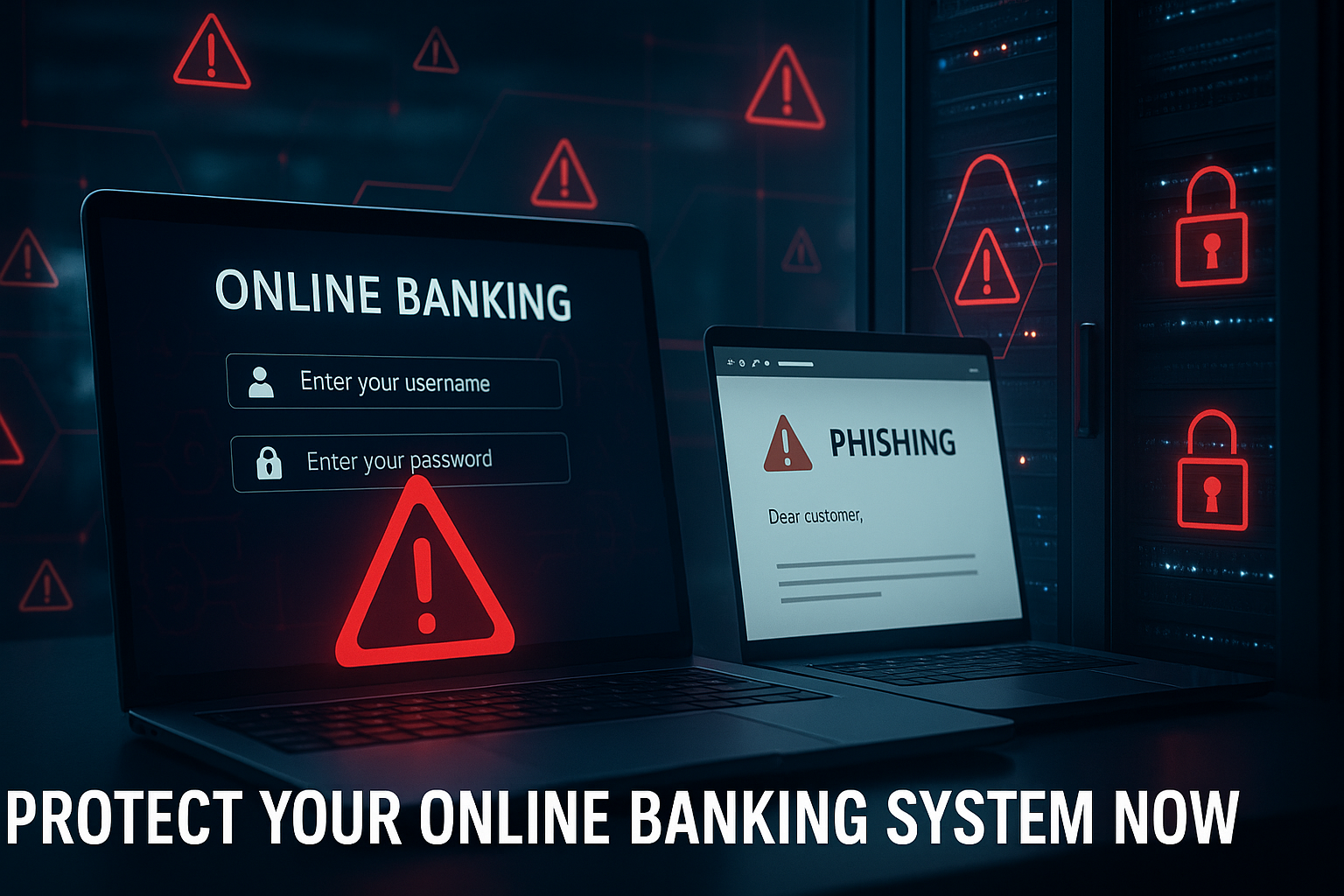
- Phishing attacks: Cybercriminals use phishing emails or messages to trick online banking users into revealing their login credentials or sensitive information.
- Ransomware: Malicious software that encrypts online banking systems and demands a ransom in exchange for the decryption key.
- Account takeover: Cybercriminals gain unauthorized access to an online banking user's account, allowing them to conduct transactions or steal sensitive information.
- MitM attacks: Cybercriminals intercept online banking transactions between the user and the bank, allowing them to steal sensitive information or alter transactions.
- Insider threats: Authorized bank employees or contractors with access to online banking systems and data may commit cybercrimes or compromise security.
Cybersecurity Best Practices for Online Banking
To enhance security, online banking users can implement the following best practices:
- Use strong, unique passwords for online banking and other sensitive accounts.
- Enable two-factor authentication (2FA) or multi-factor authentication (MFA) to add an extra layer of security.
- Keep online banking software and operating systems updated with the latest security patches.
- Be cautious when clicking on links or downloading attachments from unknown sources.
- Monitor online banking accounts regularly for suspicious activity.
- Use reputable antivirus software and a firewall to protect against malware and other cyber threats.
Implementing a Comprehensive Cybersecurity Framework
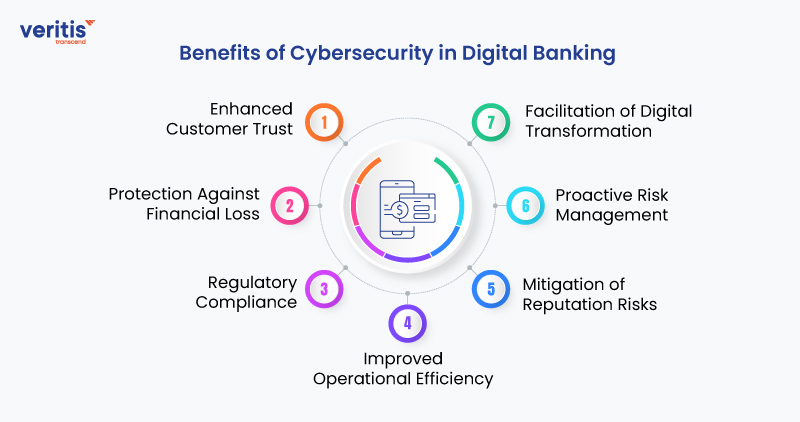
Implementing a comprehensive cybersecurity framework is vital for safeguarding digital banking platforms. This involves adopting risk-based strategies that prioritize protection based on potential threat impact and vulnerability levels.
Financial institutions can implement the following measures to enhance cybersecurity:
- Conduct regular security assessments and penetration testing.
- Implement a incident response plan to quickly respond to and contain cyber incidents.
- Provide cybersecurity awareness training to employees and customers.
- Use advanced threat detection and prevention solutions, such as AI-powered systems.
- Regularly review and update security policies and procedures.
Conclusion
Cybersecurity for online banking is a continuous process that requires vigilance and adaptation to emerging threats. By understanding the risks and implementing comprehensive cybersecurity best practices, financial institutions and online banking users can protect against cyber threats and ensure a secure online banking experience.
As the banking sector continues to evolve, it's essential to stay ahead of cyber threats and implement innovative cybersecurity solutions to safeguard digital banking platforms.