Online Password Security Best Practices for a Safe Digital Experience
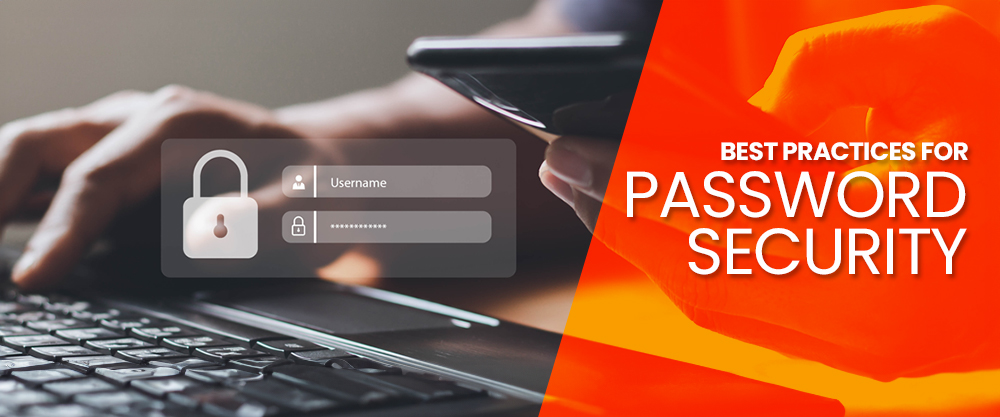
In today's digital age, online password security is more crucial than ever. With numerous high-profile data breaches and cyber attacks making headlines, it's essential to follow the online password security best practices to safeguard your personal and professional online presence. A robust password is the first line of defense against unauthorized access to your accounts, making it crucial to choose strong, unique passwords for each online account.
The Risks of Weak Passwords
Weaker passwords, such as those consisting of dictionary words, easy-to-guess phrases, or easily remembered combinations, leave your accounts vulnerable to hacking attempts. In fact, research suggests that weak passwords are a major factor in successful cyber breaches.
- Using the same password across multiple accounts
- Choosing easily guessable passwords, such as birthdays or common words
- Reusing passwords from online shopping or social media accounts
- Not updating passwords regularly
Best Practices for Creating Strong Passwords
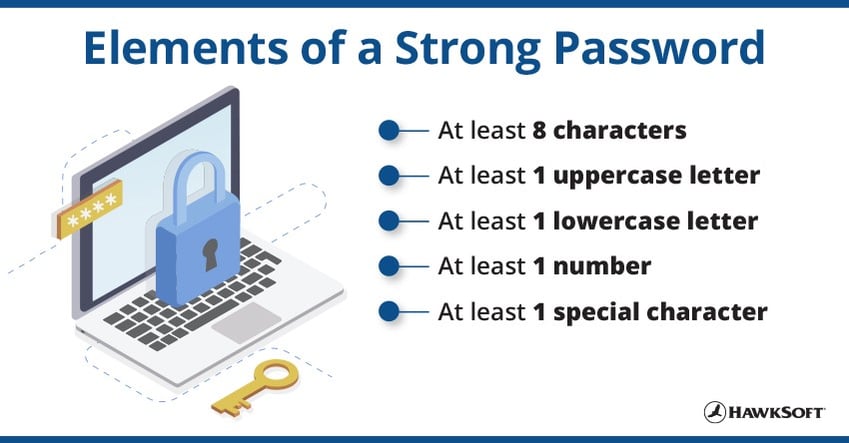
Creating strong passwords can help prevent account hijacking and data breaches. When creating a strong password, consider the following guidelines:
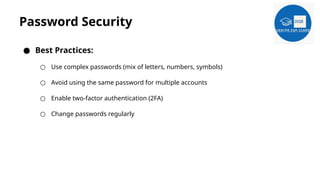
- Length: A password should be at least 12 characters long, but 14 or more is better.
- Combination: Use a combination of uppercase letters, lowercase letters, numbers, and special characters.
- Uniqueness: Use unique passwords for each online account.
- Complexity: Don't use easily guessable information, such as birthdays or common words.
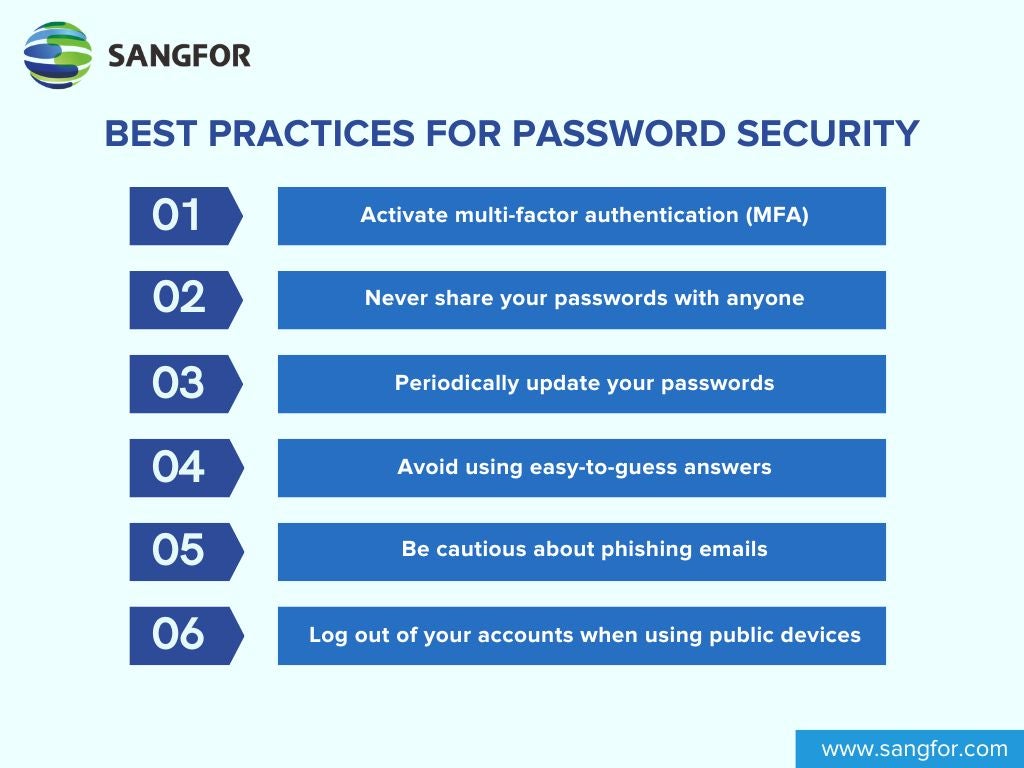
- Rotation: Periodically update your passwords to maintain security.
Password Manager Solutions and Multi-Factor Authentication
Using a password manager can simplify the process of creating and managing strong passwords. These tools allow you to securely log in to your accounts and generate complex passwords for you, saving you time and ensuring their security. Additionally, consider implementing multi-factor authentication (MFA) to add an extra layer of security to your online accounts.
Additional Tips for Effective Online Password Security
Implementing strong passwords and password management techniques, such as MFA, is just the starting point for ensuring the security of your online presence. Here are some additional tips:
- Require strong passwords for all employees
- Train employees on password security best practices
- Implement multi-factor authentication
- Update your software and plugins frequently
Conclusion
Ensuring online password security best practices is a crucial step in maintaining the integrity of your digital presence. By following the guidelines outlined in this article, including choosing strong and unique passwords, using password managers, and employing multi-factor authentication, you can significantly reduce the risk of compromising your online data. Stay safe and secure online by implementing these best practices and staying vigilant about your cybersecurity habits.

 "Password Best Practices for Stronger Security")