Resistor Testing: A Comprehensive Guide
Resistors are a vital component found in almost every electronic circuit, and their proper functioning is crucial for the circuit's overall performance. A bad resistor can lead to other components failing or the entire circuit shutting down. In this article, we will guide you through the process of resistor testing, including how to test a resistor with a multimeter, and provide tips and tricks for accurate measurement.
Why Test Resistors?
Testing resistors is essential for troubleshooting circuits, checking the health of components like resistors or wires, and identifying shorts or open circuits. It's a key step to diagnose electrical problems and ensure everything is functioning correctly. Whether you're a seasoned electronics engineer or a beginner, resistor testing is a fundamental skill to master.
The Basics of Resistor Testing
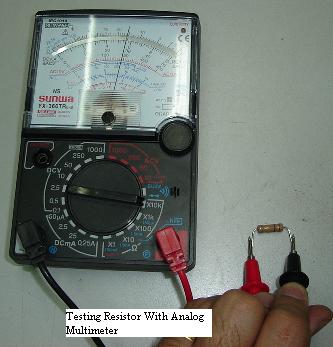
A resistor is a component that limits the flow of electrical current in an electronic circuit. They can also be used to provide a specific voltage or to divide a voltage. To test a resistor, you will need a multimeter (either digital or analog) that has a resistance measurement function (measured in ohms), safety goggles, gloves, and the resistor(s) to be tested.
How to Test a Resistor with a Multimeter
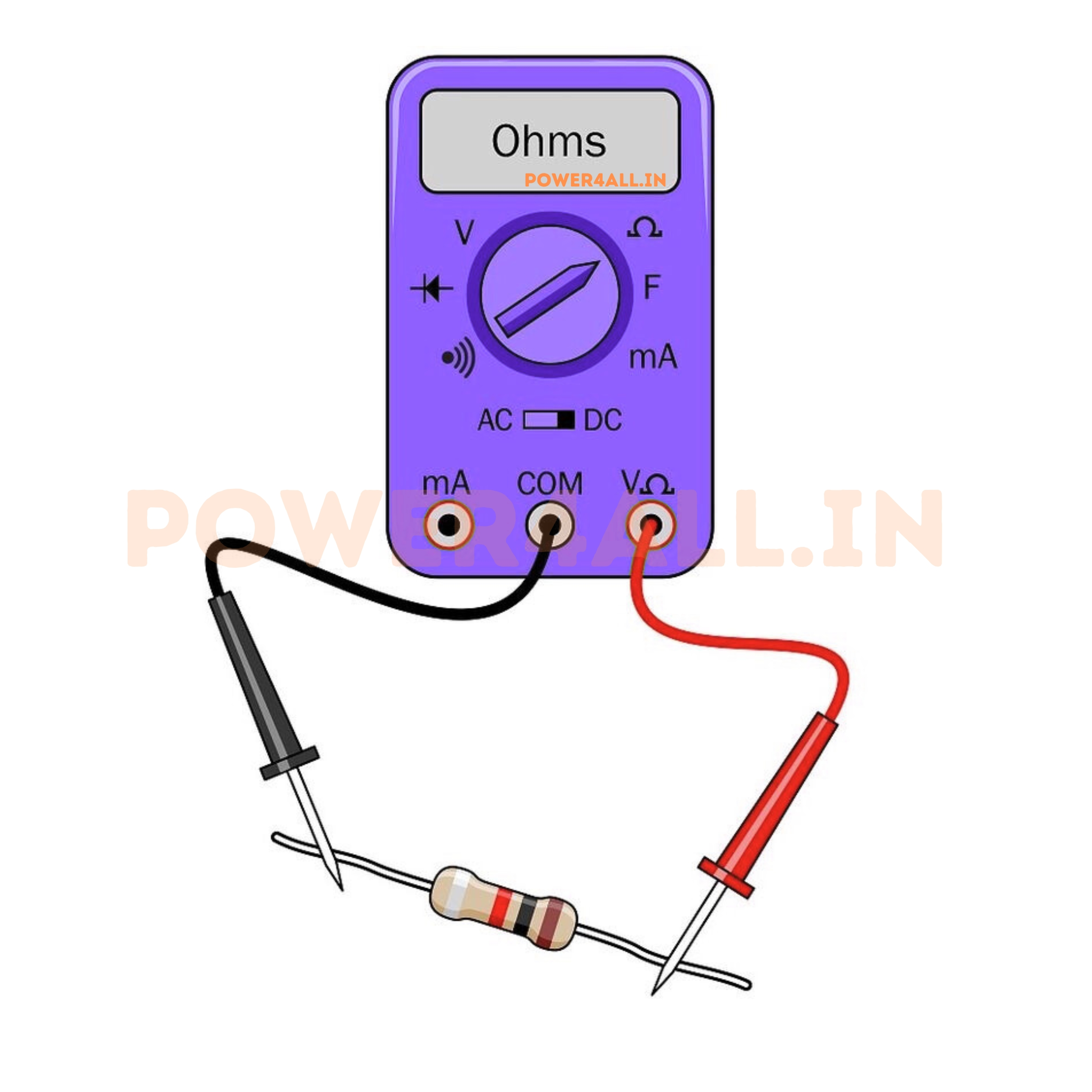
Testing a resistor with a multimeter is the best, easiest, and most effective way to determine whether a resistor is good or not. Here are the steps to follow:
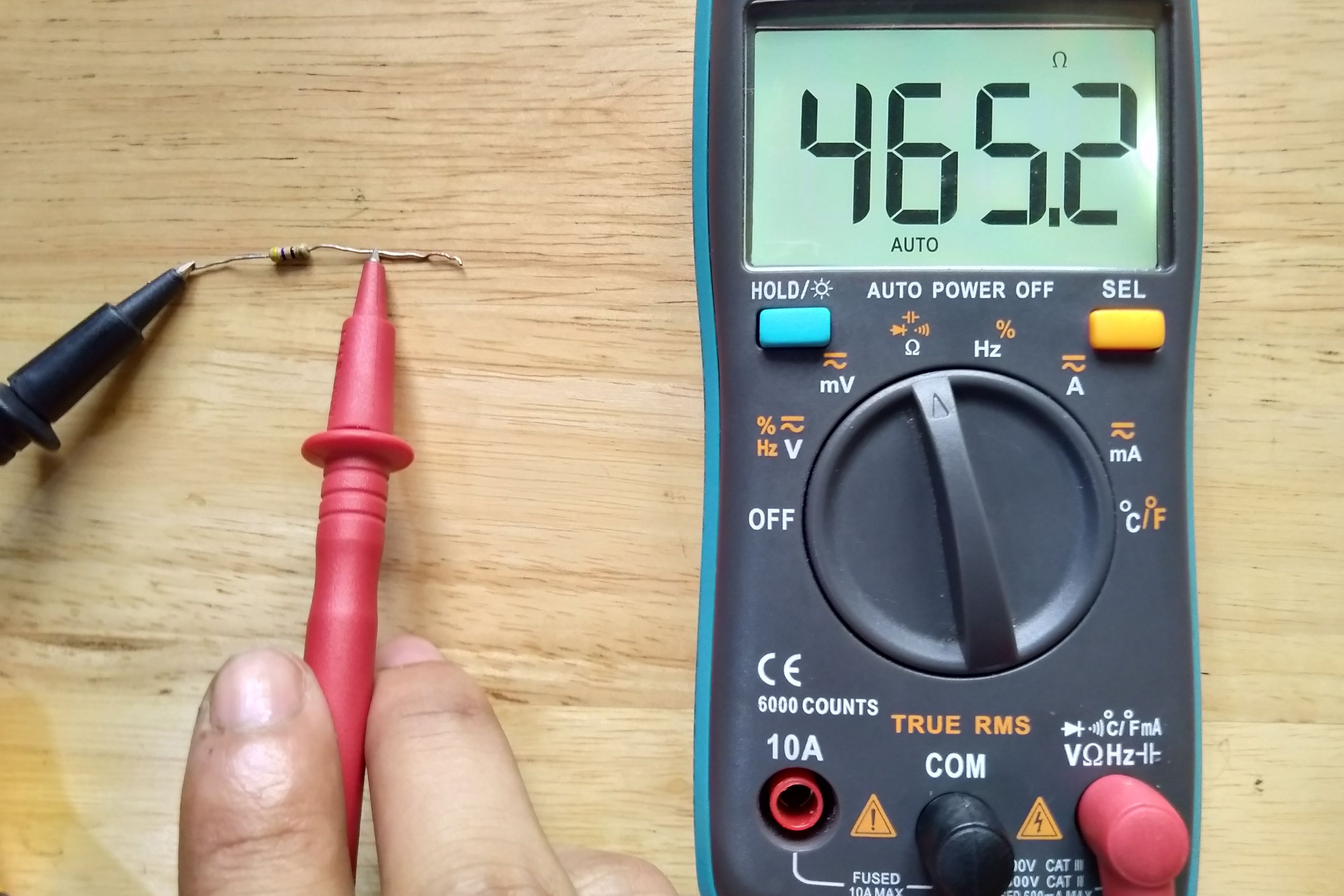
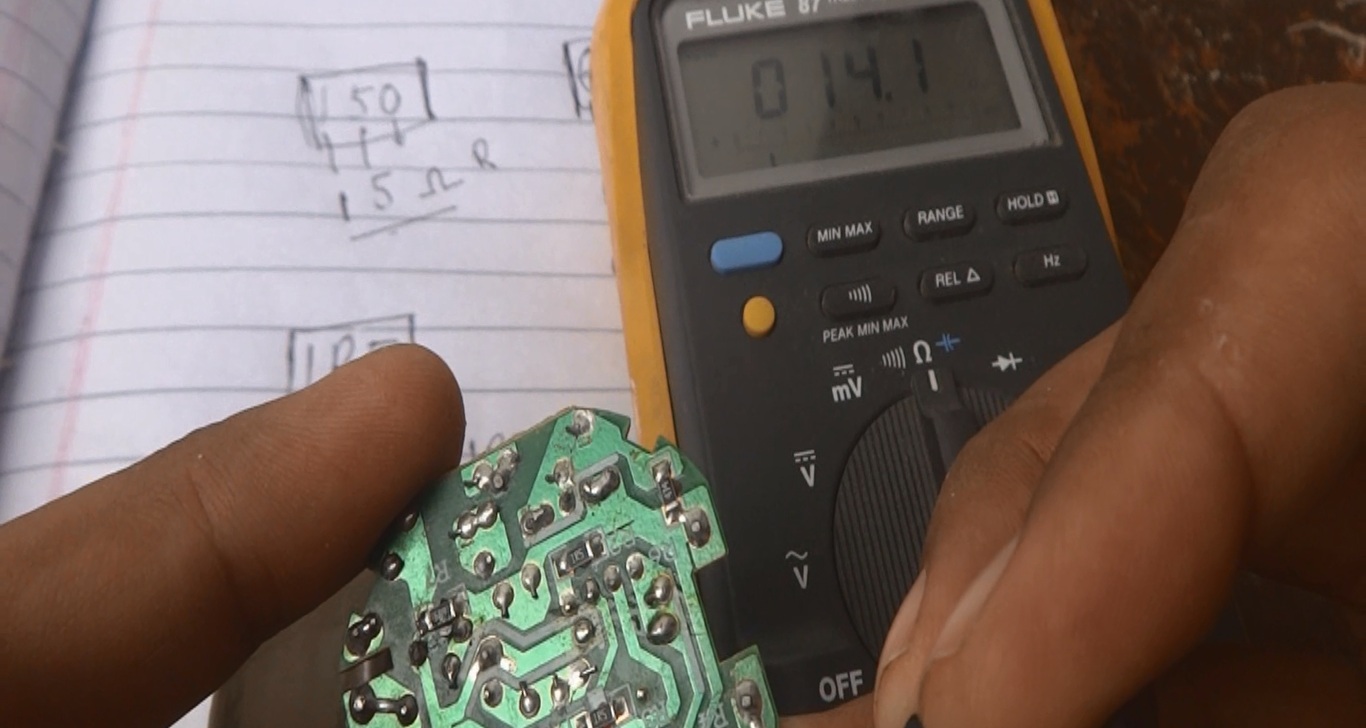
- Set the multimeter to the resistance measurement function (ohms).
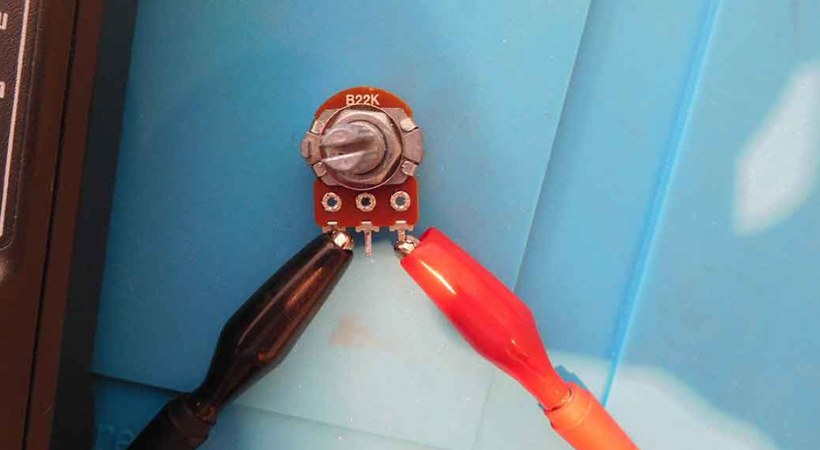
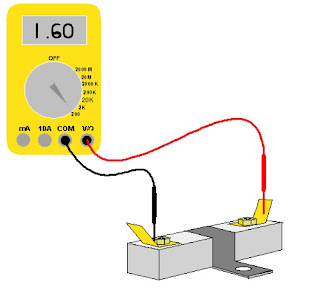
- Touch the black probe to one terminal of the resistor and the red probe to the other terminal.
- Take a reading of the resistance value.
- Compare the reading to the resistor's specified value or to the value indicated by the resistor's color code.
Tips and Tricks for Accurate Measurement
To ensure accurate measurement, follow these tips and tricks:

- Use a good quality multimeter with a high accuracy rating.
- Make sure the multimeter is set to the correct function and range.
- Use the probes to touch the terminals of the resistor, not the leads.
- Take multiple readings to ensure consistency.
- Compare the reading to the resistor's specified value or to the value indicated by the resistor's color code.
Advanced Techniques for Resistor Testing
For advanced users, there are additional techniques to test resistors, including:
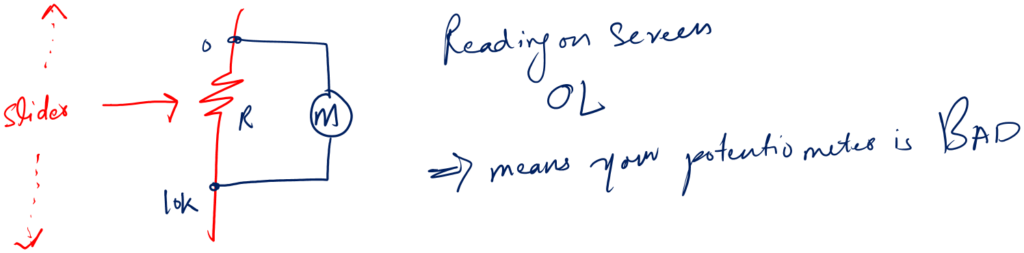
- Using a variable resistor (potentiometer or rheostat) to test the resistor's variable resistance value.
- Testing a resistor in-circuit to verify its functionality.
- Using a resistor color code calculator to identify the resistor's value and tolerance.
Conclusion
Resistor testing is a fundamental skill for anyone working with electronics. By following the steps outlined in this article, you can accurately test a resistor with a multimeter and ensure the proper functioning of your electronic circuit. Remember to always handle electrical components safely and use a good quality multimeter for accurate measurement.
Resources
For further learning, we recommend checking out the following resources:
- Resistor standard color coding.
- Make your own resistor with the "Electrical Resistor Experiment".
- Resistor testing and inspection guide.