What is Reballing and Why is it Important?
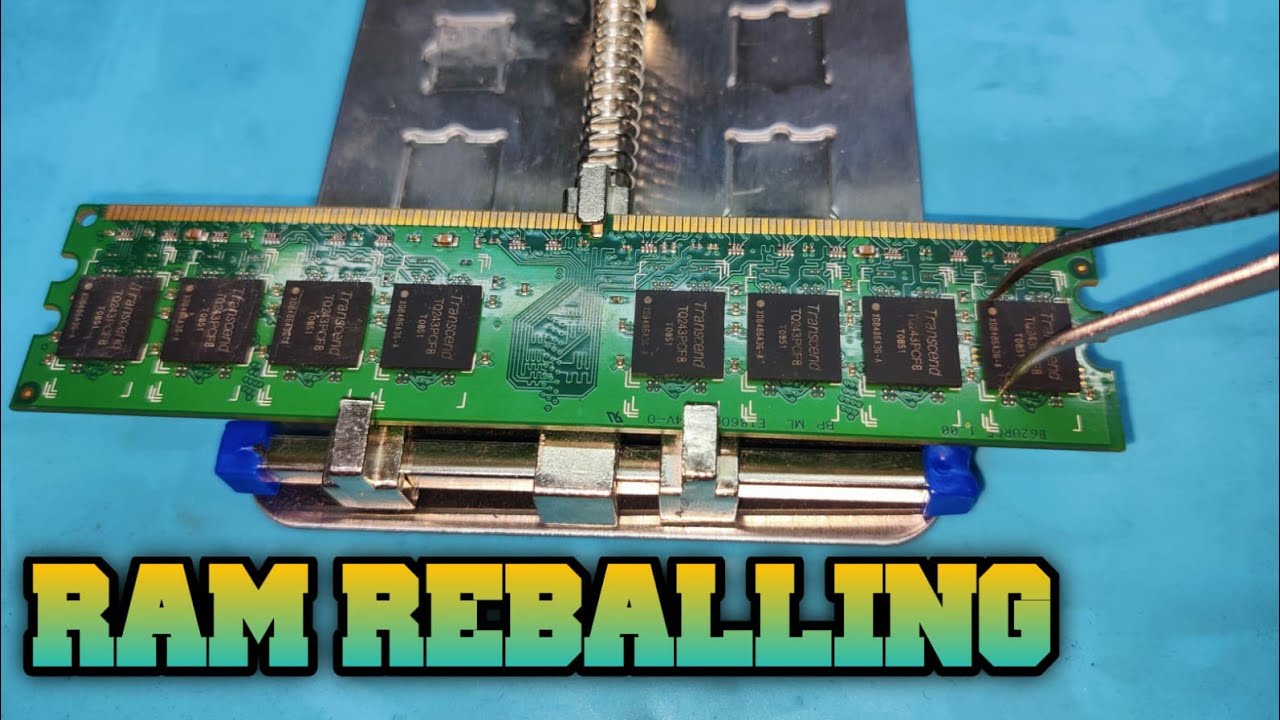
Reballing is a complex yet essential process in the world of electronics repair and manufacturing. It involves replacing or repairing the solder balls that connect Ball Grid Array (BGA) chips to circuit boards. In this article, we will delve into the ins and outs of reballing, exploring its common applications, benefits, and methods. By the end of this comprehensive guide, you will have a deep understanding of what reballing is, why it's crucial, and how to master it.
Why is Reballing Necessary?
Reballing is often required due to various reasons such as solder ball damage, oxidation, or contamination. It's a vital process that can revitalize a BGA chip by replacing its solder balls with new ones. This ensures that the BGA package remains secure and functional, maintaining its electrical connections with the PCB. In some cases, reballing can also be applied when the original solder balls have worn out or when the package requires conversion to a specific assembly.
Common Applications of Reballing
- Changing solder alloys - For instance, switching from lead-free to tin-lead for high-reliability or legacy systems.
- Repair and refurbishment - Restoring components removed from boards.
- Upgrading or repurposing parts - Ensuring compatibility with specific assembly requirements.
- Addressing damage - When solder balls are contaminated, oxidised, or damaged.
Methods and Tools Involved in Reballing
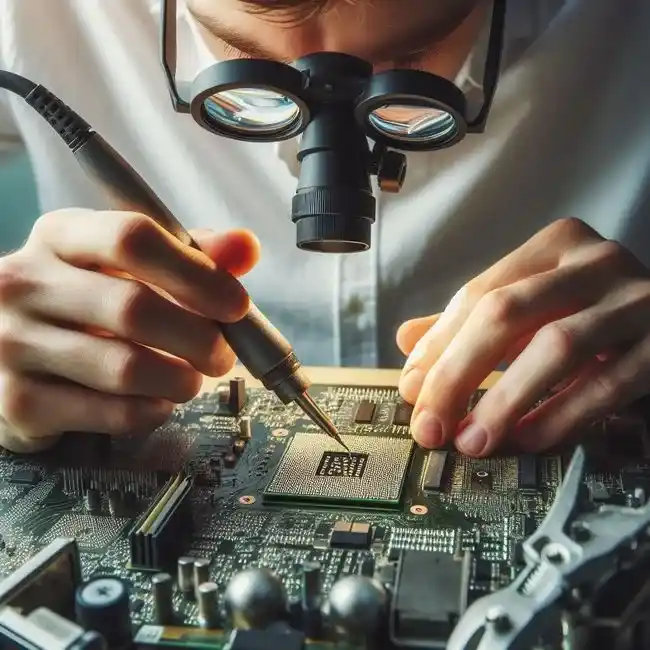
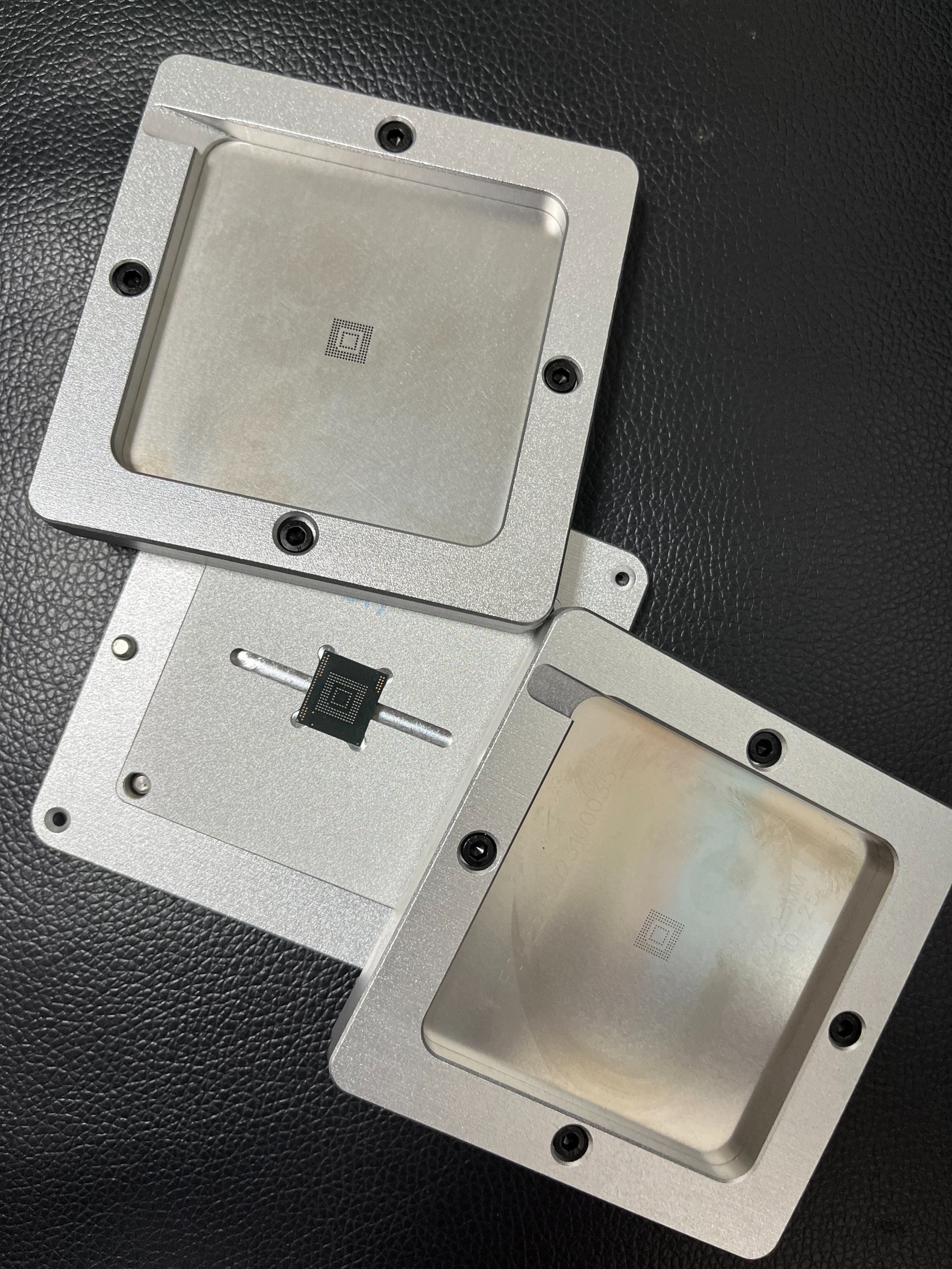
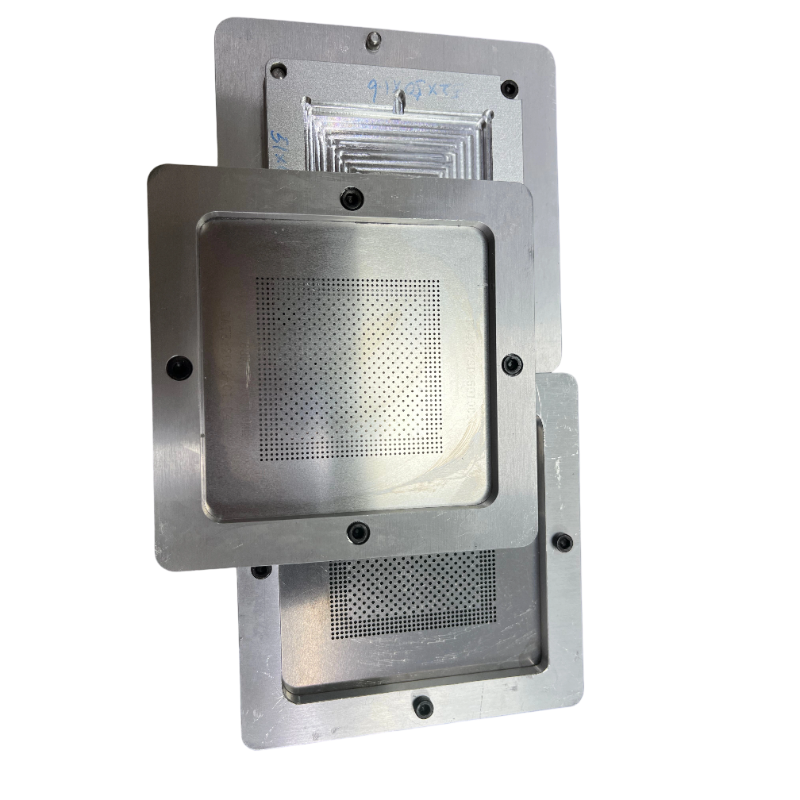
Reballing involves a series of steps and requires specialized tools such as an infrared preheater, reballing station, BGAreballing stencils, flux, soldering iron, and a microscope. A beginner-friendly CPU reballing tutorial, for instance, may guide you through handling black paste, using BGA stencils, and applying solder balls correctly. For a professional-grade setup, a rework station and high-precision BGAreballing station kits are essential.
Tools and Equipment Needed
- Hot Air Rework Station: Provides a controlled heat source for preheating the components.
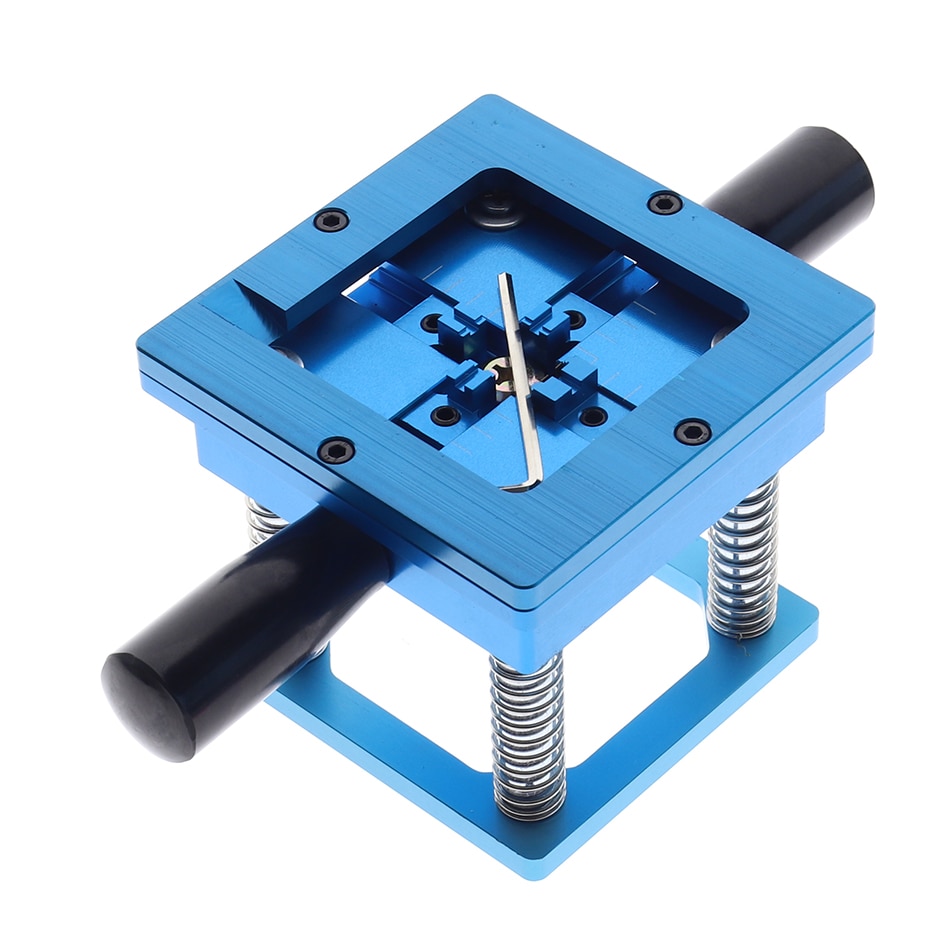
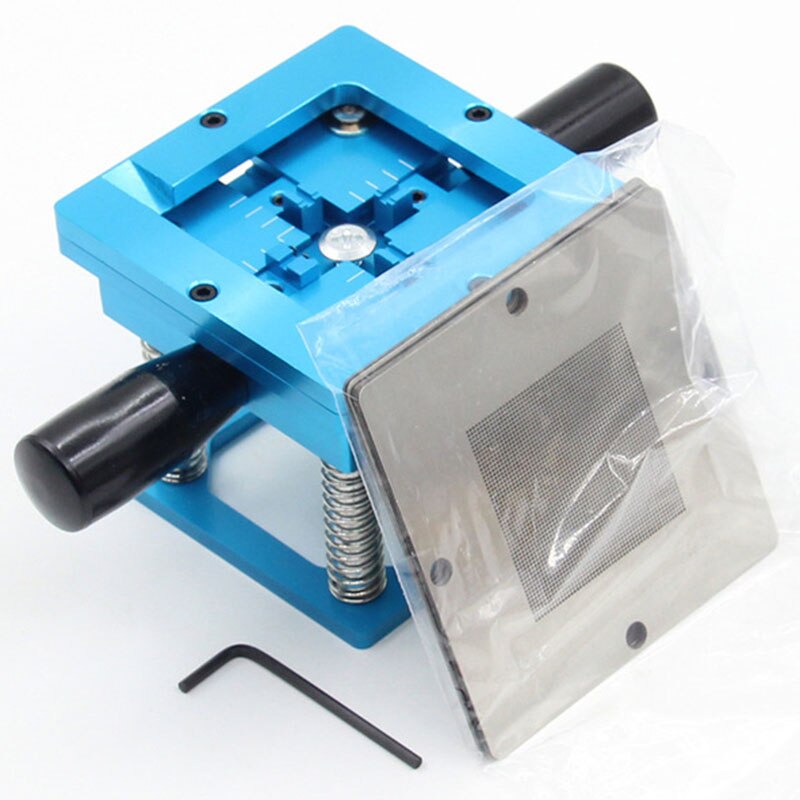
- Reballing Station: Houses the stencil and flux for precise reballing.
- BGAreballing Stencils: Custom-made templates for locating and soldering new balls.
- Flux: Chemical coatings to facilitate the reflow process.
- Soldering Iron and Vacuum Pickup Tool: For precision removal of old solder balls.
- Microscope: Essential for visual inspection of each reballing step.
Step-by-Step Guide to Reballing
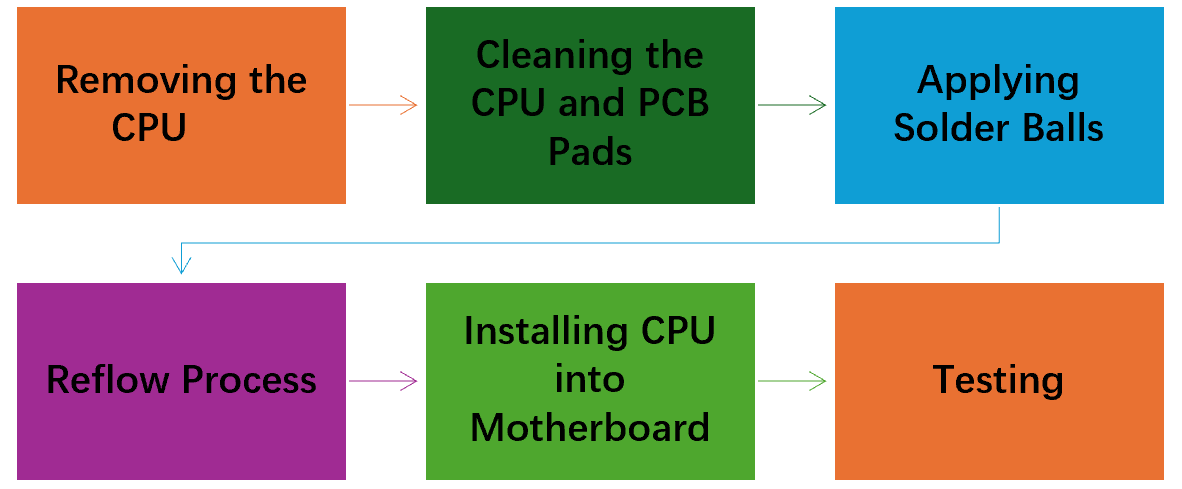
The entire BGA repair or reballing process involves component removal, cleaning, deballing, and reballing. This comprehensive guide walks you through the necessary steps.
Step 1: Component Removal from the PCB
Remove the associated BGA component from the PCB, taking care not to damage any surrounding components or the board itself.

Step 2: Cleaning
Thoroughly clean the area around the removed component to remove any residual flux or debris.
Step 3: D-Balling
Employ a vacuum pickup tool or another appropriate method to remove the old solder balls from the BGA chip.
Step 4: Reballing
Using a high-precision stencil, apply a new layer of solder balls to the designated pads on the BGA chip.
Step 5: Resoldering
Utilizing a soldering iron, carefully resolder the new balls to the board, ensuring a secure connection.
Reballing in Electronics Repair and Manufacturing
Reballing plays a critical role in both electronics repair and manufacturing, offering a cost-effective and efficient solution for BGA package issues. Whether it's repairing damaged or contaminated solder balls or upgrading parts for compatibility, the reballing process is essential for ensuring the continued functionality of electronic devices.
Conclusion
Reballing is a complex yet indispensable process in the world of electronics repair and manufacturing. Through a comprehensive understanding of the methods, tools, and applications of reballing, individuals can master this essential process and keep electronic devices running smoothly. Whether you are an electronics enthusiast, a repair technician, or a manufacturing professional, the information presented in this article will guide you in navigating the intricacies of BGAreballing and reballing.