Protect Yourself from Phone Hacking: Essential Security Measures for Your Smartphone
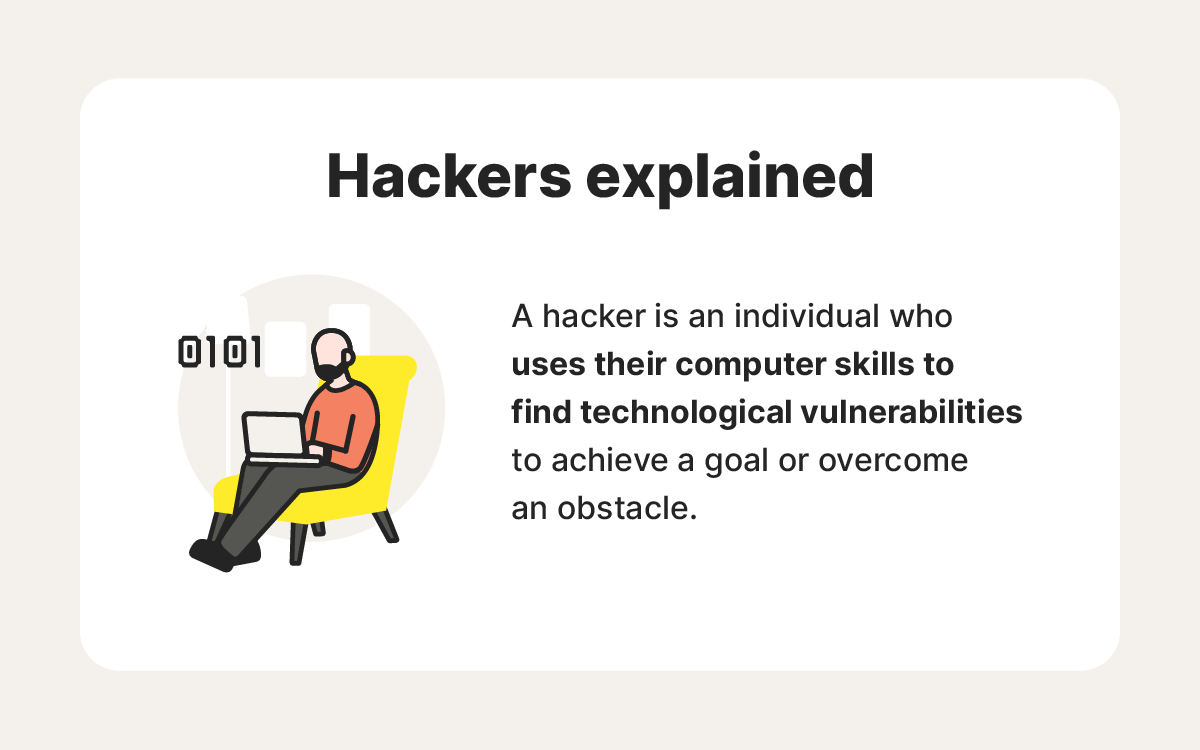
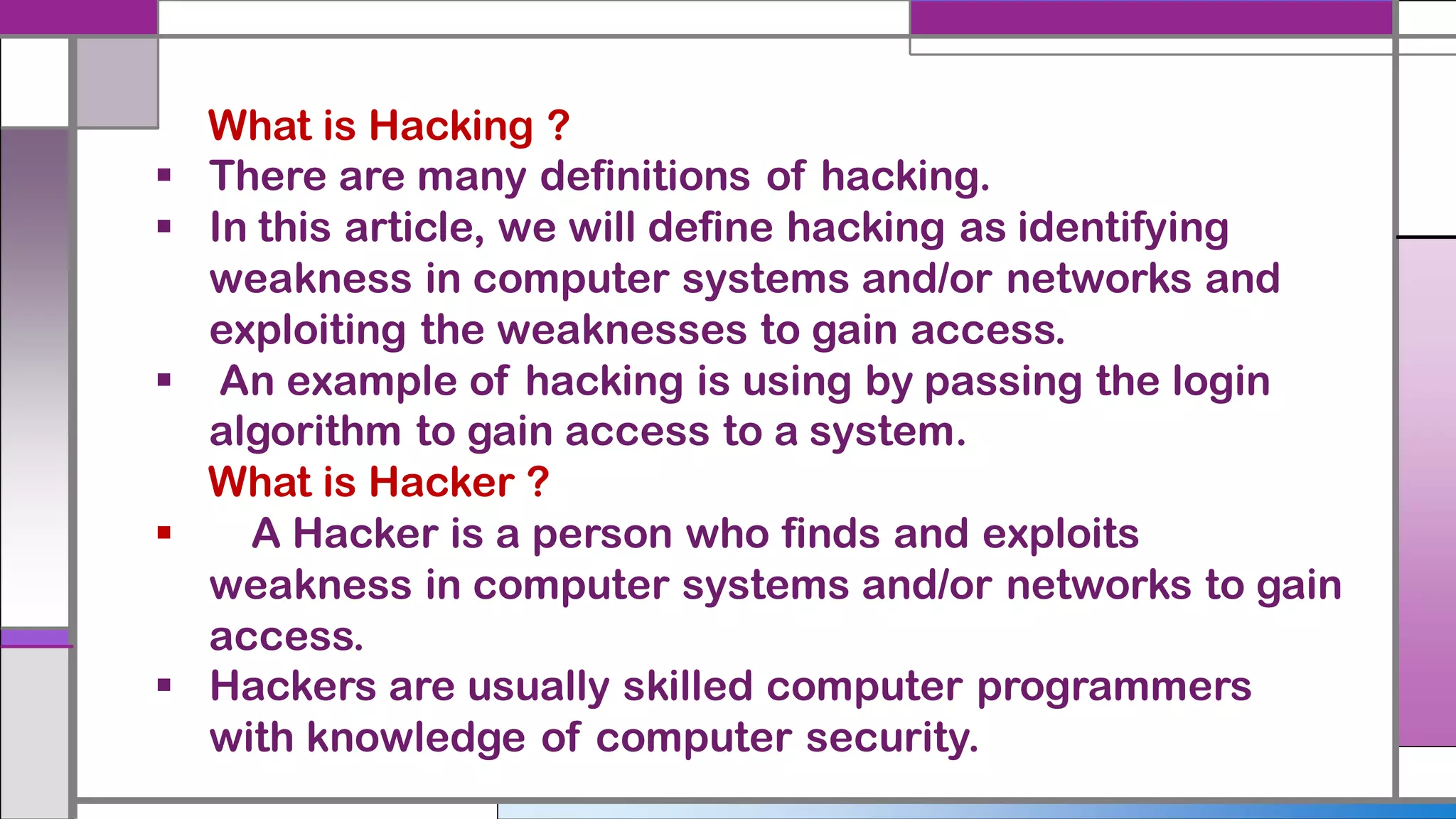
In today's digital age, our smartphones have become an integral part of our lives. We use them for communication, entertainment, and even for work-related tasks. However, with the increasing reliance on smartphones, the risk of phone hacking has also risen. Phone hacking refers to the unauthorized access to your smartphone, allowing hackers to steal sensitive information, drain your bank account, or even compromise your identity.
Why Protect Yourself from Phone Hacking?
Phone hacking can have severe consequences, including:
- Identity theft: Hackers can gain access to your personal data, such as your name, address, and social security number.
- Financial loss: Your bank account and credit card information can be compromised, leading to unauthorized transactions and financial losses.
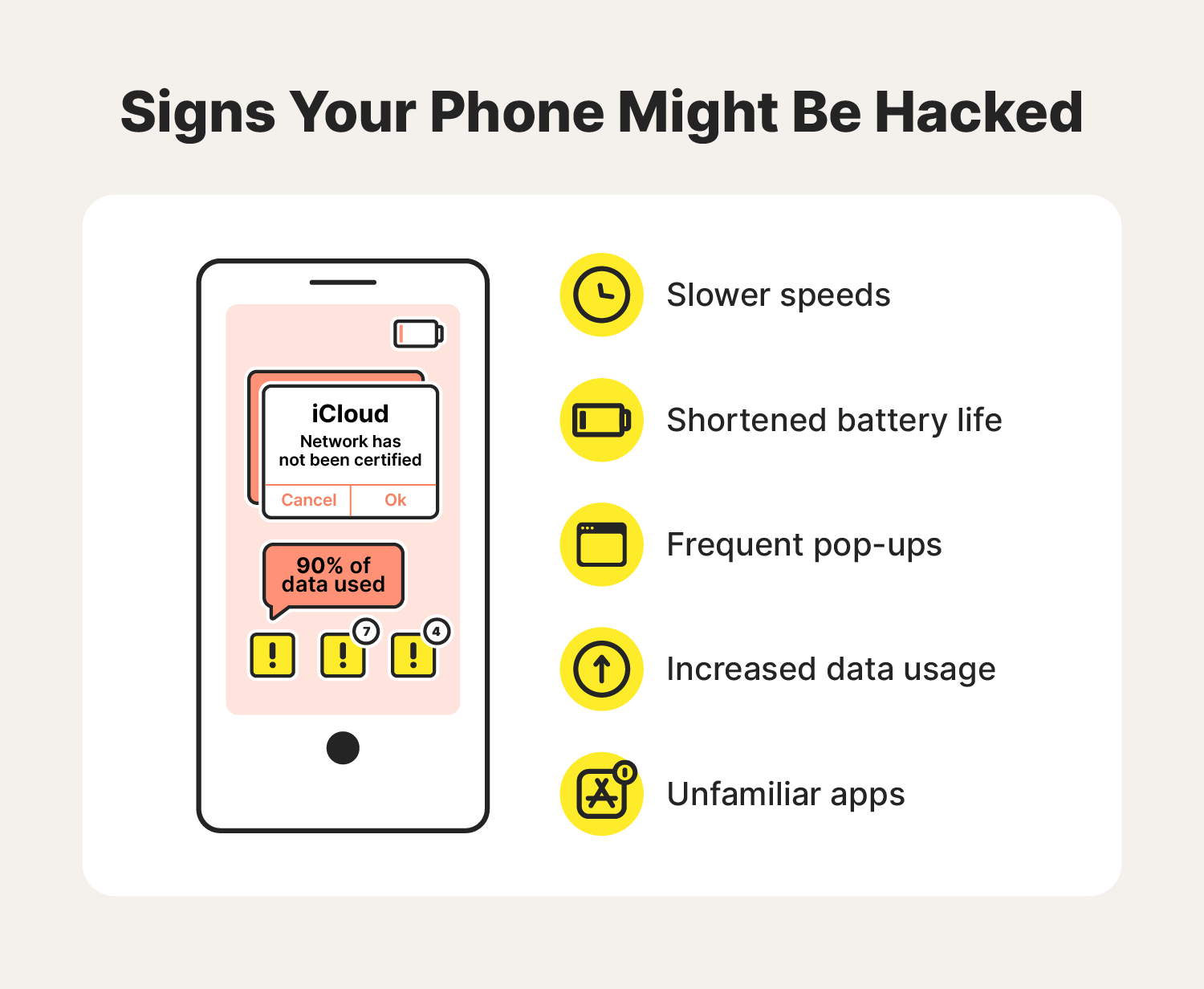
- Malware and viruses: Phone hacking can result in malware and viruses being installed on your device, which can slow down your phone and compromise your personal data.
How to Protect Yourself from Phone Hacking
Protecting yourself from phone hacking requires a combination of common sense, caution, and taking proactive security measures. Here are some essential steps to protect yourself from phone hacking:
-
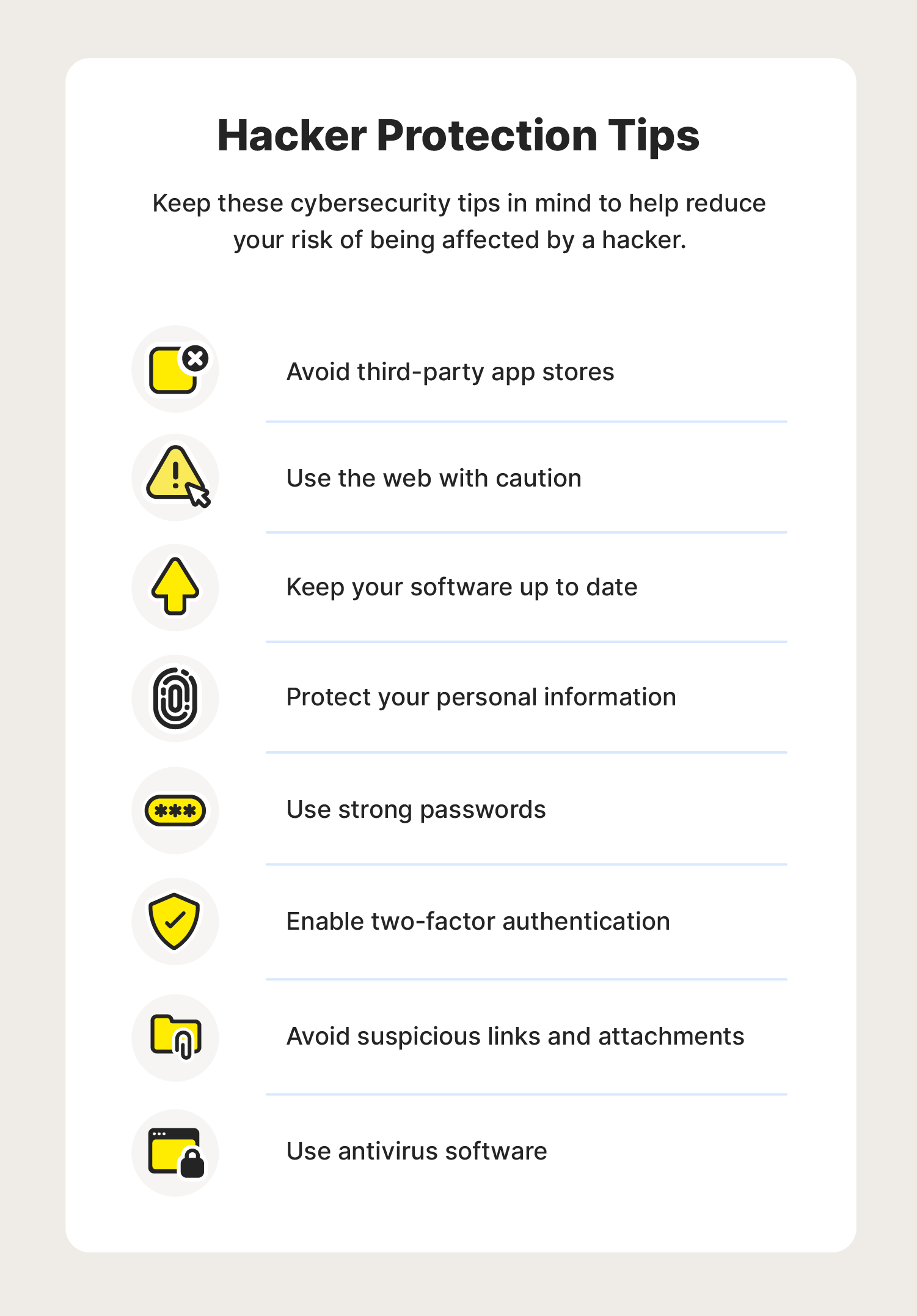
Use a strong password:
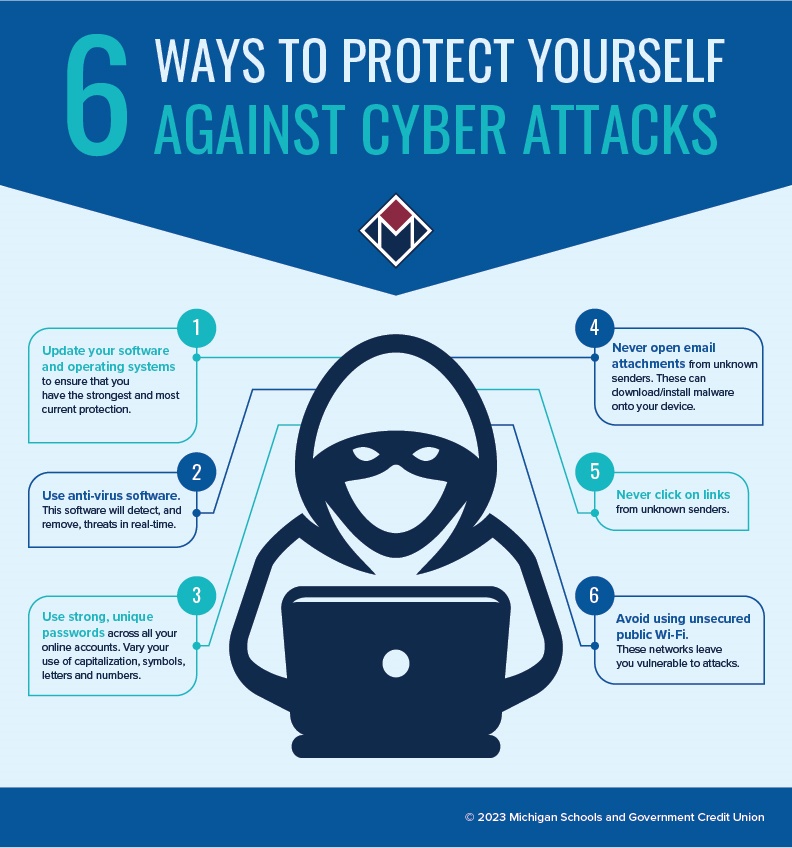
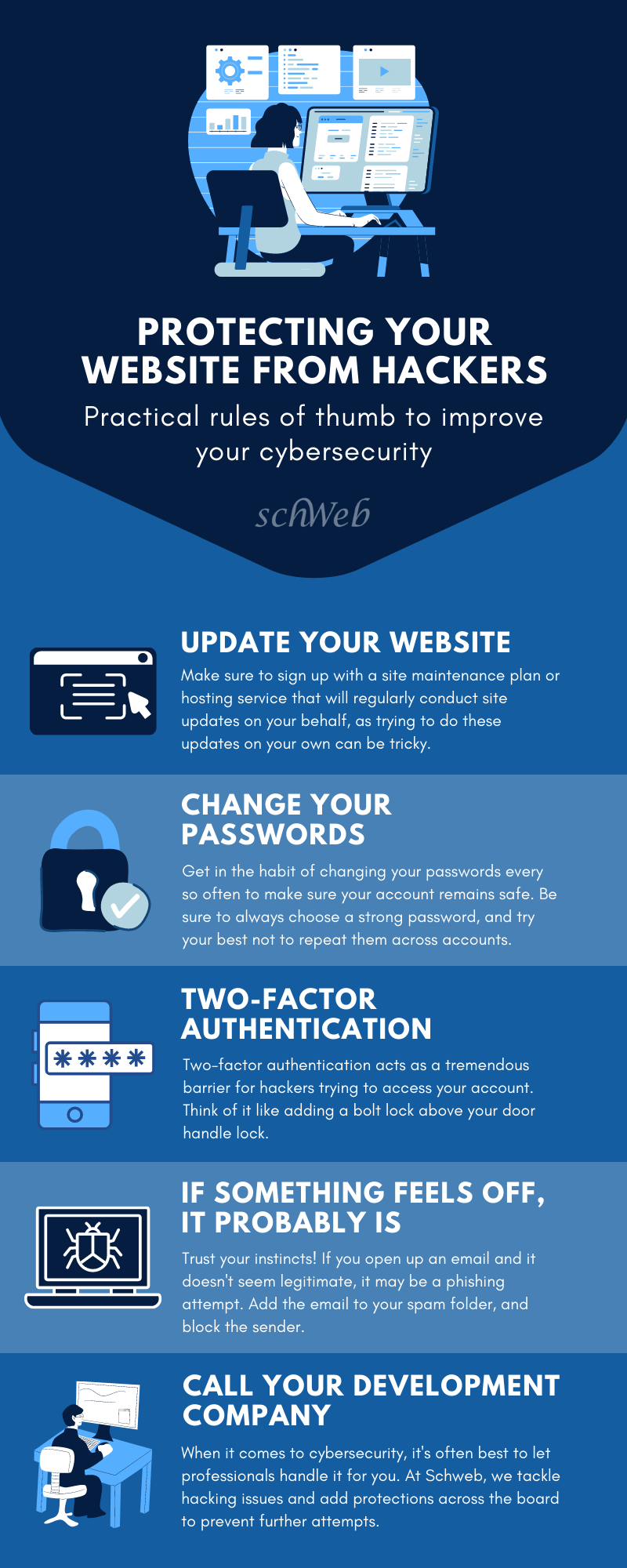
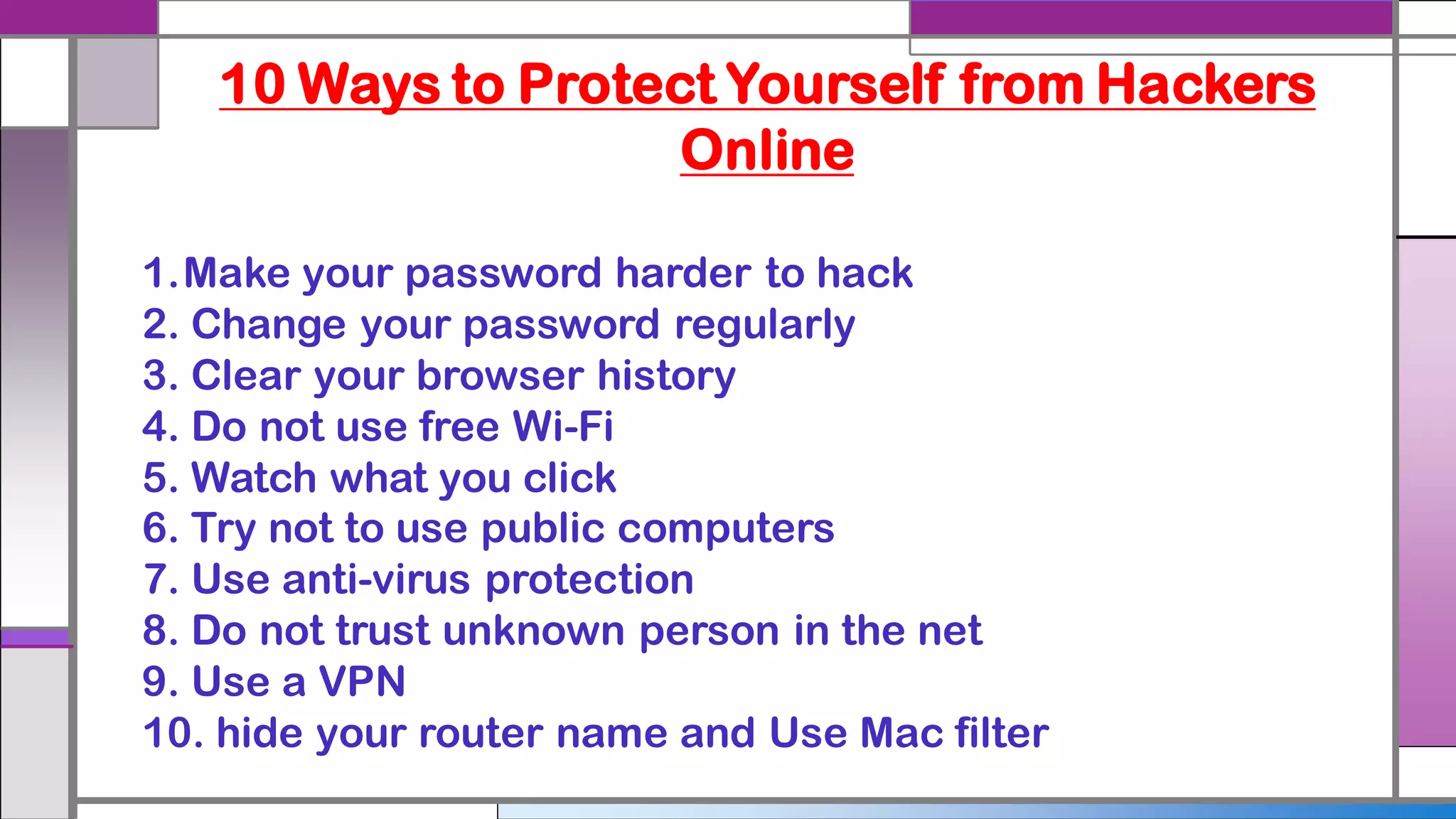
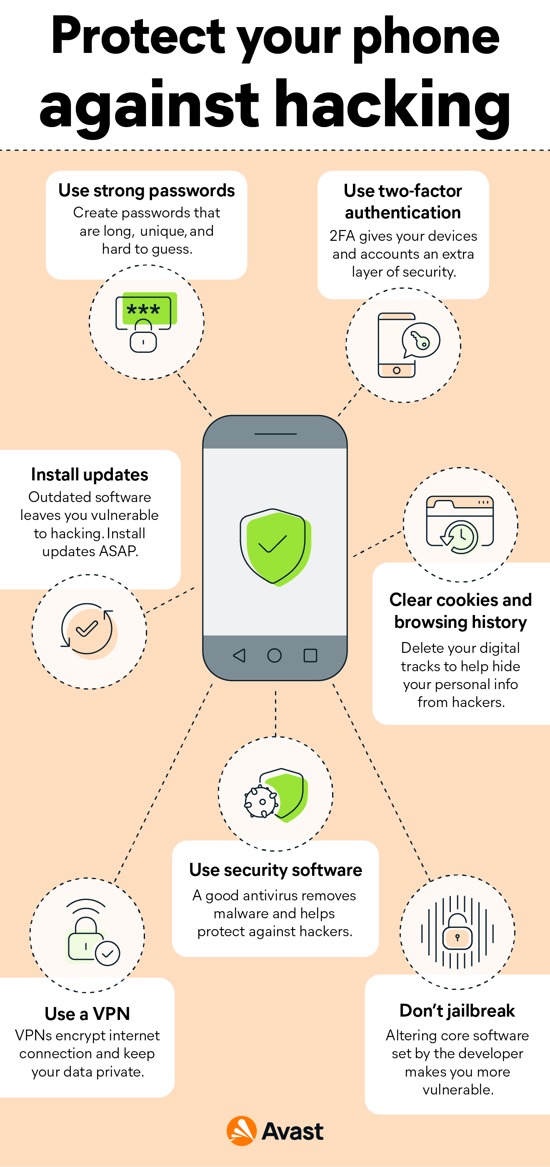
Choose a strong and unique password for your phone's lock screen and account settings. Avoid using easily guessable information such as your name, birthdate, or common words.
-
Enable two-factor authentication:
Two-factor authentication adds an extra layer of security to your phone by requiring a verification code sent to your email or phone number in addition to your password.
-
Keep your phone's software up to date:
Regular software updates often include security patches and bug fixes that can help protect your phone from hacking.
-
Use a reputable antivirus app:
A reliable antivirus app can help detect and remove malware and viruses from your phone.
-
Be cautious when downloading apps:
Only download apps from trusted sources, such as the Apple App Store or Google Play Store. Be wary of apps that ask for excessive permissions or have suspicious reviews.
-
Use a VPN:
A virtual private network (VPN) can help encrypt your internet traffic and protect your data from hackers.
-
Back up your data regularly:
Regular backups can help you recover your data in case your phone is hacked or stolen.
Additional Tips to Protect Yourself from Phone Hacking
Here are some additional tips to help you protect yourself from phone hacking:
- Use a password manager to generate and store unique passwords for each account.
- Enable biometric authentication, such as fingerprint or facial recognition, for an additional layer of security.
- Keep your phone's SIM card safe and secure.
- Regularly monitor your phone's activity and account settings for any suspicious activity.
Conclusion
Protecting yourself from phone hacking requires a combination of awareness, caution, and proactive security measures. By following the essential security measures outlined in this article, you can significantly reduce the risk of phone hacking and protect your personal data.
Remember, phone hacking can have severe consequences, including identity theft, financial loss, and malware and viruses. Stay vigilant and take proactive steps to protect yourself from phone hacking.
Stay safe online and protect your phone from hacking!