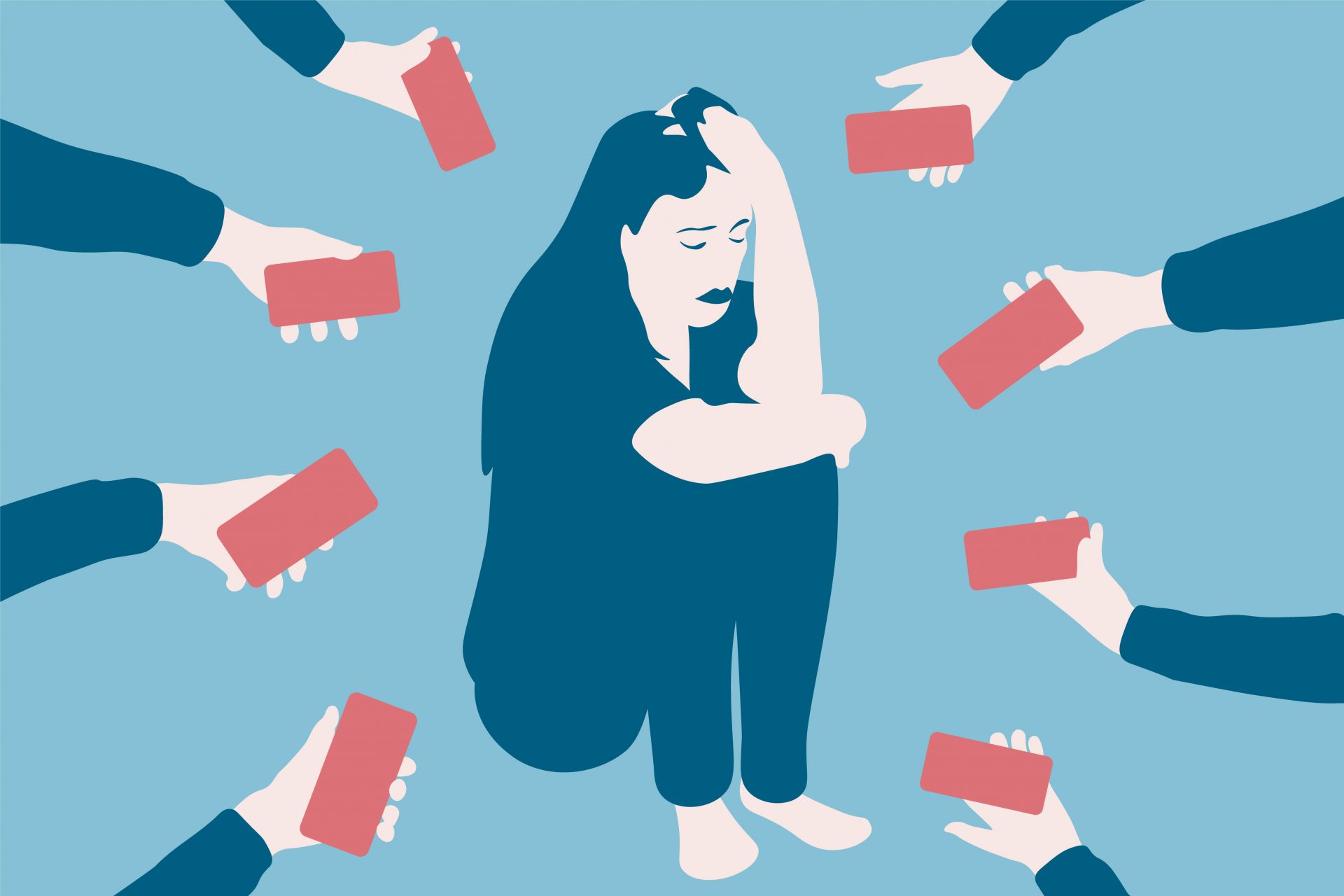
The Alarming Negative Impact on Mental Health
Our mental health is a vital aspect of our overall well-being, influencing how we perceive and interact with the world around us. Unfortunately, various factors can have a negative impact on mental health, leading to a range of consequences that can affect our daily lives and relationships. In this article, we'll delve into the psychological effects of mental health conditions like anxiety, depression, and PTSD, as well as explore the impact of social media, technology, and other factors on our mental well-being.
Mental Health Conditions: A Growing Concern
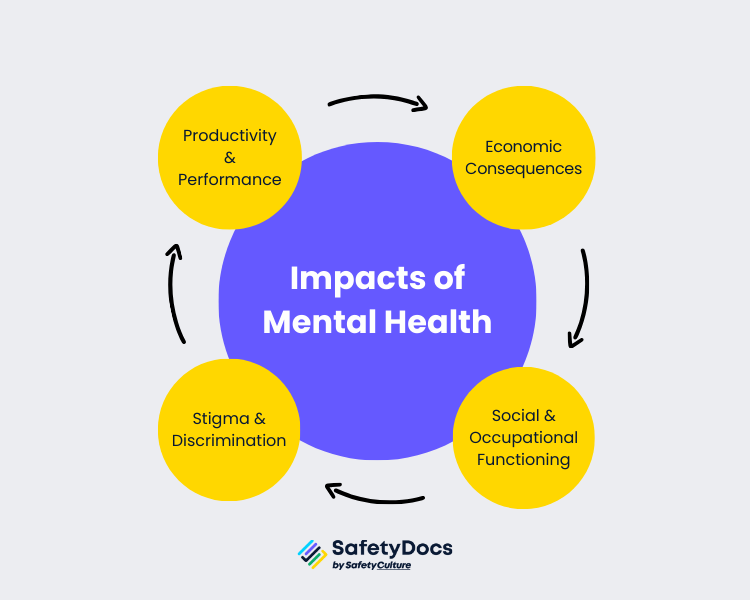
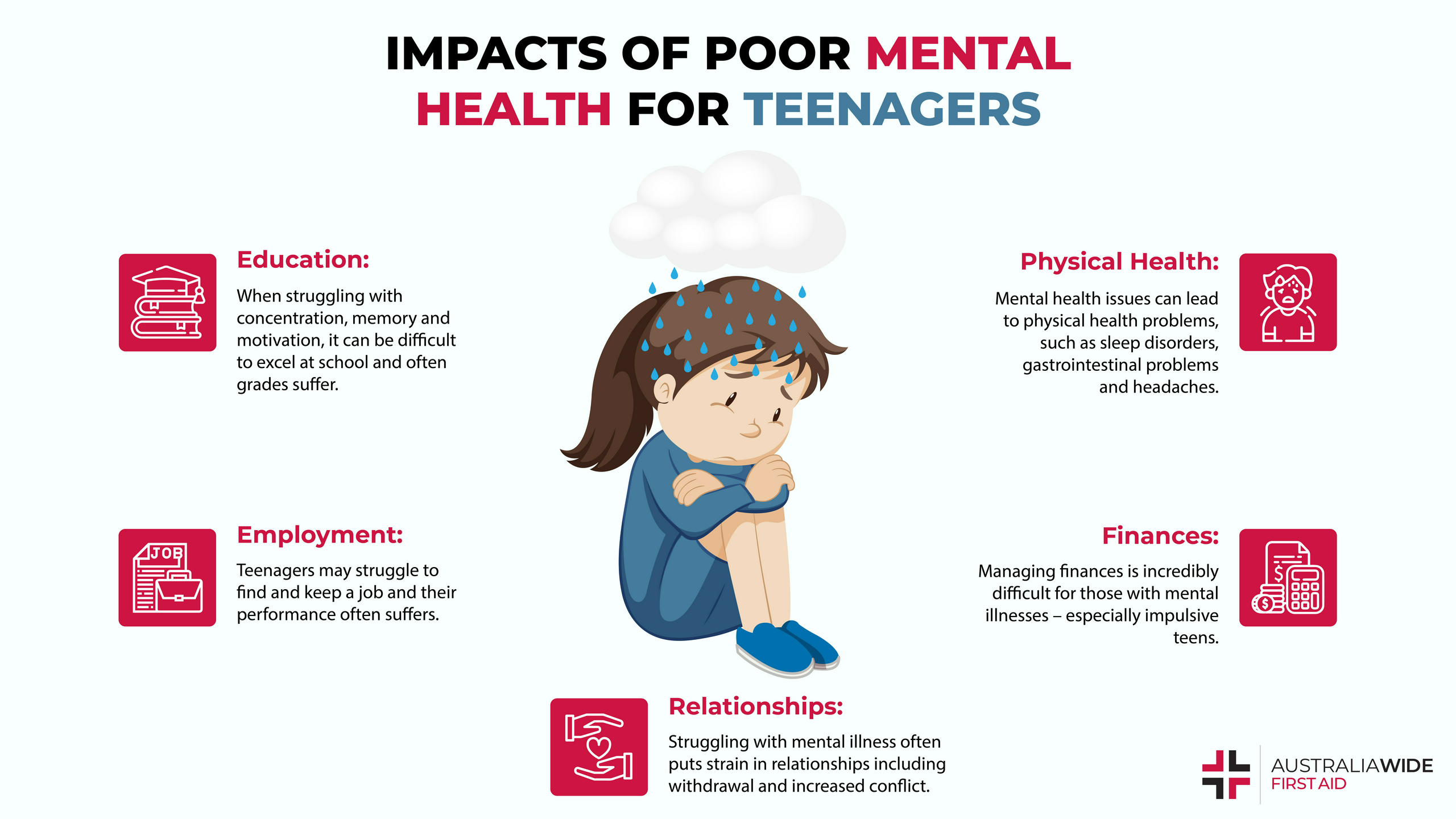
Mental health conditions such as anxiety, depression, and PTSD are increasingly prevalent, affecting millions of people worldwide. These conditions can have a profound impact on daily life, relationships, and physical health. The consequences of untreated mental health conditions can be severe, including decreased productivity, strained relationships, and even physical health problems.
- Anxiety: Characterized by feelings of worry, nervousness, and fear, anxiety can interfere with daily activities and relationships.
- Depression: A mood disorder that can cause feelings of sadness, hopelessness, and loss of interest in activities.
- PTSD: A condition that can develop after experiencing a traumatic event, leading to symptoms like flashbacks, nightmares, and avoidance of triggers.
Social Media and Mental Health
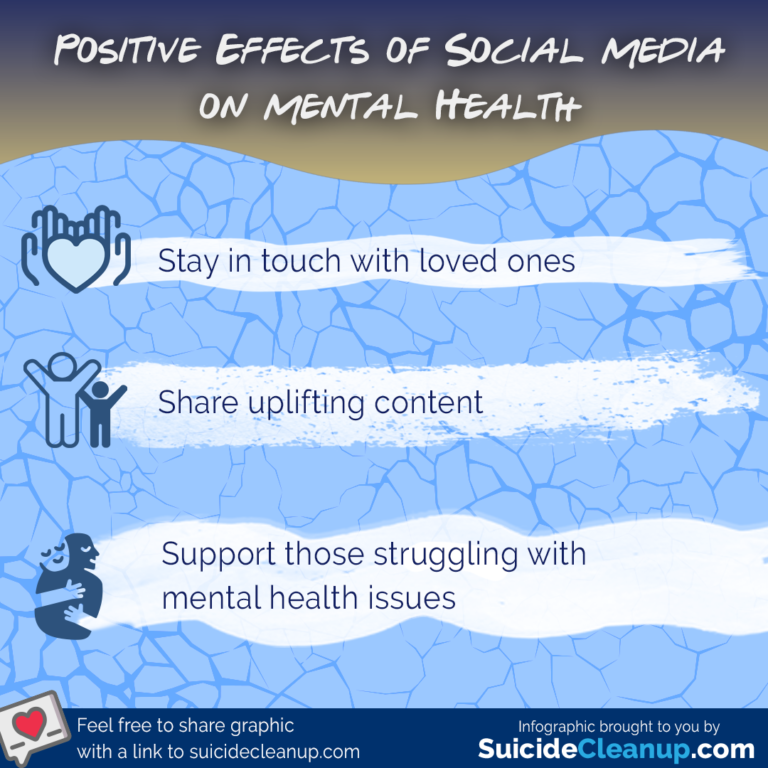
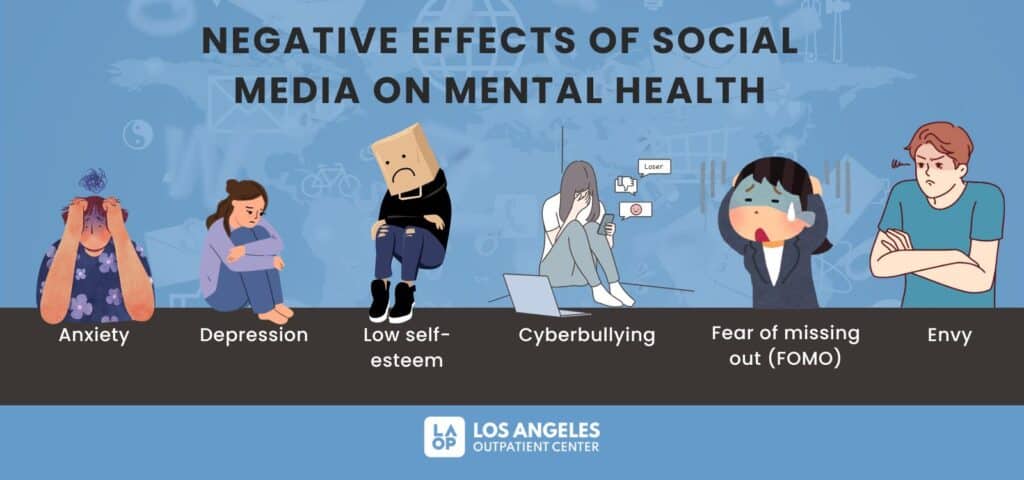
Social media has become an integral part of our lives, but its impact on mental health is a growing concern. While social media can provide a sense of connection and community, excessive use can lead to negative consequences, including:
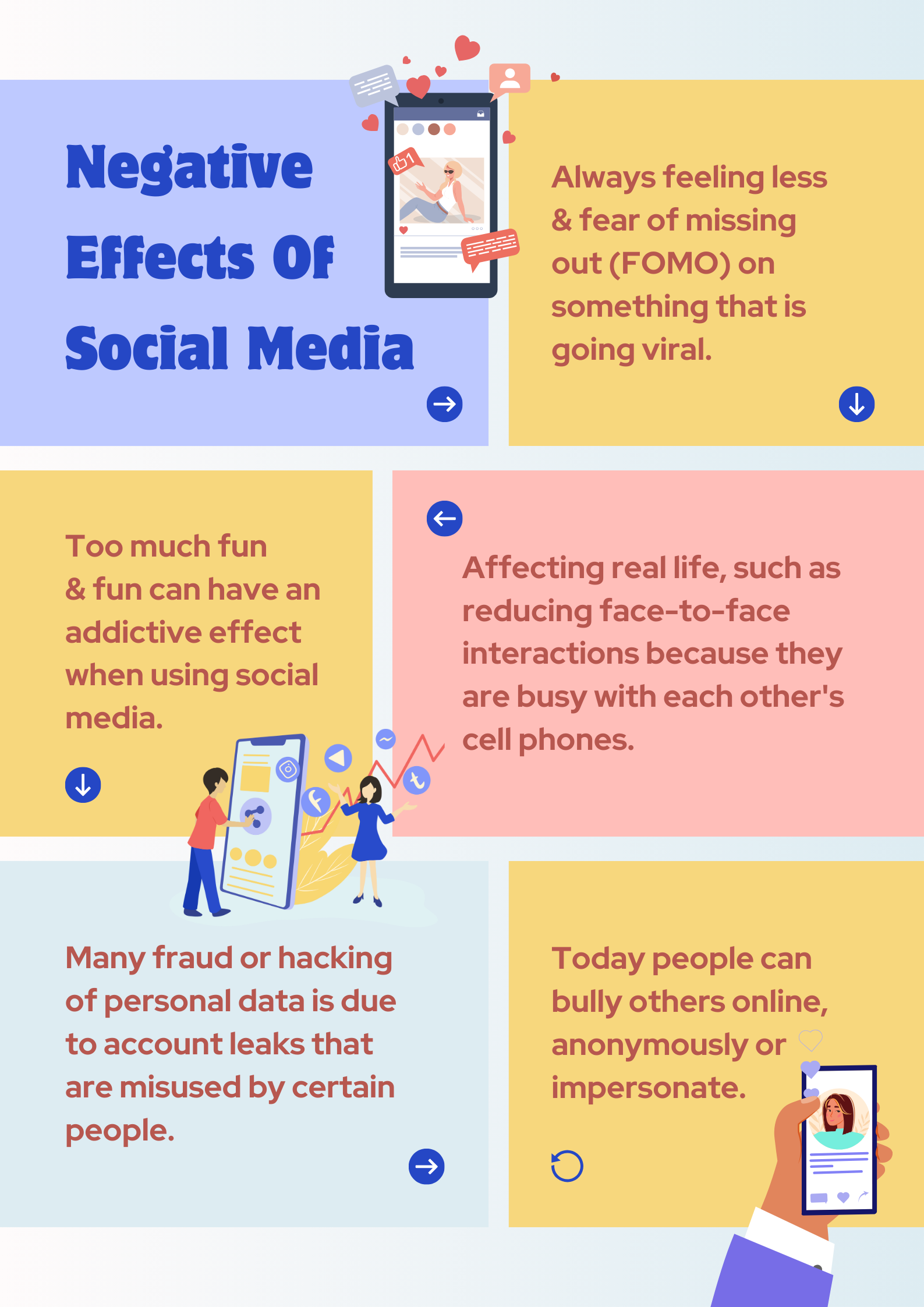
- Anxiety and depression: Social media can exacerbate feelings of anxiety and depression, particularly in vulnerable individuals.
- Bullying and harassment: Online bullying and harassment can have serious consequences for mental health, including increased risks of depression and anxiety.
- Negativity and comparison: Social media can foster a culture of comparison and negativity, leading to feelings of inadequacy and low self-esteem.
Technology and Mental Health
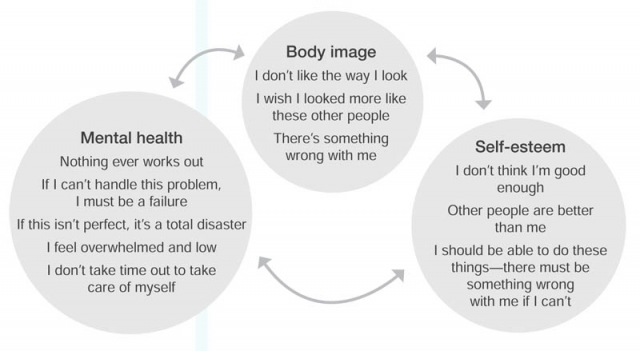
The rapid rise of technology has transformed the way we communicate, work, and live. However, excessive technology use can have a negative impact on mental health, including:
- Cyberbullying: Online harassment and bullying can have serious consequences for mental health.
- Sleep deprivation: Exposure to screens and the constant notifications from devices can disrupt sleep patterns.
- Negativity and anxiety: Technology can perpetuate a culture of negativity and anxiety, particularly through social media and news feeds.
Creating a Positive Impact on Mental Health
While the negative impact on mental health is a growing concern, there are steps we can take to create a positive impact:
- Practice self-care: Engage in activities that promote relaxation and stress relief, such as exercise, meditation, or hobbies.
- Set boundaries: Establish limits on technology use and social media engagement to maintain a healthy balance.
- Seek support: Connect with friends, family, or mental health professionals for support and guidance.
Conclusion
The negative impact on mental health is a pressing concern that requires attention and action. By understanding the psychological effects of mental health conditions and the impact of social media, technology, and other factors, we can take steps to create a positive impact on mental health. By prioritizing self-care, setting boundaries, and seeking support, we can foster a culture of well-being and resilience, ultimately improving our mental health and overall quality of life.

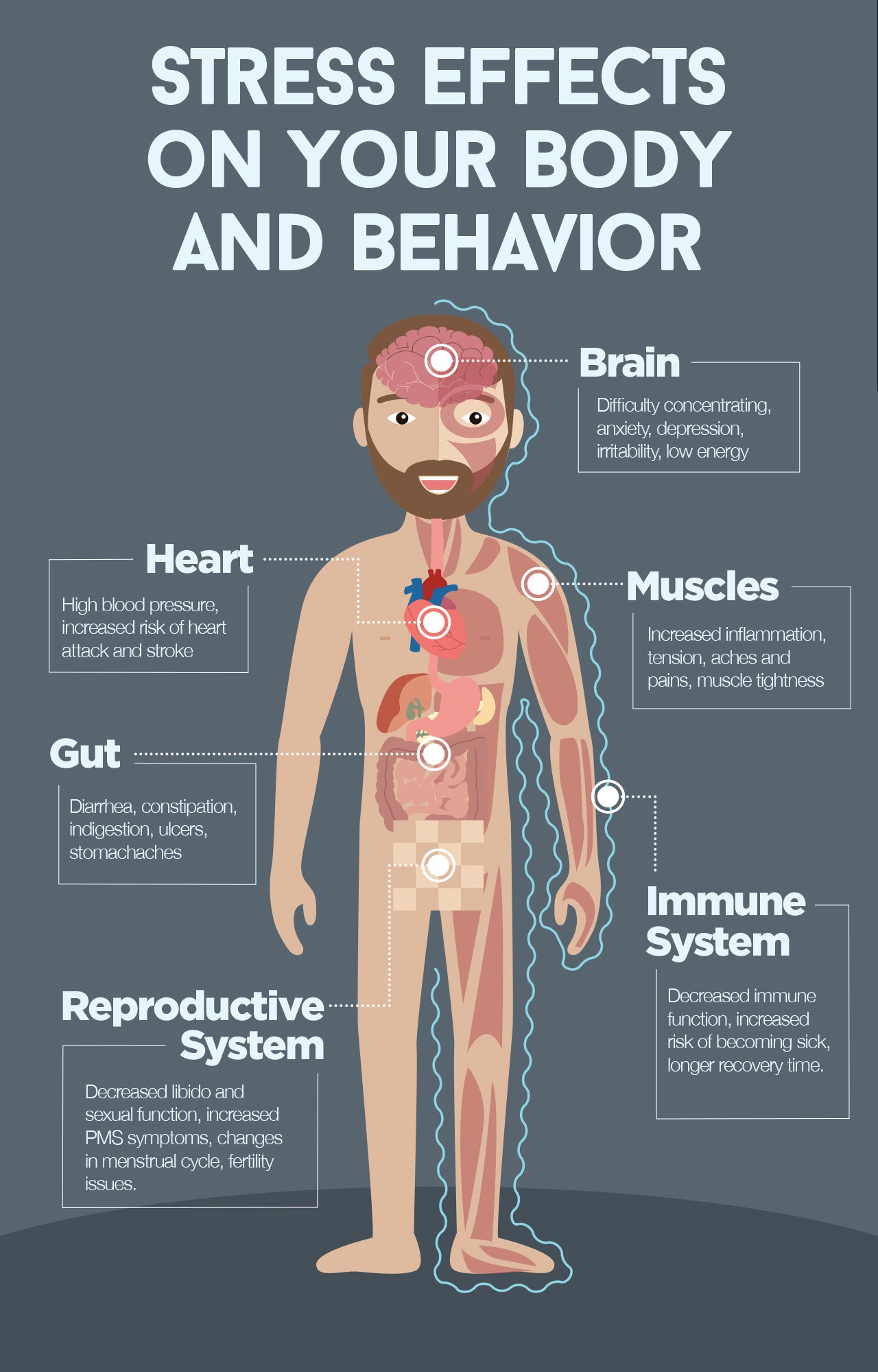
/mental-health-effects-of-reading-negative-comments-online-5090287-color01-withtext-fa3bcdbbd7384b429ff8942b12ff2109.png "The Effects of Poor Mental Health - Thrive Global")