Internet Safety Tips: A Guide to Staying Safe Online
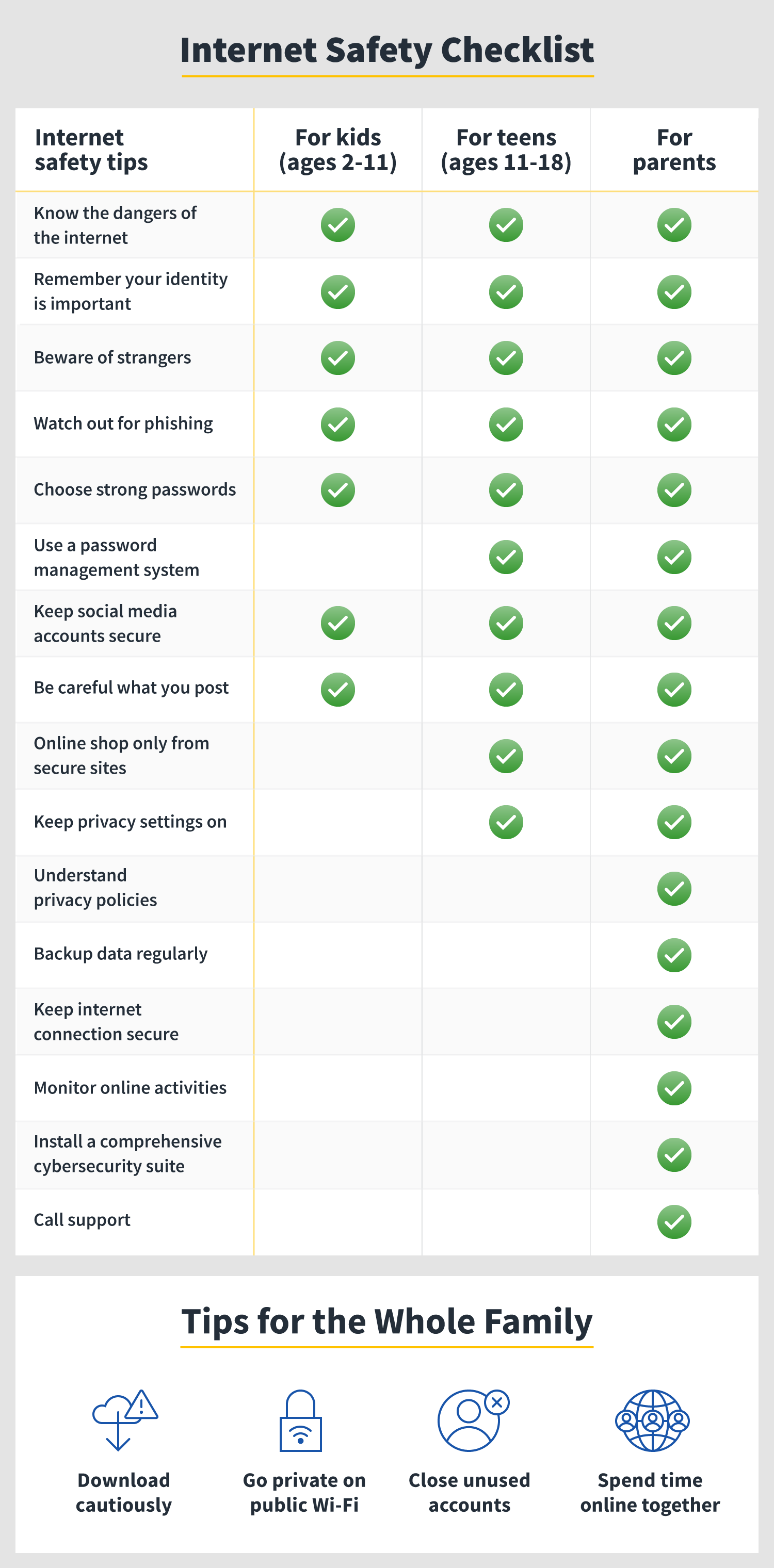
As the internet becomes an increasingly important part of our daily lives, it's crucial to be safe online. This means being aware of the potential risks and taking steps to protect ourselves and our sensitive information. In this article, we'll cover 15 essential internet safety tips to help you and your family stay safe on the web.
Protecting Your Personal Information
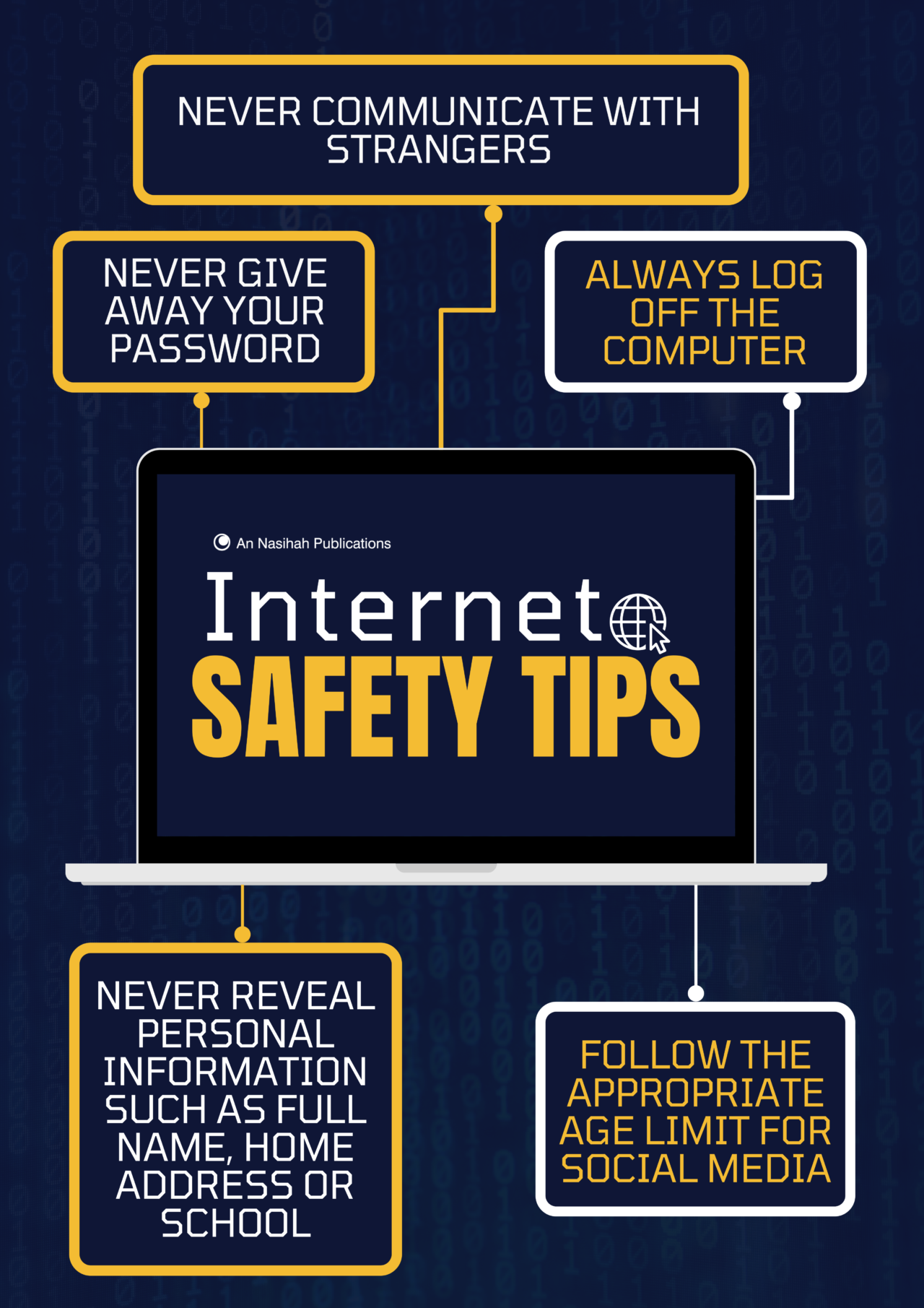
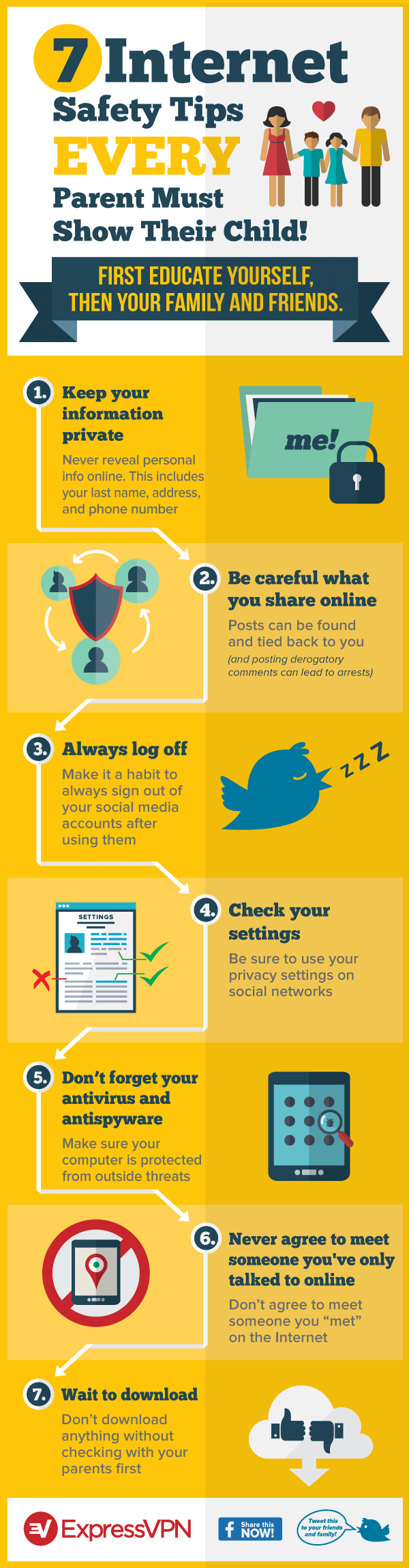
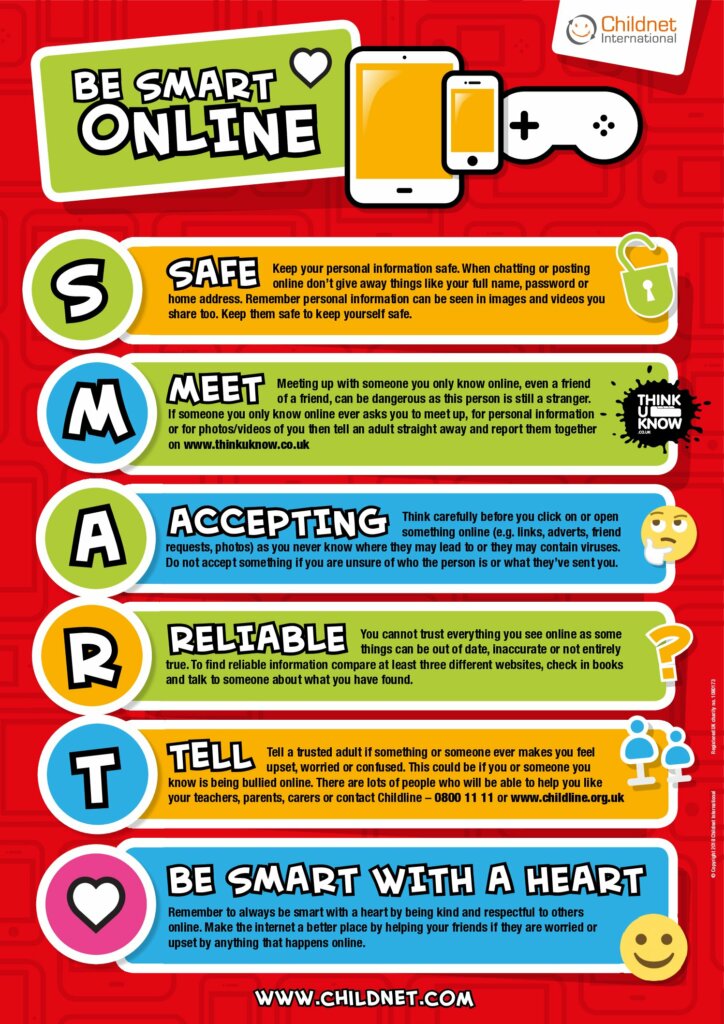
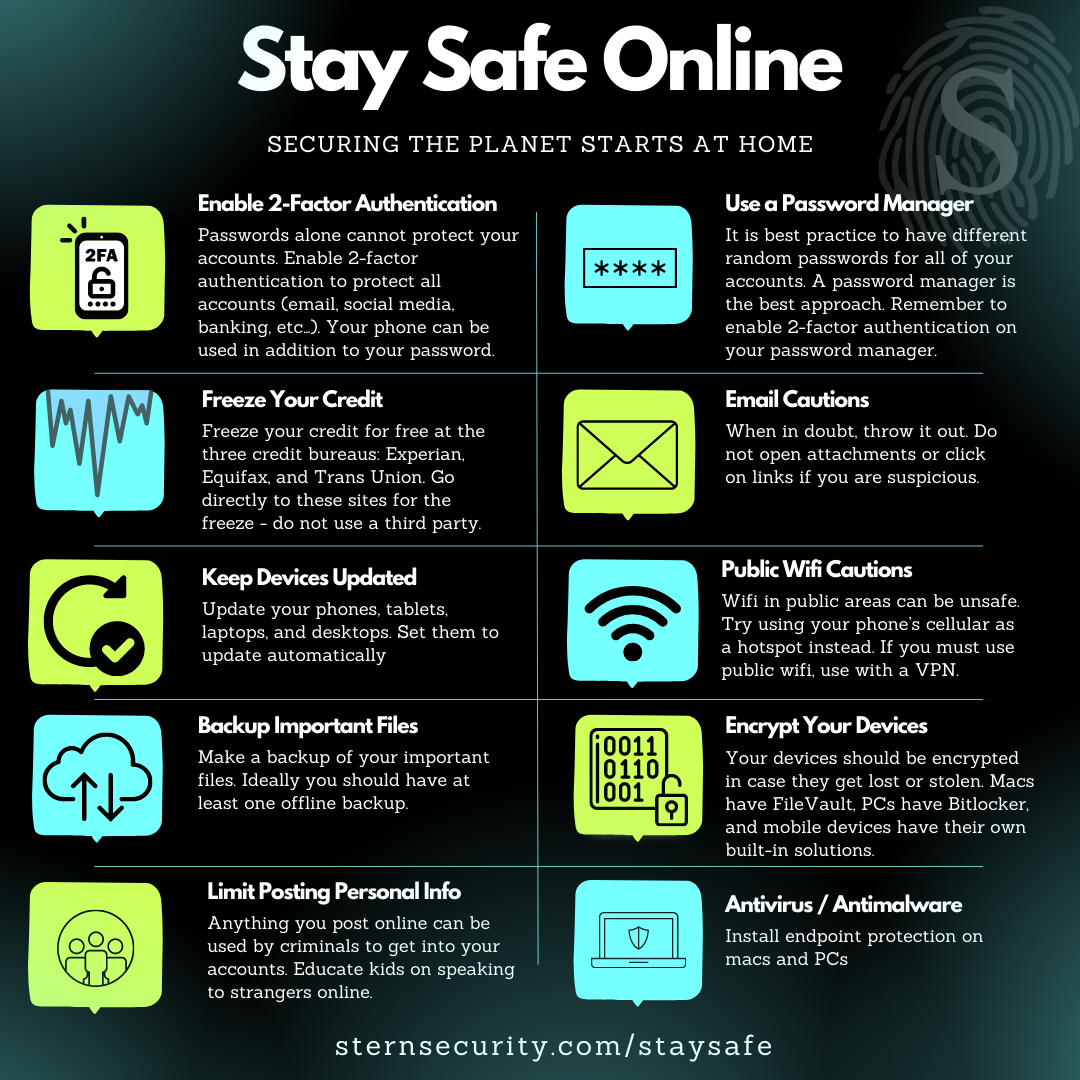
One of the most important internet safety tips is to protect your personal information. This includes your name, address, phone number, and credit card information. Never share these details with strangers online, and make sure to use strong passwords to secure your online accounts. You should also enable two-factor authentication (2FA) whenever possible. This adds an extra layer of security to your accounts by requiring a second form of verification, such as a code sent to your phone or a biometric scan.
Using Strong Passwords and Enabling 2FA
Using strong passwords and enabling 2FA are two of the most effective internet safety tips. A strong password should be at least 12 characters long and include a mix of uppercase and lowercase letters, numbers, and special characters. Avoid using easily guessable information such as your name or birthdate. Enable 2FA on all of your online accounts, including email, banking, and social media.
Being Cautious of Phishing Emails and Scams
Phishing emails and scams are a common way for hackers to obtain sensitive information. These emails and scams can appear to be from legitimate sources, but they're designed to trick you into revealing your personal information. Be cautious of emails that ask you to update your account information or provide sensitive details, and never click on links from unknown senders. Instead, contact the organization directly to verify the authenticity of the email.
Using a VPN and Anti-Virus Software
Using a virtual private network (VPN) and anti-virus software are two of the most important internet safety tips. A VPN adds an extra layer of security to your internet connection by encrypting your data, making it more difficult for hackers to intercept. Anti-virus software scans your device for malware and viruses, helping to prevent cyber attacks. Make sure to update your anti-virus software regularly and use a reputable VPN service.

Using Secure Browsers and Password Managers
Using secure browsers and password managers are two of the most effective internet safety tips. Secure browsers, such as Tor, provide an extra layer of anonymity and security by encrypting your internet traffic. Password managers, such as LastPass, help you generate and store strong, unique passwords for all of your online accounts. Look for browsers and password managers that have been independently reviewed and verified by security experts.
Setting Boundaries with Children and Teens
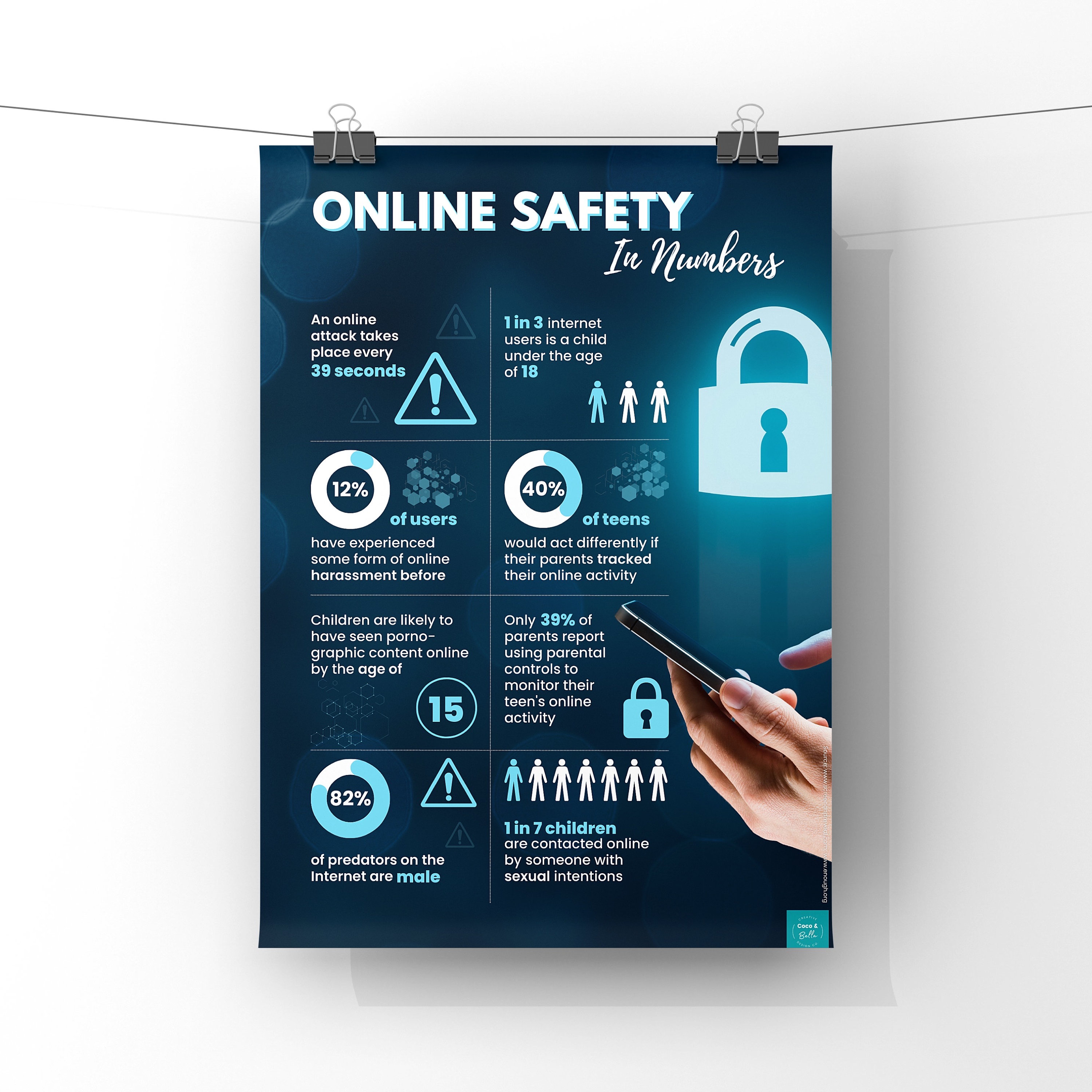
Setting boundaries with children and teens is one of the most important internet safety tips. Make sure to set rules and guidelines for their online behavior, including limiting screen time, monitoring their online activities, and educating them about online safety and cyberbullying. Encourage open communication and provide guidance on how to handle online relationships and potential threats.
Staying Up-to-Date with the Latest Threats
Staying up-to-date with the latest threats and online risks is crucial for effective internet safety. Follow reputable security sources, such as the SANS Institute and the FBI's Internet Crime Complaint Center, to stay informed about the latest threats and trends. This will help you make informed decisions about your online security and protect yourself and your family from cyber threats.
Reporting Suspicious Activity
Reporting suspicious activity is one of the most important internet safety tips. If you suspect that you've been a victim of cybercrime or know someone who has, report it to the authorities immediately. Contact the Federal Trade Commission (FTC) or the FBI's Internet Crime Complaint Center (IC3) to file a complaint. You can also report suspicious activity to online platforms, such as social media and online marketplaces.