How to Set Up a Dutch Trust: A Comprehensive Guide
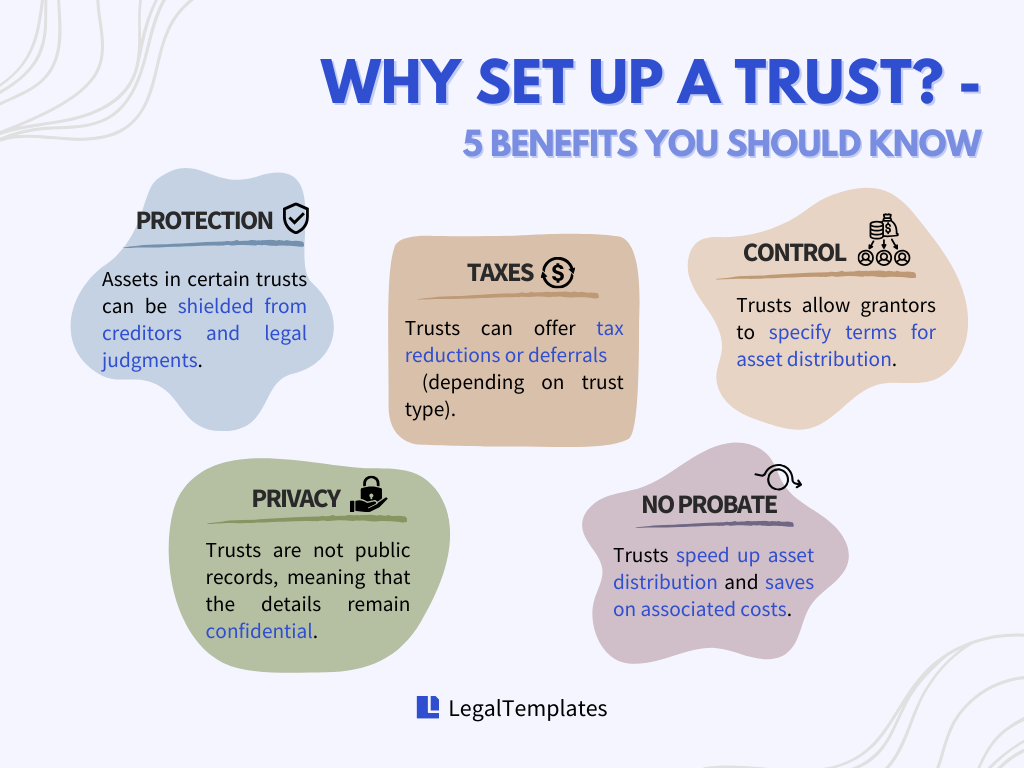
A Dutch trust, also known as a "trust" or "trustfund," is a legal arrangement that allows you to separate legal ownership from beneficial ownership. This setup can be beneficial for asset protection, estate planning, and tax deferral, but it also comes with tax implications and regulations to consider.
Understanding the Concept of a Trust in the Netherlands
The concept of a trust is recognized under foreign laws, and the Netherlands recognizes trusts that are validly established according to the laws of a foreign state. However, the Dutch law does not recognize the concept of a trust as such. As a result, trust arrangements in the Netherlands are typically established in accordance with foreign laws, and the trust assets are held in a separate entity, such as a foundation or a company.
When setting up a trust in the Netherlands, it is essential to understand the tax implications and regulations. For instance, the Dutch tax authorities may consider a trust as a separate taxable entity, and the beneficiaries may be subject to income tax on the benefits received from the trust. Therefore, it is crucial to consult with a tax specialist and a legal expert to ensure that the trust arrangement is set up correctly and complies with the relevant laws and regulations.
Types of Trusts and Their Implications
There are different types of trusts, including revocable trusts and irrevocable trusts. Revocable trusts allow the settlor to bring the trust assets back into their own estate, while irrevocable trusts do not. Additionally, a distinction can be made between non-discretionary (fixed trust) and discretionary trusts.
- Revocable Trusts: These trusts allow the settlor to bring the trust assets back into their own estate.
- Irrevocable Trusts: These trusts do not allow the settlor to bring the trust assets back into their own estate.
- Non-Discretionary (Fixed Trust): This type of trust specifies the beneficiaries and the distribution of the trust assets in a fixed manner.
- Discretionary Trust: This type of trust allows the trustee to distribute the trust assets to the beneficiaries at their discretion.

Setting Up a Dutch Trust
Setting up a Dutch trust involves several steps, including:
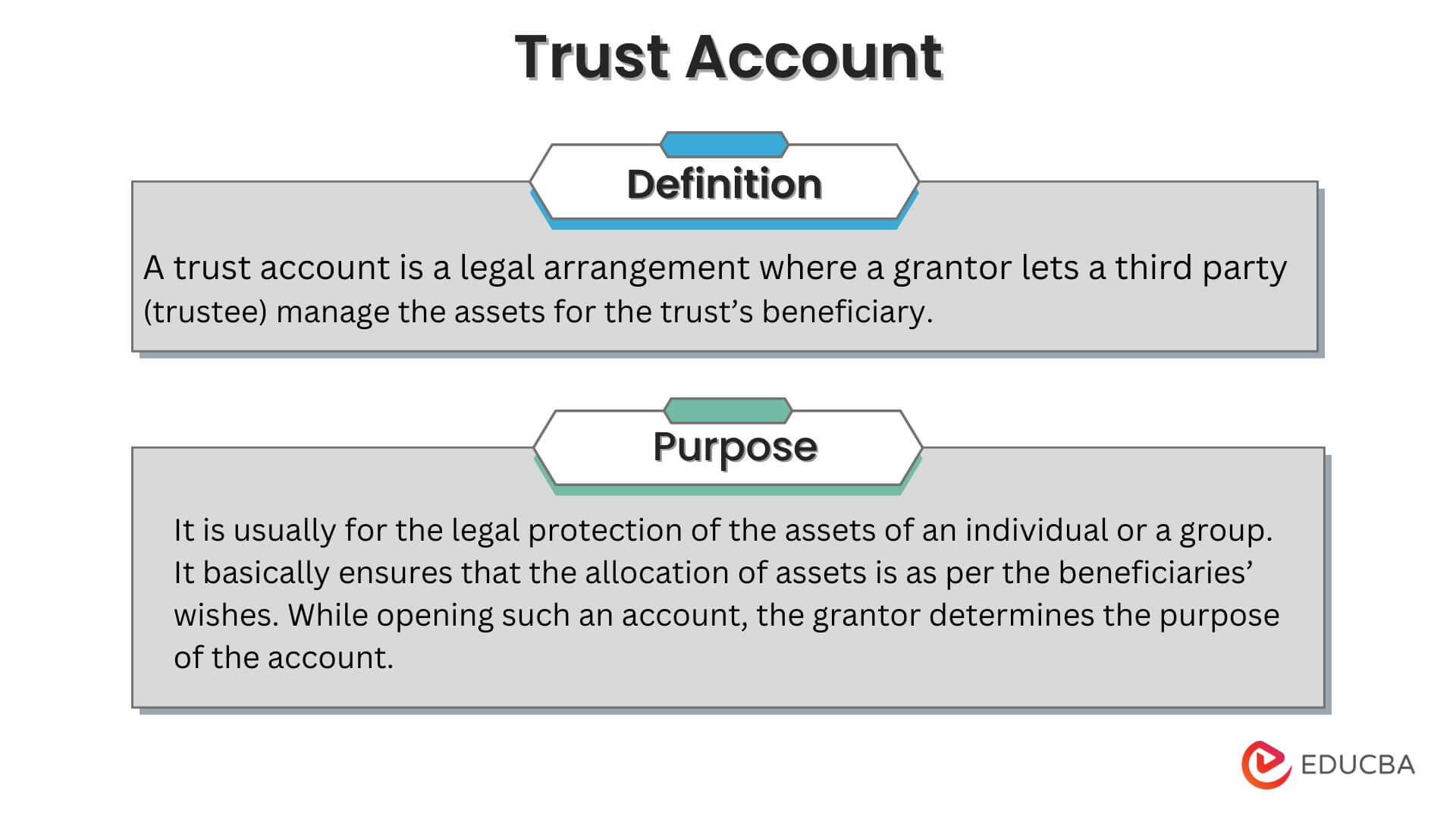
- Choosing a Trustee: The trustee is responsible for managing the trust assets and making decisions about the distribution of the trust assets.
- Selecting Beneficiaries: The beneficiaries are the individuals or entities that will receive the benefits from the trust.
- Establishing Trust Assets: The trust assets are the assets that will be held in the trust, such as property, cash, or other investments.
- Creating a Trust Deed: The trust deed is a document that outlines the terms and conditions of the trust, including the rights and responsibilities of the trustee and the beneficiaries.
- Registering the Trust: The trust must be registered with the relevant authorities in the Netherlands.
Conclusion
Setting up a Dutch trust can be a complex and legally binding arrangement. It is essential to understand the tax implications and regulations, as well as the different types of trusts and their implications. By consulting with a tax specialist and a legal expert, you can ensure that your trust arrangement is set up correctly and complies with the relevant laws and regulations. With careful planning and execution, a Dutch trust can be a valuable tool for asset protection, estate planning, and tax deferral.
Getting Help
Our Dutch accountants are experienced in providing trust services in the Netherlands and can offer full assistance and guidance throughout the process. Contact us today to learn more about how to set up a Dutch trust and to schedule a consultation with one of our experts.