How to Protect the Ocean: Essential Tips for a Healthier Marine Ecosystem
The ocean, which covers over 70% of our planet, is a vital component of our ecosystem. It provides us with a source of food, regulates the climate, and supports a diverse array of marine life. However, human activities have put the ocean under immense pressure, threatening the delicate balance of the marine ecosystem. In this article, we will explore ways to protect the ocean and its inhabitants, and discuss the importance of taking action to mitigate the impact of human activities on the marine environment.
The Impact of Human Activities on the Ocean
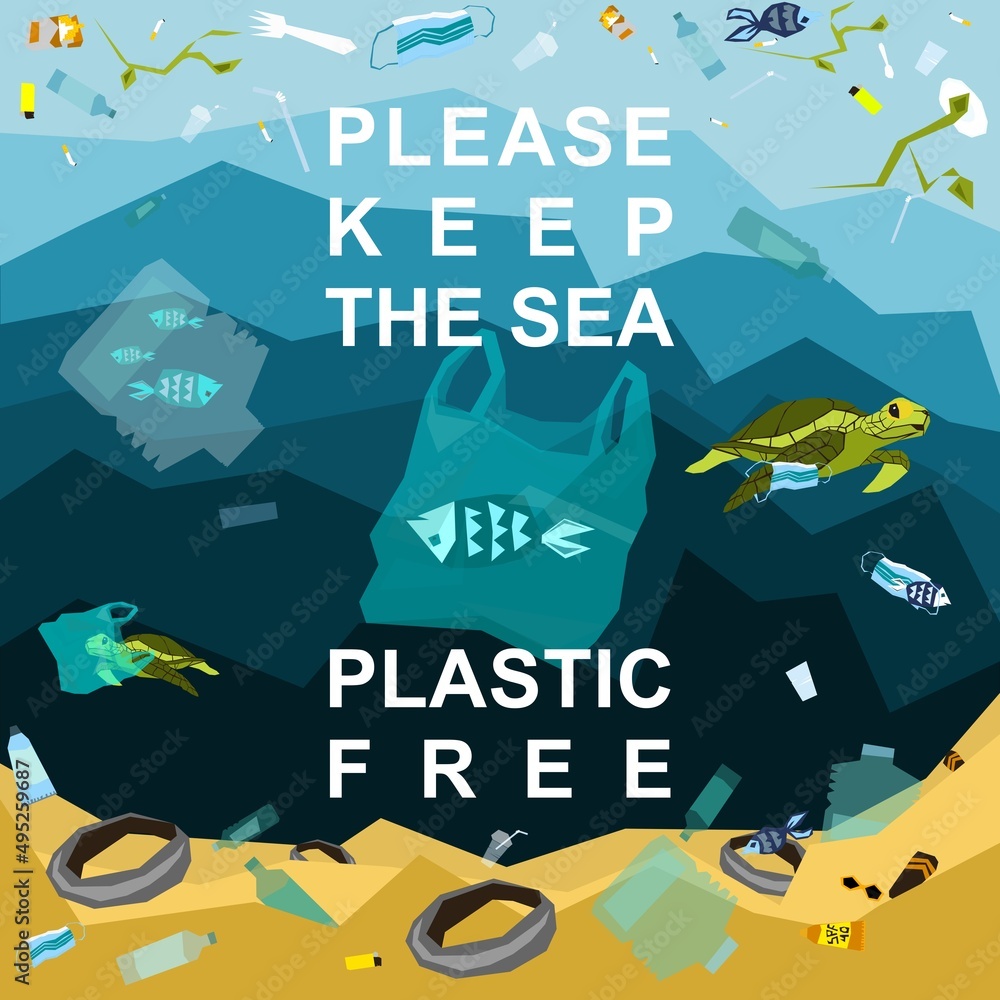
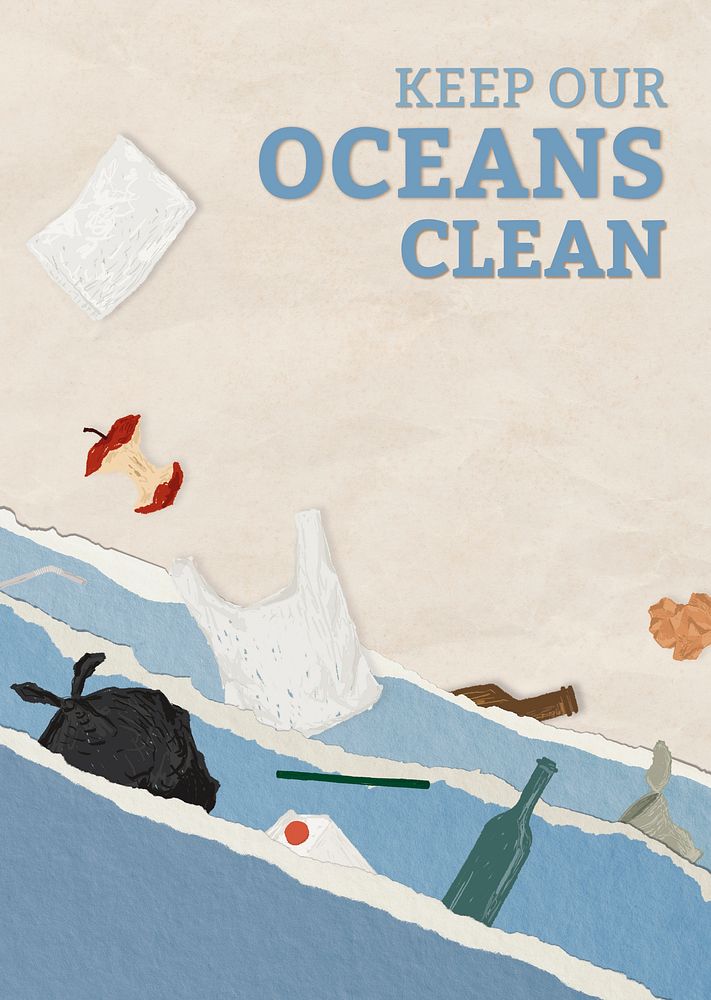
The ocean is facing numerous threats, including pollution, overfishing, climate change, and coastal erosion. These activities have devastating effects on marine life, from the smallest plankton to the largest whales. Plastic pollution, in particular, is a significant threat to the ocean, with an estimated 8 million tons of plastic waste entering the ocean every year.
- Plastic pollution harms marine life, from getting entangled in plastic debris to ingesting plastic microbeads.
- Overfishing depletes fish populations, leading to economic and food security problems.
- Climate change affects sea levels, ocean temperatures, and marine ecosystems, leading to a loss of biodiversity.
- Coastal erosion destroys habitats and undermines coastal communities.
How to Protect the Ocean
Protecting the ocean requires a multi-faceted approach that involves individuals, communities, governments, and international organizations. Here are some essential tips to get you started:
Individual Actions
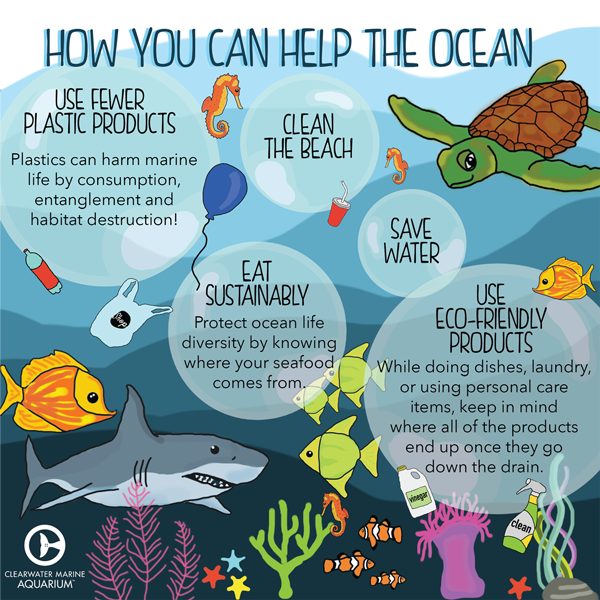
- Reduce plastic use: Refuse single-use plastics, carry a reusable bag, and opt for eco-friendly alternatives.
- Conserve water: Take shorter showers, fix leaks, and use water-efficient appliances.
- Support sustainable seafood: Choose seafood from certified sustainable sources, and avoid fish with high bycatch rates.
- Get involved in beach cleanups: Join local beach cleanup events or organize your own cleanup initiative.
Community Actions

- Organize a community cleanup initiative: Gather friends, family, and neighbors to clean up a local beach or park.
- Promote eco-friendly practices: Educate your community about the importance of reducing plastic use, conserving water, and supporting sustainable seafood.
- Support local conservation efforts: Donate to local organizations or participate in conservation projects in your community.
Government and International Actions
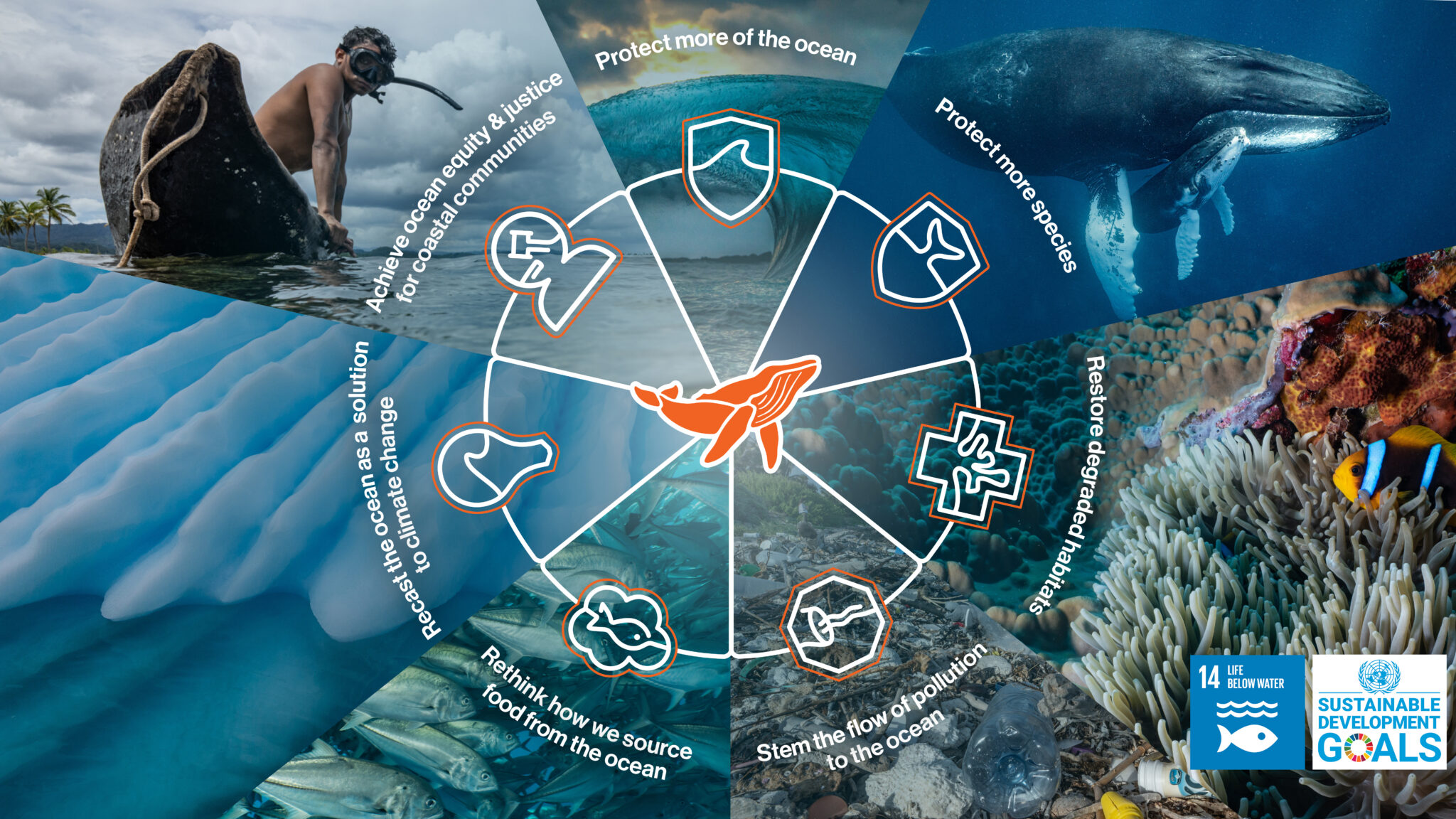
- Establish marine protected areas: Protect sensitive ecosystems and promote sustainable fishing practices.
- Enforce regulations on plastic pollution: Implement policies to reduce plastic use and waste.
- Support climate action: Invest in renewable energy, reduce greenhouse gas emissions, and promote sustainable transportation.
The Importance of Protecting the Ocean
The ocean is a vital component of our ecosystem, and its health is closely linked to our own. Protecting the ocean benefits us in many ways:
- Provides a source of food
- Regulates the climate
- Supports a diverse array of marine life
- Provides employment and economic benefits
- Supports human health and well-being
Conclusion
Protecting the ocean is a complex issue that requires a collective effort from individuals, communities, governments, and international organizations. By taking action to reduce plastic use, conserve water, support sustainable seafood, and promote eco-friendly practices, we can mitigate the impact of human activities on the marine environment and promote a healthier ocean ecosystem. Remember, every small action counts, and together, we can make a significant difference in protecting our ocean and its inhabitants for future generations.