Manual Intervention Routing on Router: Understanding the Concept
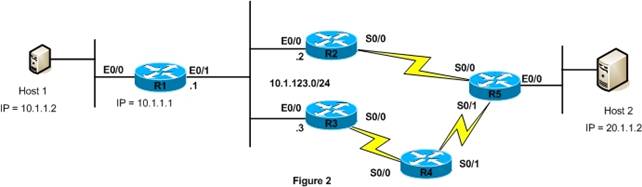
Manual intervention routing on a router refers to the process of manually configuring network routers with specific routes for sending data packets. This technique stands in contrast to dynamic routing, where routes are learned and adjusted automatically.
Static Routing: A Key Concept in Manual Intervention Routing
Static routing is a fundamental method within network routing, characterized by the manual configuration of routing tables by network administrators. This approach directs data packets through a network using predetermined paths, without the aid of algorithms to dynamically adjust routes based on network traffic or topology changes.
- Static routing involves manually adding routes to the routing table.
- Each static route must be configured individually, using commands such as `ip route` in switch configuration mode.
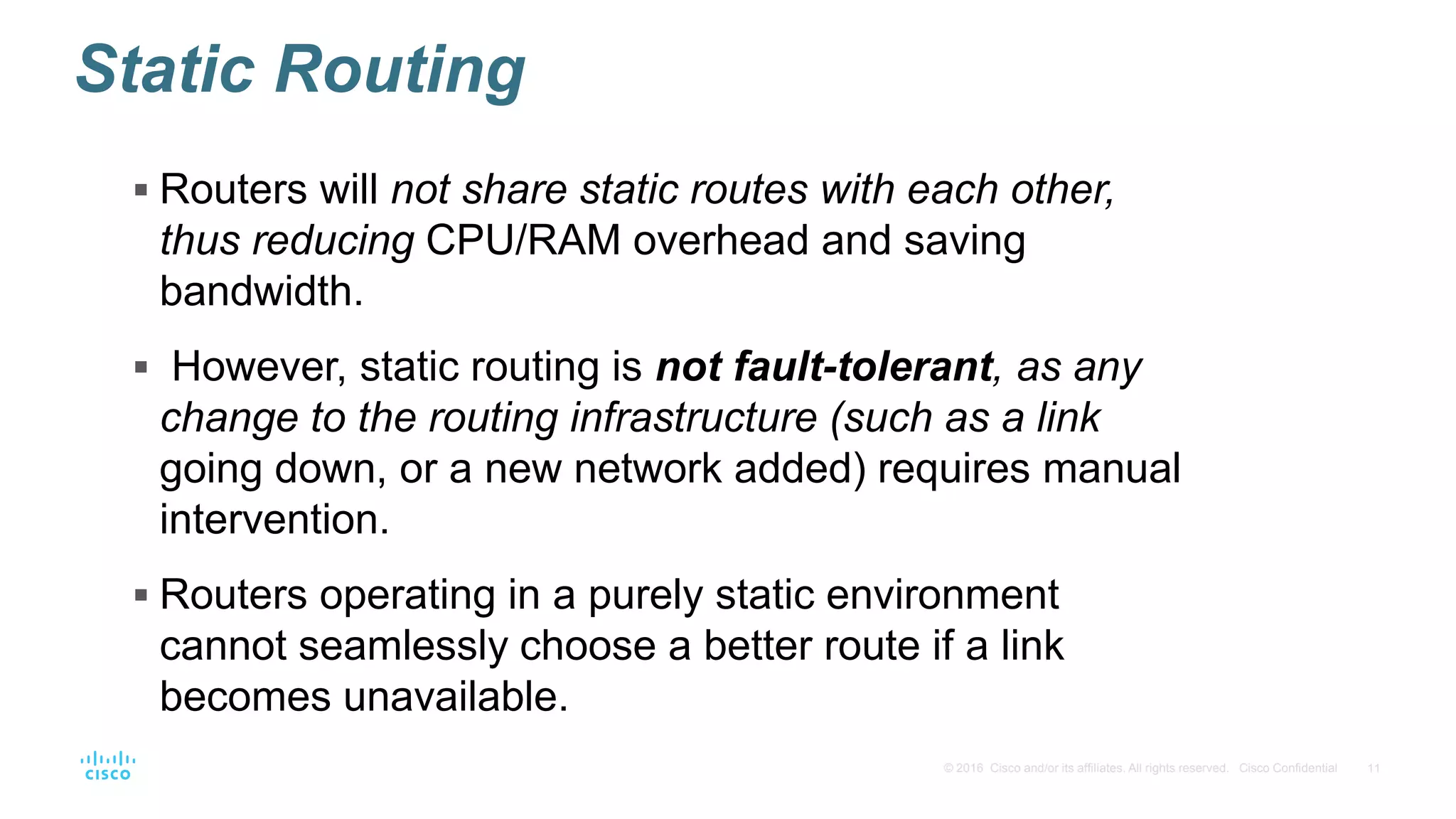
- Static routes are not shared between routers, reducing CPU/RAM overhead and saving bandwidth.
The Drawbacks of Manual Intervention Routing
While manual intervention routing offers a high degree of control over network traffic flow, it also has its limitations. One of the primary drawbacks is that routers operating in a purely static environment cannot seamlessly choose a better route if a link becomes unavailable.
- Manual intervention routing is not fault-tolerant, requiring manual intervention upon any change to the routing infrastructure.
- Static routes are not automatically updated, and network administrators must manually implement changes to adapt to network topology changes or link failures.
- Complex networks with multiple paths and redundant connections benefit from dynamic routing protocols, which adapt to changing conditions without manual intervention.
Dynamic Routing: The Alternatives

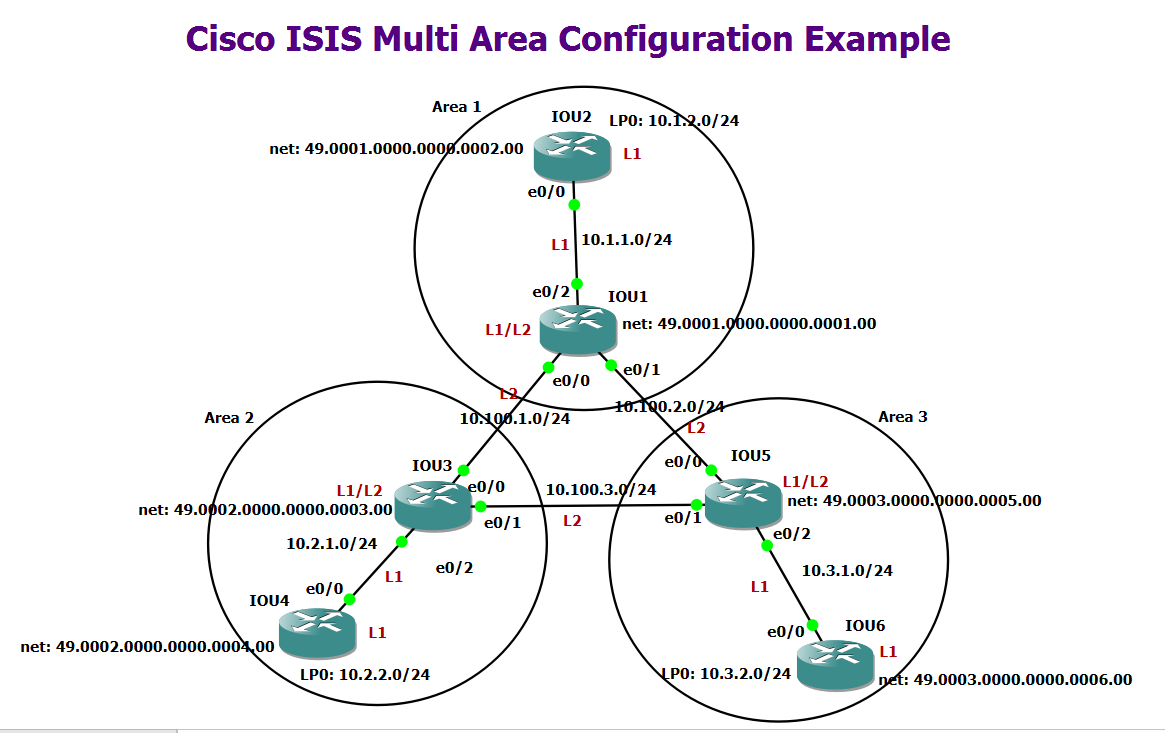
Dynamic routing is the process of selecting the best path a data packet must follow through a network to reach a specific destination. Known as adaptive routing, dynamic routing is a technique where a router obtains routing information without an administrator's assistance. The router adds the optimal path to the routing table and determines alternative routes if the primary path becomes unavailable.
- Dynamic routing protocols exchange routing information automatically between routers within a network.
- These protocols are designed to adapt to changes in the network, such as link failures or changes in topology, by finding new paths for data packet delivery without manual intervention.
- Dynamic routing protocols, such as RIP and OSPF, are commonly used for this purpose.
Conclusion
Manual intervention routing on a router involves manually configuring network routers with specific routes for sending data packets. While this technique offers a high degree of control over network traffic flow, it also has its limitations. Dynamic routing, on the other hand, allows routers to automatically update routing tables and adapt to changing network conditions without manual intervention. Choosing between these two approaches depends on the specific needs of the network, including the complexity of the network and the level of control required.
Network administrators should carefully consider the trade-offs between manual intervention routing and dynamic routing before deciding on a solution for their network.
References
- Static Routing Configuration Guide with Examples
- How Static Routing Works
- Static and Dynamic Routing Protocols
- Routing and Switching Essentials
- Network Routing Fundamentals

![[Wireless Router] How to set up Static Routes in ASUS Router?](http://www.tcpipguide.com/free/diagrams/iphops.png "[Wireless Router] How to set up Static Routes in ASUS Router?")