How to Get a Job in the Construction Management Industry
The construction industry is a vital sector that employs millions of people worldwide, shaping the physical infrastructure of our communities and cities. A construction manager plays a crucial role in overseeing projects from inception to completion, ensuring they are completed on time, within budget, and to the client's satisfaction. If you're interested in pursuing a career in construction management, this comprehensive guide will walk you through the necessary steps to get hired.
Understanding the Role of a Construction Manager
Construction managers, also known as project managers or site managers, are responsible for overseeing the planning, coordination, and execution of construction projects. They work with architects, engineers, contractors, and other stakeholders to ensure that projects are completed safely, efficiently, and to the satisfaction of the client.
Key Skills Required for a Career in Construction Management
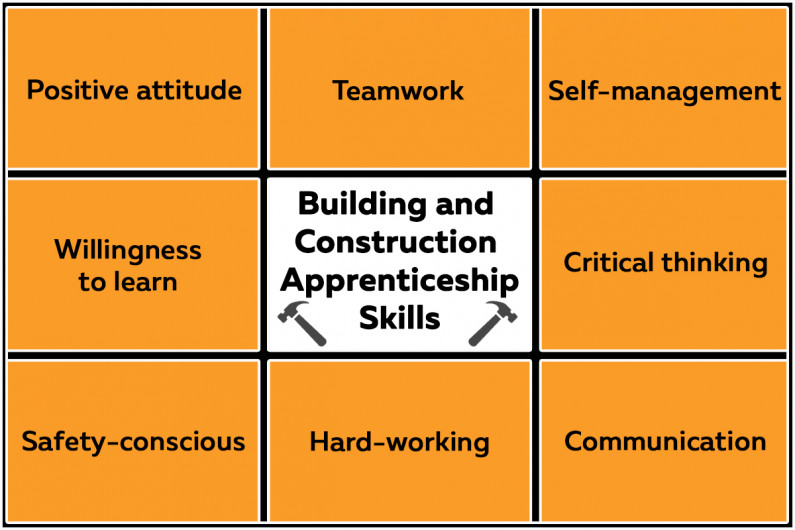
To succeed in the construction management industry, you'll need a combination of technical, business, and soft skills. Some of the essential skills required for the job include:
- Project management principles: Knowledge of project management methodologies, such as Agile and Waterfall.
- Construction knowledge: Understanding of construction processes, materials, and techniques.
- Communication skills: Excellent communication and interpersonal skills to work with diverse stakeholders.
- Problem-solving skills: Ability to analyze problems and develop solutions.
- Leadership skills: Experience in leading and motivating teams.
Education and Experience
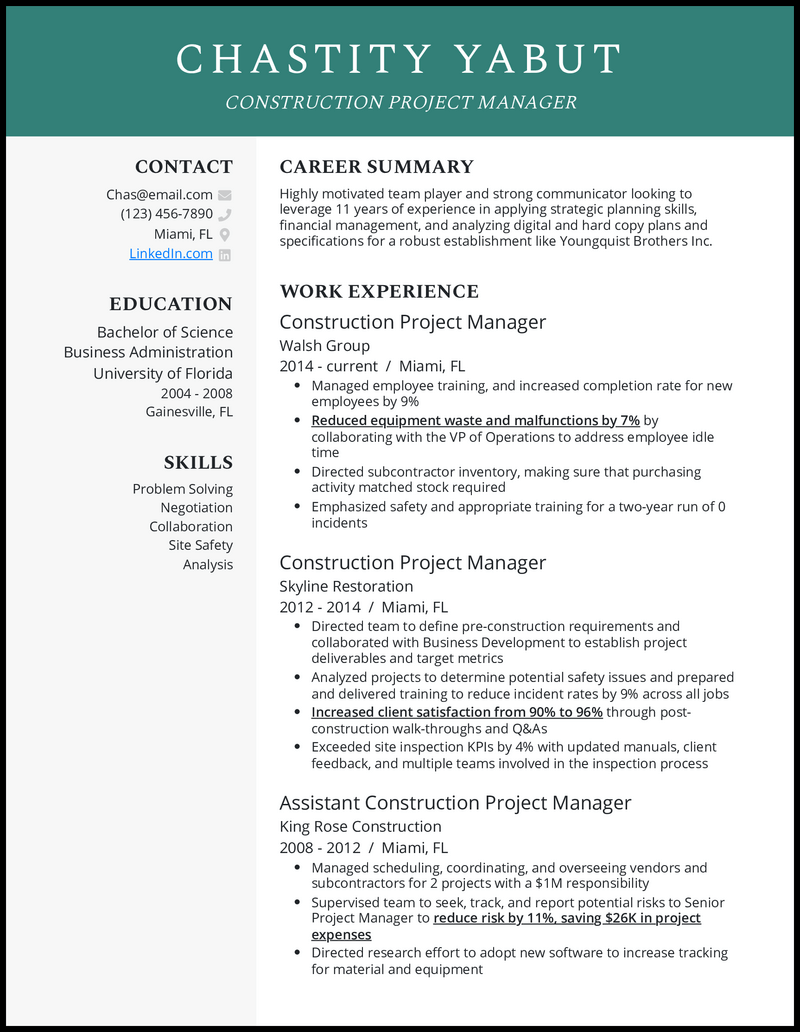
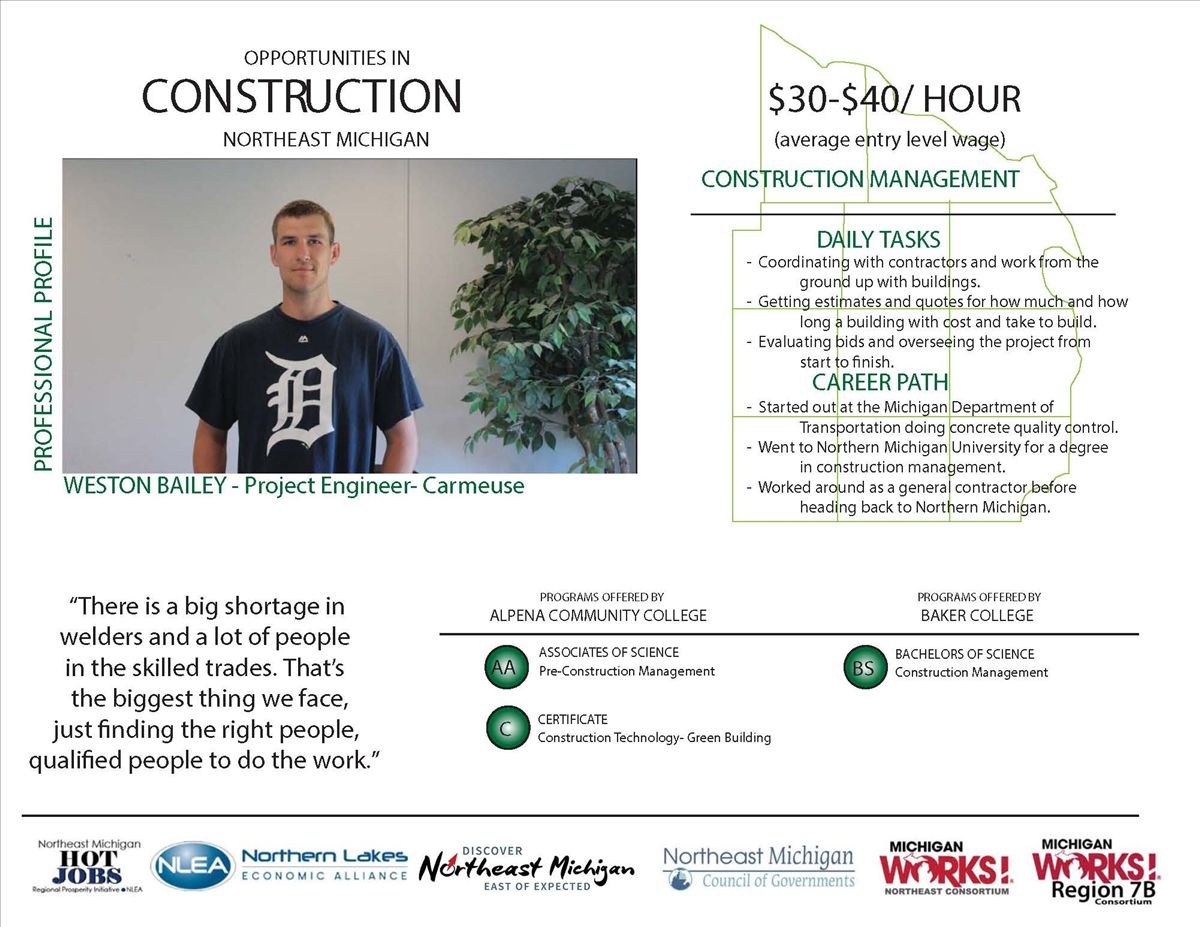
To become a construction manager, you typically need a bachelor's degree in construction management, engineering, or a related field. Most employers require a minimum of 2-5 years of experience in the construction industry, with a proven track record of managing projects successfully.
Certifications and Training
Consider obtaining certifications from reputable organizations, such as the Project Management Institute (PMI) or the American Institute of Constructors (AIC), to demonstrate your expertise and commitment to the profession. These certifications can be beneficial in advancing your career and increasing your earning potential.
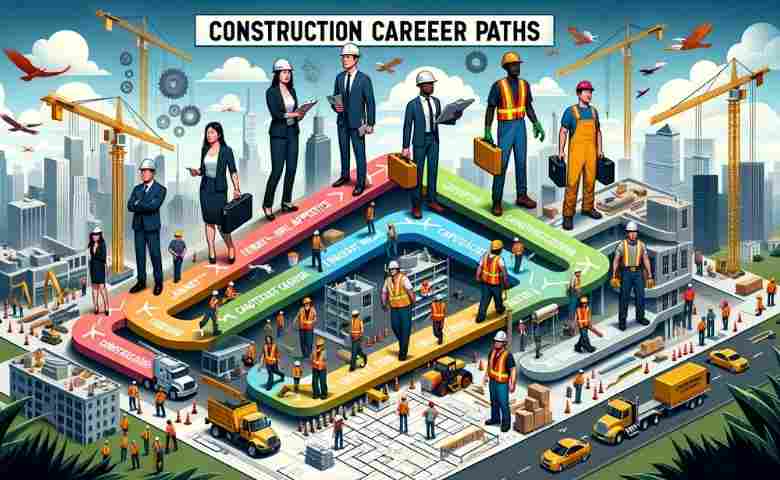
Job Titles and Career Paths
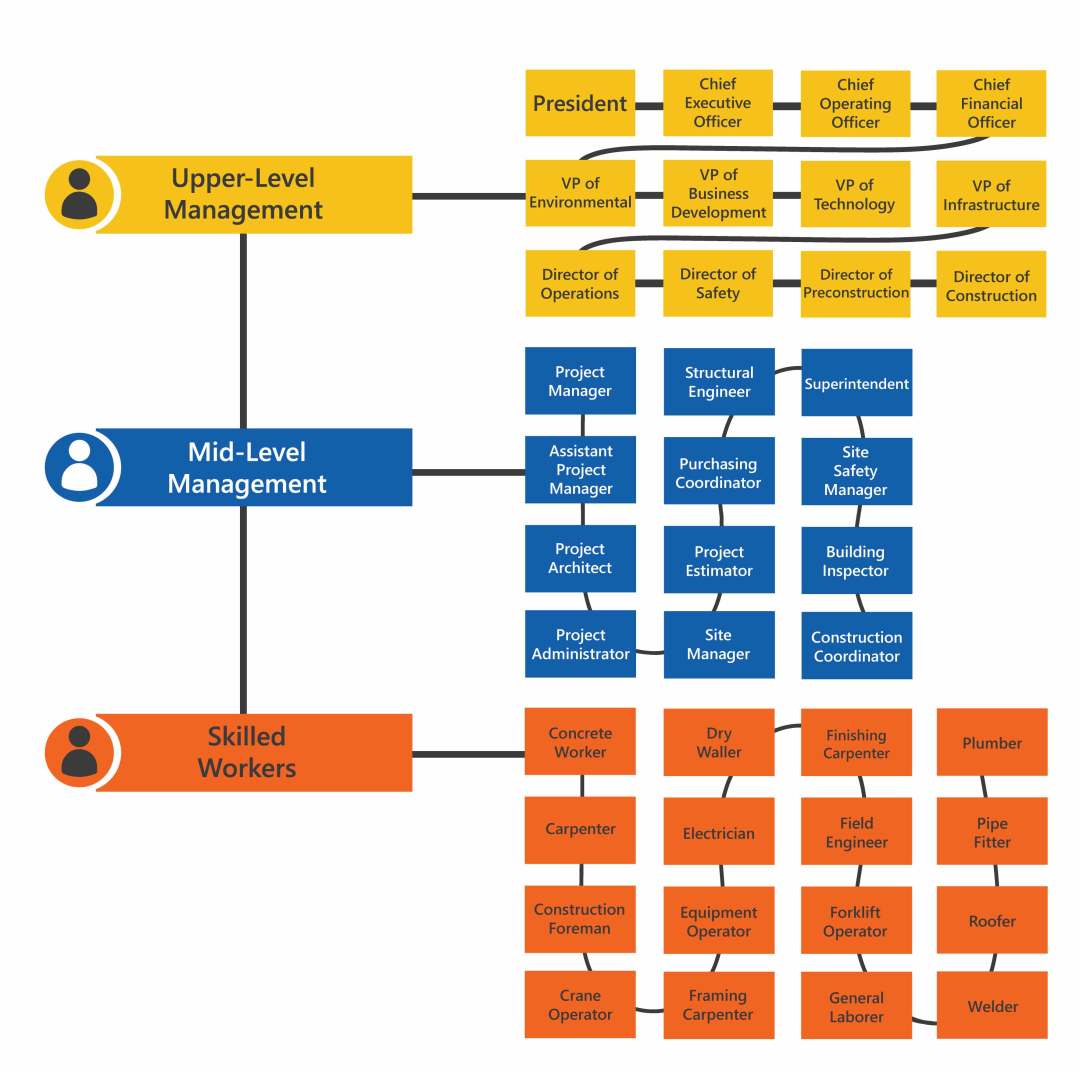
Here are some common job titles in the construction management industry:
- Construction Manager: Oversees the entire construction process, from planning to completion.
- Project Manager: Responsible for managing individual projects within a larger program or portfolio.
- Site Manager: Oversees the coordination and execution of construction activities on-site.
- Estimator: Prepares and submits bids for construction projects.
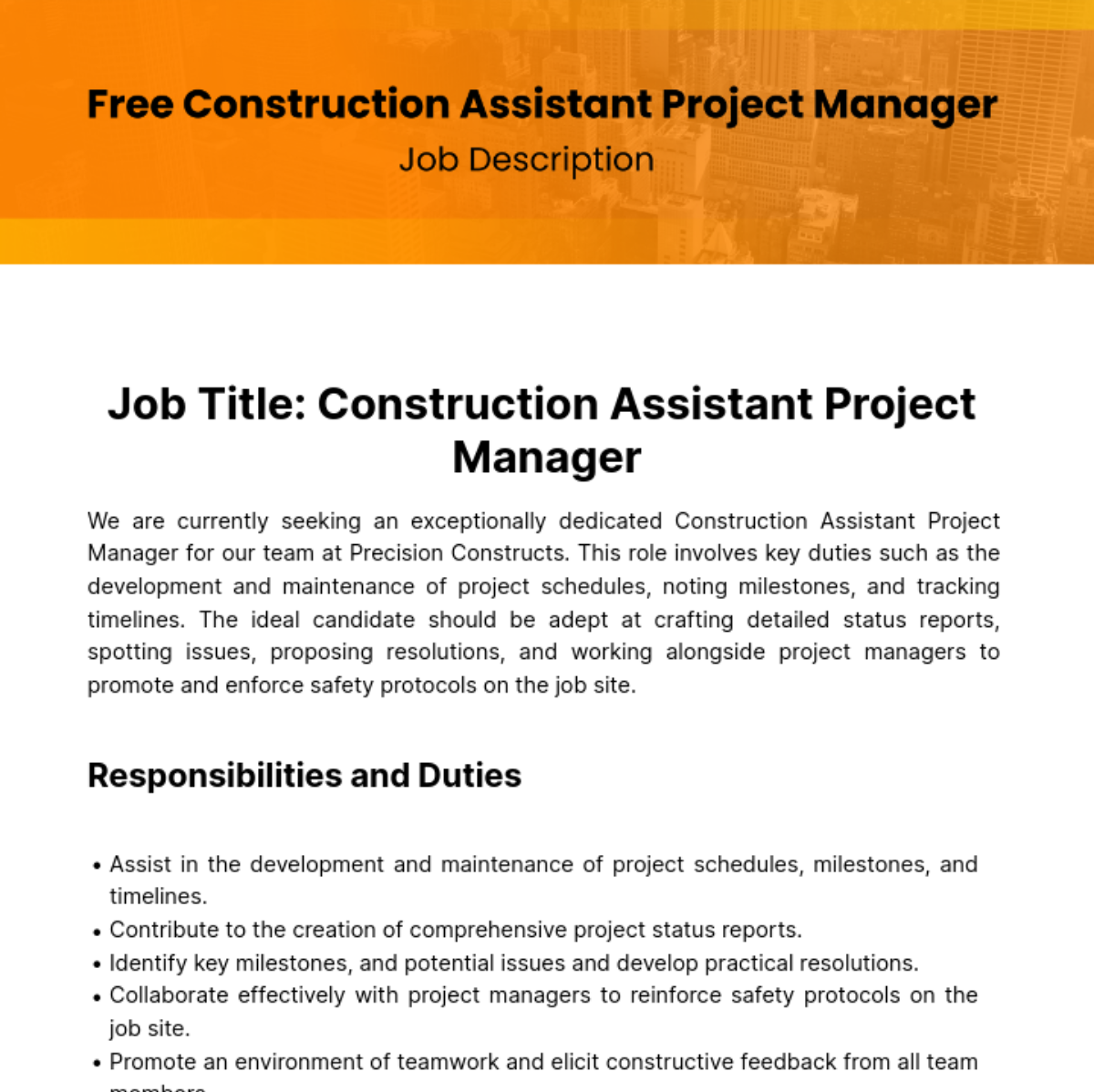
- Construction Supervisor: Assists the construction manager in monitoring and controlling construction activities.
How to Get a Job in the Construction Management Industry

1. Network with Industry Professionals
Attend industry events, conferences, and job fairs to network with professionals in the field. Building relationships with experienced construction managers can provide valuable insights and job opportunities.
2. Build a Strong Network
Obtain a bachelor's degree in construction management or a related field. Gain practical experience through internships, part-time jobs, or volunteering for construction-related projects.
3. Acquire Industry-Specific Skills
Stay up-to-date with the latest technologies, materials, and techniques in the construction industry. Attend workshops, conferences, and training sessions to improve your skills and knowledge.
4. Create a Portfolio
Develop a professional portfolio showcasing your work experience, skills, and certifications. This will help you stand out from other applicants when applying for jobs.
5. Apply for Job Openings
Search for job openings on company websites, job boards, and industry-specific platforms. Tailor your application materials to each job, highlighting your relevant skills and experience.
6. Prepare for Interviews
Research the company and the role, and prepare answers to common construction management interview questions. Demonstrate your knowledge, skills, and experience during the interview process.
Conclusion
Getting a job in the construction management industry requires a combination of education, experience, certifications, and skills. By following the steps outlined in this article, you can increase your chances of landing a job as a construction manager. Remember to stay up-to-date with industry trends and developments to continue advancing your career in this exciting and rewarding field.
_(1).png "How to Start a Career in Construction Management - LinkedIn")
_(1).png "Everything You Need to Know About Construction Management Jobs (And How ...")