Struggling to Get to Sleep? Try These 8 Science-Backed Tips to Fall Asleep in 5 Minutes or Less
Are you tired of lying awake at night, staring at the ceiling, and wondering why you can't get to sleep? You're not alone. Millions of people around the world struggle with insomnia and sleep deprivation, which can have serious consequences for our health and well-being.
However, there are some surprising and science-backed tips that can help you fall asleep in 5 minutes or less. These tips are not only effective but also easy to implement, making it easier for you to get to sleep and stay asleep. In this article, we'll explore 8 of the most effective tips to help you get to sleep now.
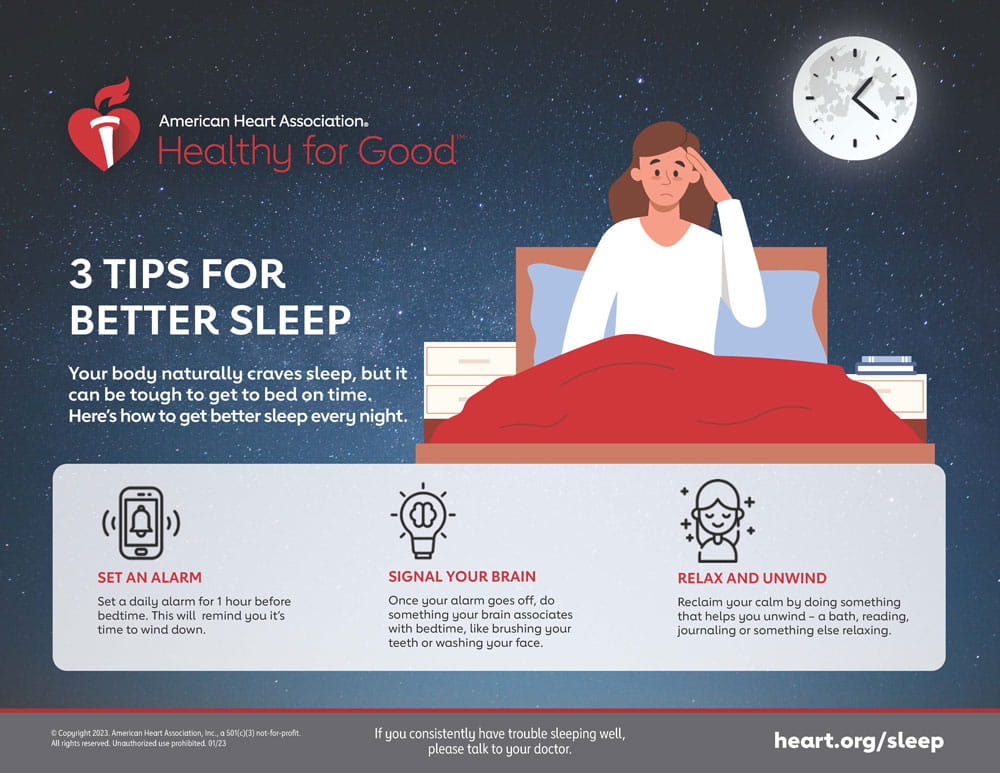
Tip 1: Establish a Bedtime Routine
Developing a bedtime routine can help signal to your brain that it's time to sleep. This can include activities such as reading a book, taking a warm bath, or practicing gentle stretches. Consistency is key, so try to stick to the same routine every night.
Trying to get to sleep can be challenging, but with the right routine, you can train your brain to sleep at the right time. Make sure to dim the lights, reduce noise levels, and create a relaxing environment that promotes sleep.
Tip 2: Create a Sleep-Conducive Environment
Did you know that your bedroom environment can affect your sleep quality? Make sure your bedroom is dark, quiet, and cool to optimize sleep. Consider using blackout curtains, earplugs, or a white noise machine to create a sleep-friendly environment.
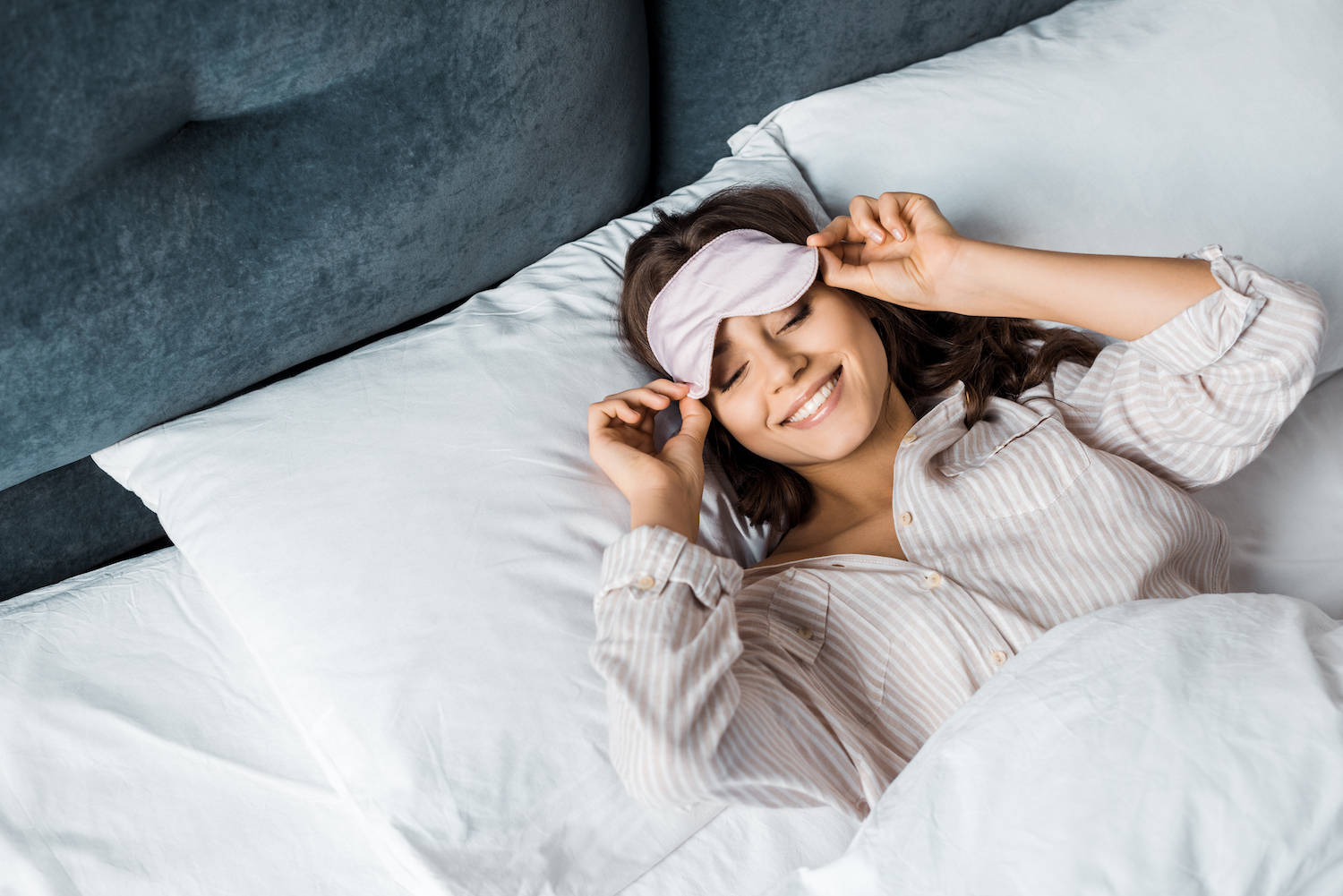
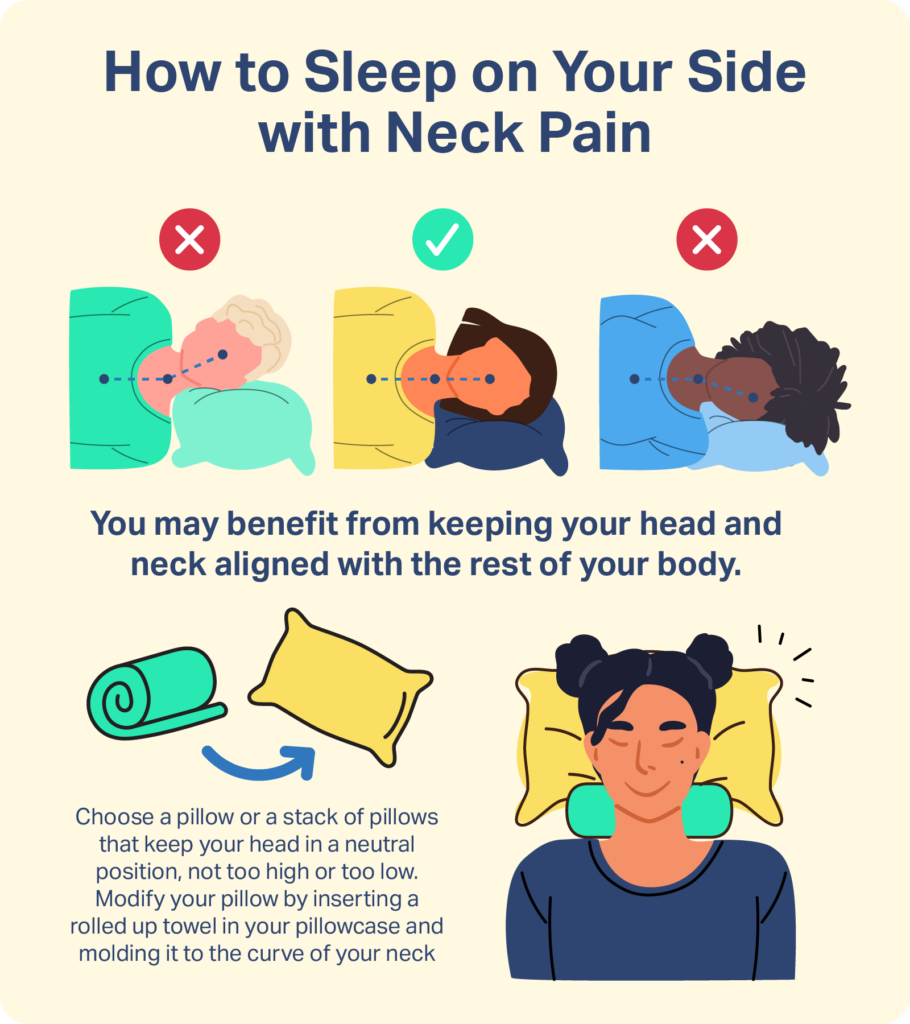
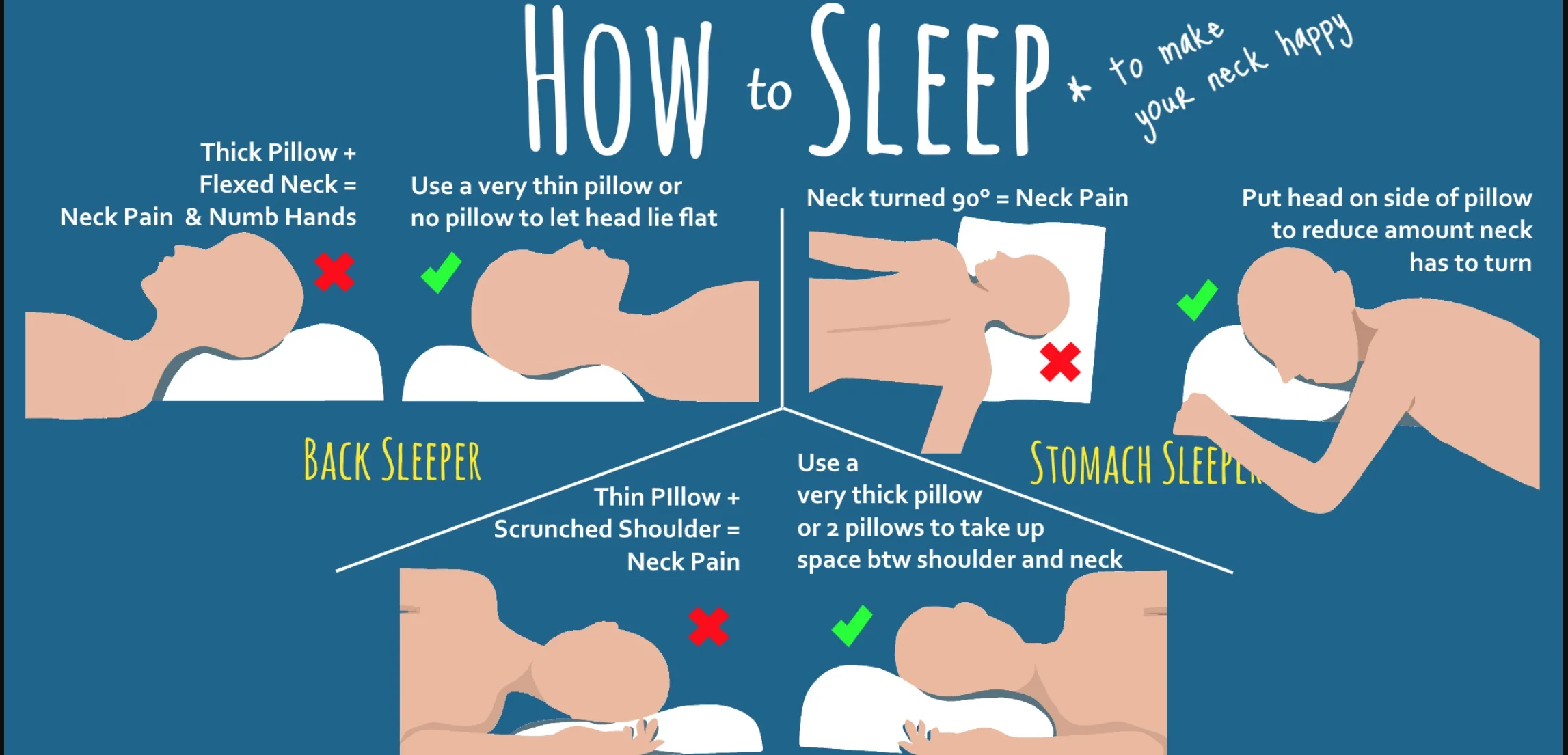
Investing in a comfortable mattress and pillows can also boost your sleep quality. Look for a mattress that provides the right level of support and comfort for your body. Additionally, consider using a sleep mask or earplugs to block out any light or noise that might disturb your sleep.
Tip 3: Use the 4-7-8 Breathing Technique
The 4-7-8 breathing technique is a simple yet effective way to calm your mind and relax your body. Also known as the "relaxation breath," this technique involves breathing in through your nose for a count of four, holding your breath for a count of seven, and exhaling through your mouth for a count of eight.

Regularly practicing the 4-7-8 breathing technique can help you develop a deeper sense of relaxation and reduce stress levels. This can help you get to sleep more quickly and improve the quality of your sleep.
Tip 4: Avoid Screen Time Before Bed
Refraining from screens before bed can help reduce exposure to blue light, which can interfere with your sleep-wake cycle. Try to avoid screens for at least an hour before bedtime or use blue light filtering glasses or apps that filter out blue light.
Watching TV or scrolling through your phone can be stimulating and make it harder to get to sleep. Dim the lights, put away your devices, and create a relaxing environment to promote better sleep.
Tip 5: Try Progressive Muscle Relaxation
Progressive muscle relaxation (PMR) is a technique that involves tensing and relaxing different muscle groups to release physical tension. Start by tensing your toes and holding for 5-10 seconds, then release. Move up through your body, tensing and relaxing each muscle group in turn.
Regularly practicing PMR can help you relax and clear your mind, making it easier to get to sleep. This technique can also help reduce stress and anxiety, which can disrupt sleep.
Tip 6: Use Aromatherapy
Certain scents can promote relaxation and improve sleep quality. Try using essential oils such as lavender, chamomile, or bergamot in a diffuser or apply them to your skin before bed.