The Effects of Nomophobia on Sleep: Understanding the Hidden Consequences
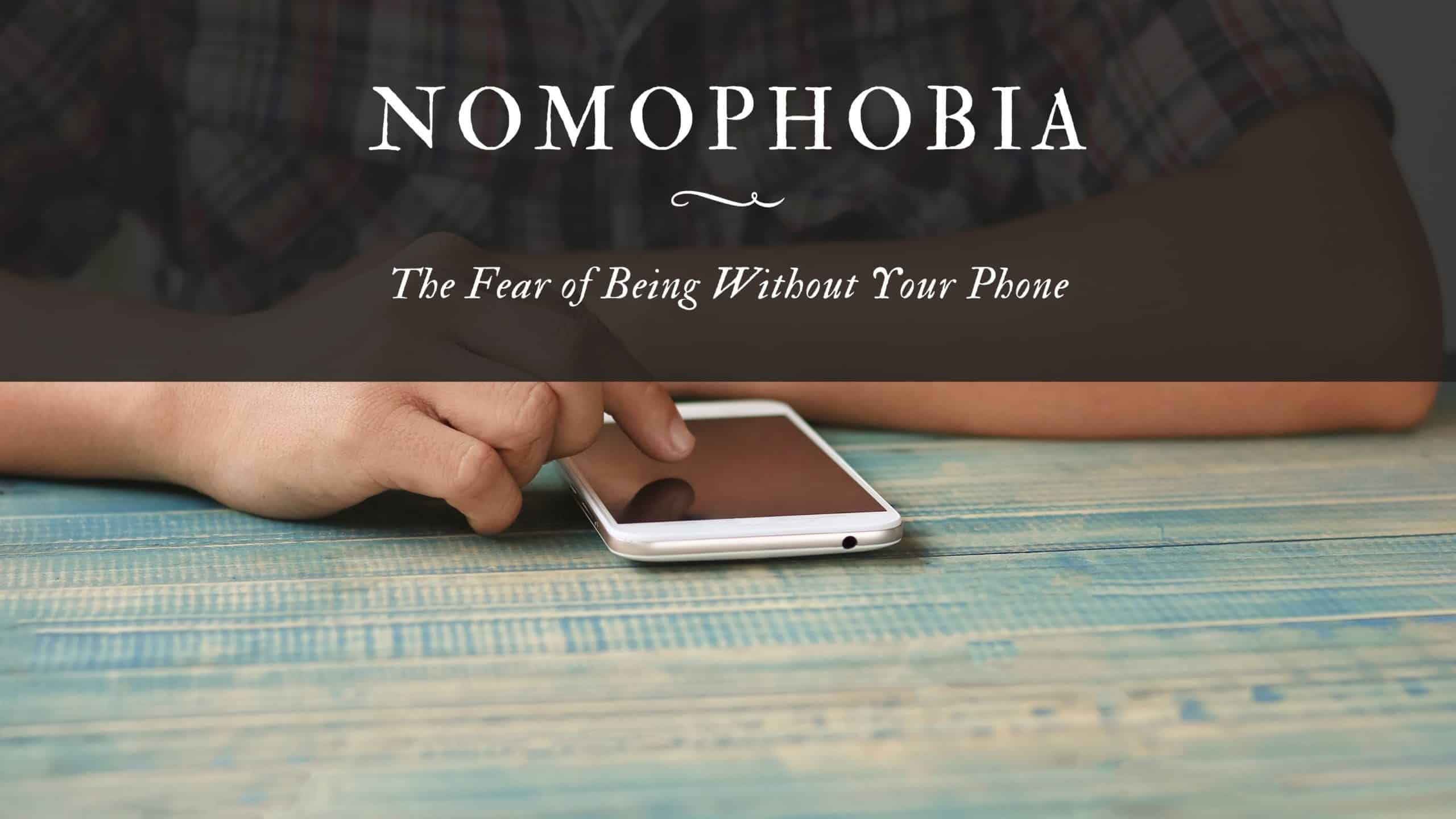
With the increasing prevalence of mobile phones and the growing dependence on these devices, a new phenomenon has emerged: nomophobia. Nomophobia, or the fear of being without a cell phone, is a relatively new psychological concept that has significant implications on an individual's mental and physical health. One of the most intriguing effects of nomophobia is its impact on sleep quality.
What is Nomophobia?
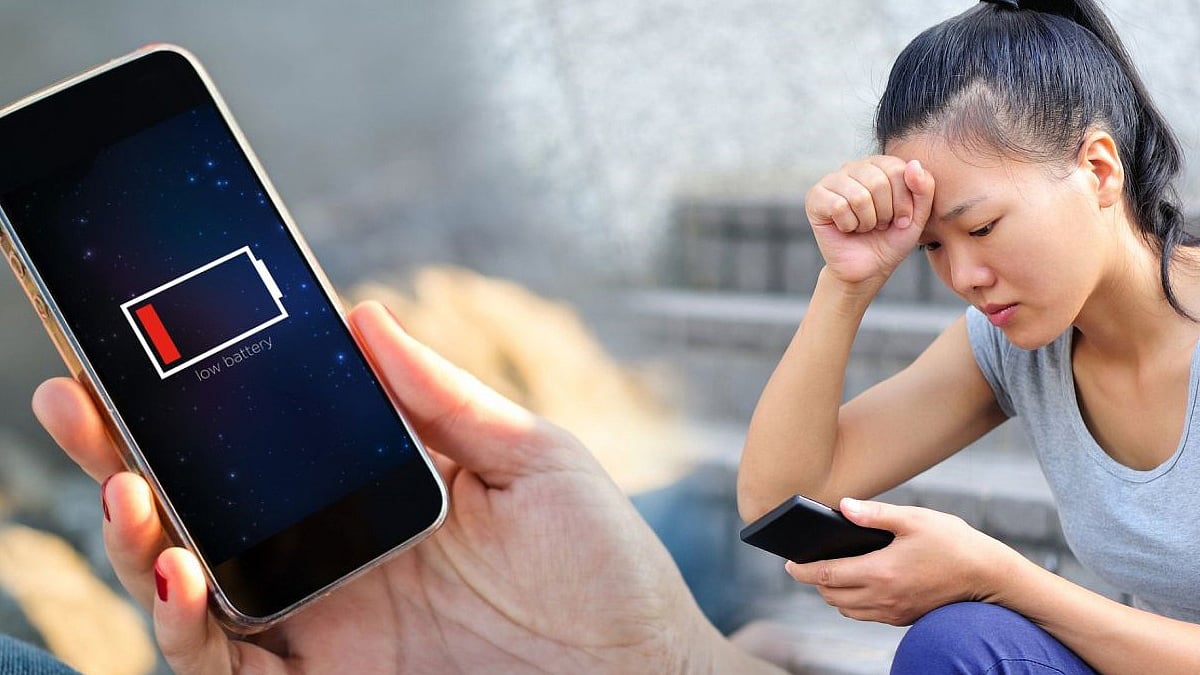
Nomophobia is a form of excessive and obsessive behavior towards mobile phones, characterized by feelings of anxiety, nervousness, and discomfort when separated from one's phone. This condition has become increasingly common, especially among young adults and students, due to the widespread use of mobile phones in daily life.
The Effects of Nomophobia on Sleep
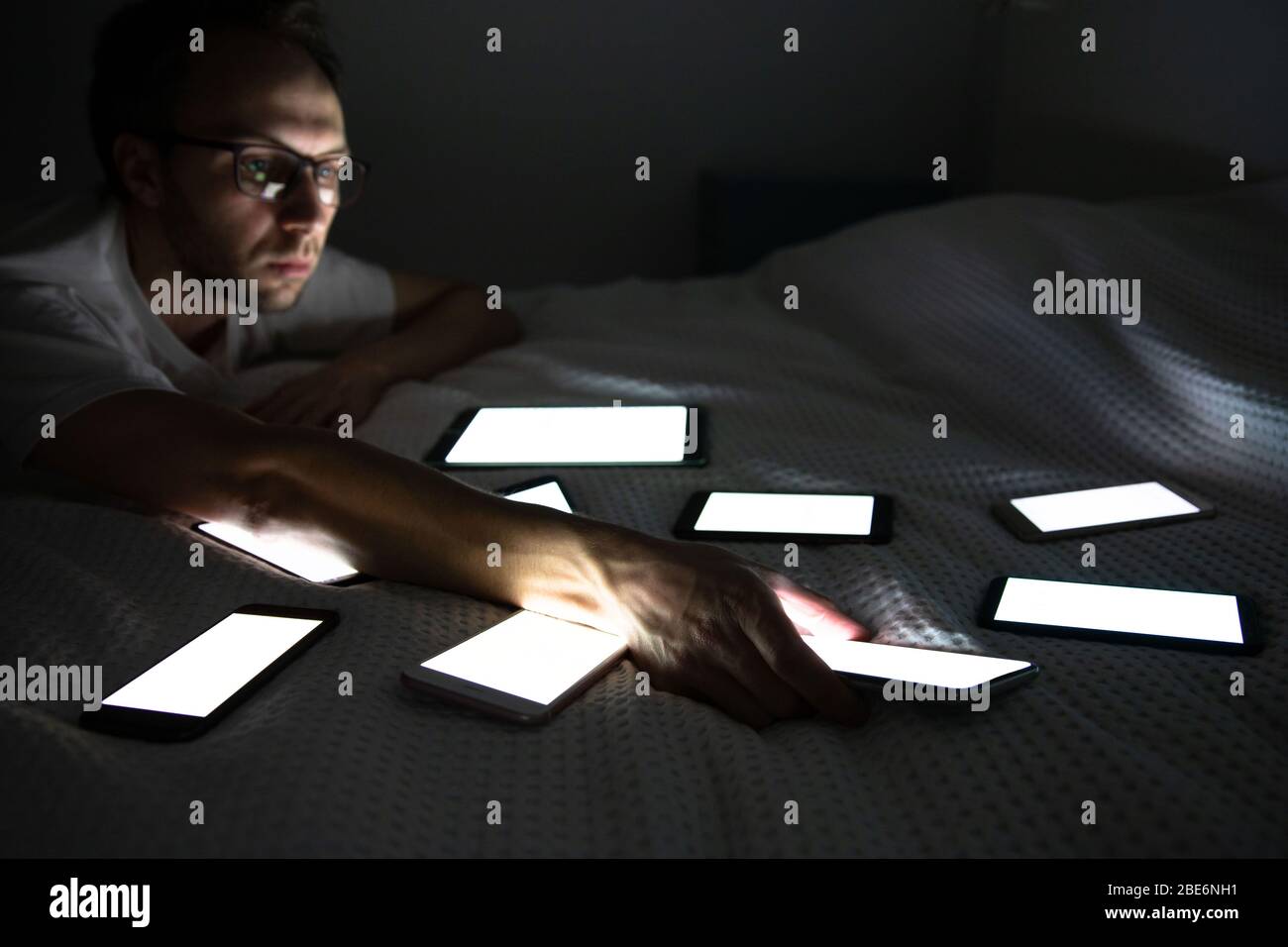
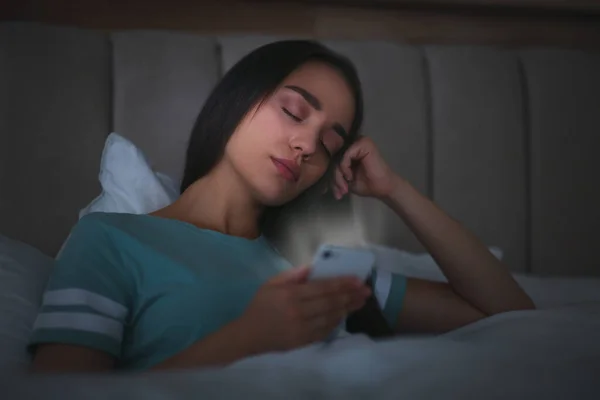
Research has shown that nomophobia can have a significant impact on an individual's sleep quality. Studies have found that individuals with nomophobia often experience poor sleep hygiene, insomnia, and fatigue. This can be attributed to the constant checking and scrolling through social media, emails, and texts, which can lead to a state of constant alertness and arousal, making it difficult to fall asleep.
- Insomnia:** Nomophobia can lead to insomnia, which is a condition characterized by difficulty falling asleep or staying asleep.
- Sleep Disturbances:** Nomophobia can cause sleep disturbances, including disrupted sleep patterns, daytime fatigue, and decreased sleep quality.
- Anxiety:** Nomophobia can lead to anxiety, which can further exacerbate sleep problems, creating a vicious cycle of sleep disturbances and anxiety.
- Decreased Self-Esteem:** Nomophobia can negatively impact self-esteem, leading to feelings of inadequacy and low self-worth, which can further contribute to sleep disturbances.
The Relationship Between Nomophobia and Sleep Quality

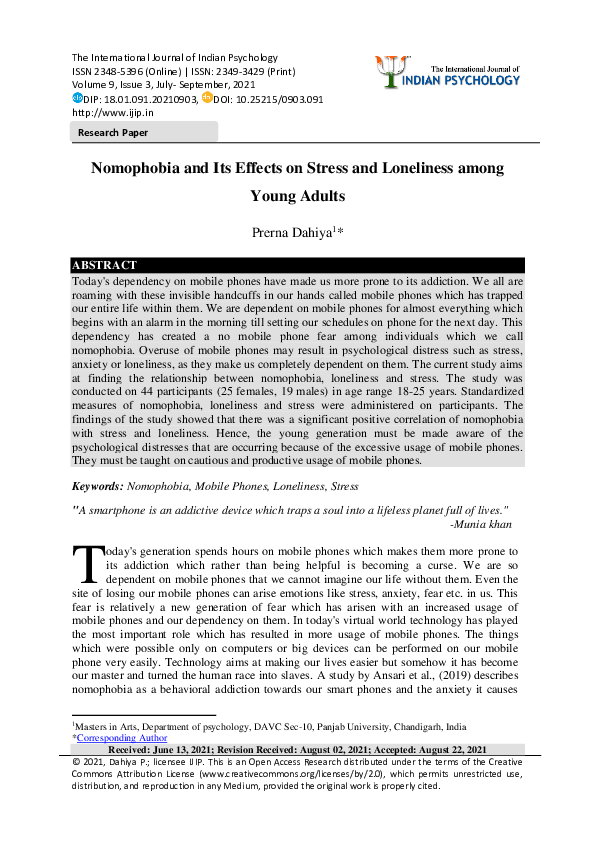
The relationship between nomophobia and sleep quality is complex and bidirectional. Nomophobia can lead to poor sleep quality, which in turn can exacerbate nomophobia. A recent study found that individuals with nomophobia experienced greater sleepiness, avolition (a lack of motivation), and poor sleep hygiene. Another study discovered that nomophobia was positively correlated with insomnia and negatively correlated with sleep quality.
Conclusion
The effects of nomophobia on sleep are multifaceted and can have significant consequences on an individual's mental and physical health. Understanding the relationship between nomophobia and sleep quality is essential for developing strategies to address this issue. By recognizing the signs and symptoms of nomophobia and taking steps to mitigate its effects, individuals can improve their sleep quality and overall well-being.
Recommendations
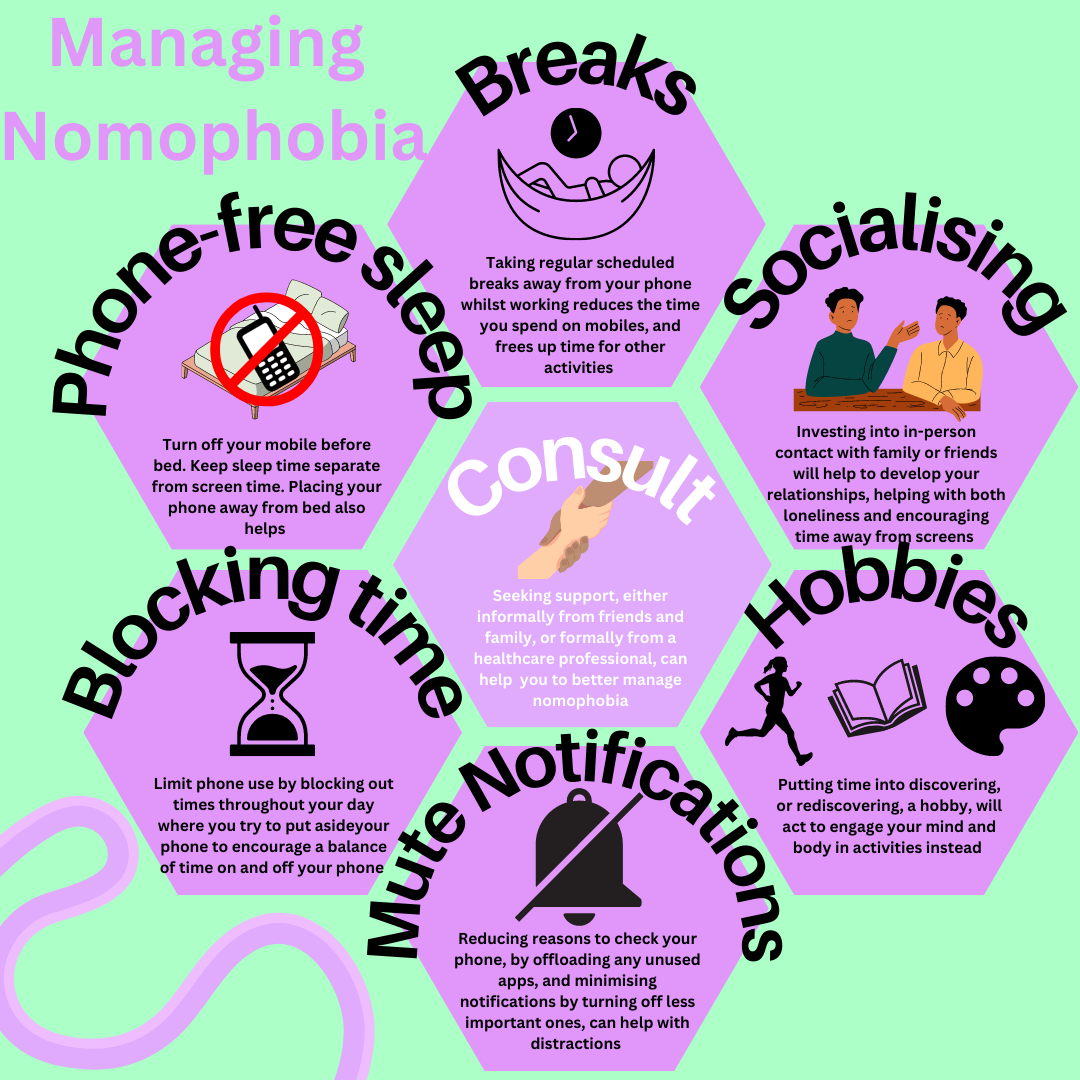
- Practice Digital Detox:** Regularly disconnect from mobile phones and digital devices, especially before bedtime.
- Establish Sleep Hygiene:** Establish a consistent sleep schedule, avoid caffeine and heavy meals before bedtime, and create a sleep-conducive environment.
- Seek Professional Help:** If you experience sleep disturbances or nomophobia, seek help from a mental health professional.
Conclusion
Nomophobia is a real and growing concern that can have significant effects on an individual's sleep quality. By understanding the relationship between nomophobia and sleep quality, we can develop strategies to mitigate its effects and promote healthier sleep habits.