Breaking Down Barriers to Recovery: Leveraging Digital Addiction Recovery Tools
For many individuals struggling with addiction, the path to recovery can seem daunting. Traditional methods of treatment, such as in-person therapy sessions and support groups, can be limiting due to logistical constraints, geographical barriers, or personal preferences.
The Rise of Digital Addiction Recovery Tools
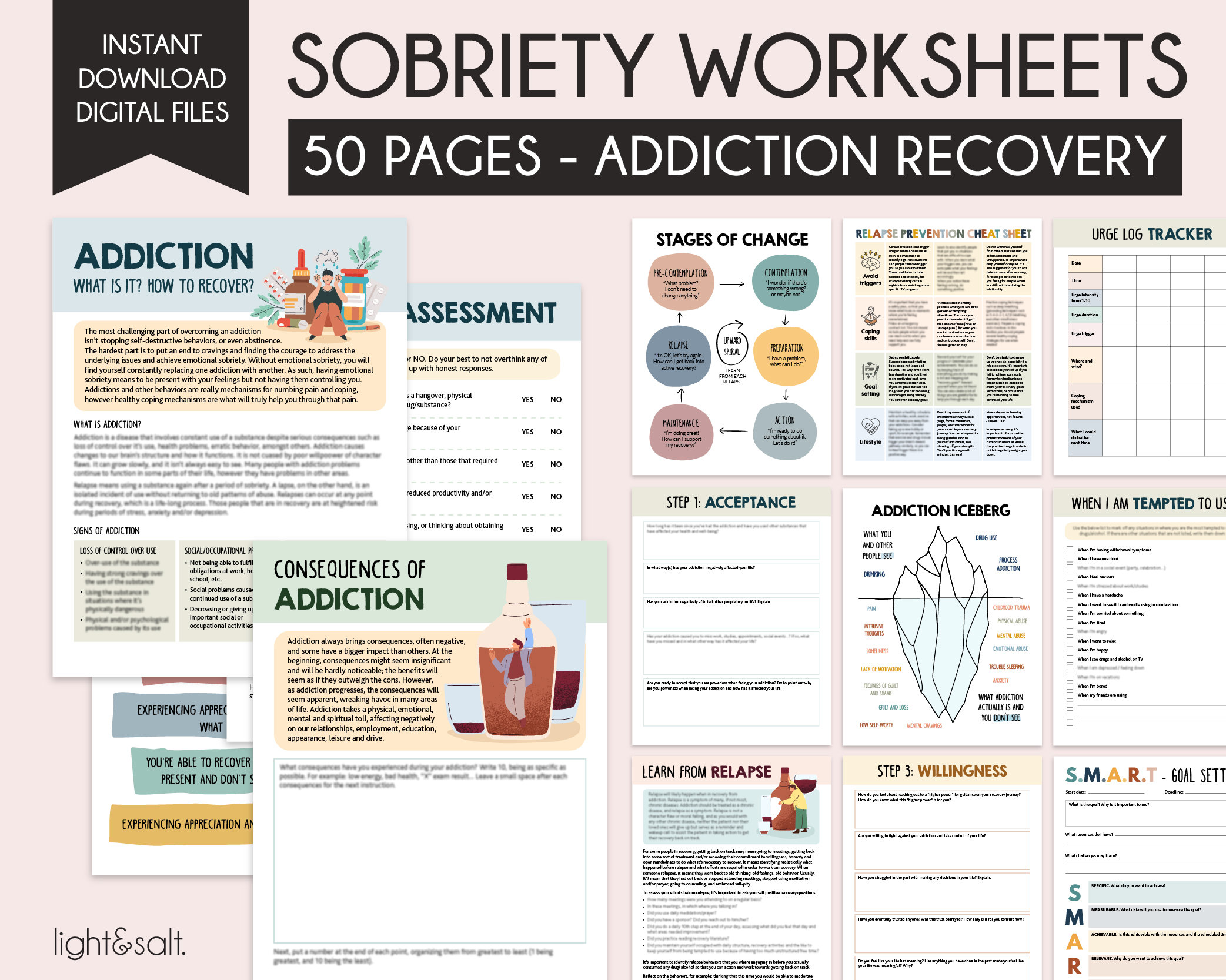
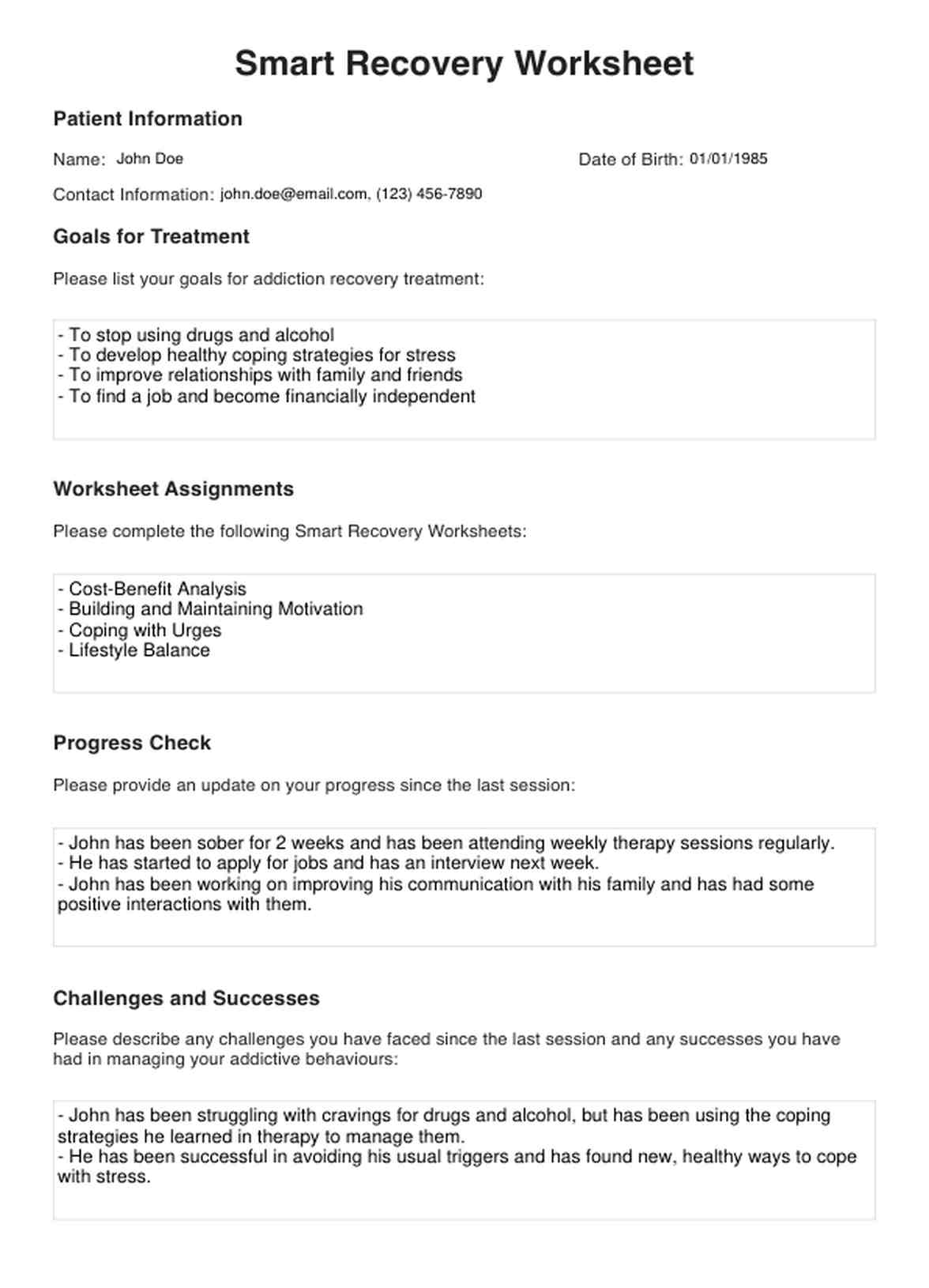
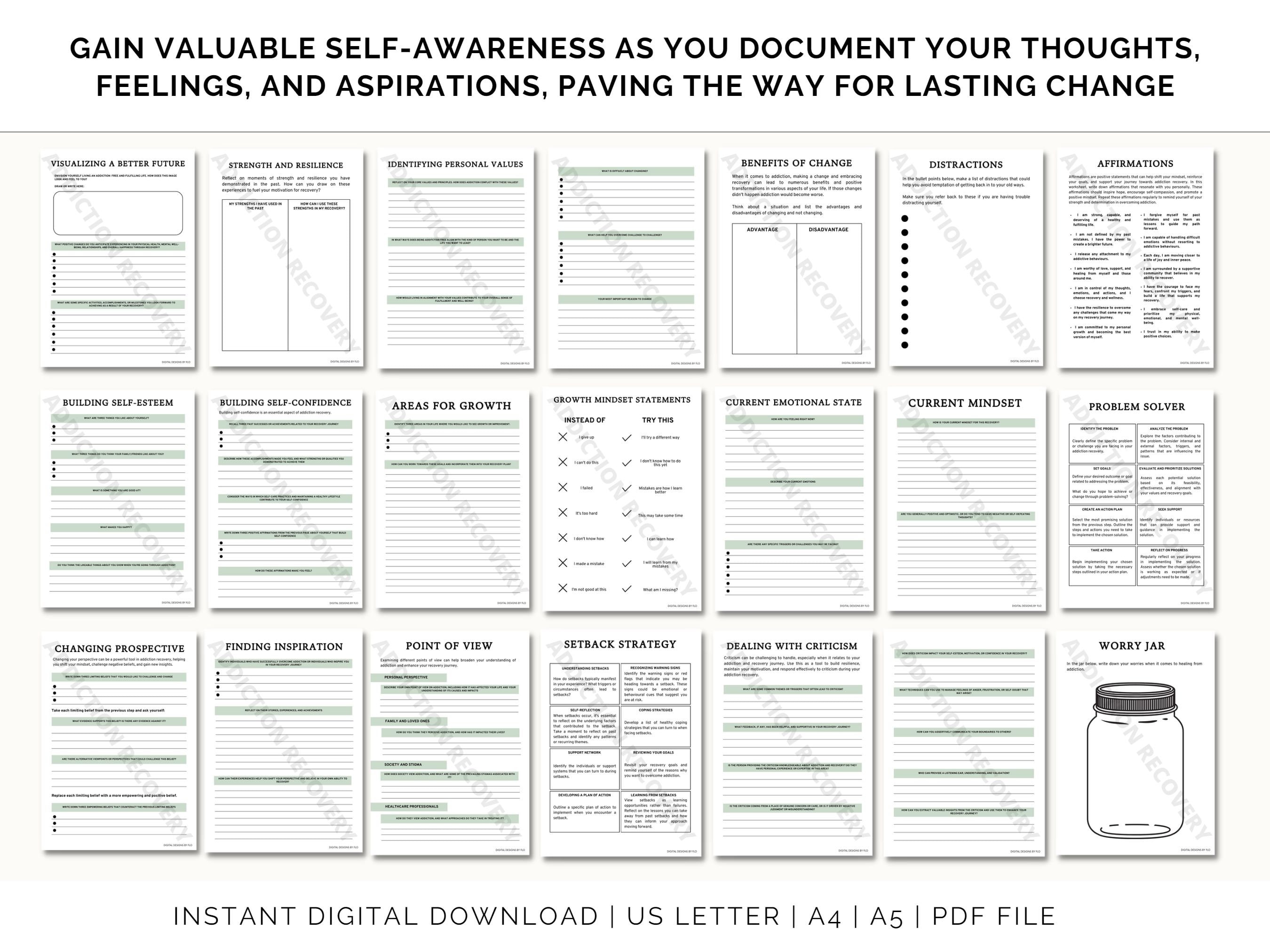
The good news is that the landscape of addiction recovery is evolving, and digital tools are playing a crucial role in supporting this journey. From mobile apps and online therapy platforms to virtual support groups and personalized tracking systems, the range of digital addiction recovery tools is vast and continually growing.
- Mobile Apps: Developments in mobile app technology have led to the creation of various apps designed to aid individuals in their recovery from addiction. These apps often offer personalized tracking features, access to support networks, and educational resources to help users stay on track and manage cravings.
- Online Therapy Platforms: Online therapy platforms provide individuals with access to licensed therapists and support groups from the comfort of their own homes. These platforms can be especially beneficial for those with mobility issues, located in rural areas, or with busy schedules.
- Virtual Support Groups: Virtual support groups offer individuals the opportunity to connect with others who are going through similar experiences, share experiences, and receive support in real-time. These groups often provide a sense of community and belonging, which is essential for recovery.
- Personalized Tracking Systems: Digital tracking systems enable individuals to monitor their progress, identify patterns, and track their triggers. These systems help individuals stay accountable and motivated, ultimately leading to improved recovery outcomes.
The Benefits of Digital Addiction Recovery Tools
Digital addiction recovery tools offer numerous benefits, including:

- Increased Accessibility: Digital tools make addiction recovery more accessible, especially for individuals who live in remote areas or have mobility issues.
- Personalized Support: Digital tools provide individuals with tailored support, allowing them to access resources and guidance that cater to their unique needs.
- Real-time Tracking: Digital tools enable individuals to monitor their progress in real-time, identify patterns, and track their triggers.
- Cost-Effectiveness: Digital tools are often more cost-effective than traditional methods, reducing barriers to treatment.
- Comprehensive Care: Digital tools can integrate with healthcare systems, providing comprehensive care and holistic support for individuals in recovery.
Overcoming Barriers to Recovery with Digital Tools
Digital tools can effectively address various barriers to addiction treatment, including:
- Logistical Challenges: Digital tools can overcome geographical barriers, transportation issues, and limited access to treatment centers.
- Personal Preferences: Individuals can access digital tools that cater to their preferences, such as online therapy sessions or mobile apps.
- Cost and Accessibility: Digital tools can reduce costs associated with traditional treatment methods, making addiction recovery more accessible to those in need.
Conclusion
The integration of digital addiction recovery tools is revolutionizing the way individuals access addiction treatment and maintain sobriety. Digital tools provide personalized support, real-time tracking, and cost-effective solutions, ultimately leading to improved recovery outcomes. As the landscape of addiction recovery continues to evolve, it is essential to leverage digital technologies to break down barriers to treatment and provide accessible, effective, and comprehensive care for those in need.