The Augmented Reality Impact: A Comprehensive Analysis
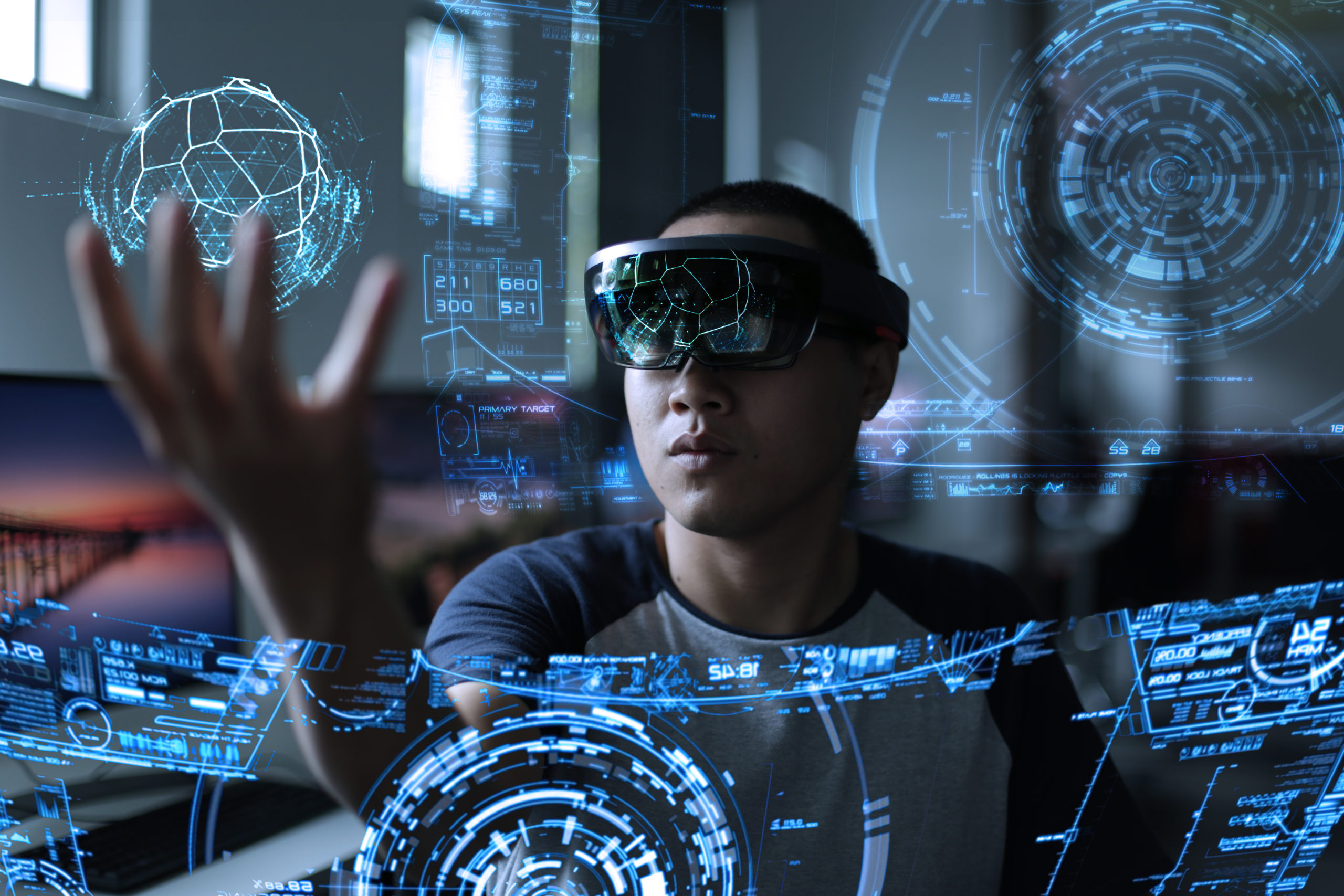
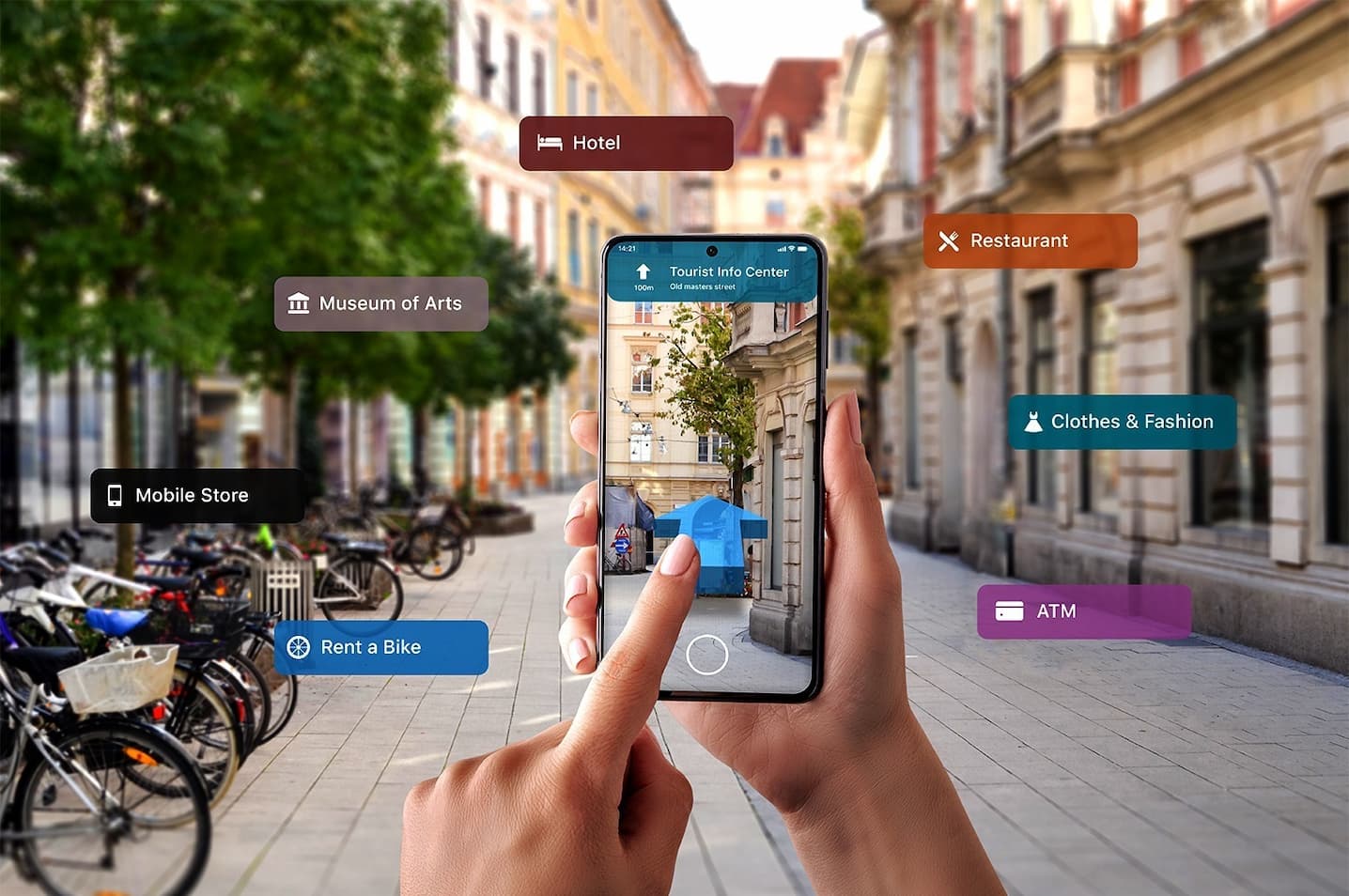
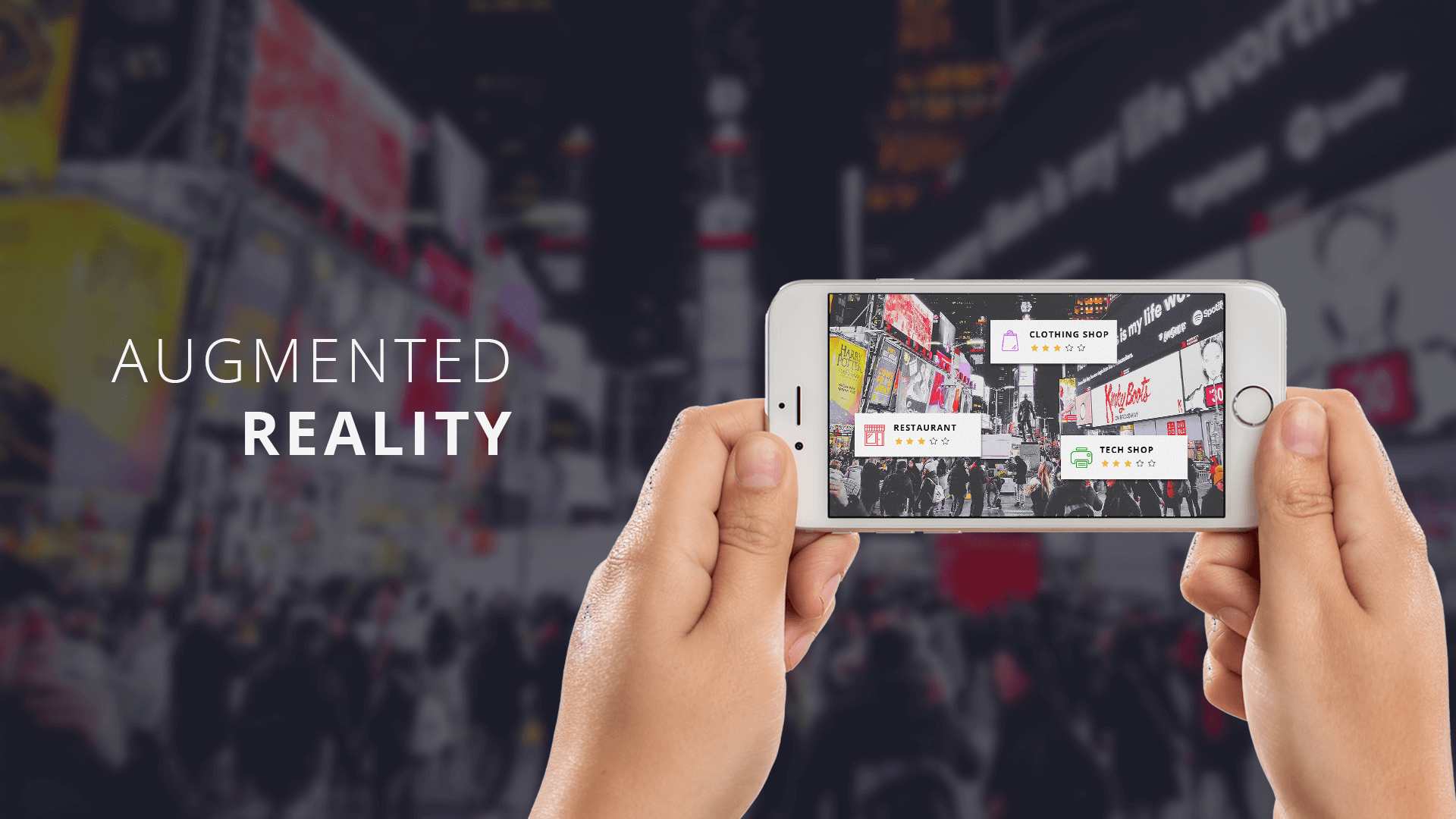
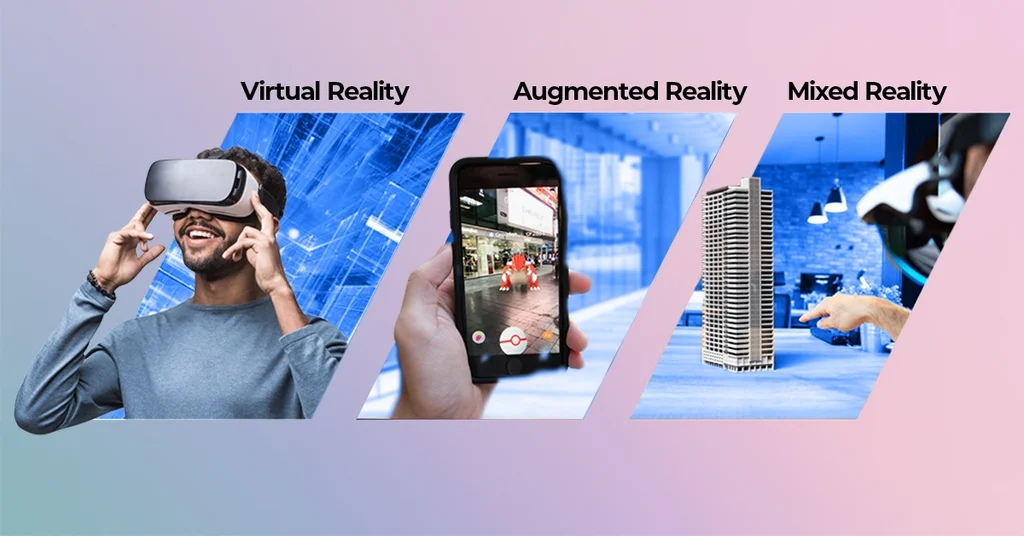
Augmented reality (AR) is transforming the way we interact with the world around us, with real-life examples that showcase its diverse applications and growing impact. From shopping and navigation to learning and entertainment, AR's overlay of digital enhancements on our physical world is shifting experiences across various sectors.
The Impact of Augmented Reality on Various Industries
- Education: AR is transforming the way we learn, with immersive experiences that foster empathy and understanding. This technology is particularly effective in engaging students and the public, making complex issues more accessible and impactful.
- Healthcare: AR is improving patient outcomes by providing personalized treatment plans and enhancing clinical training for medical professionals.
- Real Estate: AR is changing the way we buy and sell properties, with interactive and immersive experiences that help consumers visualize and navigate potential homes.
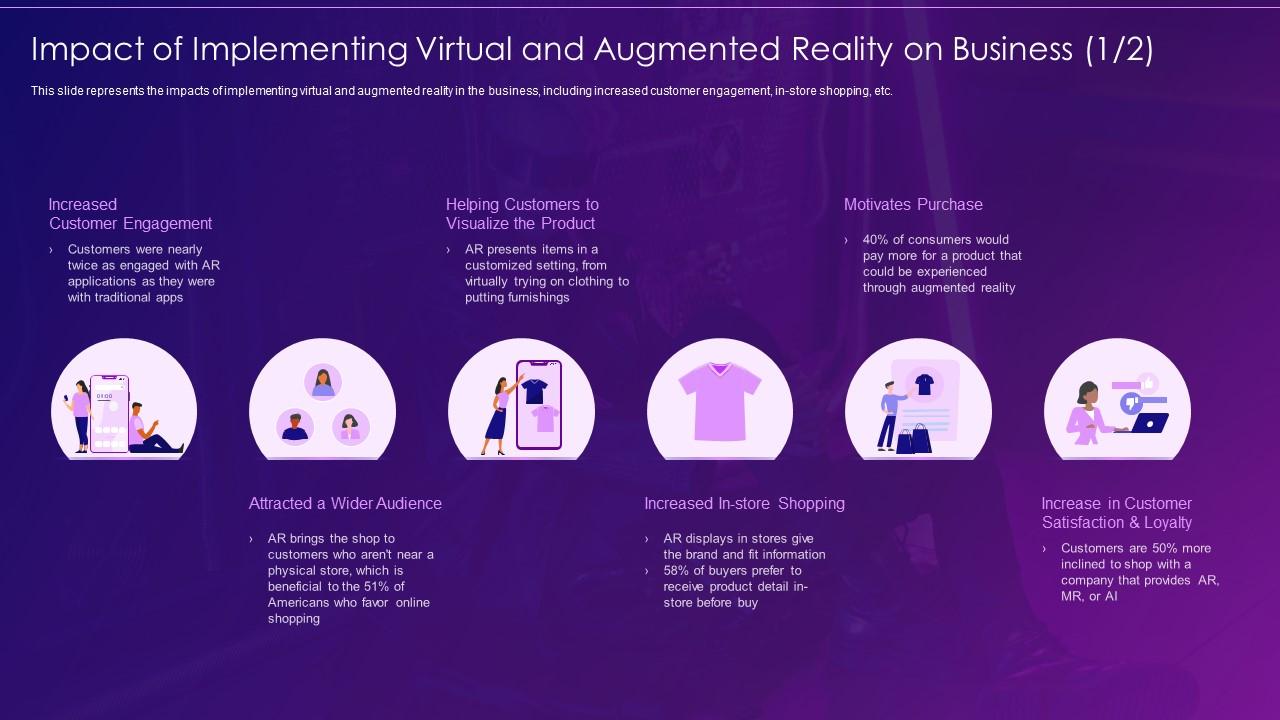
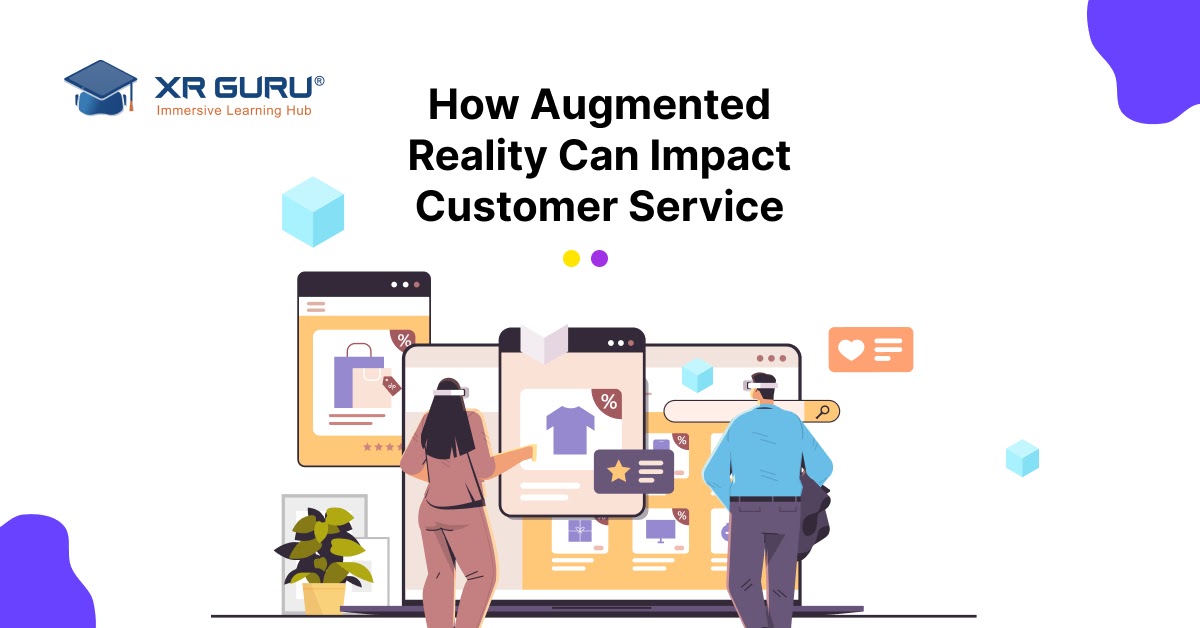
- Retail: AR is enhancing the shopping experience, with digital storytelling and omnichannel strategies that engage consumers and drive sales.
The Benefits of Augmented Reality
AR has numerous benefits, including:
- Improved learning experiences: AR enhances understanding and retention of complex information, making it an effective tool for education.
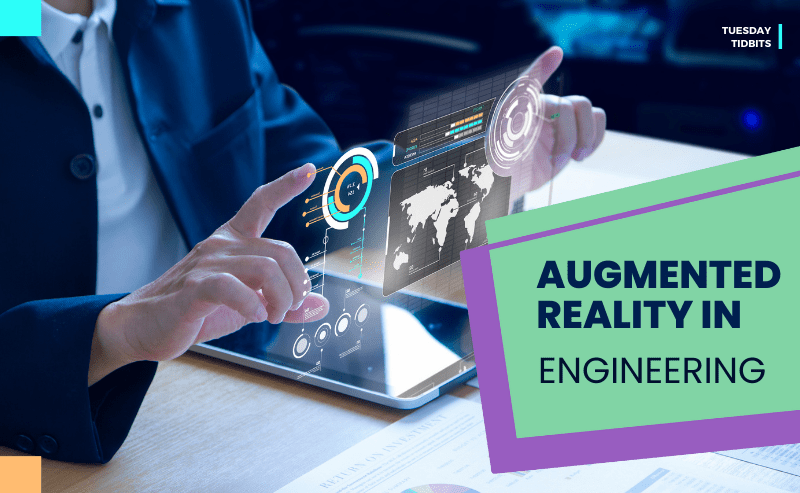
- Enhanced productivity: AR streamlines processes and improves accuracy, making it a valuable tool for industries such as manufacturing and construction.
- Increased engagement: AR provides immersive and interactive experiences, making it an effective tool for entertainment and marketing.
- Cost savings: AR reduces the need for physical prototypes and minimizes waste, making it a cost-effective solution for various industries.
The Challenges and Limitations of Augmented Reality

While AR has numerous benefits, it also presents several challenges and limitations, including:
- Technical limitations: AR requires high-quality hardware and software, which can be expensive and difficult to access.
- User adoption: AR requires users to adopt new technologies and behaviors, which can be a barrier to widespread adoption.
- Data security: AR requires the collection and storage of sensitive user data, which can raise concerns about data security and privacy.
- Ethical considerations: AR raises ethical considerations, such as the potential for misinformation and the impact on social norms and culture.
The Future of Augmented Reality
The future of AR is exciting and rapidly evolving, with new technologies and applications emerging regularly. Some of the key trends and developments in the AR industry include:
- Advancements in hardware: Improvements in hardware capabilities, such as higher-quality displays and more advanced sensors, are enabling more sophisticated AR experiences.
- Increased adoption: AR is becoming more mainstream, with wider adoption across various industries and applications.
- New use cases: AR is being applied in new and innovative ways, such as in healthcare, education, and entertainment.
- Regulatory developments: Governments and regulatory bodies are beginning to address the ethical and data security implications of AR.
Conclusion
The augmented reality impact is profound and far-reaching, with numerous benefits and applications across various industries. While there are challenges and limitations to AR, the future of this technology is exciting and rapidly evolving. As AR continues to advance and become more mainstream, it is essential to consider the potential implications and address the challenges and limitations to ensure that AR is developed and implemented in a responsible and sustainable manner.