Understanding Tech Neck Discomfort in Children
As parents, you've likely witnessed your child hunched over a tablet or phone, head tilted downward for hours. This position – commonly called "tech neck" – places significant stress on developing spines and can lead to discomfort, headaches, and potential long-term posture problems. While technology is an inevitable part of modern childhood, you don't have to accept these physical consequences.
What is Tech Neck?
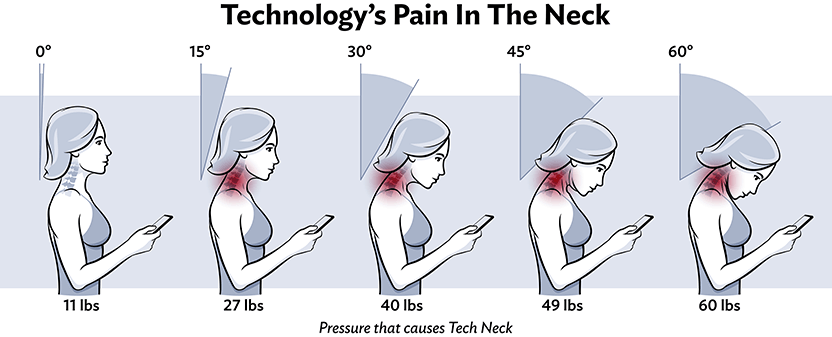
Tech neck refers to the strain and discomfort in the neck and shoulders caused by prolonged forward head posture, typically from looking down at screens for extended periods. When your child tilts their head to look down at a screen, the weight their neck supports increases dramatically. This added strain can lead to pain, stiffness, and potentially long-term spinal issues.
Signs of Tech Neck in Children
- Head-forward posture or a noticeable slump in the shoulders
- Complaints of neck pain, headaches, or upper back discomfort
- Difficulty Looking Upward or Maintaining Proper Posture
- Visible rounding of the upper back or shoulders
Causes of Tech Neck in Children
There are several contributing factors to tech neck in children, including:
- Excessive screen time: Children spend an average of 4-6 hours per day using electronic devices for entertainment, schoolwork, or social media.
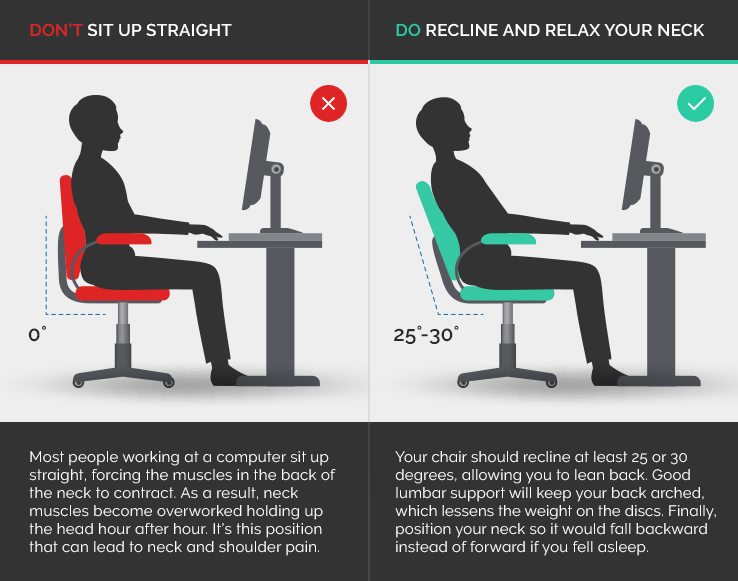
- Poor posture: Sitting for extended periods with a forward head posture can put additional strain on the neck and shoulders.
- Software or app-related distractions: Frequent notifications or engaging in social media or online gaming can lead to prolonged periods of poor posture.
- Sleeping or reading in an incorrect position
Reducing Tech Neck Discomfort in Children
Fortunately, there are several strategies to prevent and alleviate tech neck discomfort in children:
- Set screen-free zones and times
- Follow the 20-20-20 rule: Every 20 minutes, have your child look 20 feet away from their screen for 20 seconds
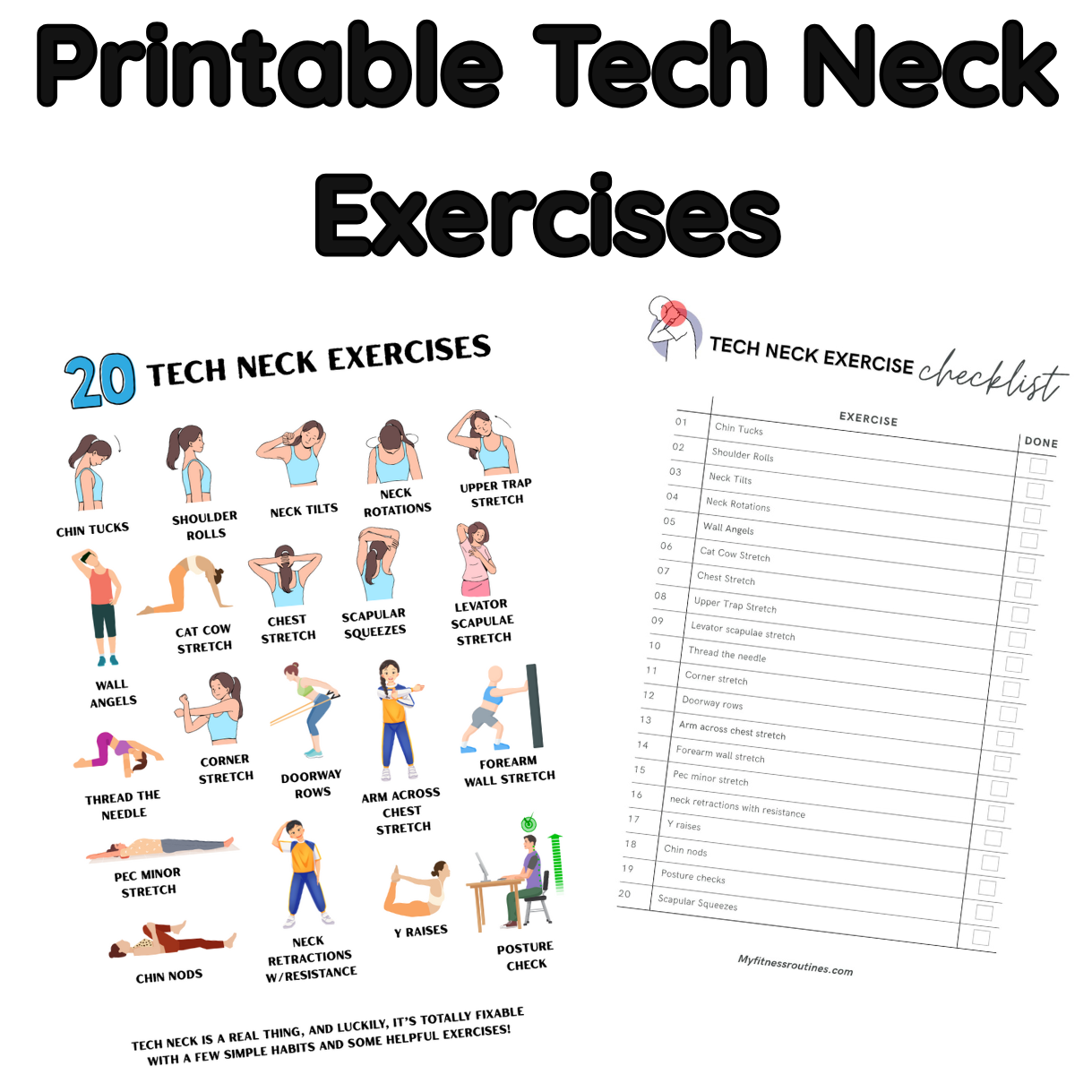
- Essential Strengthening Exercises for Neck and Upper Back
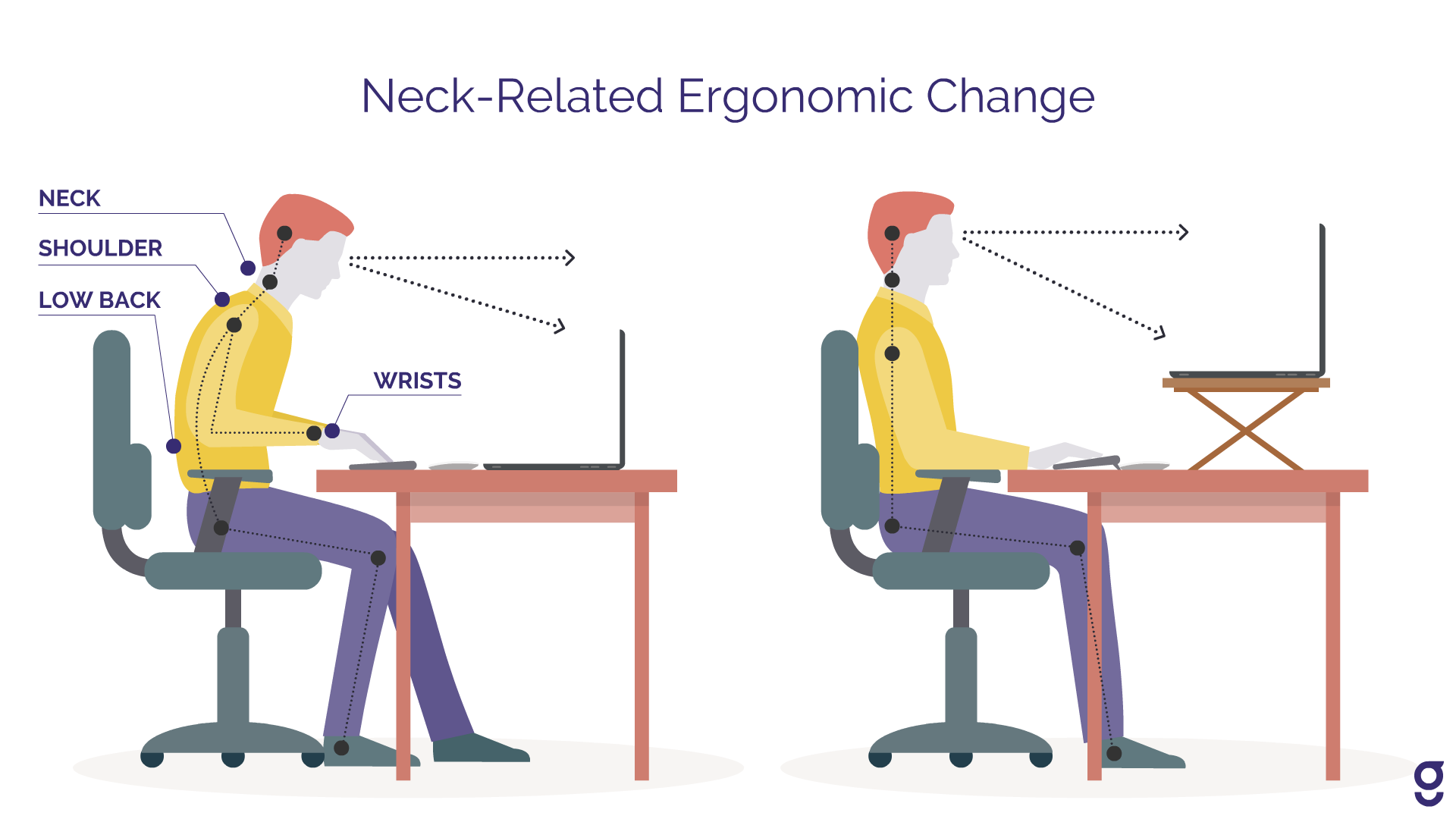
- Adopt an ergonomic workspace with a comfortable chair or stand and appropriate back support
- Alternative leisure activities that promote better neck and shoulder health, such as sports and music practice
Conclusion
As parents, we can take steps to reduce tech neck discomfort in our children by setting limits on their screen time, promoting good posture, and encouraging them to engage in activities that promote relaxation and strength-building.
By understanding the causes of tech neck and taking proactive measures, we can help our children grow into healthy, responsible users of technology.