Avoid Phishing Email Scams Online: A Comprehensive Guide
Phishing scams are a growing concern in the digital age, with thousands of attacks launched every day. Scammers use email or text messages to try to steal your passwords, account numbers, or Social Security numbers, which could give them access to your email, bank, or other accounts. In this article, we'll explore how to recognize phishing scams, provide tips on how to avoid them, and discuss the importance of online security.
What is Phishing?
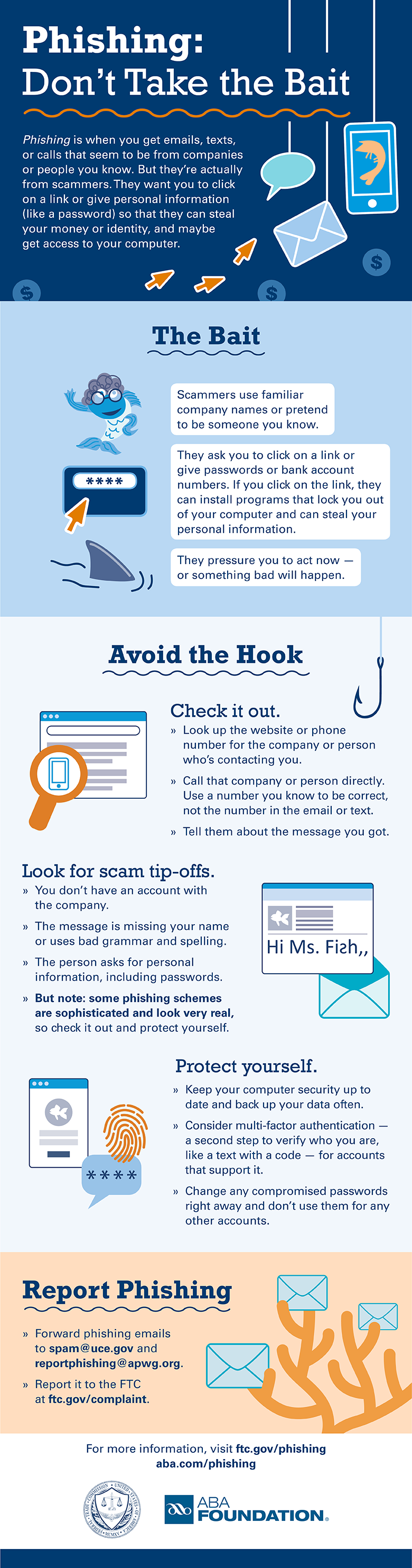
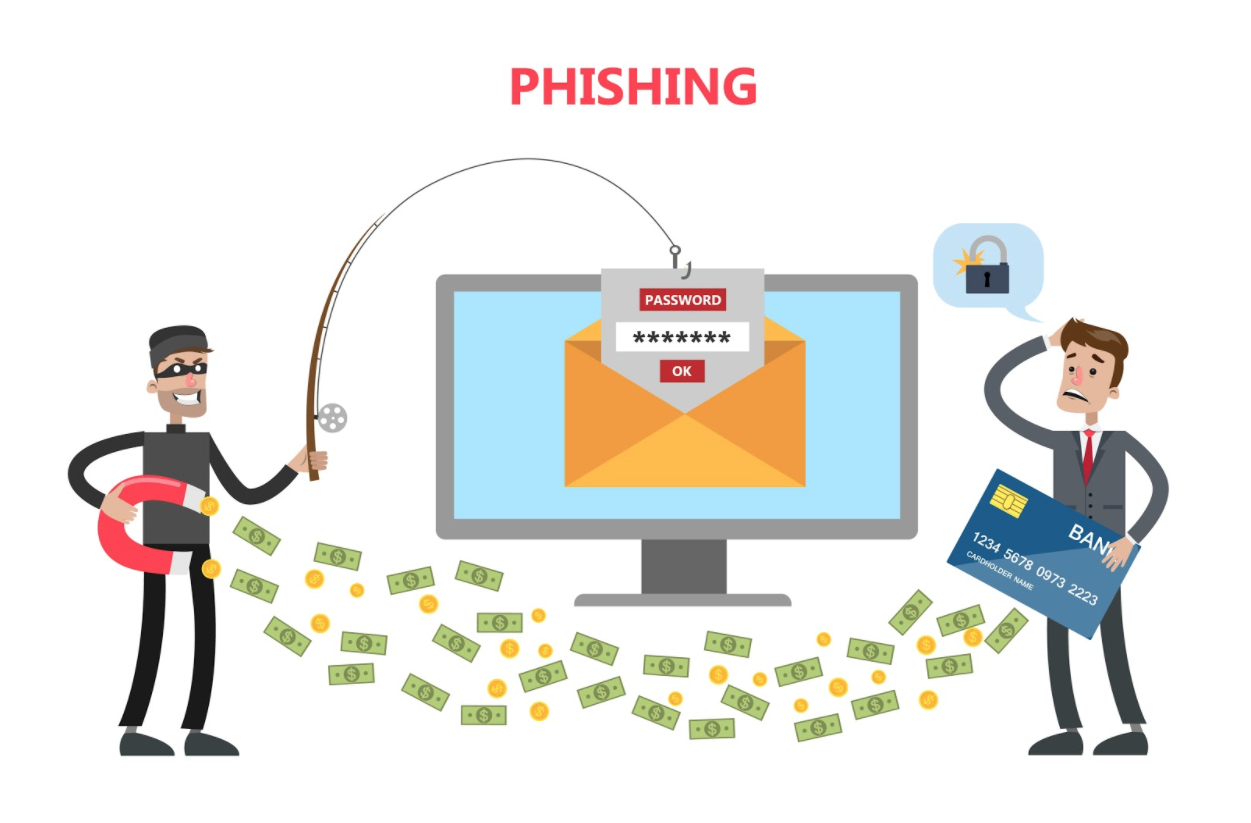
Phishing is a type of cyberattack that attempts to steal your money or personal information by getting you to reveal sensitive information on websites that pretend to be legitimate. Cybercriminals typically pretend to be reputable companies, friends, or acquaintances in a fake message, which can be an email, text message, or even a phone call.
How to Recognize Phishing Scams
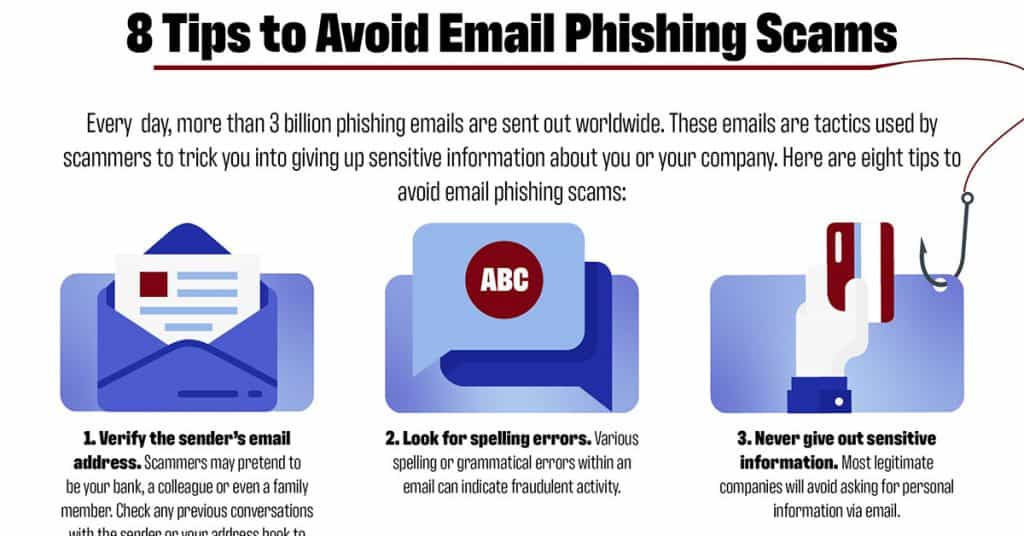
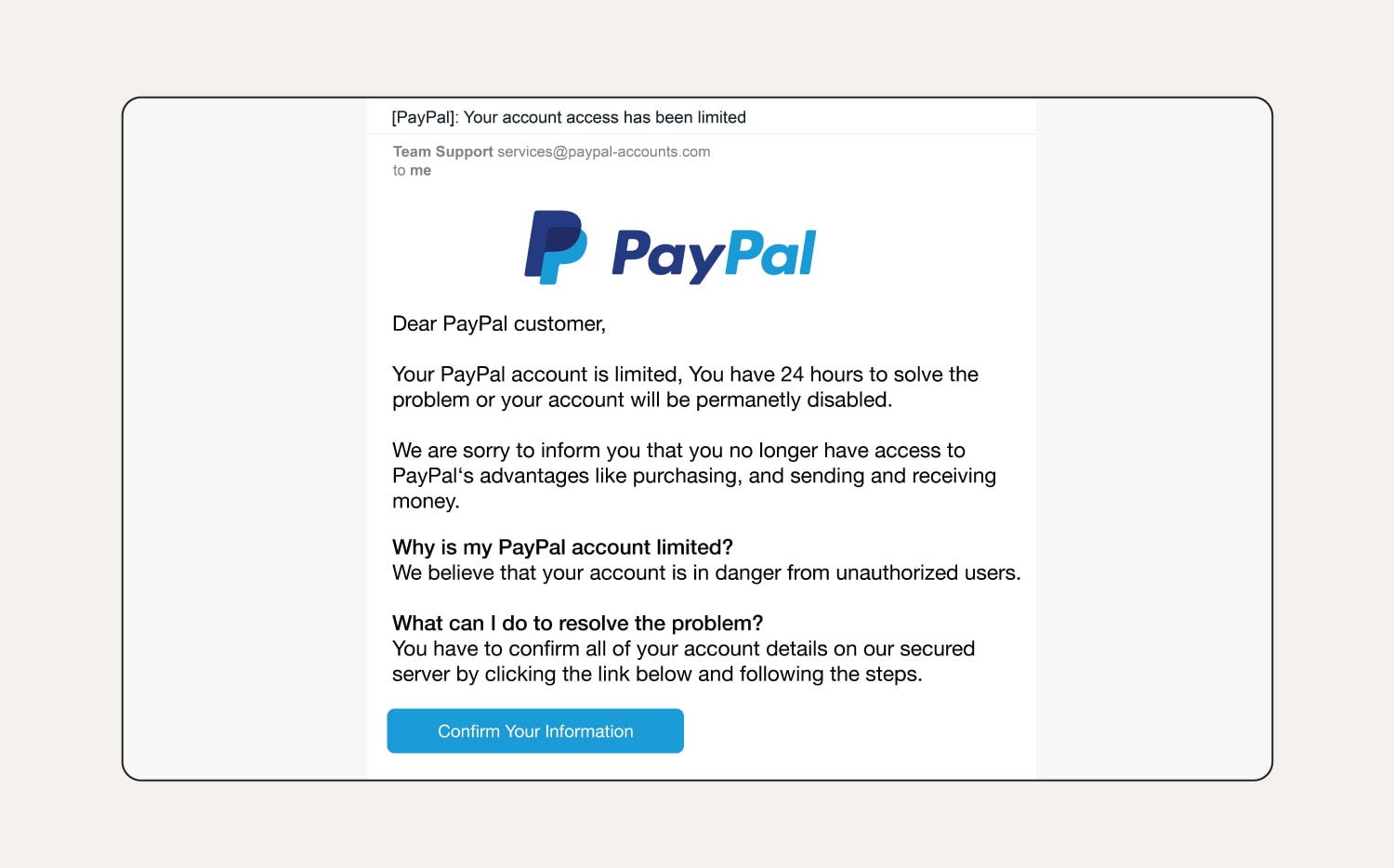
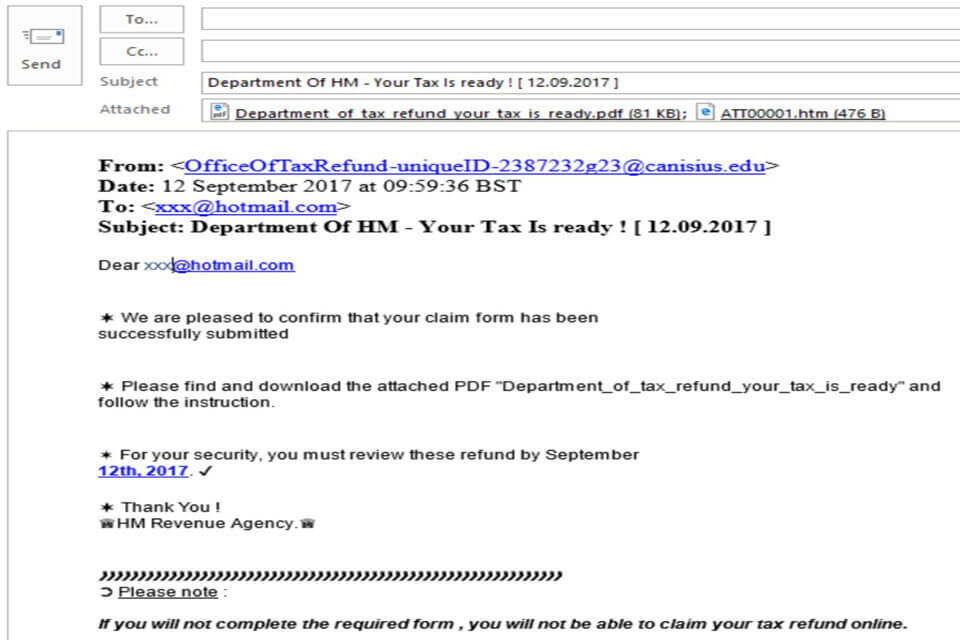
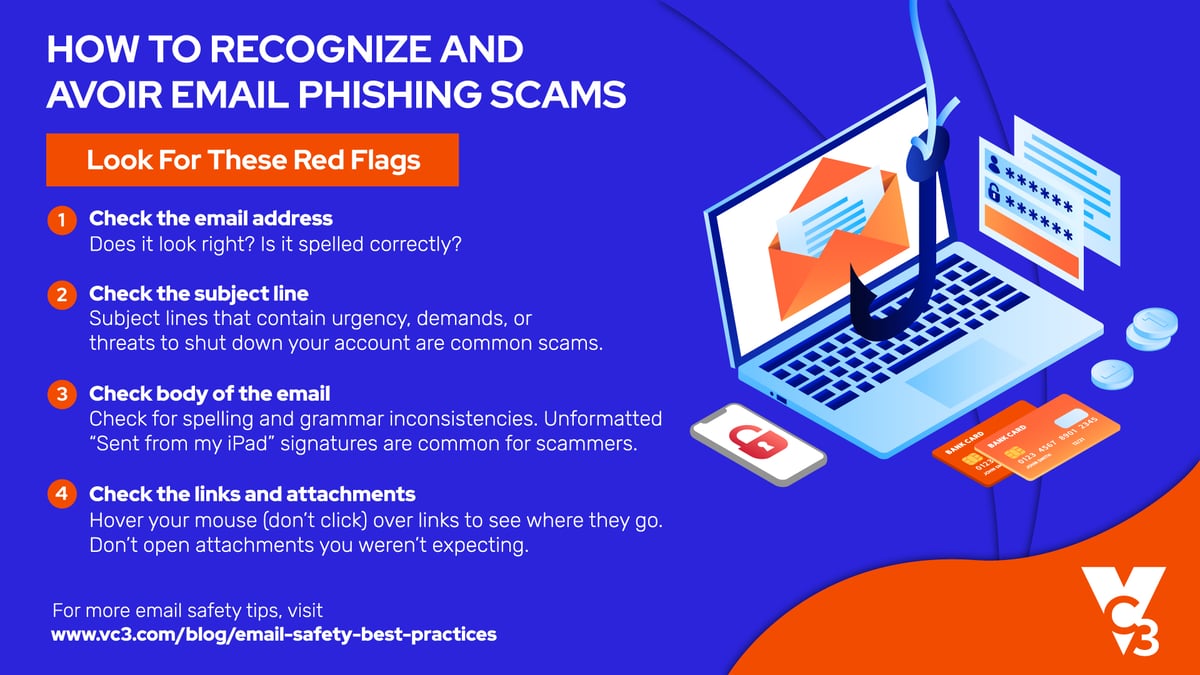
To avoid phishing scams, it's essential to be aware of the signs. Here are some common warning signs to look out for:
- Urgent messages that create a sense of panic or fear
- Generic greetings, such as "Dear Customer" or "Hello User"
- Spelling and grammar mistakes
- Links or attachments from unknown senders
- Requests for sensitive information, such as passwords or credit card numbers
Common Phishing Scams
Phishing scams can take many forms, including:
- Package tracking scams
- Undelivered package scams
- Fraud alert scams
- Online shopping scams
- Student loan scams
Tips to Avoid Phishing Scams
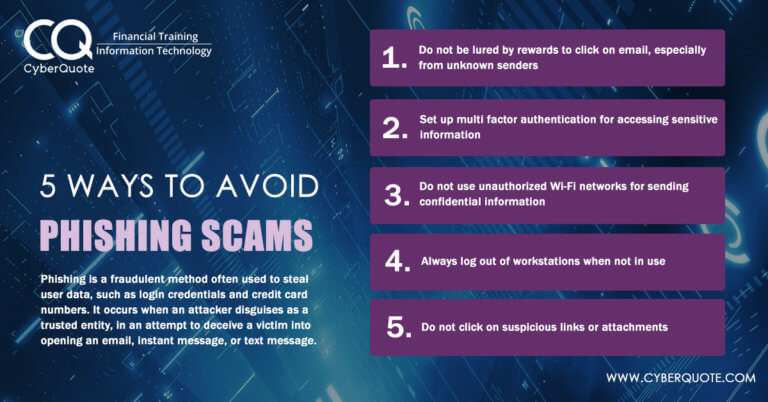
To avoid phishing scams, follow these tips:
- Be cautious of emails or messages that create a sense of urgency
- Verify the sender's email address and phone number
- Hover over links to check the URL before clicking
- Use strong passwords and enable two-factor authentication
- Keep your software and operating system up to date
- Use a reputable antivirus program and a firewall
- Report suspicious emails or messages to the relevant authorities
Protecting Yourself from Phishing Scams
To protect yourself from phishing scams, it's essential to stay vigilant and take proactive steps to secure your personal information. Here are some tips:
- Use a password manager to generate and store unique passwords
- Enable two-factor authentication on all accounts
- Use a VPN to encrypt your internet traffic
- Regularly back up your important files and data
- Stay informed about the latest phishing scams and trends
Conclusion
Avoiding phishing email scams online requires a combination of awareness, caution, and proactive steps. By recognizing the signs of phishing scams, staying informed, and taking steps to secure your personal information, you can protect yourself from these types of cyberattacks. Remember, it's always better to be safe than sorry, and taking the time to verify the authenticity of emails or messages can save you from falling victim to phishing scams.