Protecting Your Bank Account from Unauthorized Access: A Comprehensive Guide
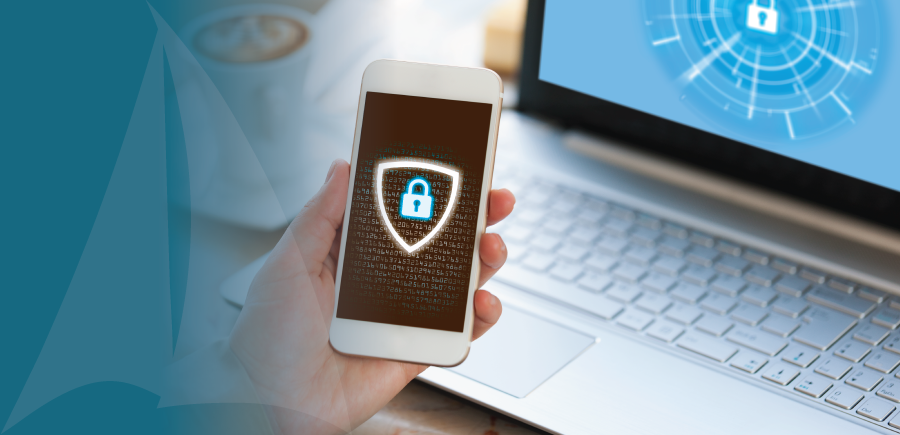
Protecting your bank account from unauthorized access is one of the most critical steps you can take to safeguard your financial identity. Cybercriminals are constantly looking for ways to access personal information and financial accounts, making it essential for you to stay proactive and vigilant.
Understanding the Risks
Bank account fraud involves unauthorized attempts to access your bank accounts and use them for financial gain or other criminal purposes. This type of fraud comes in various forms, all designed to steal your login credentials, personal information, or money. To protect your bank account, you must practice safe online habits, such as using a password manager, enabling two-factor authentication, and regularly changing your password.
Practical Tips to Prevent Unauthorized Access
- Use unique passwords for all your online accounts to isolate unauthorized access if one account is compromised.
- Periodically change your passwords to prevent security breaches to your important accounts.
- Monitor your account statements and transactions regularly to detect unauthorized activities early.
- Use secure connections when banking online, avoiding public Wi-Fi networks that are vulnerable to hacking.
- Set up real-time transaction alerts via SMS or email to receive notifications about suspicious activity.
- Use robust passwords with a mix of uppercase and lowercase letters, numbers, and special characters.
- Never share your passwords or account details with anyone, even if they claim to be from your bank.
- Keep your device's operating system and browser up to date to prevent exploitation of vulnerabilities.
- Use two-factor authentication to add an extra layer of security when accessing your account online.
Recognizing Phishing Scams
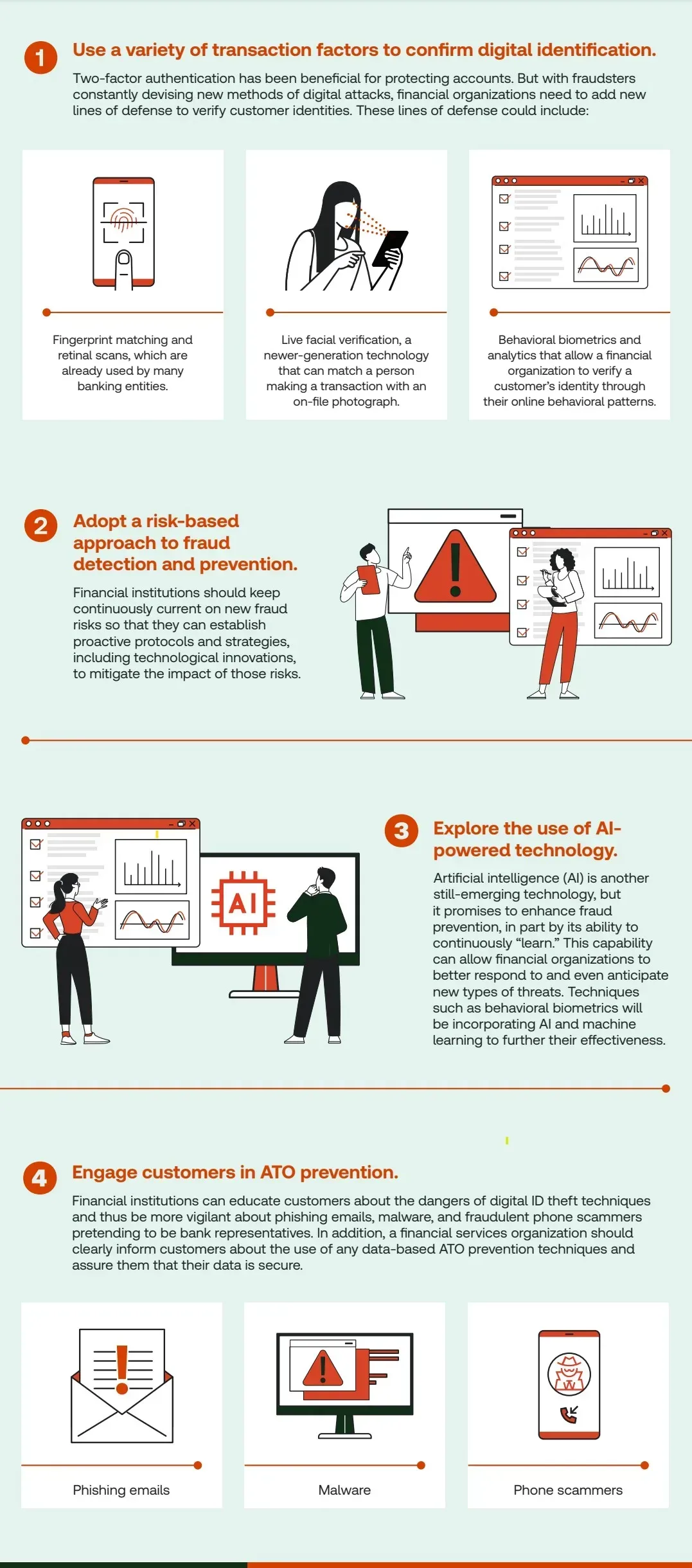
Phishing scams involve scammers attempting to steal your passwords, account numbers, or social security numbers through email or text messages. These scams can lead to unauthorized access to your bank account, email, or other accounts. If you suspect unauthorized access to your account or receive a suspicious email, take action immediately to protect your information.

Securing Your Bank Account
Securing your bank account involves more than just passwords and security questions. It's essential to stay informed about potential threats and take preventive measures to protect your financial information. Here are some additional tips to secure your bank account:
- Set up account PIN or password protection to add an extra layer of security when accessing your account.
- Monitor your account activity regularly to detect suspicious transactions or unauthorized access.
- Use a reputable antivirus software to protect your device from malware and phishing attacks.
- Be cautious when clicking on links or downloading attachments from unknown sources.
- Keep your device's operating system and browser up to date to prevent exploitation of vulnerabilities.
Reporting Suspicious Activity
If you suspect unauthorized access to your bank account or receive a suspicious email, report it immediately to your bank's customer service department. They will guide you through the process of securing your account and preventing further unauthorized access.
Conclusion
Protecting your bank account from unauthorized access is a shared responsibility between you and your bank. By staying informed, practicing safe online habits, and taking preventive measures, you can significantly reduce the risk of your account being compromised. Remember, staying vigilant is key to protecting your financial identity and preventing cybercriminals from exploiting your bank account.