Transitioning Wood to Metal: A Comprehensive Guide
As a woodworker, transitioning from wood to metal can be a daunting task, but with the right tools, techniques, and knowledge, you can create stunning projects that blend the best of both materials. In this article, we'll delve into the world of wood-to-metal transitions, exploring the benefits, challenges, and creative solutions to help you master this craft.
The Benefits of Transitioning from Wood to Metal
Transitioning from wood to metal offers numerous benefits, including increased durability, versatility, and visual appeal. Metal components can withstand heavy wear and tear, making them ideal for high-traffic areas or applications where resistance to scratches and dents is crucial. Additionally, metal can be molded and shaped into intricate designs, allowing for a level of complexity and creativity that's often difficult to achieve with wood.
Choosing the Right Tools and Techniques
To transition from wood to metal successfully, you'll need a solid understanding of metalworking techniques and the right tools for the job. This includes knowledge of cutting, shaping, and joining metal, as well as a selection of power tools and hand tools specifically designed for metalworking. Some essential tools to consider include a metal lathe, band saw, drill press, and hand saw.
Hybrid Materials and Techniques
One of the most exciting aspects of transitioning from wood to metal is the opportunity to experiment with hybrid materials and techniques. By combining wood and metal, you can create unique textures, patterns, and designs that push the boundaries of traditional woodworking. Consider incorporating metal into your wood projects through techniques like inlays, overlays, or even using metal as a substrate for wood veneers.
Safety Considerations
When working with metal, safety should always be your top priority. Make sure to wear protective gear, including safety glasses, a dust mask, and gloves, when cutting, shaping, or joining metal. Additionally, use proper ventilation and follow all manufacturer guidelines when working with power tools and metalworking equipment.
Designing for Seamless Transitions
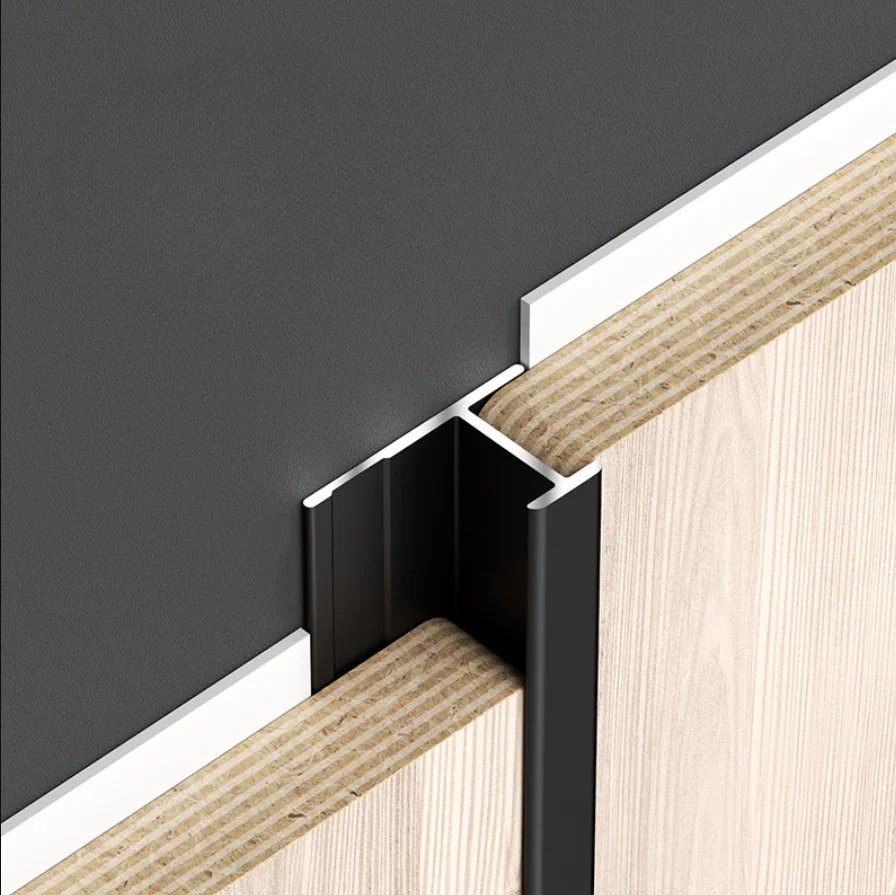
Creating seamless transitions between wood and metal requires careful planning and precision. Consider the following tips to achieve a smooth, professional finish:
- Plan your design carefully, taking into account the material properties and working characteristics of both wood and metal.
- Choose the right joining techniques and materials to ensure a strong, durable bond between wood and metal.
- Pay attention to surface preparation, ensuring that both wood and metal surfaces are smooth, flat, and free of debris.
- Use a combination of sanding and finishing techniques to achieve a consistent, high-quality finish.
Examples of Wood-to-Metal Transitions
Let's explore some inspiring examples of wood-to-metal transitions:
- A beautifully crafted wooden handrail with a metal base, providing a seamless transition between wood and metal.
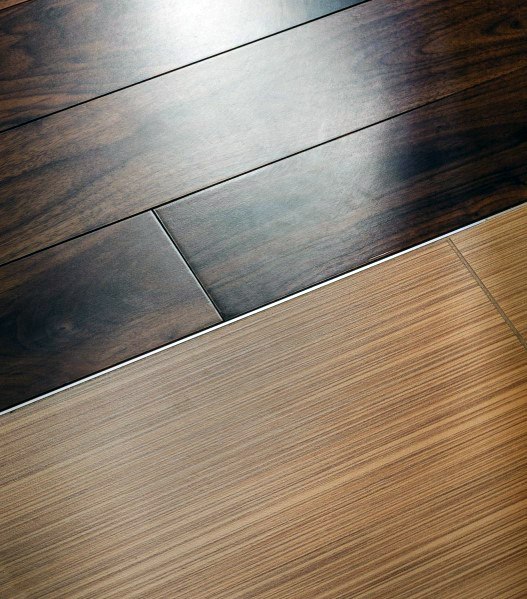
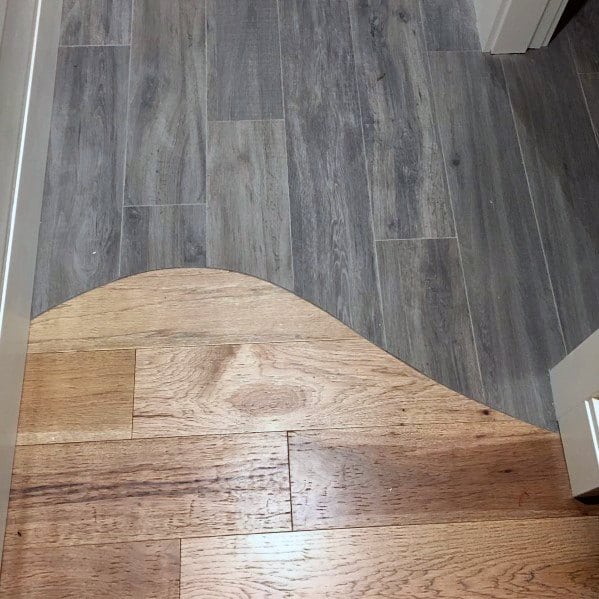
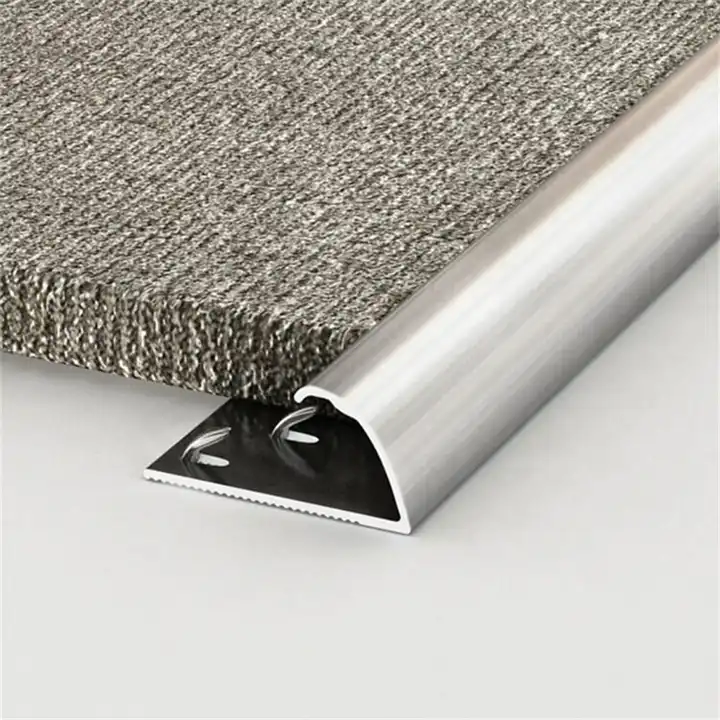
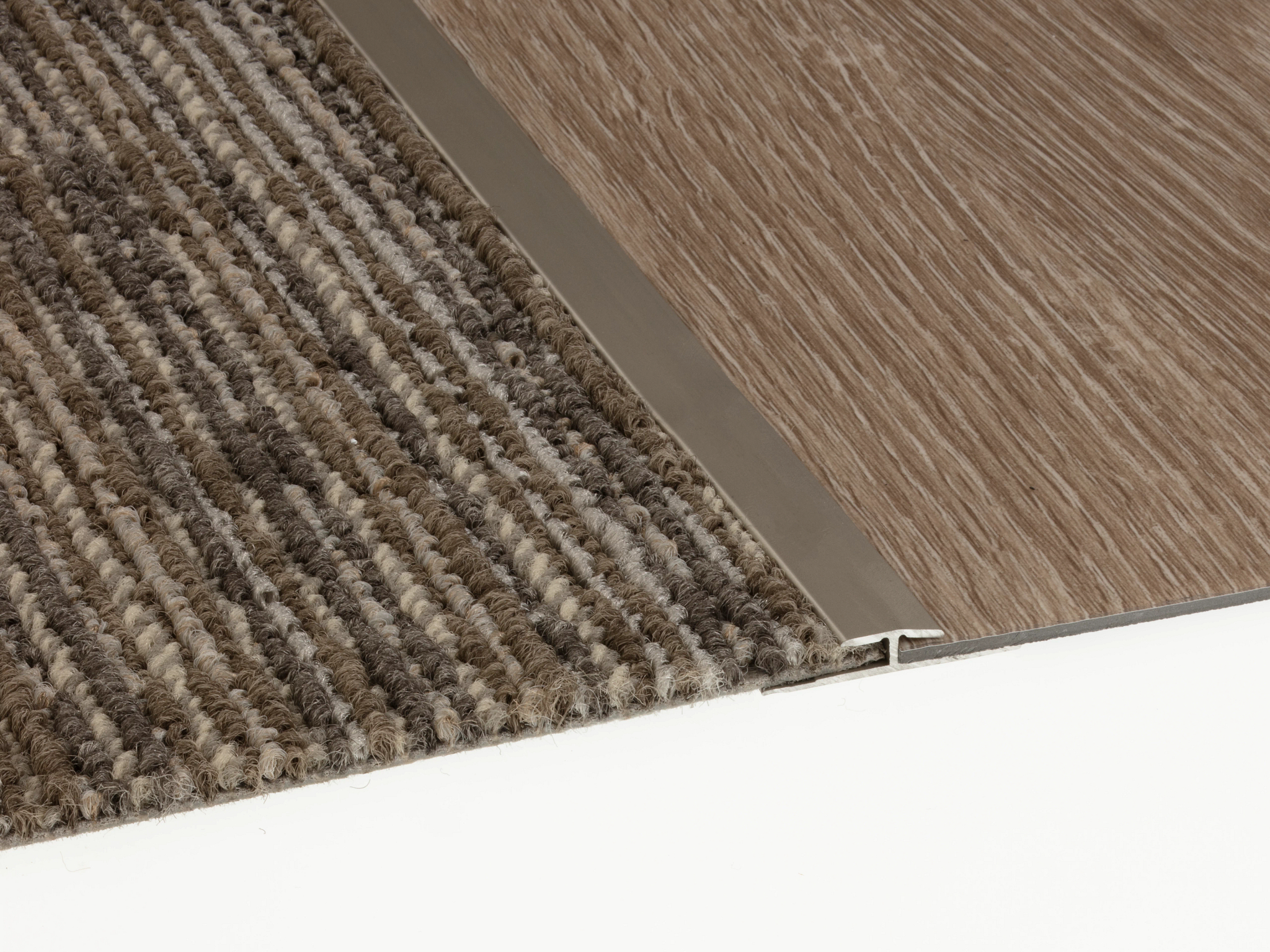
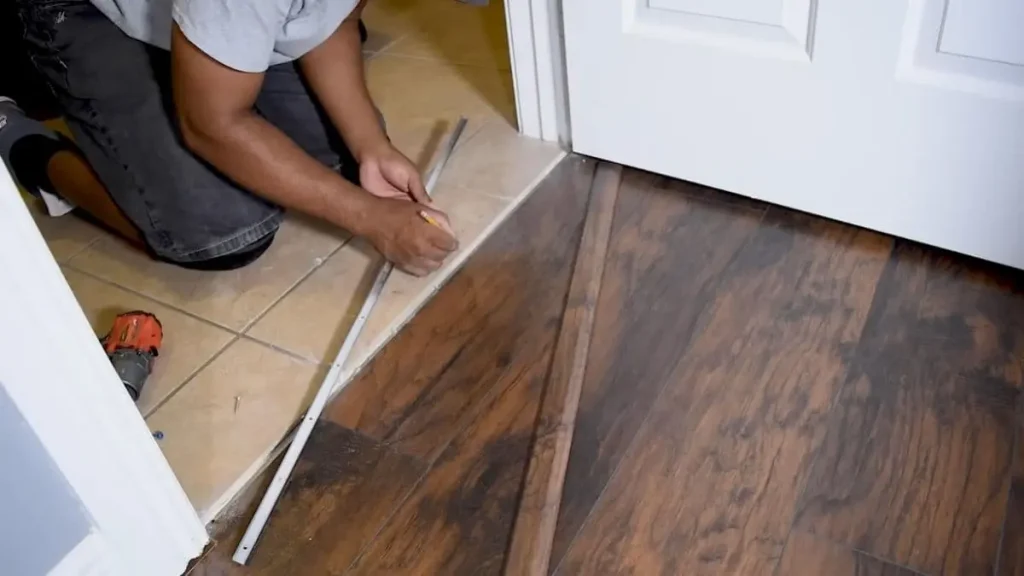
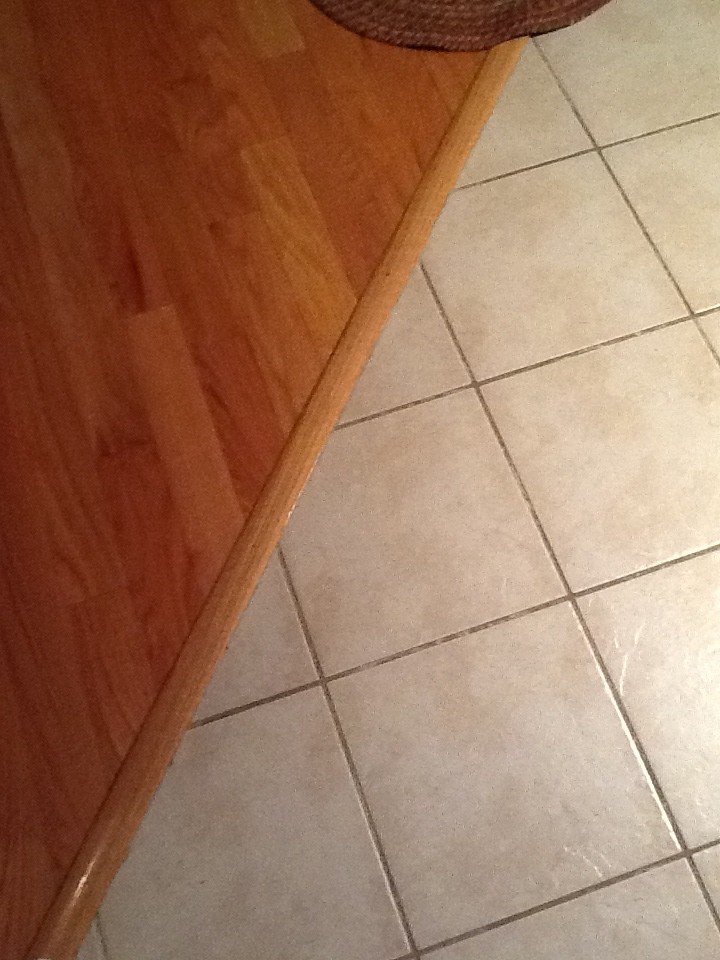
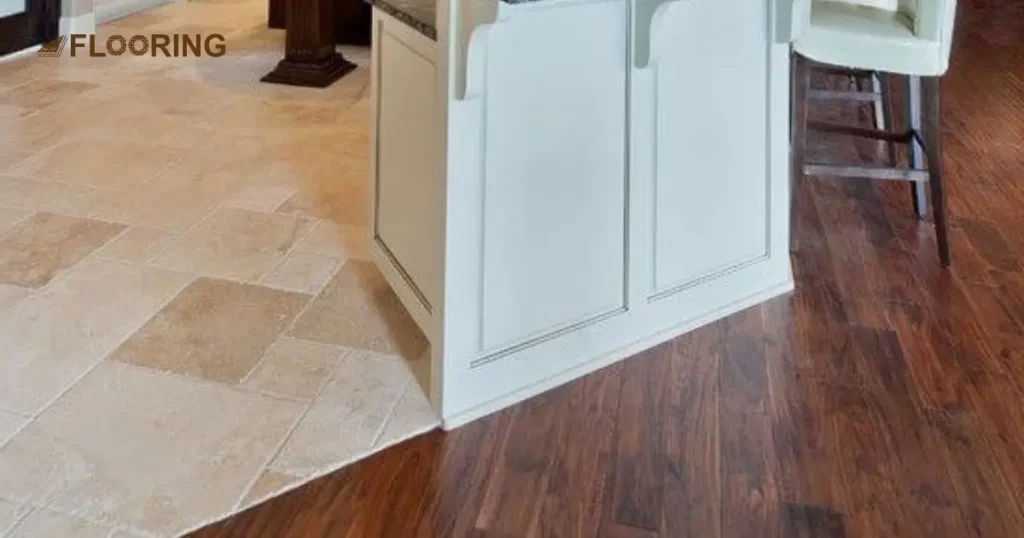
- A stunning wooden floor with metal transition strips, creating a smooth, attractive finish that protects tile edges.
- A unique wooden cabinet with metal hardware and inlays, showcasing the possibilities of hybrid materials and techniques.
Conclusion
Transitioning from wood to metal requires patience, practice, and a willingness to experiment and learn. By mastering the techniques and tools discussed in this article, you'll be well on your way to creating stunning projects that blend the best of both worlds. Remember to always prioritize safety, plan carefully, and pay attention to detail to achieve seamless transitions between wood and metal.
Resources
For further inspiration and guidance, be sure to check out the following resources:
- Online tutorials and videos showcasing metalworking techniques and tools.
- Woodworking and metalworking communities, forums, and social media groups.
- Manufacturer websites and product documentation for metalworking equipment and materials.
- Books and publications focused on woodworking, metalworking, and hybrid materials.
Next Steps
Ready to start transitioning from wood to metal? Begin by exploring the resources listed above, practicing metalworking techniques, and experimenting with hybrid materials and designs. As you gain experience and confidence, you'll be able to push the boundaries of what's possible with wood and metal, creating truly unique and breathtaking projects.