Secure WiFi Connection for Remote Workers: A Guide to Safer Remotework
With the COVID-19 pandemic, the concept of remote work has become a new norm. Many employees are now working from home, which brings its own set of cybersecurity risks. A Secure WiFi connection for remote workers is essential to protect against these risks and ensure a secure remote work experience. In this post, we will discuss the importance of a secure WiFi connection for remote workers and provide practical steps to ensure a safe and secure remote work environment.
Why is a Secure WiFi Connection Important for Remote Workers?
When working from home or a remote location, employees often connect to local Wi-Fi networks, which can be unsecured. This exposes them to various cyber threats, such as hacking, data breaches, and identity theft. Moreover, remote workers often use personal devices, such as laptops or smartphones, which may not have the same level of security as company-owned devices. A secure WiFi connection for remote workers is essential to prevent these cyber threats and ensure a secure remote work experience.
Benefits of a Secure WiFi Connection for Remote Workers
- Protects sensitive data from cyber threats
- Prevents financial loss resulting from data breaches or downtime
- Ensures reliable access to company resources and data
- Enhances employee productivity and efficiency
Steps to Ensure a Secure WiFi Connection for Remote Workers
1. Use a Virtual Private Network (VPN)
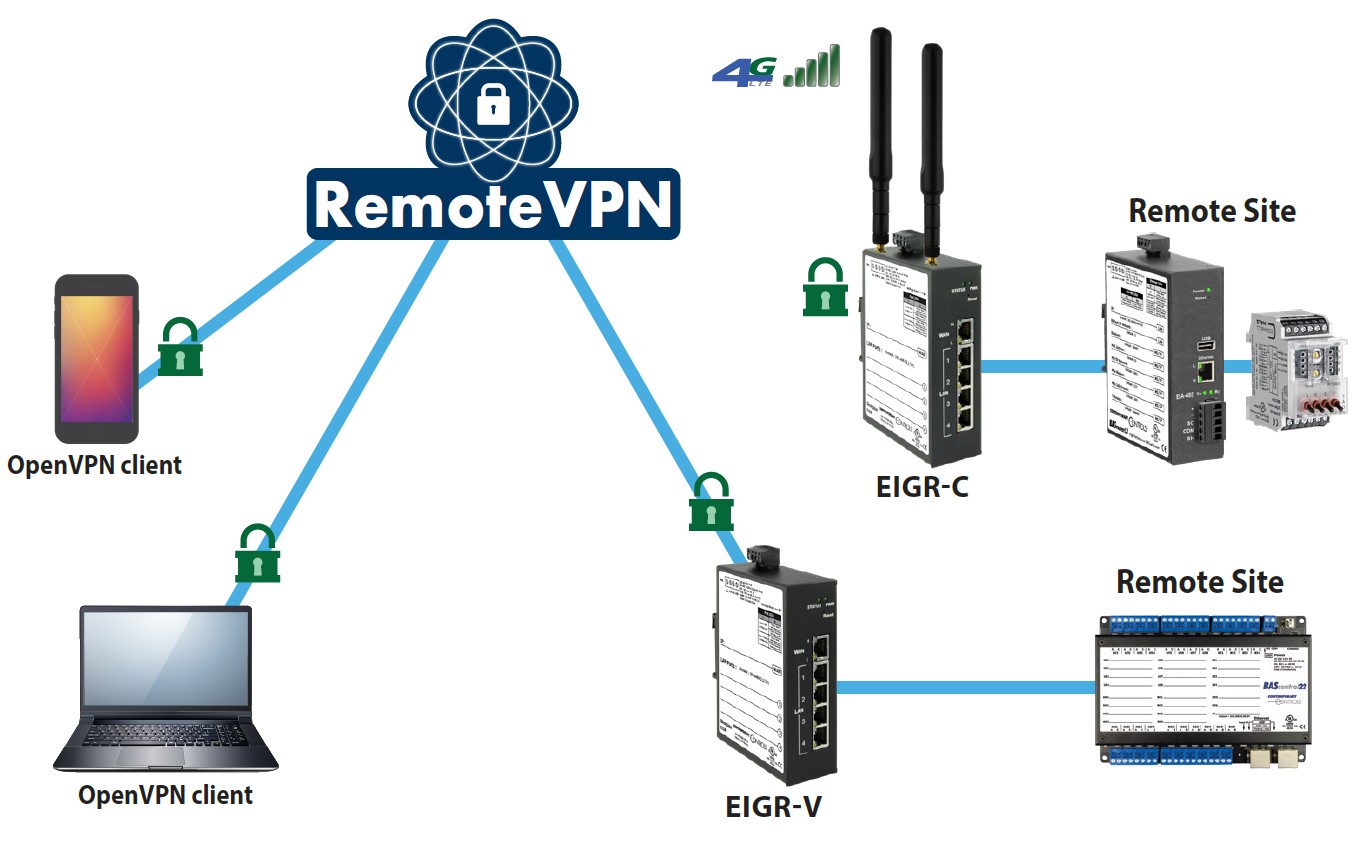
A VPN creates a secure, encrypted connection between your device and the internet. This ensures that your data remains private and secure, even when using public Wi-Fi networks. You can purchase a personal VPN account from a VPN service provider or hire a vendor to create an enterprise VPN for all employees to use.
2. Use Strong Passwords and MFA
Weak passwords and lack of multi-factor authentication (MFA) can compromise your security. Use strong, unique passwords for all accounts, and enable MFA to provide an additional layer of security. This can include passwords, biometric data, or one-time passwords sent to a mobile device.
3. Update Devices and Software
Outdated devices and software can leave your system vulnerable to cyber threats. Ensure that all devices and software are up-to-date with the latest security patches and configurations. This includes updating VPNs, network infrastructure devices, and devices used to remotely access work environments.
4. Use Secure Hotspots
When using public Wi-Fi networks, use a VPN to encrypt your traffic. Do not connect to unsecured public hotspots, as these can be easily hacked. Use a secure, encrypted connection to access the internet.
5. Educate Employees on Cybersecurity Risks
Employees often unknowingly create cybersecurity risks. Educate them on the risks associated with working remotely, such as using unsecured Wi-Fi networks or carrying confidential papers to public locations. Develop and implement a robust cybersecurity policy that includes discussion of security for remote internet and network access.
6. Monitor Remote Access
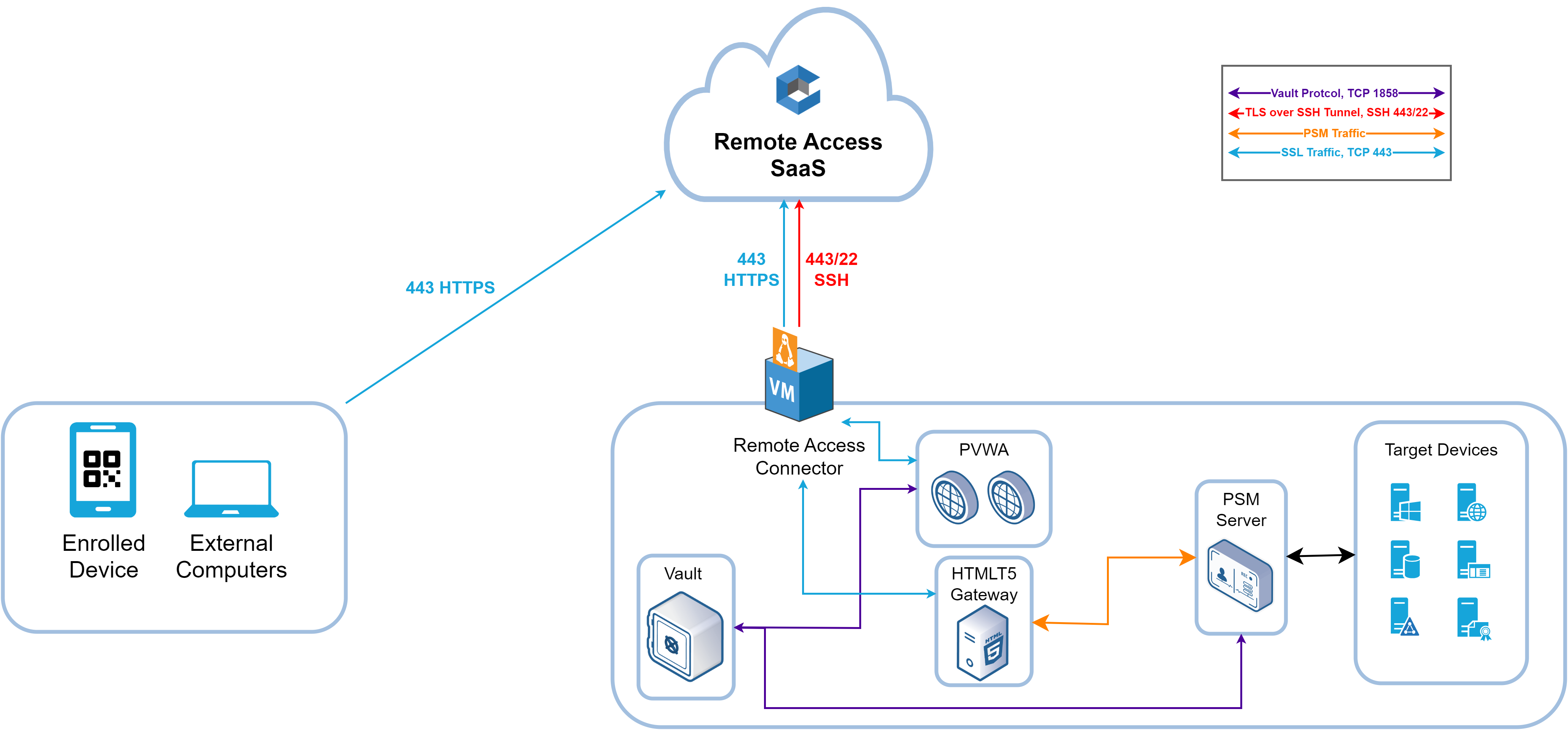
Monitor remote access to company resources and data. Use a secure remote access management strategy that keeps remote employee networks safe, reliable, and compliant. This can include monitoring VPN connections, network activity, and device usage.
7. Implement Network Segmentation
Implement network segmentation to isolate sensitive data and resources. This can include creating separate networks for different departments or functions, or using virtual local area networks (VLANs) to segment traffic.
8. Conduct Regular Security Audits
Conduct regular security audits to identify vulnerabilities and weaknesses in your remote work setup. This can include penetration testing, vulnerability scanning, and security assessments.
Conclusion
A Secure WiFi connection for remote workers is essential to protect against cyber threats and ensure a secure remote work experience. By following the steps outlined above, you can ensure a secure, reliable, and compliant remote work environment. Remember, a secure WiFi connection for remote workers is a shared responsibility between employees, management, and IT teams.