How to Invest in Stocks with a Roth IRA: A Comprehensive Guide
Ever wondered how to invest in stocks with a Roth IRA? This investment vehicle offers a tax-advantaged way to save for retirement, allowing your money to grow tax-free. However, with so many options available, choosing the right investments can be overwhelming. In this guide, we'll walk you through the process of how to invest in stocks with a Roth IRA, from understanding the basics to selecting the best investments and managing your portfolio.
Getting Started with a Roth IRA
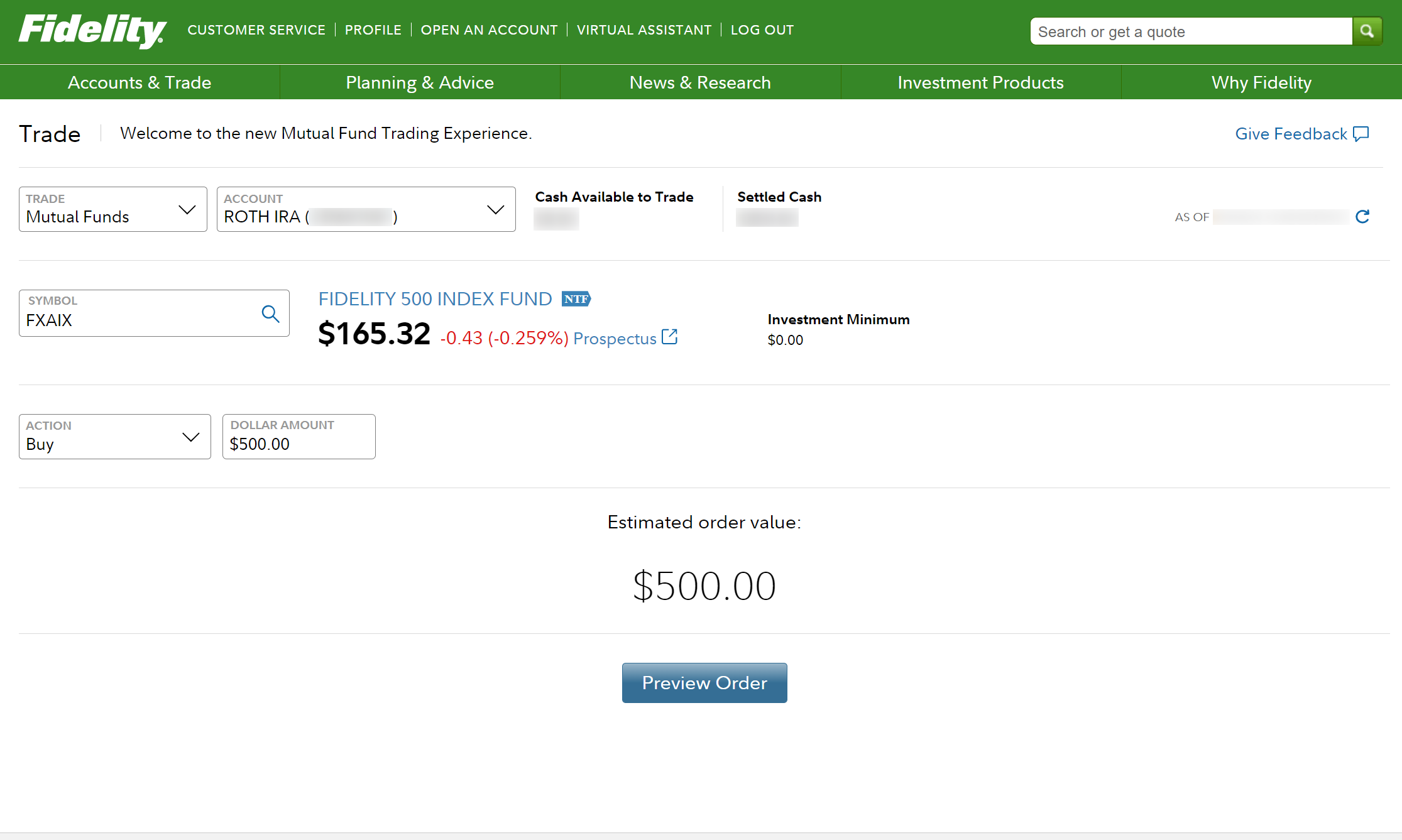
To get started with investing in stocks using a Roth IRA, the first step is to open an account with a reputable brokerage firm that offers Roth IRA options. Many brokerages provide a user-friendly interface and tools to guide you through the account setup process.
Understanding Roth IRA Investments
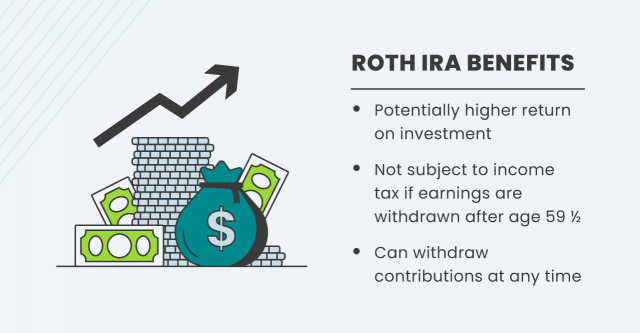
A Roth IRA is an individual retirement account that allows you to contribute after-tax dollars, which means you've already paid taxes on the money you invest. The beauty of a Roth IRA is that your money grows tax-free, and you can withdraw your contributions and earnings tax-free and penalty-free if you follow the IRS rules for qualified withdrawals.
Choosing the Right Investments
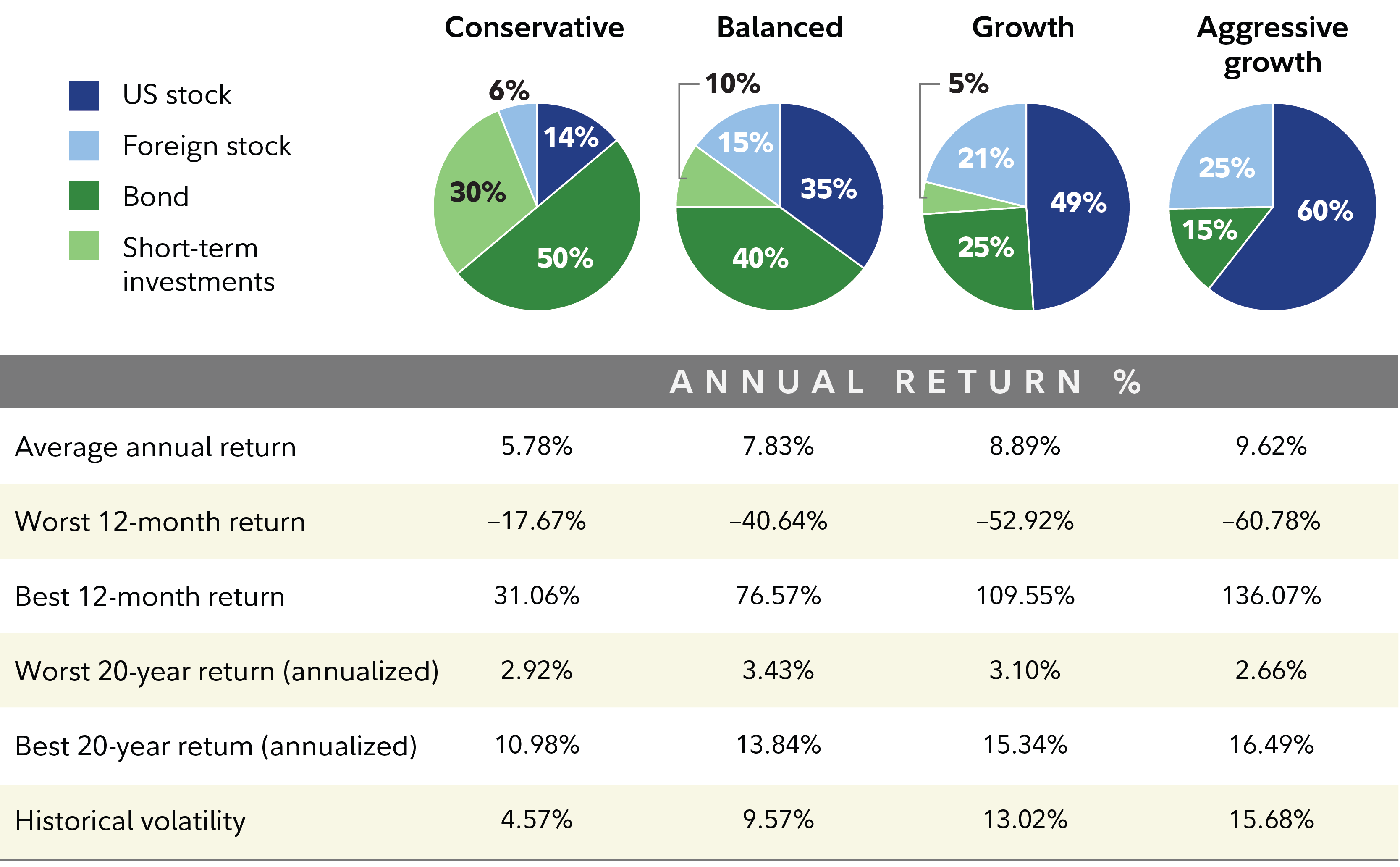
When it comes to investing in a Roth IRA, the choices are varied, catering to different risk appetites and financial goals. You can include investments such as stocks, bonds, mutual funds, ETFs, and more. Some of the best Roth IRA investments might include small-cap stocks and ETFs, international stocks, high-dividend stocks and high-dividend ETFs.
- Stocks: Consider investing in established companies with a strong track record of growth and stable dividend payments.
- ETFs: Exchange-traded funds offer a convenient way to diversify your portfolio by investing in a basket of stocks or bonds.
- Mutual Funds: Actively managed funds that aim to provide a steady returns through diversified investments.
- Bonds: Fixed-income securities that offer regular interest payments and a return of capital at maturity.

Managing Your Portfolio
Once you've selected your investments, it's essential to regularly review and adjust your portfolio to ensure it remains aligned with your financial goals and risk tolerance. Rebalancing your portfolio can help maintain the optimal asset allocation and minimize potential losses.
Tax Implications and Withdrawals
It's essential to understand the tax implications and withdrawal rules when investing in a Roth IRA. Contributions are made with after-tax dollars, so you won't receive an immediate tax break. However, withdrawals of contributions and earnings are tax-free and penalty-free if you follow the IRS rules for qualified withdrawals.
Additional Tips and Considerations
- Contributions Limits: The annual contribution limit for Roth IRAs is $6,000 in 2024, with an additional $1,000 catch-up contribution allowed for those aged 50 and above.
- Account Types: Consider opening a Roth IRA or a traditional IRA, each with its own rules and benefits.
- Investment Options: Explore the variety of investment options available, including stocks, ETFs, mutual funds, bonds, and more.
- Account Types: Explore the different types of IRAs, including traditional, Roth, rollover, and SEP-IRAs.
By following these steps and considering the various investment options, tax implications, and withdrawal rules, you'll be well-equipped to invest in stocks with a Roth IRA and build a secure financial future.