Secure Settings for Router: A Guide to Ultimate Network Protection
Your router is the gatekeeper of your home network, and it's essential to ensure that it's configured with the best possible security settings to protect your network from cyber threats. In this article, we'll explore the essential tips and configurations you need to follow to make your router settings secure and safeguard your network.
Why Router Security Matters
Your router is the hub of your home network, and it's responsible for managing access to the internet and controlling communication between connected devices. A poorly secured router can leave your entire network exposed to cyberattacks, making it vulnerable to hacking, malware, and unauthorized access. Therefore, it's crucial to implement the right settings to safeguard your data and ensure a secure online experience.
Disabling Remote Access
One of the first steps to secure your router settings is to disable remote access. This feature allows you to access your router's web interface remotely, but it also poses a security risk if not configured properly. You should disable remote access to prevent unauthorized access to your router and network.
- Locate the remote access feature in your router's settings.
- Disable the feature by toggling the switch or selecting the "Disable" option.
- Save the changes to ensure the new settings take effect.
Changing Default Passwords
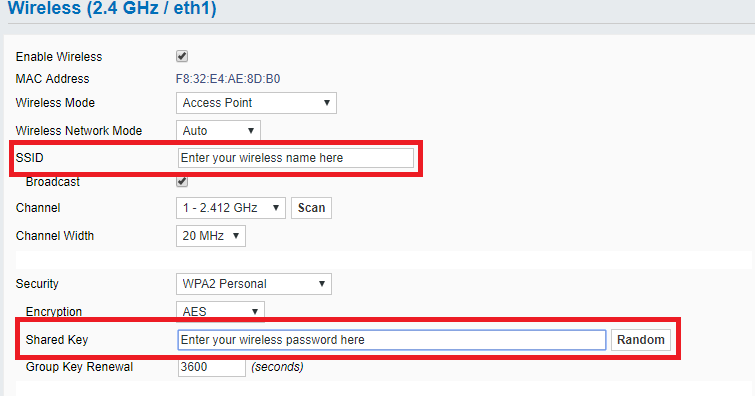
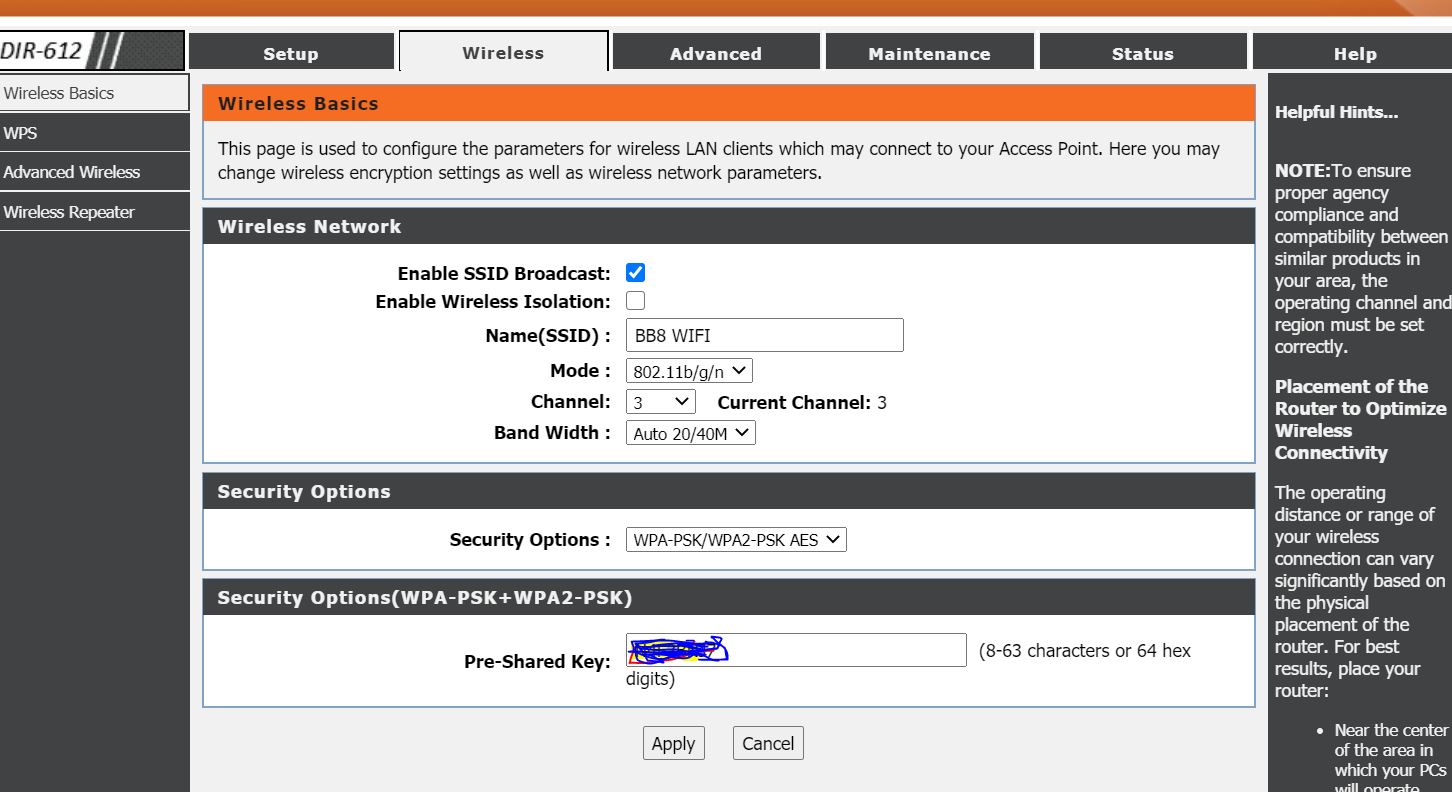
Another essential step in securing your router settings is to change the default password. Default passwords are easily guessable, and changing them is a quick way to improve your network's security. You should also change the password regularly to prevent unauthorized access.
- Locate the password change option in your router's settings.
- Choose a strong and unique password that's a combination of characters, numbers, and special characters.
- Save the changes to ensure the new password takes effect.
Enabling WPA3 Encryption
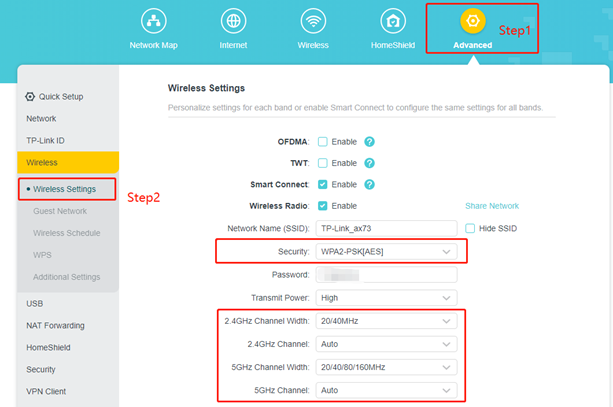
WPA3 is a more secure encryption protocol compared to WPA2, and it's recommended to enable it on your router settings. This will ensure that your network communications are encrypted and protected from eavesdropping.
- Locate the encryption option in your router's settings.
- Select the WPA3 encryption option.
- Save the changes to ensure the new encryption takes effect.
Updating Firmware
Regular firmware updates are essential to keep your router's software up-to-date and fix any security vulnerabilities. You should enable automatic firmware updates or regularly check for updates manually.
- Locate the firmware update option in your router's settings.
- Select the "Update Firmware" option.
- Follow the instructions to download and install the latest firmware.
Securing Your Wi-Fi Network
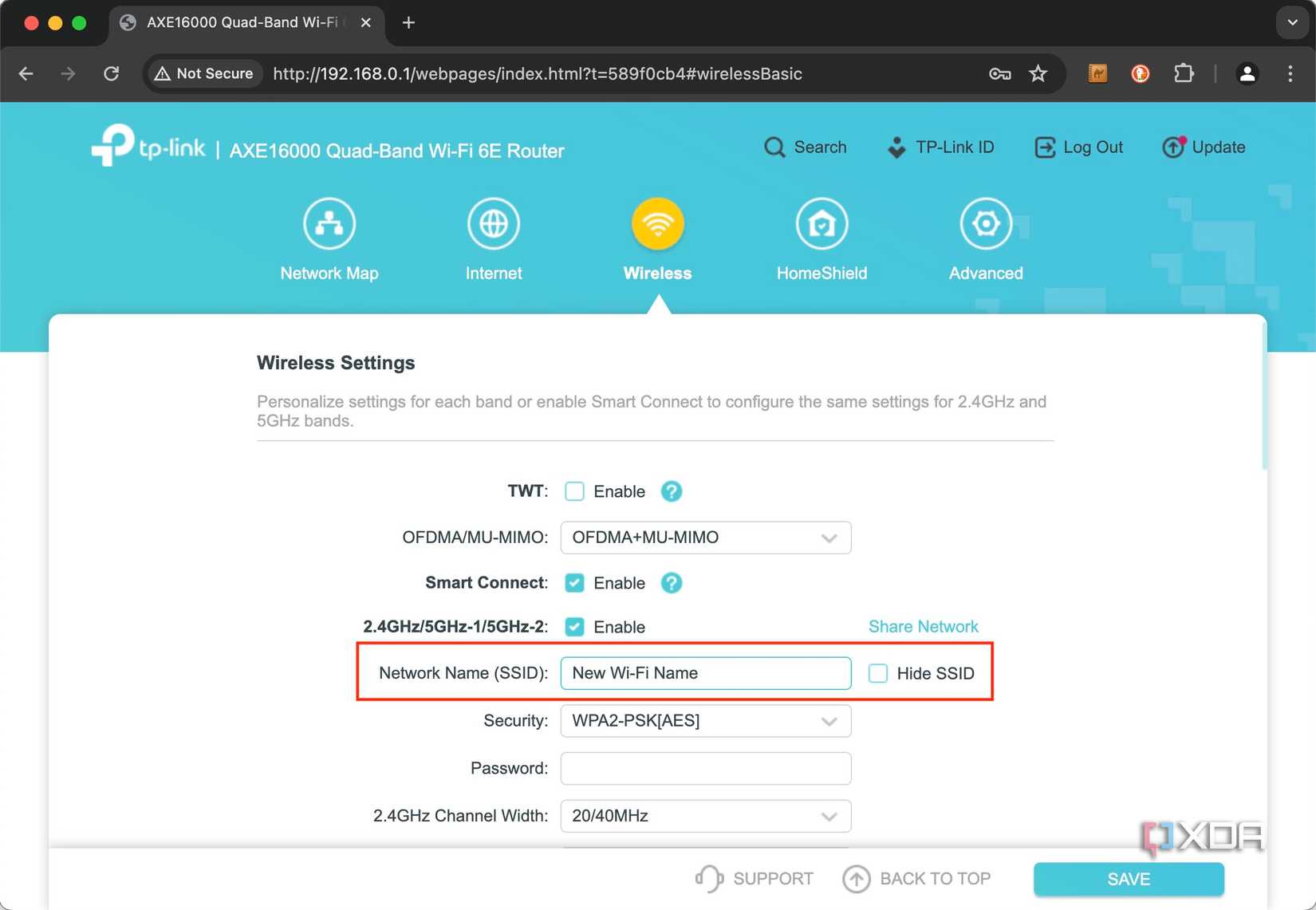
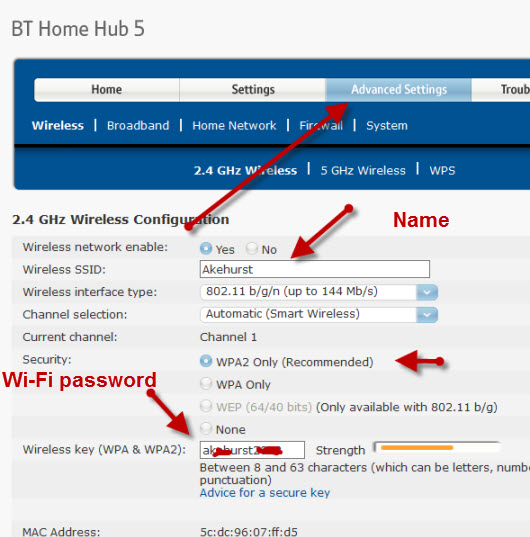
A secure Wi-Fi network is essential to protect your network from unauthorized access and cyber threats. You should enable WPA3 encryption, disable WPS (Wi-Fi Protected Setup), and restrict access to specific devices or MAC addresses.
- Enable WPA3 encryption.
- Disable WPS.
- Restrict access to specific devices or MAC addresses.
Conclusion
Securing your router settings is a crucial step in protecting your network from cyber threats. By following the essential tips and configurations outlined in this article, you can ensure that your router is configured with the best possible security settings and safeguard your network from unauthorized access and cyberattacks.


![[Wireless] How to make my router more secure? - ASUS](https://static.tp-link.com/upload/faq/%E5%9B%BE1_20220824083914p.png "[Wireless] How to make my router more secure? - ASUS")