Replacing a Dead Battery: A Comprehensive Guide
Replacing a dead battery can be a daunting task, but with the right information and tools, it's a straightforward process that can save you time and money. In this article, we'll walk you through the steps to replace a dead battery, including the tools and materials needed, safety precautions, and troubleshooting tips.
Why Replace a Dead Battery?
Automotive batteries don't last forever, even when they're taken care of properly. If you notice your headlights dimming, if your car needs a jump-start due to a dead battery, or if your battery is more than 3 years old, it's time to replace it. Fortunately, this is a quick and easy project you can tackle at home with only a few basic tools.
Preparing for Replacement
Before you start, make sure you have the right tools and materials needed for the replacement.
Turn off your vehicle and wear safety gear, including gloves and goggles.
Locate the battery, note the positive and negative terminals, then disconnect the negative cable followed by the positive.
Compare the old battery with the new one for size and terminal placement.
Replacing the Dead Battery
Completely disconnect the negative cable from the old battery.
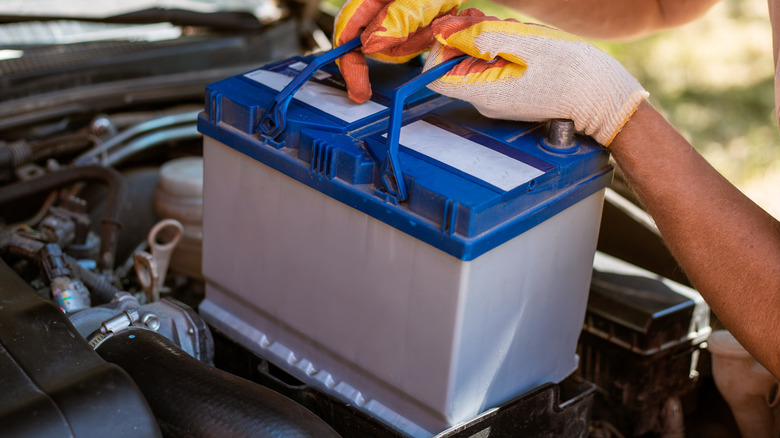
Remove the old battery and compare it with the new one for size and terminal placement.
Install the new battery and connect the negative cable first, followed by the positive cable.
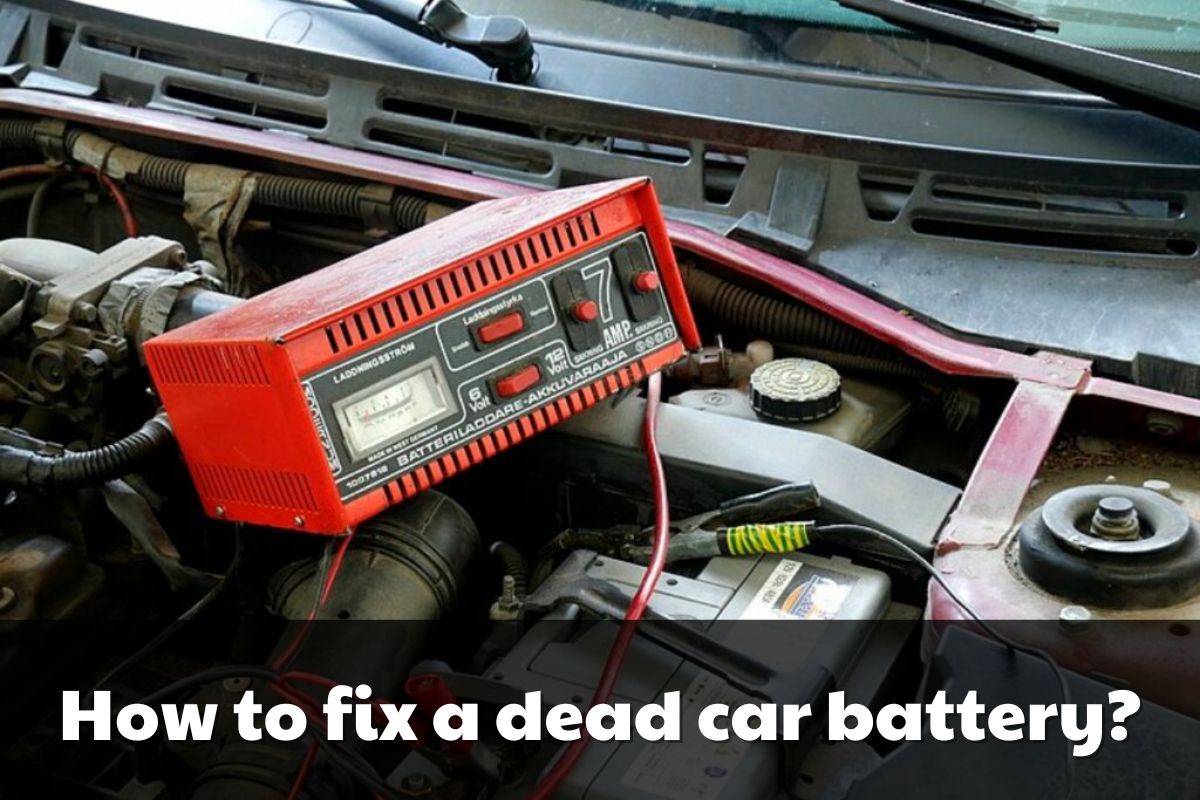
Start your vehicle and check the battery voltage to ensure it's at the recommended level.
Troubleshooting

Before you attempt to replace a dead battery, it's essential to troubleshoot the issue to identify the root cause. Here are some common reasons why batteries go dead:
Weak battery: If the battery is weak, it may not hold a charge, leading to a dead battery.
Dead cell: If one cell consistently shows a significantly lower specific gravity or voltage, it's likely shorted and the battery is done.
Clogged terminals: Corrosion on the terminals can prevent the battery from holding a charge.
Alternator issues: A failing alternator can cause the battery to drain quickly.
Conclusion
Replacing a dead battery is a manageable task, even for beginners. By following the steps outlined in this guide, you can save time and money by learning to handle the replacement yourself. Remember to always take safety precautions when working with batteries, and don't hesitate to seek professional help if you're unsure about any aspect of the process.
Additional Tips
If you're not comfortable replacing the battery yourself, consider the following tips:
Check the battery warranty: If your battery is still under warranty, contact the manufacturer for assistance.
Consult a professional: If you're unsure about any aspect of the replacement process, consider consulting a professional mechanic or auto electrician.
Check the battery type: Make sure you purchase the correct type of battery for your vehicle.