Hyperconnectivity and Work-Life Balance: The Blurred Lines Between Work and Personal Life
With the rapid advancement of technology, the concept of work-life balance has become a topic of concern. The constant need to be connected and available has eroded the boundaries between work and personal life, leading to a state of hyperconnectivity that is affecting people's mental and emotional health. In this article, we will delve into the implications of hyperconnectivity on work-life balance and explore strategies for achieving a healthier balance between work and personal life.
The Impact of Hyperconnectivity on Work-Life Balance
Hyperconnectivity refers to the constant and seamless connectivity enabled by digital devices and technologies. While it offers numerous benefits, such as improved collaboration and access to information, it also poses significant challenges to work-life balance. The constant need to be available and responsive to emails, messages, and notifications can lead to a state of anxiety, stress, and burnout.
- Blurred boundaries between work and personal life
- Increased stress and anxiety
- Decreased productivity and performance
- Negative impact on mental and emotional health
Strategies for Achieving a Healthy Work-Life Balance
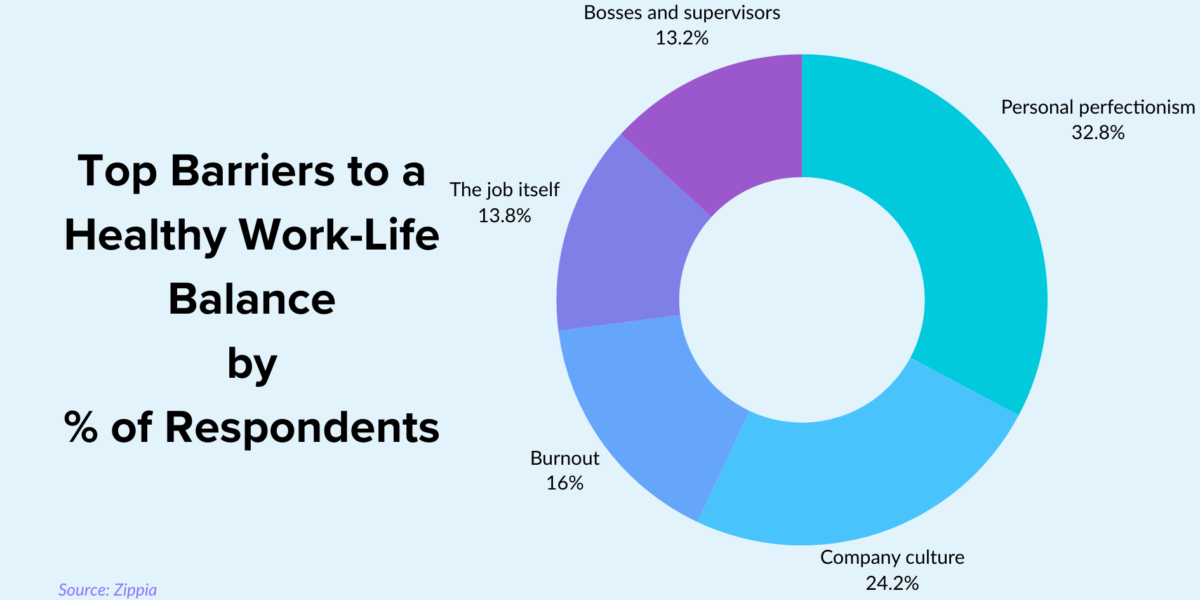
Achieving a healthy work-life balance is crucial in maintaining one's mental and emotional well-being. Here are some strategies for achieving a better balance between work and personal life:
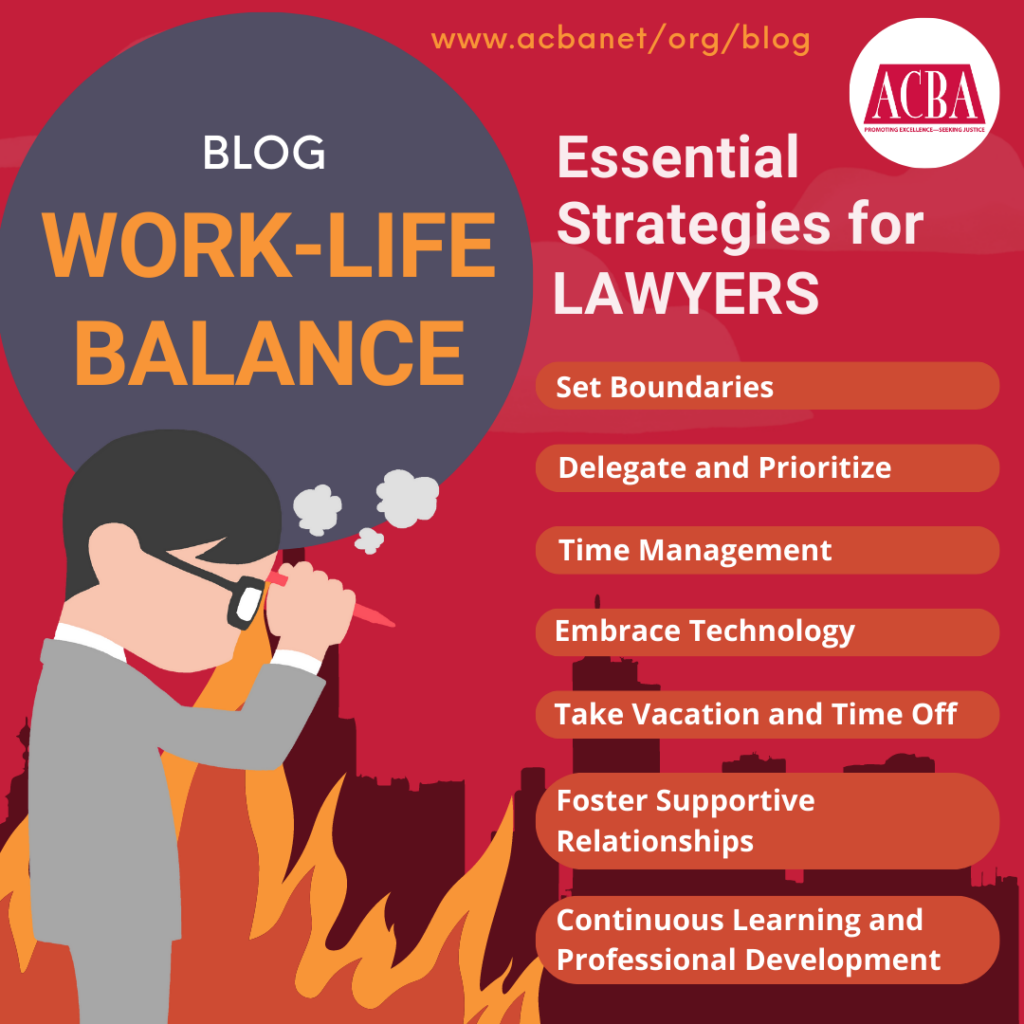
- Set boundaries: Establish clear boundaries between work and personal life by designating specific times for work and leisure activities.
- Practice digital mindfulness: Be mindful of your digital usage and avoid excessive screen time, especially during personal time.
- Use technology intentionally: Utilize technology to enhance productivity and work-life balance, but avoid excessive use.
- Take breaks and time off: Regularly take breaks and time off to recharge and engage in activities that promote relaxation and stress reduction.
- Communicate with your employer and colleagues: Communicate your work-life balance needs and boundaries with your employer and colleagues to ensure they understand and respect your needs.
Conclusion
Hyperconnectivity is a defining feature of our time, and it's essential to recognize its impact on work-life balance. By understanding the effects of hyperconnectivity and implementing strategies to achieve a healthier balance between work and personal life, individuals can maintain their mental and emotional well-being and improve their overall quality of life.
By being aware of the risks of hyperconnectivity and taking proactive steps to manage it, individuals can find a healthier balance between their work and personal life. It's not about eliminating technology entirely, but about using it intentionally and mindfully to achieve a better balance between work and life.





.jpg#keepProtocol "The World Before the World After: 7 Profound Shifts (Revealed)")