Protecting Your Online Financial Information: A Comprehensive Guide
In today's digital age, most of our financial information exists online, making it vulnerable to cyber threats and identity theft. With the rise of online banking, shopping, and financial transactions, it's essential to take steps to protect your personal and financial information. In this article, we'll provide a comprehensive guide on how to protect your online financial information and stay safe in the digital world.
Understanding the Risks
Cyber criminals have two main goals: to steal your money and your identity. They use various tactics to achieve this, including phishing scams, malware attacks, and identity theft. To protect yourself, it's essential to understand how these malicious activities work and what you can do to prevent them.
Protecting Yourself When Connecting to a Public Wi-Fi Network
When connecting to a public Wi-Fi network, you're exposing your device and data to potential threats. To protect yourself, use a virtual private network (VPN) or a reputable Wi-Fi security app. Additionally, avoid accessing sensitive financial information or using public Wi-Fi for online banking or shopping.
Understanding Customer Account Takeover Incidents
Customer account takeover incidents occur when hackers gain access to your online banking account. To prevent this, use strong, unique passwords, and enable two-factor authentication. Regularly review your account activity, and report any suspicious transactions to your bank immediately.
Protecting Your Financial Information Online
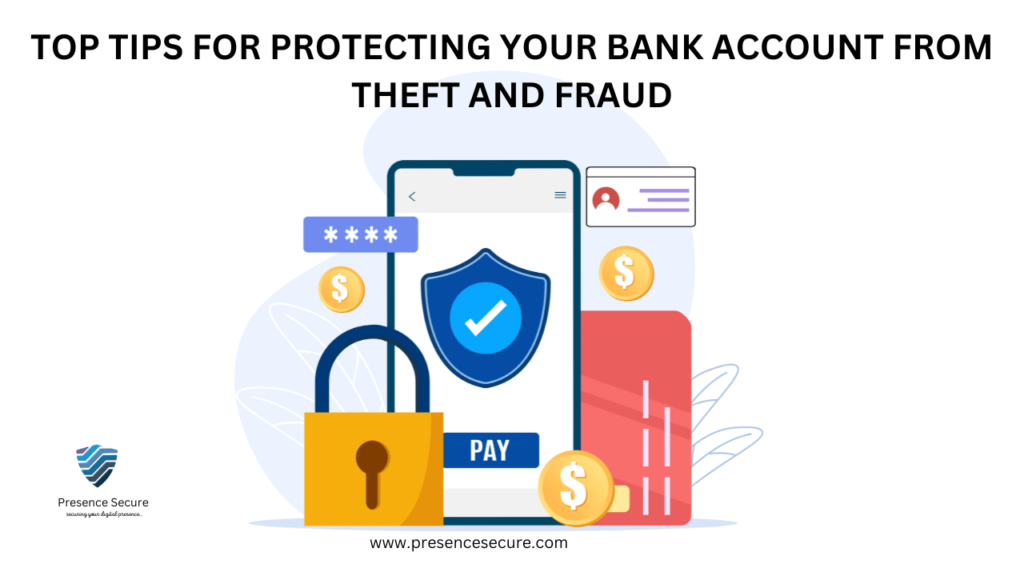
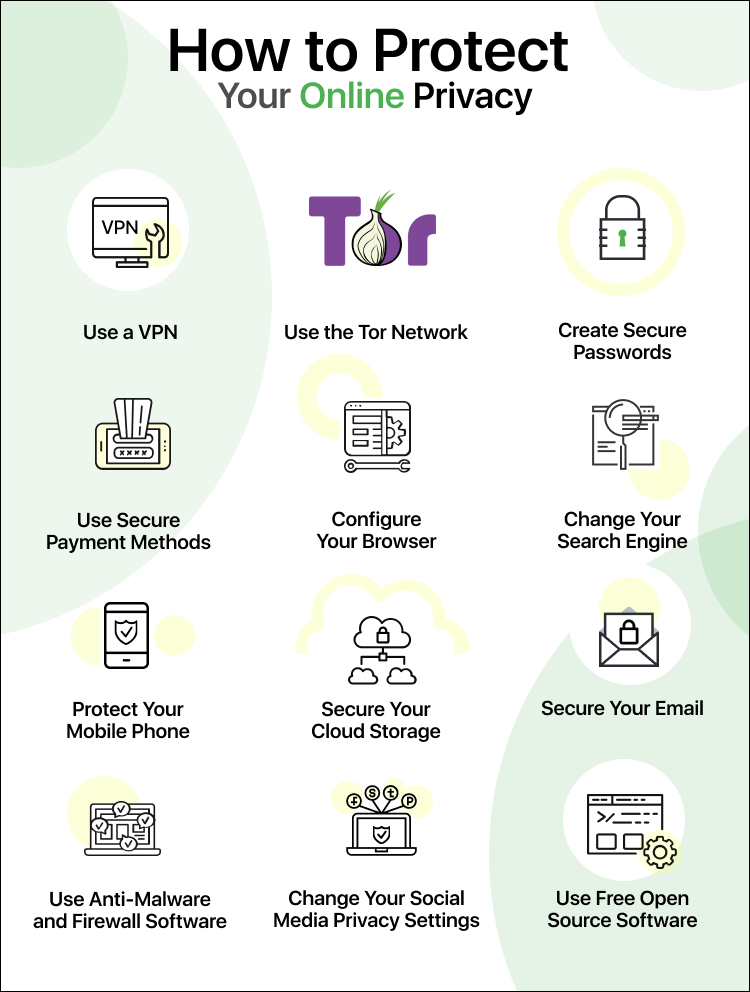
Protecting your financial information online requires a combination of knowledge, caution, and best practices. Here are some tips to help you stay safe:

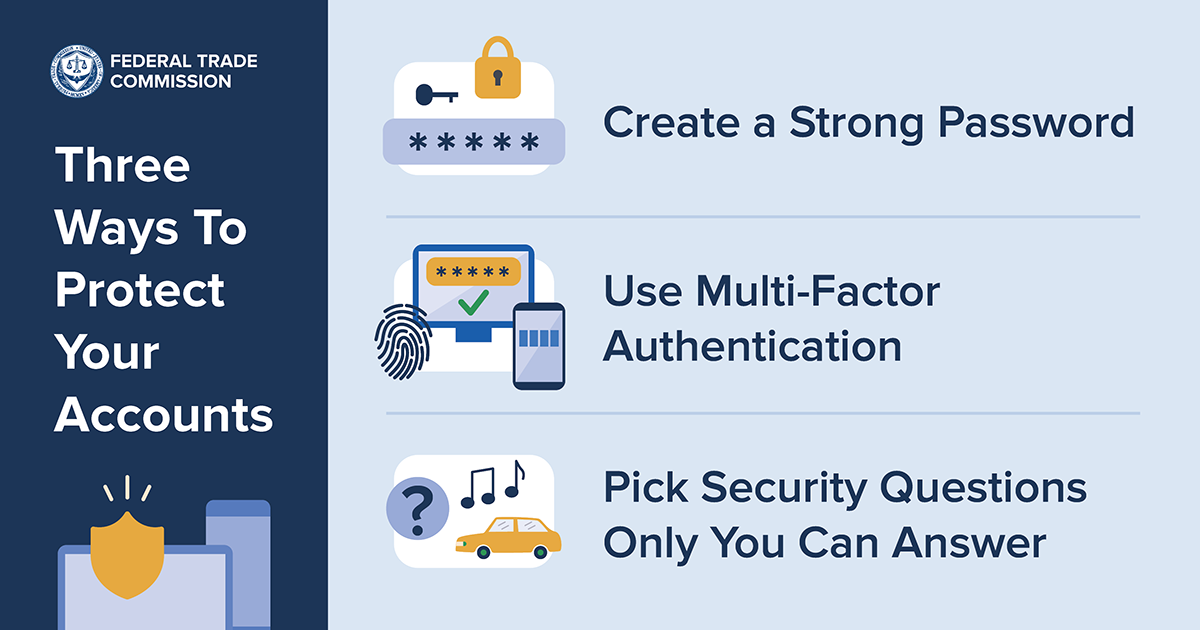
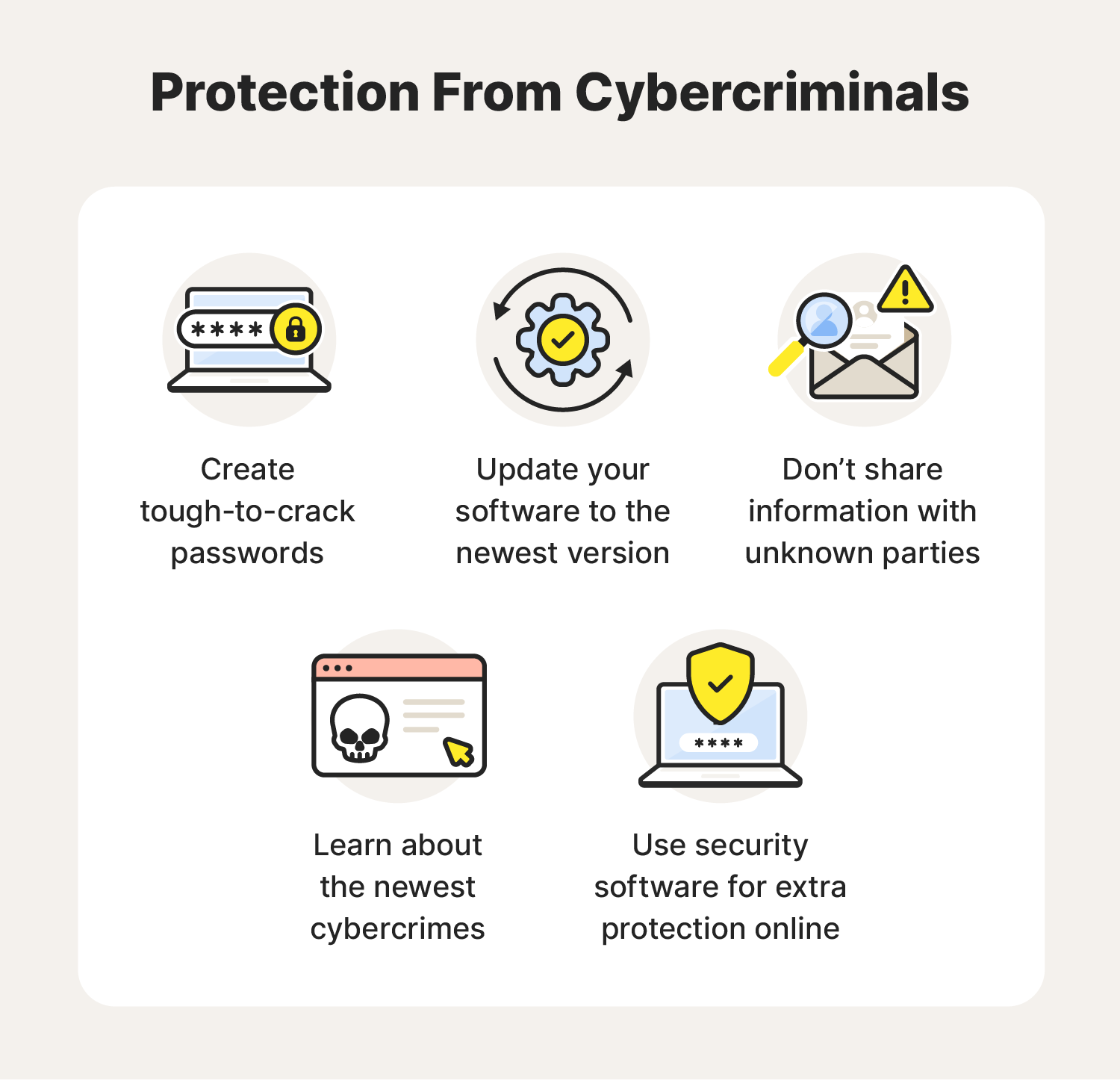
- Use strong, unique passwords: Avoid using easily guessable passwords, such as your name or birthdate. Use a password manager to generate and store complex passwords.
- Enable two-factor authentication: This adds an extra layer of security to your online accounts, requiring a second form of verification, such as a code sent to your phone.
- Access secured websites and WiFi: Look for "https" in the URL, and ensure your device is connected to a secure network.
- Be wary of phishing attempts: Be cautious of emails or messages that ask for sensitive information, and never click on suspicious links.
- Secure your devices: Regularly update your operating system, browser, and antivirus software to protect against malware and other threats.
Reporting Suspicious Activity
Unfortunately, even with the best precautions, you may still fall victim to financial fraud or identity theft. If you suspect something is amiss, report it to your bank or financial institution immediately. They can help you resolve the issue and prevent further damage.
Conclusion
Protecting your online financial information requires ongoing effort and attention. By understanding the risks, taking simple precautions, and staying informed, you can safeguard your personal and financial information and avoid falling victim to cyber threats. Remember, it's always better to be safe than sorry, and taking proactive steps can help you enjoy the benefits of online financial transactions with peace of mind.
Additional Resources
For more information on protecting your online financial information, visit the following resources:
- Consumer Financial Protection Bureau (CFPB): The CFPB provides educational materials and accepts complaints to help consumers navigate the financial marketplace.
- Federal Trade Commission (FTC): The FTC is dedicated to protecting consumers from identity theft and other financial scams.
- Identity Theft Resource Center: This organization provides resources and guidance on preventing and responding to identity theft.