How to Avoid Online Catfishing: A Comprehensive Guide
The Rise of Catfishing: A Growing Online Threat
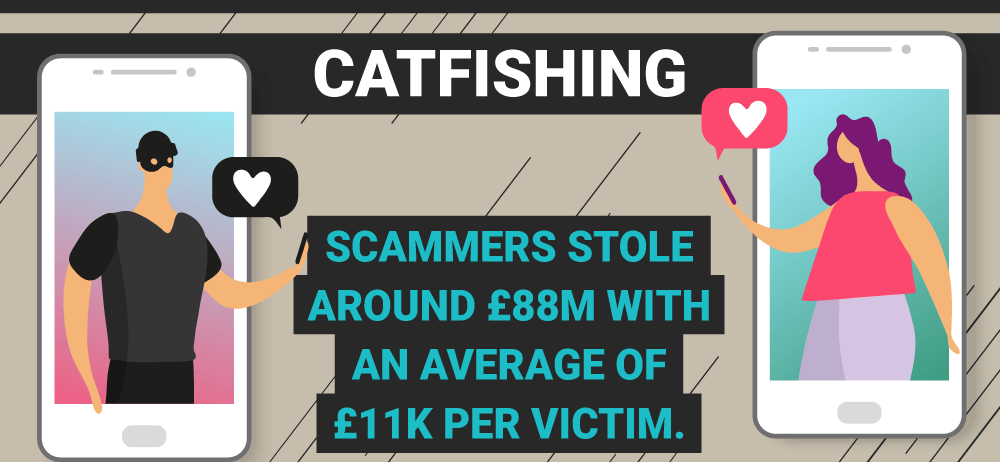
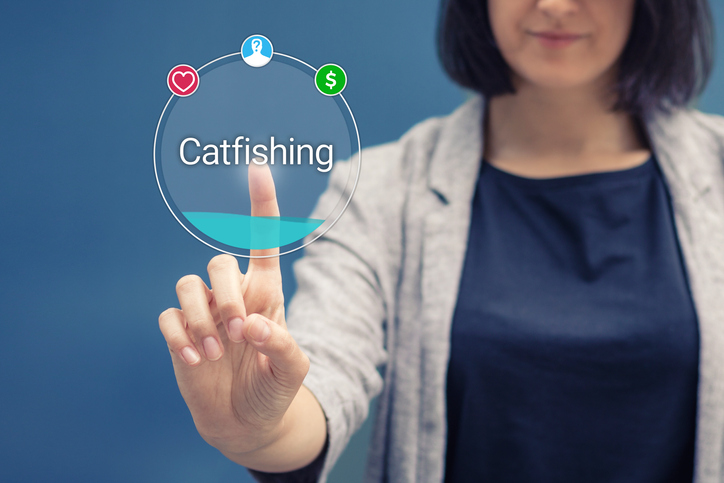
In today's digital age, online catfishing has become a significant concern for individuals, particularly those looking for romance or connections online. Catfishing is a form of online deception where an individual creates a fake identity or persona to deceive others, often for financial or emotional gain. The rise of AI-generated images, deepfakes, and social media platforms has made it easier for scammers to create convincing fake profiles.Defining Catfishing
Catfishing involves creating a false online identity to trick, harass, or scam another person. This can include using stolen or fabricated personal information, images, or videos to create a fake persona. Catfishers may use social media platforms, online dating sites, or other online channels to deceive their victims.The Motives Behind Catfishing
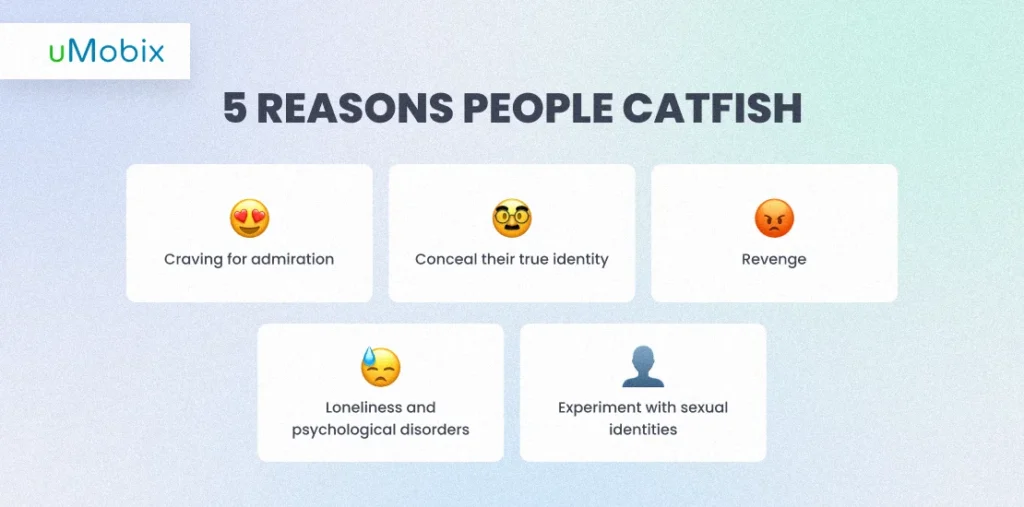
Catfishers often use catfishing as a means to gain emotional or financial control over their victims. Some common motives include: * Financial gain: Catfishers may use fake profiles to scam victims out of money or valuable items. * Emotional control: Catfishers may use fake profiles to create a sense of emotional connection with their victims, making it difficult for them to resist or leave the online relationship. * Revenge: Catfishers may use fake profiles to exact revenge on someone who has wronged them in the past.Recognizing the Signs of Catfishing
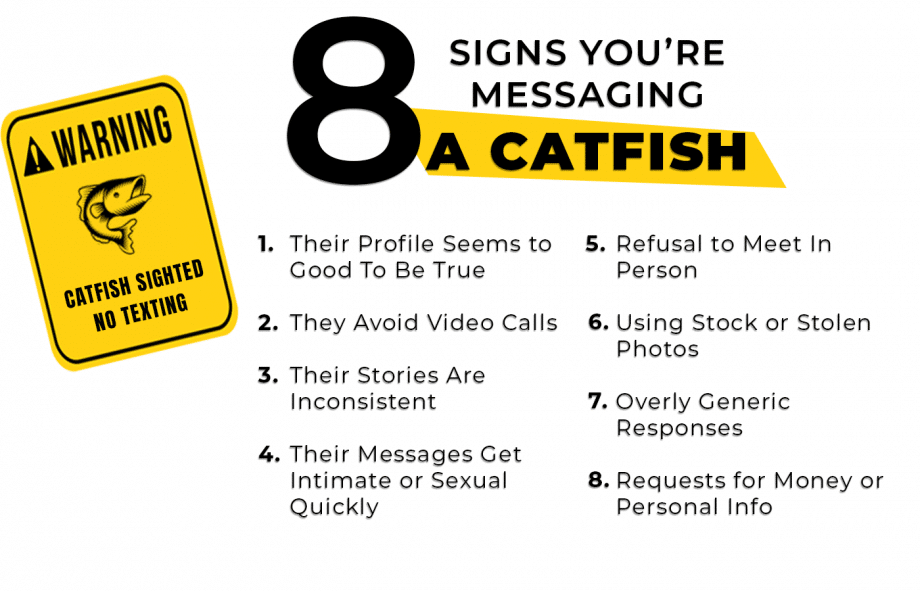
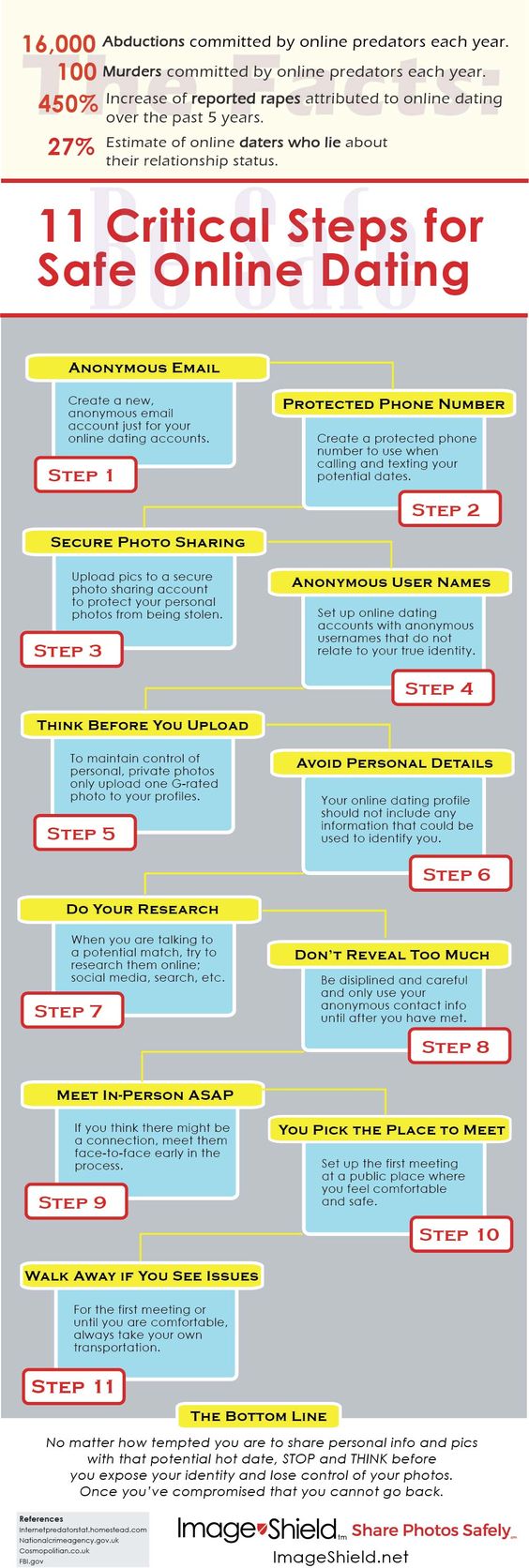
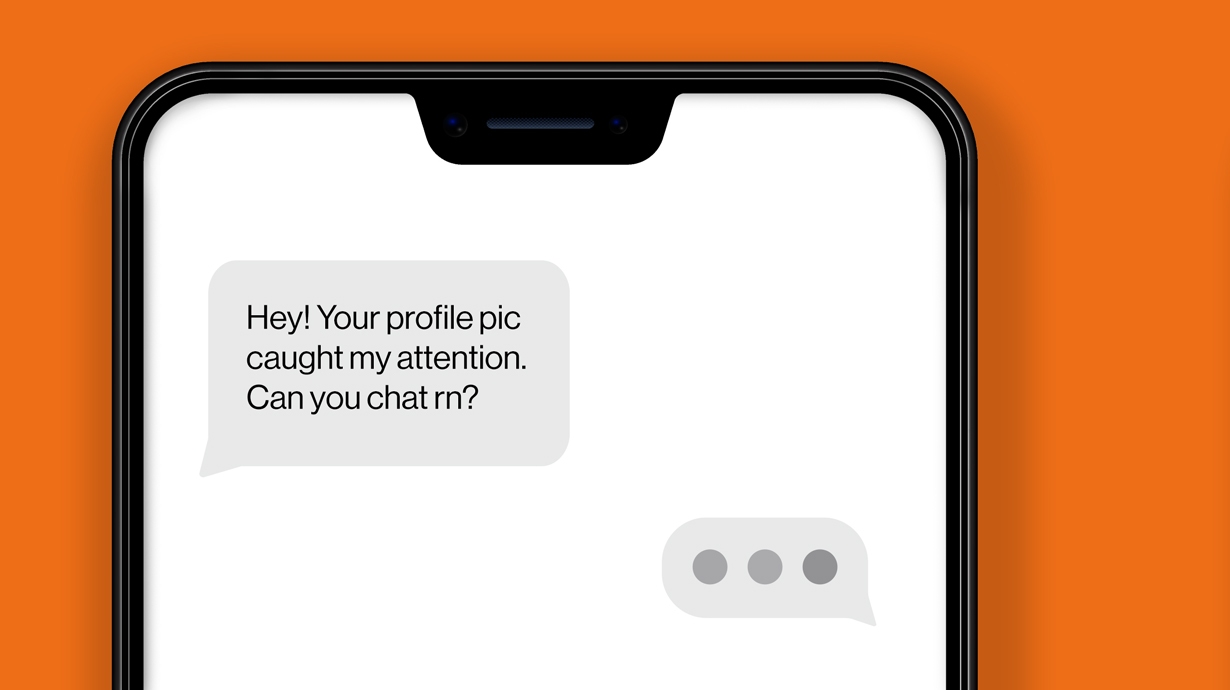
To avoid falling victim to online catfishing, it's essential to recognize the signs of a fake profile. Here are some common red flags to look out for: * Inconsistencies in their story or profile * Unrealistic or generic photos * Lack of personal details or inconsistent information * Pressuring you to send money or gifts * Being pushy or overly flirtatiousProtecting Yourself from Catfishing